
Filters
Level
Grade
Subject
Subject Area
Subject Topic
Standard(s)
Audience
Keyword
DurationMinutes
Lesson Plans

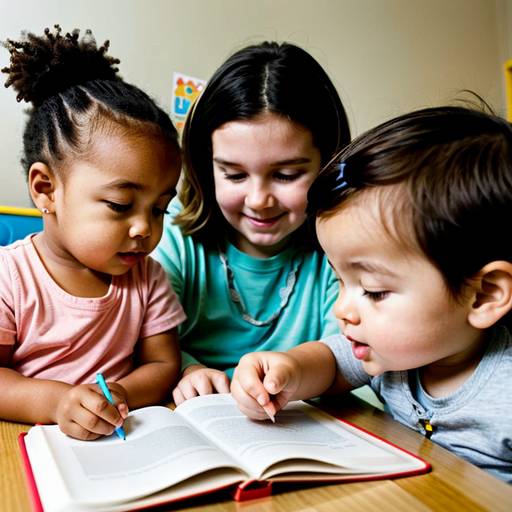
This lesson plan focuses on enhancing pre-reading skills for toddlers aged 2-4 through engaging and interactive activities. The session begins with a welcoming circle where participants sing a welcome song. Following this, the instructor reads a colorful picture book aloud, encouraging children to predict and discuss the story as it unfolds.
Children then explore letters using alphabet flashcards and soft foam letters, promoting letter recognition and phonemic awareness through playful interaction. Rhyming books and nursery rhymes are introduced to help develop rhythm and sound recognition, engaging children in clapping or stomping to the beat.
The session includes a personalized segment where each child receives a name tag, facilitating recognition and discussion of their names using felt letters on a felt board. Creativity is encouraged during a drawing activity where children express their ideas and share their artwork with the group.
The lesson concludes with a closing circle, where children recap what they learned and sing a goodbye song. Throughout the lesson, the instructor observes participation and engagement, providing positive reinforcement, and follows up with suggestions for families to enhance reading at home. This comprehensive approach fosters a love for literacy while developing essential pre-reading skills.

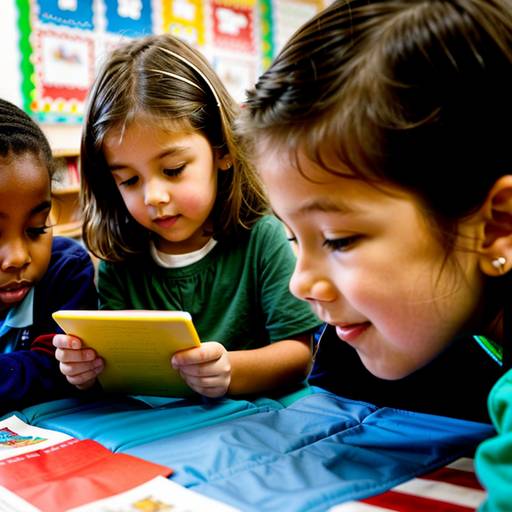
In this Kindergarten Language Arts lesson, students will embark on an engaging reading experience designed to enhance their understanding of story elements. The class will begin with a read-aloud of a carefully selected picture book, during which students will be encouraged to predict and discuss plot developments. Following the reading, a discussion will focus on identifying key components of the story, including characters, setting, and plot, with responses recorded on chart paper for visual reinforcement.
Students will then participate in a creative activity where they will illustrate their favorite part of the story, choosing to focus on one of the elements discussed. This drawing exercise not only allows for artistic expression but also reinforces their comprehension of the material. In closing, students will have the opportunity to share their drawings with peers, fostering a sense of community and deeper connection with the text. Assessment will be based on observation during discussions and the quality of their completed graphic organizers. Extensions will be provided for more advanced students, offering additional reading opportunities. Overall, this lesson is designed to cultivate early literacy skills through interactive and imaginative learning experiences.

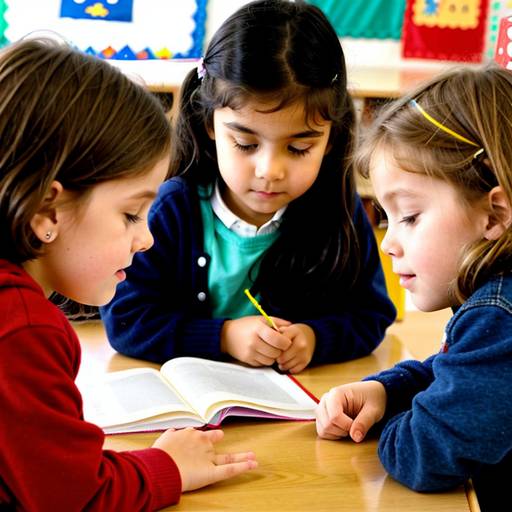
This preschool language arts lesson focuses on enhancing comprehension skills and pre-reading abilities through an interactive storytelling experience. Students will listen to a selected picture book, participate actively by predicting outcomes, and engage in discussions about story elements such as characters, setting, and plot.
The lesson begins with a group prediction activity based on the book's cover, followed by reading the story aloud with expressive intonation and prompting questions to stimulate interaction. After the reading, students will collaboratively create a story map on chart paper, visually representing key elements, and reinforcing vocabulary through picture cards.
To conclude the session, children will illustrate their favorite part of the story, sharing their drawings with the group to deepen their understanding and connection to the text. The lesson wraps up with a discussion to reflect on the story and preview the next learning adventure, fostering excitement for future literacy exploration. Assessment will focus on student participation and the connection of their illustrations to the story's elements. Adaptations are included to support all learners, ensuring an inclusive and engaging experience for every child.
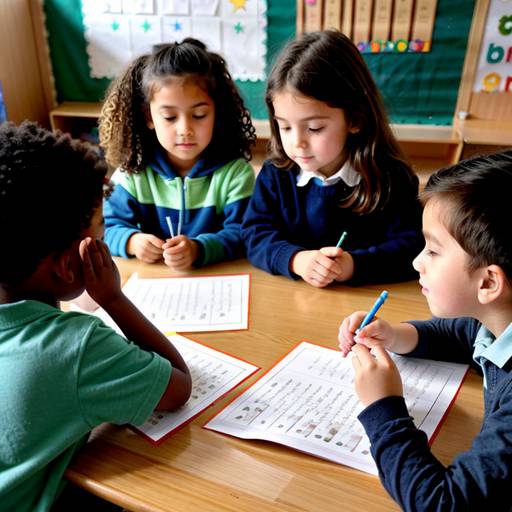
In this preschool language arts lesson, students will enhance their writing skills by creating and illustrating their own imaginary creatures. The lesson begins with a discussion about various fantastical beings, allowing children to share their thoughts on what makes these creatures interesting. Following this, students are guided through a brainstorming session to develop unique ideas for their creations.
Afterward, they engage in a drawing activity where they illustrate their creatures based on their brainstormed concepts. Students are then encouraged to add a few sentences about their creations using provided sentence starters, promoting both creative expression and emerging writing skills.
The lesson concludes with a sharing session where students present their drawings and descriptions to the class, fostering communication and confidence. The activity emphasizes creativity in writing and encourages students to express their individuality through their imaginative work. As an extension, there are opportunities to compile the students' creations into a class book or showcase their work in a "Creatures Parade" for the school community.
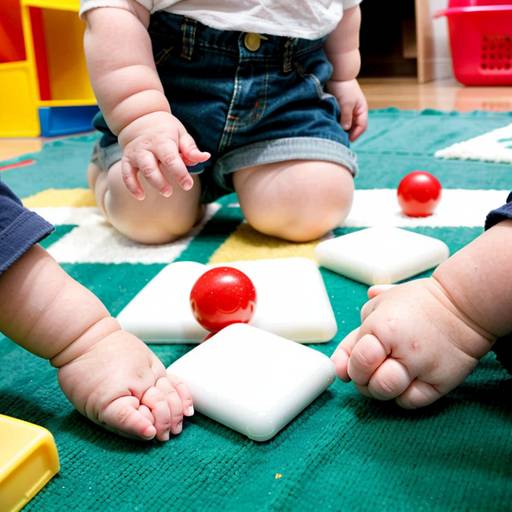
This lesson plan is designed for toddlers aged 18 months to 3 years, focusing on enhancing communication skills through engaging activities. The session begins with a welcome and circle time, where children participate in a fun song. Next, a vibrant picture book is read aloud, encouraging interaction and repetition. The children then engage in puppet play, expressing their thoughts and feelings through dialogue.
Following this, interactive play stations are set up, allowing children to explore building blocks, animal figurines, and art supplies while communicating with each other. The lesson includes a group activity featuring action songs that promote movement and self-expression.
The session concludes with a closing circle, where children share their favorite parts of the lesson, reinforcing their verbal skills. Throughout the activities, the educator will observe and assess children's participation and language use, setting the foundation for future lessons that continue to develop their vocabulary and communication skills through creative play.
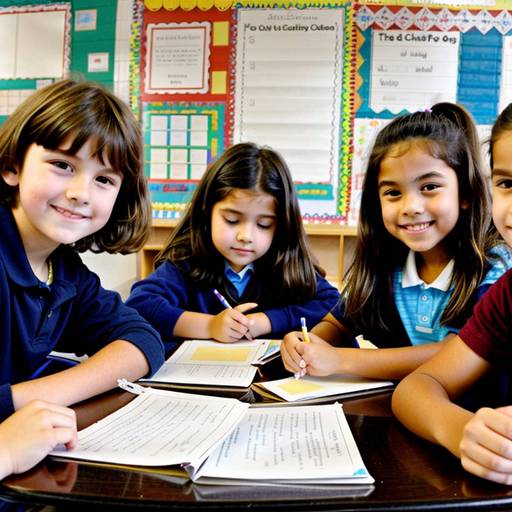
This lesson plan focuses on helping 1st-grade students understand the basic components of sentences, specifically the subject, verb, and object. It begins with an engaging introduction that encourages discussion about what constitutes a sentence. The teacher explains each component and demonstrates how they combine to form a complete sentence.
Students then work collaboratively in small groups using picture prompts to choose subjects, verbs, and objects, ultimately constructing their own sentences. Following guided practice, individual students complete a worksheet where they draw and write their chosen sentences. The lesson concludes with student presentations, fostering a supportive environment for sharing and feedback.
Assessment is based on participation during group activities and the completion of the worksheets. Extensions are provided for advanced learners, and post-lesson reflection encourages continuous improvement of instructional strategies. Overall, the lesson aims to build foundational grammar and sentence structure skills in a fun and interactive way.

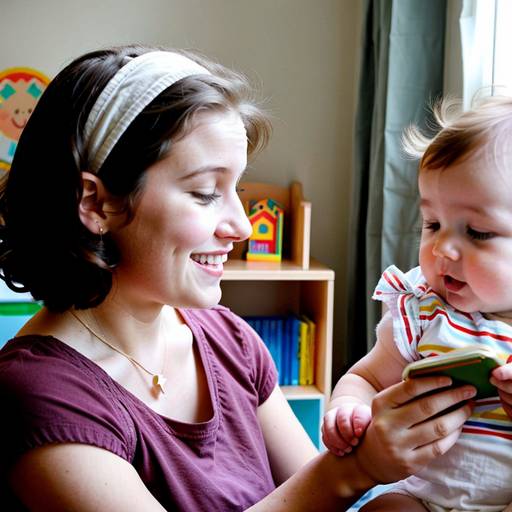
The lesson plan aims to support infant language development and reading readiness through engaging, interactive activities designed for infants aged 0-12 months and their caregivers. The session begins with a welcoming introduction that highlights the importance of early language skills. Caregivers and infants participate in a read-aloud segment using a colorful board book, allowing for tactile engagement with plush toys that represent characters.
Following the story, the group participates in a lively song and movement activity to foster listening and physical coordination. Sensory play with bubbles engages infants visually, while puppet interactions provide opportunities for communication and imagination. Musical rhythm sessions involve soft instruments to enhance auditory skills and create a fun environment.
The lesson concludes with a reflective gathering, where caregivers are provided with tips and recommended books to support reading at home, ensuring ongoing language development. Observations during the session help gauge infant engagement, promoting a nurturing and supportive learning atmosphere for both caregivers and infants.
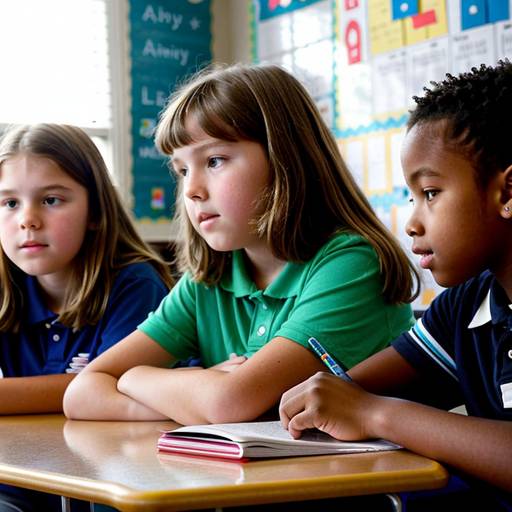
This 5th-grade language arts lesson focuses on introducing students to persuasive writing and its key components. The lesson begins with a class discussion to define persuasive writing and identify its essential elements, such as the writer's opinion, supporting reasons, evidence, and counterarguments. Through a mini-lesson that analyzes examples of persuasive texts, students learn various techniques to enhance their writing.
In a guided practice session, the class debates a common topic, allowing students to brainstorm arguments for both sides. They then fill out a graphic organizer to help structure their thoughts. For independent practice, students select their own topics and draft persuasive letters, using the organizer as a guide.
The lesson concludes with students sharing their letters, engaging in a constructive discussion about effectiveness and areas for improvement. Assessment involves collecting the letters and graphic organizers for feedback based on clarity, reasoning, evidence, and overall persuasiveness. Optional extensions include presentations and creating a display for others to read. This dynamic lesson enables students to develop important writing skills and express their opinions effectively.

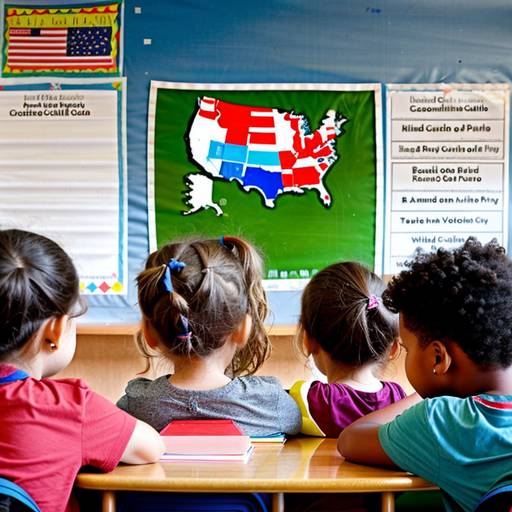
In this 1st Grade Social Studies lesson, students will explore geography and learn about various countries and their cultures. The lesson begins with an introduction to geography, using a world map or globe to discuss different countries and encourage students to share their knowledge. Students will then focus on a few selected countries, learning interesting cultural facts such as traditional foods, clothing, and landmarks through visual aids.
Following this exploration, students will engage in a hands-on craft activity where they will create a flag or cultural symbol representative of the chosen country. This activity will help reinforce their understanding and allow for creative expression. The lesson concludes with a wrap-up discussion where students share their crafts and insights, supporting language development and communication skills.
To assess understanding, the teacher will observe participation and collect crafted projects for feedback. Extension activities may include a family geography project and the introduction of online exploration tools, promoting continued learning about global cultures. The lesson aims to foster curiosity and appreciation for diversity among young learners.

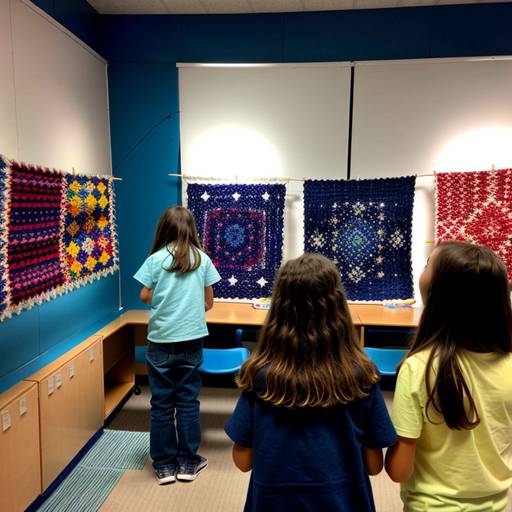
In this 2nd-grade art lesson, students will explore the world of fiber arts, focusing particularly on weaving. The lesson begins with a discussion about various forms of fiber arts and their significance in different cultures, accompanied by visual examples.
Students will then learn how to create simple cardboard looms, which will allow them to experiment with the basic over-and-under weaving technique using colorful yarn. After a demonstration of setting up the loom and guiding them through the weaving process, students will have the opportunity to create their own woven artworks.
Throughout the activity, the teacher will provide support and encouragement, fostering creativity and individual expression. As the lesson concludes, students will participate in a gallery walk to showcase their creations and share their experiences. This interactive session will help students appreciate the art of weaving while developing their fine motor skills and artistic expression. The assessment will focus on observing student engagement and the creativity evident in their completed projects.