
Filters
Level
Grade
Subject
Subject Area
Subject Topic
Standard(s)
Audience
Keyword
DurationMinutes
Lesson Plans

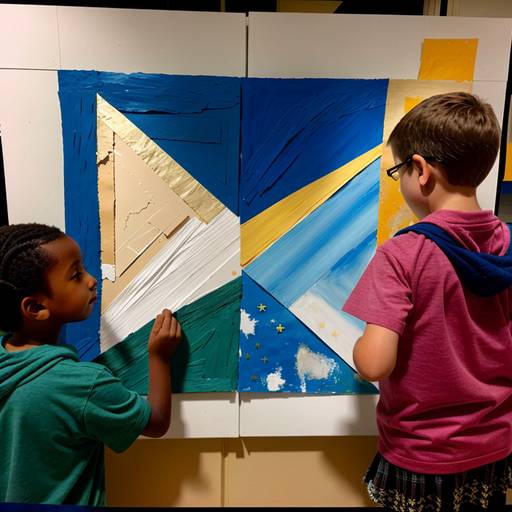
In this 60-minute art lesson for 3rd graders, students will learn about mixed media by creating textured artwork using a variety of materials. The lesson begins with a discussion on mixed media and an exploration of different textures found in various materials. After a demonstration of techniques for layering and combining these materials, students will engage in a "texture treasure hunt," where they can collect natural items from their surroundings. They will then create their own pieces of art on large sheets of construction paper or canvas, incorporating both collected and provided materials while experimenting with paint and markers. The class will conclude with a showcase of their artwork, allowing each student to share their inspiration and the textures they used. The lesson emphasizes creativity, tactile engagement, and an understanding of composition while encouraging students to express themselves through their artwork. Cleanup will follow the art-making process.

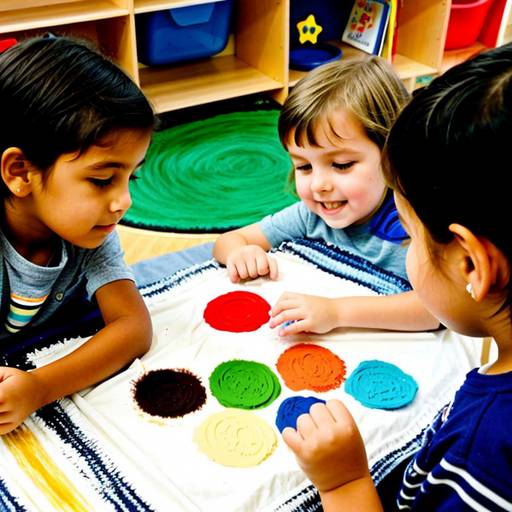
In this preschool art lesson, students will explore a variety of textured materials to develop their fine motor skills and creativity. The session begins with a group discussion about textures, encouraging students to describe and identify different sensations. Following this, they will engage in hands-on exploration of the materials, promoting sensory awareness and conversation.
Students will then create their own textured collages using cardstock and the various materials they have gathered. As they work on their collages, they will practice cutting and gluing while expressing their artistic ideas. Once the collages are completed, each child will share their artwork with the class, highlighting the textures used and the inspiration behind their creations. The lesson concludes with a clean-up activity, fostering teamwork, and responsible behavior. Extensions and assessments focus on further exploration of textures and observation of student engagement and expression throughout the lesson.
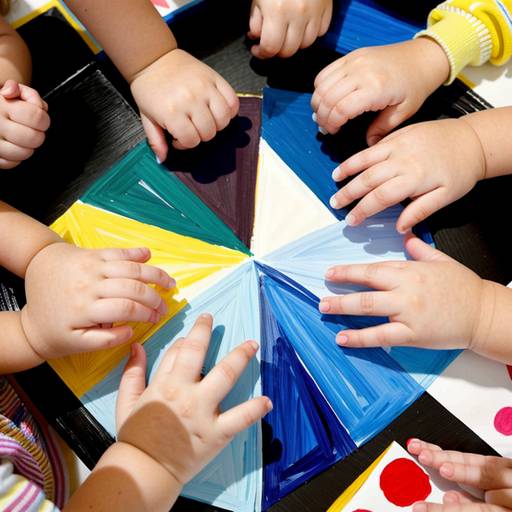
In this preschool art lesson, students will engage in a hands-on exploration of textures and patterns through interactive activities. The lesson begins with a sensory introduction where children will feel and describe various textured materials, enhancing their awareness of tactile experiences. Following this, students will participate in texture exploration stations, working in small groups to rotate through different materials, fostering collaboration and discussion.
In the next phase, children will create their own art pieces by gluing selected textured materials onto construction paper, allowing them to experiment with layering and design. As they work, they will have the opportunity to express their creativity and apply their observations from the texture exploration.
The lesson concludes with a sharing session where students present their artwork, fostering communication skills and reflections on their experiences with textures and patterns. Throughout the lesson, children will develop fine motor skills, enhance sensory awareness, and gain confidence in artistic expression.
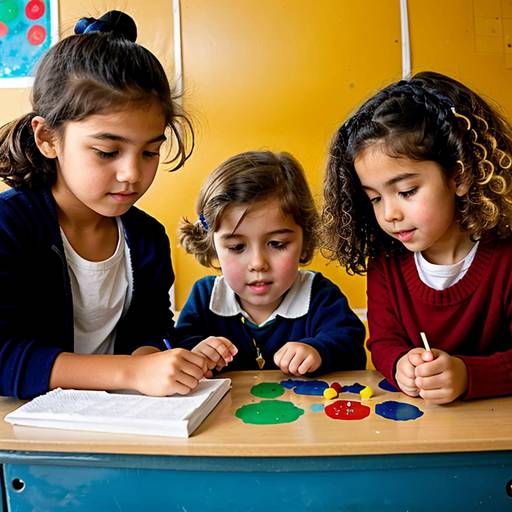
In this preschool art lesson, students will explore mixed media by creating unique collages using a variety of materials. The session begins with a brief introduction to textures and colors, followed by a demonstration on arranging materials and using glue. Children will then have the opportunity to express their creativity by selecting different types of paper, fabric, and natural materials to construct their collages. As they work, they will receive support and encouragement, fostering their fine motor skills and artistic expression. After completing their artwork, students will participate in a sharing session where they can showcase their creations and discuss their choices. The lesson emphasizes individual creativity and the joy of artistic expression while allowing for a hands-on exploration of diverse materials. Finally, children will assist in cleaning up, promoting responsibility for their workspace. The lesson can be extended by incorporating storytelling or seasonal themes in future art projects.

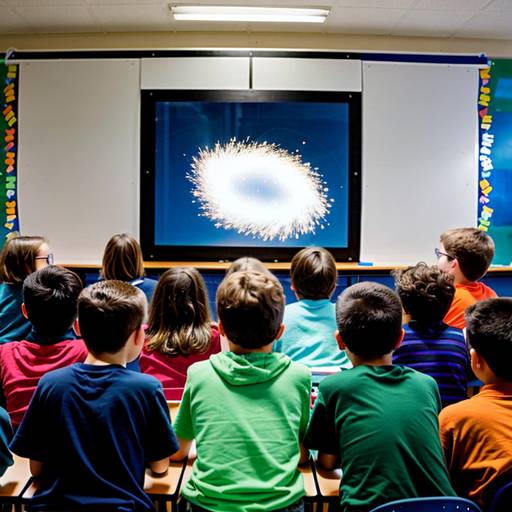
This 5th-grade physical science lesson focuses on the concepts of motion and forces. Students begin by discussing their observations of movement in everyday life and learn key terms such as motion, force, and friction. The lesson includes direct instruction on how motion is defined and measured and how different forces influence an object's speed and direction.
In small groups, students conduct hands-on experiments using toy cars, ramps, and weights to explore how various factors, such as mass and height, affect motion. They measure the distance and time taken for cars to travel down ramps, recording their findings.
After the experiments, students engage in a guided class discussion to share their observations and analyze the impact of forces on motion, encouraging critical thinking about real-world applications. The lesson concludes with a reflection assignment, prompting students to connect the concepts of motion and forces to their own experiences. Overall, this interactive lesson provides an engaging way for students to grasp fundamental physical science principles.
In this Kindergarten Earth Science lesson, students will explore various types of weather, including sunny, rainy, snowy, and windy conditions. The lesson begins with an engaging discussion where students identify different weather types using picture cards and reflect on how each type affects their daily lives.
Students will then participate in a hands-on activity at a weather observation station, learning about basic tools for observing weather, such as a thermometer. They will also express their creativity by creating weather scenes using blue construction paper, cotton balls, and a water spray bottle to mimic rain, while describing their creations to the class.
The lesson concludes with a sharing session where students present their artwork and discuss how to prepare for different weather conditions. Each student will receive a weather journal to draw their favorite type of weather and write an accompanying activity they enjoy during that weather. The lesson emphasizes collaboration, creativity, and foundational knowledge of weather concepts, with opportunities for future exploration and reinforcement.

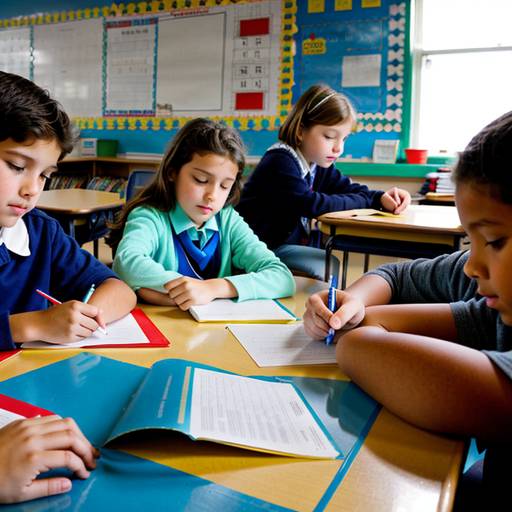
In this 3rd-grade Language Arts lesson, students will learn the principles of persuasive writing by identifying its essential components, such as stating an opinion, providing reasons, giving examples, and including a call to action. The lesson begins with engaging students through personal experiences related to persuasion, followed by a discussion on the characteristics of persuasive writing. Through guided instruction, the class analyzes a sample letter and collaborates on drafting a letter together. Students then choose their own topics to create individual graphic organizers before drafting their own letters, which they will later share with peers. The lesson concludes with a review of the key concepts and introduces options for assessment and extension activities, encouraging creativity and effective communication. Modifications are included to support diverse learners.
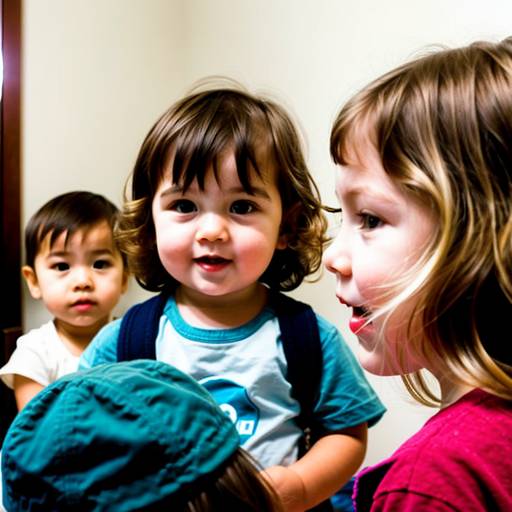
The lesson plan focuses on teaching toddlers about personal boundaries and the concept of personal space. Through engaging activities, children will learn to recognize their own space and understand the importance of respecting others' boundaries.
The session begins with a discussion about personal space, using visual aids like hula hoops to illustrate the idea of a "Friendship Circle." Children participate in a movement game where they find their circles in response to music, emphasizing the feelings associated with personal space and the challenges of sharing it with friends.
To reinforce their understanding, children will draw their own "Friendship Circle" on a large paper, allowing for a creative expression of their individual boundaries. The lesson culminates with a group discussion and a fun song that reinforces the concepts of respect and togetherness.
Throughout the activities, caregivers can observe the children's interactions to assess their grasp of personal space, and parents are encouraged to continue reinforcing these concepts at home. The lesson aims to foster an understanding of boundaries while promoting positive social interactions among peers.

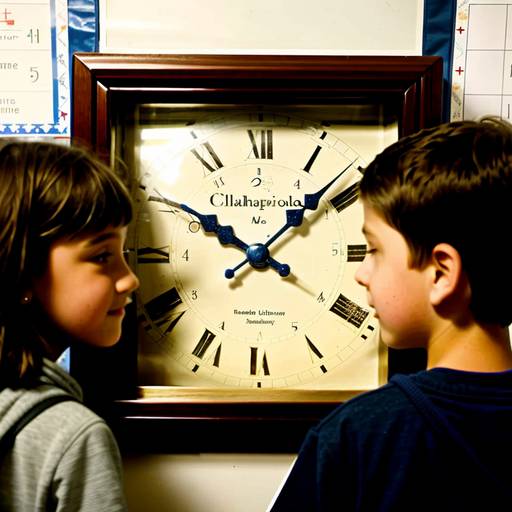
In this 4th-grade math lesson plan, students will focus on understanding time, specifically how to read both analog and digital clocks, as well as calculate elapsed time. The lesson begins with a class discussion to activate prior knowledge about time, followed by demonstrations on reading different clock formats. Students will receive direct instruction on calculating elapsed time through guided examples and will have the opportunity to practice in small groups using scenario cards that pose real-world time-related problems.
They will then engage in independent practice through worksheets designed to reinforce their skills in calculating elapsed time. The lesson concludes with a review of key concepts and a quick assessment to evaluate understanding. Additionally, students will be assigned homework to further solidify their learning. Extensions will be available for advanced students, providing them with more complex calculations involving multiple events. Through interactive activities and practical applications, this lesson aims to make the concept of time relatable and enjoyable for the students.

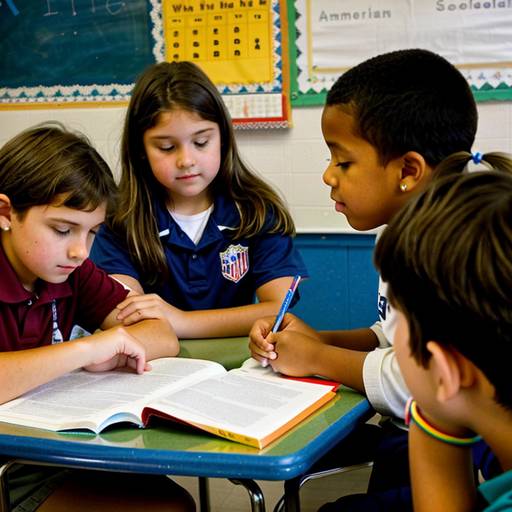
This lesson plan for 5th-grade social studies focuses on helping students understand the significance of rules within a community. Throughout the hour, students will engage in discussions about the purpose of rules and explore specific examples from their own lives, such as traffic regulations and school guidelines. By watching a video or slideshow, they will learn how rules contribute to safety and order.
Students will work in small groups to brainstorm, share, and identify common community rules on sticky notes. They will then collaboratively create a "Community Rules Poster" that features essential rules, illustrations, and explanations. Each group will present their poster to the class, fostering a collaborative learning environment. The lesson wraps up with a reflective writing task, where students express the importance of a particular rule to them personally. Assessment will be based on participation, creativity in the poster, and the completion of the writing assignment. Extensions include community interviews and observation walks to deepen students' understanding of rules in their neighborhoods.