
Filters
Level
Grade
Subject
Subject Area
Subject Topic
Standard(s)
Audience
Keyword
DurationMinutes
Lesson Plans

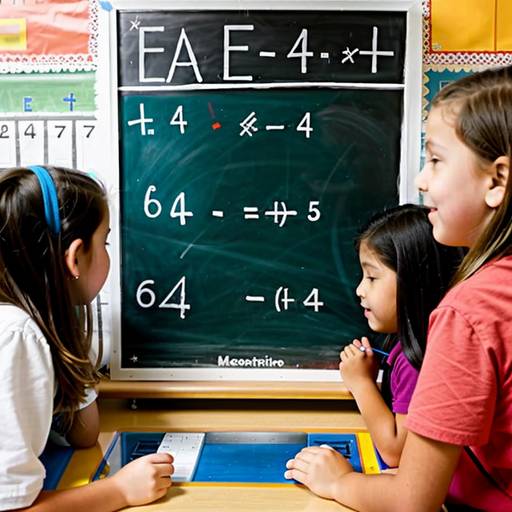
This lesson plan is designed for 3rd-grade students to explore the concepts of measurement and time through interactive activities. The lesson begins with a discussion about the importance of these skills in everyday life. Students then participate in a hands-on exploration at various stations, where they measure classroom objects using different tools, such as rulers and meter sticks, and record their findings.
Afterward, the focus shifts to telling time on an analog clock. Students create their own clock faces and practice setting times to reinforce their understanding. The lesson culminates in solving word problems that integrate both measurement and time, allowing students to apply what they have learned in practical contexts.
Throughout the lesson, students work individually and in pairs, fostering collaboration and critical thinking. The teacher assesses student understanding through observation and by reviewing their completed worksheets. Extensions are provided for students who want to deepen their learning, including a scavenger hunt for measurement and discussions about elapsed time in daily routines. Overall, the lesson aims to make measurement and time engaging and relevant for young learners.
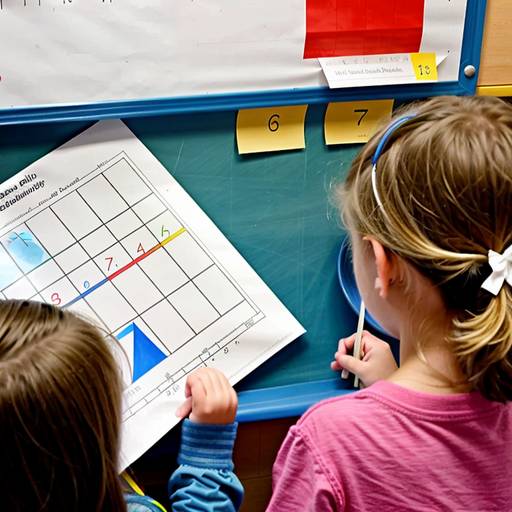
In this 60-minute math lesson for 2nd graders, students will explore measurement and time through engaging hands-on activities. The lesson begins with a discussion to gauge prior knowledge before moving into direct instruction on measuring objects with rulers and telling time using a large wall clock.
Students will participate in measurement stations where they measure various classroom objects in both inches and centimeters, recording their findings on sticky notes. Afterward, they will work in pairs on a time-related worksheet, practicing their skills in reading clocks and identifying times.
The lesson concludes with a reflection circle, allowing students to share their learning experiences. Assessment will be conducted through observation during activities and by reviewing worksheets and recorded measurements. Extensions and differentiation strategies are included to meet diverse learning needs, ensuring all students have the opportunity to enhance their skills in measurement and time.
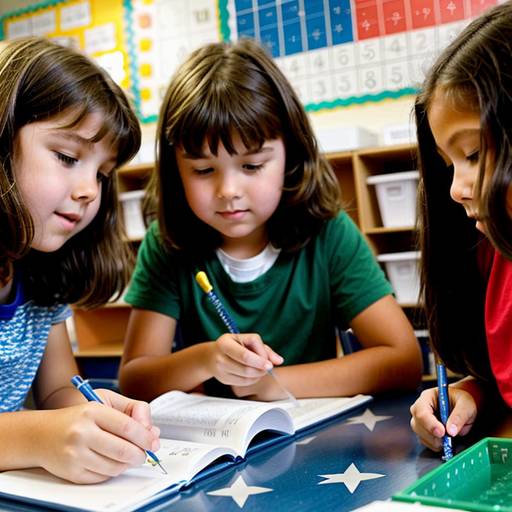
In this 4th-grade math lesson centered around measurement and weight, students explore the concepts of length and weight through engaging activities. They begin with a discussion on the importance of measurement in everyday life, followed by a mini-lesson demonstrating how to use rulers and digital scales effectively. The class is then divided into groups to rotate through three hands-on stations: measuring various classroom objects for length, weighing items, and comparing their findings. After the station activities, the class gathers to share their discoveries. A "Mysterious Object" challenge encourages students to measure and weigh an unidentified item as a collaborative activity. The lesson concludes with a recap of key concepts and an assignment that invites students to practice measurement at home. Assessment is conducted through observation and review of completed worksheets, while differentiation strategies cater to diverse learning needs, ensuring an inclusive environment for all students.

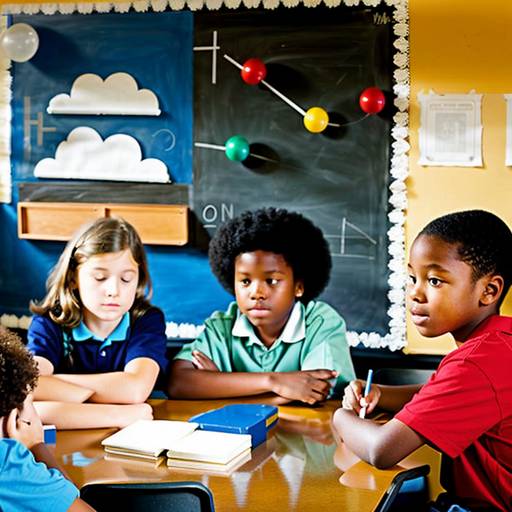
This 4th-grade physical science lesson focuses on the concepts of motion, force, speed, and the effects of different surfaces on the movement of objects. The class begins with an engaging discussion about transportation and the factors that influence speed, followed by definitions of key terms. Students are then divided into small groups to conduct a hands-on experiment using toy cars and ramps set up on various surface materials. They will roll the cars down the ramps, measure the distances traveled, and time how long it takes for each car to reach the bottom. After conducting multiple trials and recording their data, groups will create bar graphs to analyze their findings and identify patterns in how different surfaces affect motion. The lesson concludes with group presentations and a reflective writing activity, allowing students to summarize their understanding of the relationship between forces and motion. Assessment includes observation of engagement, evaluation of data collection, and review of exit tickets. Extension activities may involve creating reports on real-life applications of motion and planning a field trip to a science museum.
In this 4th-grade earth science lesson, students will explore the three main types of rocks: igneous, sedimentary, and metamorphic. The lesson begins with an engaging introduction to rocks, highlighting their materials and characteristics. Through direct instruction, students will learn about the formation processes and key features of each rock type using visual aids and examples.
Following the introduction, students will work in small groups to examine various rock samples, utilizing magnifying glasses and rock identification guides. They will classify the rocks and detail their observations on a provided worksheet. Each group will then share their findings with the class, contributing to a collective chart of rock characteristics.
As a closing activity, students may discuss any rocks they have collected from outside, reflecting on their favorite rock type in a short homework assignment. Assessment will focus on student participation, the accuracy of their worksheets, and their presentations. Extensions can include introducing the rock cycle for advanced learners and incorporating creative activities like diagram creation. This lesson promotes hands-on learning, collaboration, and fundamental knowledge of Earth's geological features.
In this 1-hour Earth Science lesson for 3rd graders, students will explore the fascinating world of rocks. They will learn to identify and describe three main types of rocks: igneous, sedimentary, and metamorphic, while also understanding the rock cycle and how rocks transform over time. The lesson begins with an engaging video introduction, followed by a discussion about prior knowledge and key concepts.
Students will participate in a hands-on activity where they examine various rock samples using magnifying glasses, classify them based on their characteristics, and present their findings. The session wraps up with a review of key points and a reflective exit ticket, allowing students to express their newfound knowledge. The lesson promotes active engagement through exploration and collaboration, reinforcing essential Earth Science concepts while fostering curiosity about the natural world.
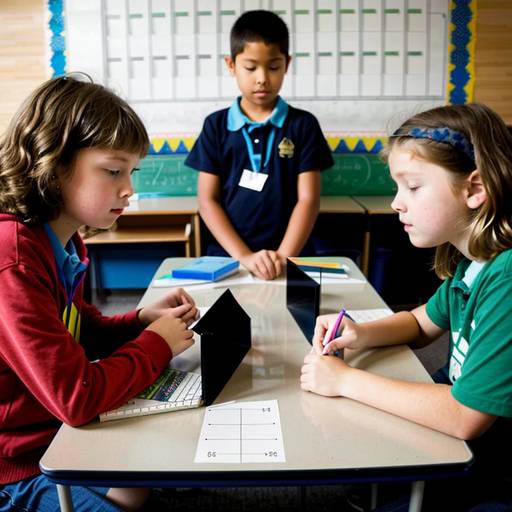
In this 5th-grade math lesson plan focusing on subtraction, students will explore various subtraction concepts through engaging activities. The lesson begins with a quick quiz to assess prior knowledge, followed by a mini-lesson that reviews subtraction methods, including borrowing and real-life applications, with visual aids such as counters.
Guided practice involves worksheets and flashcard challenges in pairs to reinforce skills. Students then participate in a team-based competition where they solve subtraction problems including word problems and scenarios relevant to daily life, fostering teamwork and collaboration.
The lesson concludes with a reflection discussion, allowing students to share their insights, and assigns a homework task that connects subtraction to their everyday experiences. Assessment will take place through observation during activities and evaluation of completed worksheets. Extensions and additional support options are provided to cater to different learning levels.
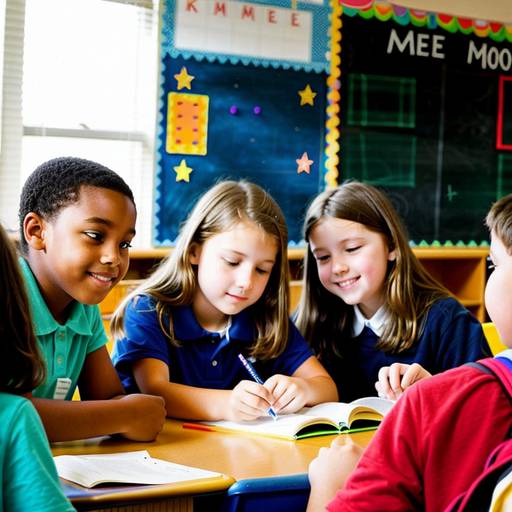
This lesson plan focuses on teaching 4th-grade students how to tell time and calculate elapsed time. Students will start with an engaging introduction that encourages them to think about time in a fun, imaginative way. The lesson will include direct instruction on reading both analog and digital clocks, followed by an explanation of elapsed time with example problems.
During guided practice, students will work in pairs to manipulate clock worksheets, reinforcing their understanding of telling time and applying their skills to solve elapsed time word problems. Independent practice will allow them to solidify their learning as they complete worksheets with various scenarios.
The lesson will conclude with a review and discussion about the importance of time in everyday life, further connecting their learning to real-world applications. Assessment will be conducted through worksheet collection and informal observation during activities. Extensions and modifications will cater to diverse learning needs, ensuring all students are engaged and challenged.
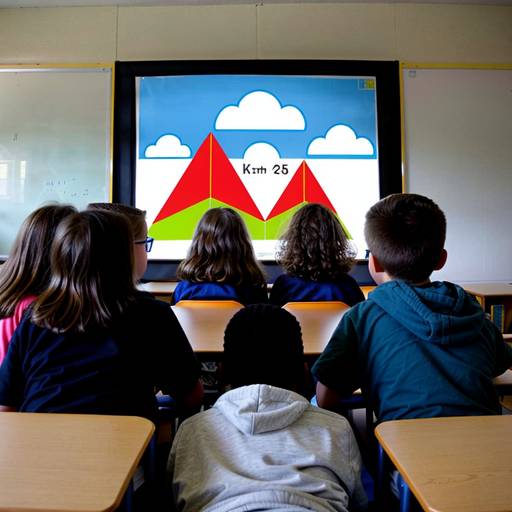
This 5th-grade math lesson focuses on measurement and volume, guiding students to understand how to calculate the volume of geometric solids such as cubes and rectangular prisms. The session begins with an engaging discussion about the importance of measuring volume in real-world contexts. Students learn the volume formula (Length × Width × Height) through direct instruction and hands-on demonstrations involving measuring dimensions and using water for practical volume measurement.
During guided practice, students work in small groups to measure geometric shapes, calculate their volumes, and document their findings in Volume Adventure Journals. Independent practice involves solving related problems on a worksheet. The lesson concludes with a class discussion where groups share their observations and reflections on the utility of knowing an object's volume. An exit ticket prompts students to express their thoughts on the importance of volume measurement. Assessment includes reviewing journals and worksheets for calculation accuracy, participation in discussions, and group activities, with opportunities for extension and accommodations to meet diverse learning needs.
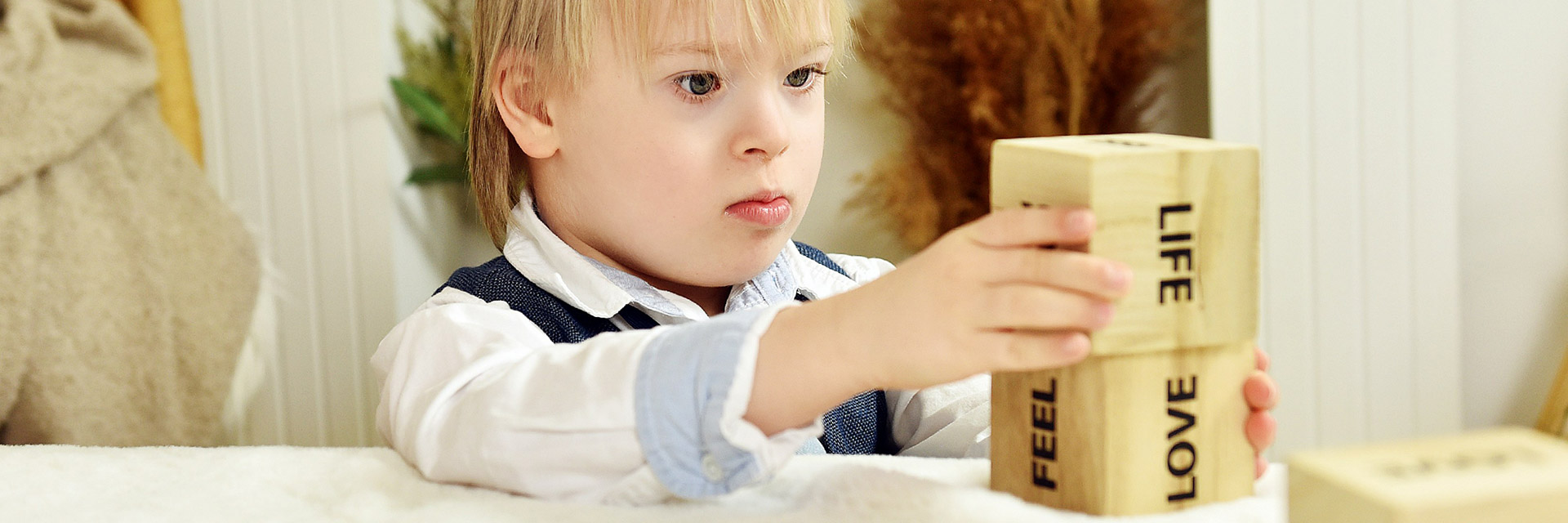
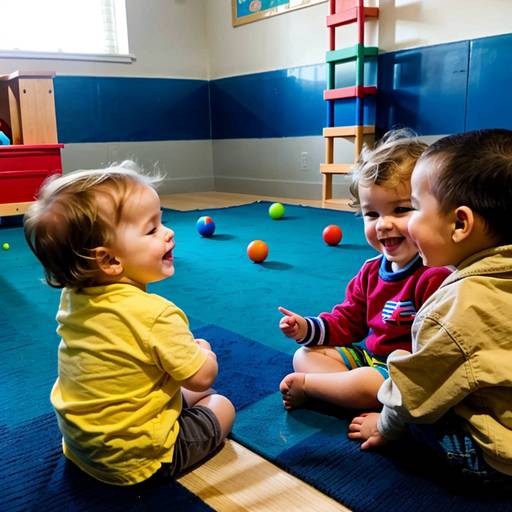
The lesson plan focuses on teaching toddlers about sharing through engaging activities designed to foster cooperation and empathy. It begins with a discussion on the meaning of sharing, supplemented by visual aids to illustrate the concept. A story that emphasizes sharing is read, encouraging interactive discussion among the children.
The main activity involves building something together using blocks, where children are prompted to ask for turns and share materials. This is followed by a music and movement break that encourages interaction between peers.
Children engage in role-playing scenarios that involve sharing toys, allowing them to express feelings associated with both giving and receiving. The lesson concludes with a reflective discussion, inviting children to share their thoughts and experiences about sharing during the activities. Positive reinforcement is emphasized throughout to build confidence in their social skills.