
Filters
Level
Grade
Subject
Subject Area
Subject Topic
Standard(s)
Audience
Keyword
DurationMinutes
Lesson Plans

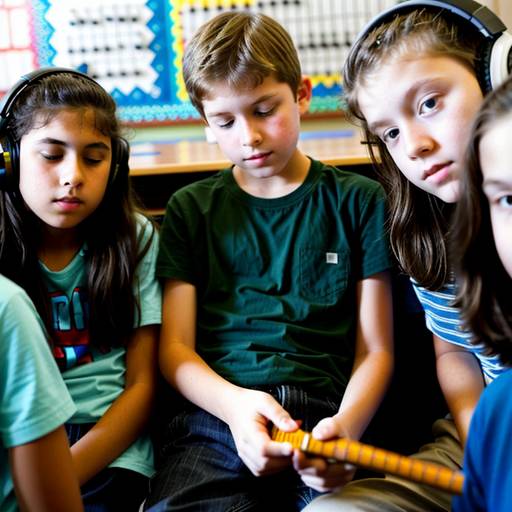
In this fifth-grade music lesson, students will explore the concept of rhythm through engaging activities that enhance their understanding of musical notation and rhythmic patterns. The class begins with an introduction to basic note values, where students will learn to identify and clap different rhythms collaboratively.
Next, students will work in small groups to participate in a rhythm relay, using rhythm cards to create and perform rhythmic patterns for the class. Afterward, they will have hands-on practice with percussion instruments, learning a sequence of rhythmic patterns and participating in a call-and-response activity.
To develop their listening skills, students will engage in an activity where they identify and tap out rhythms from various music tracks. The lesson concludes with a reflective circle discussion, encouraging students to share their experience and insights gained about rhythm. Assessment will involve observing student participation and providing feedback on their group performances. Additionally, students will have the opportunity to extend their learning by creating longer rhythmic sequences or bringing in a favorite song to analyze in future classes.
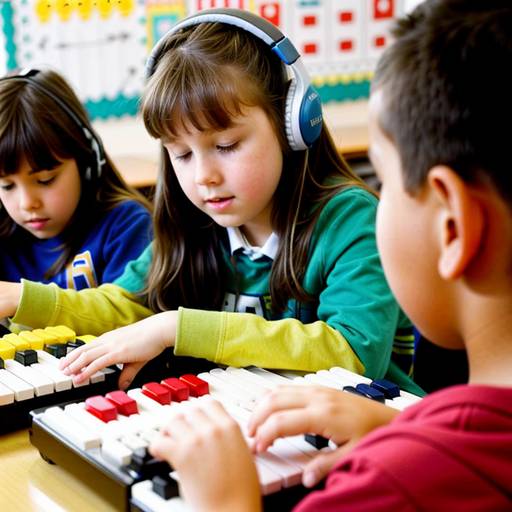
In this 4th-grade music lesson, students will explore the foundations of rhythm and music theory through engaging activities. The lesson begins with a warm-up call-and-response clapping exercise to build rhythmic awareness. Students will learn about key rhythmic notations—quarter notes, eighth notes, and half notes—while discussing their importance in music and daily life.
Following the introduction, learners will practice clapping exercises and then transition to using rhythm instruments in small groups. Each group will create an original 4-beat rhythm pattern, incorporating the learned notation. After practicing their compositions, groups will perform their rhythms for the class, showcasing their understanding of rhythm.
The lesson not only emphasizes collaboration and creativity but also encourages students to identify rhythms in their everyday lives, making the learning experience relevant and applicable. Assessment will be based on participation, rhythm accuracy, and creativity in group performances. Extension activities will provide further opportunities for exploration and complexity in rhythm.
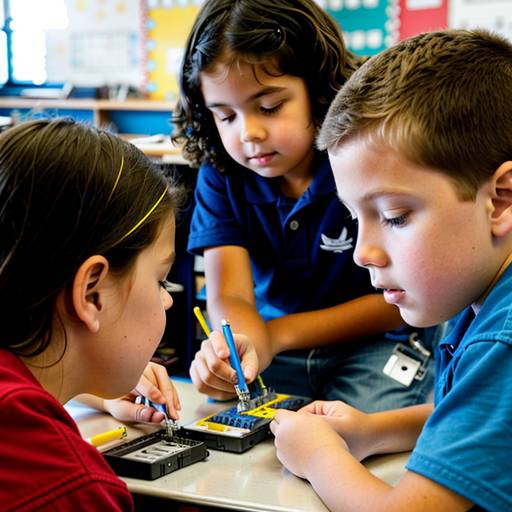
In this third-grade technology lesson, students will explore the importance of device maintenance and basic troubleshooting skills. The session begins with a discussion on why caring for devices is essential, followed by an overview of maintenance techniques such as keeping devices clean, properly charging them, and managing software updates. Students will engage in hands-on activities where they can practice cleaning devices and collaborate in small groups to solve common device issues using provided troubleshooting steps. The lesson concludes with a review of key concepts and the distribution of a Device Maintenance Checklist for students to use at home. This interactive approach aims to empower students with practical knowledge while promoting responsibility for their digital devices. Assessment will take place through observation and the collection of checklists, with opportunities for extension activities that involve creating educational posters or teaching family members about device care.
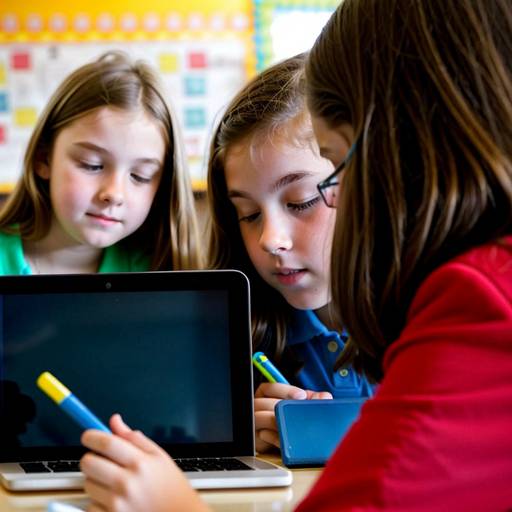
In this 5th-grade technology lesson, students will develop essential internet skills by exploring the basics of search engines and effective research techniques. The class begins with a discussion to gauge students' prior knowledge of search engines, followed by a demonstration on how to conduct effective searches using specific keywords. Students will then participate in guided practice by answering research questions in pairs or small groups, applying the skills they’ve learned to find reliable information.
Following this, each student will select an independent research question, conduct their search, and take notes on their findings, focusing on the credibility of the sources they encounter. The lesson concludes with a group discussion reflecting on their learning experiences, emphasizing strategies for evaluating online information. Students will leave with handouts containing tips for effective searching and a list of reliable sources to support their future research endeavors. Options for extension activities are included for those who finish early, reinforcing the concepts learned and introducing additional elements of digital citizenship.

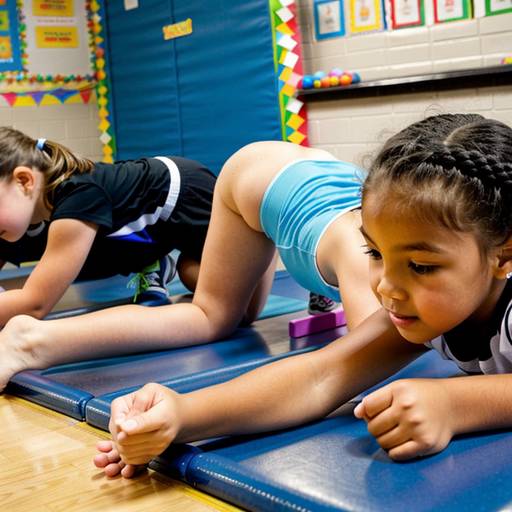
In this 1st Grade Physical Education lesson, students will explore the concepts of fitness and flexibility through engaging activities designed to promote movement and body awareness. The lesson begins with a brief discussion on the significance of fitness and flexibility, followed by a fun warm-up activity, “Simon Says,” featuring various stretches.
Students will then participate in a series of stretching stations, where they will practice fundamental stretches such as toe touches, cat-cow, butterfly stretch, arm circles, and side stretches. After rotating through the stations, the class will engage in a dynamic “freeze dance” activity, allowing them to express movement while periodically stopping to hold different stretches.
The lesson concludes with a circle discussion, where students reflect on their experiences and express how stretching can benefit their bodies. Throughout the session, the instructor will assess student engagement and provide support where needed, ensuring a safe and enjoyable learning environment. Parents will be encouraged to reinforce stretching practices at home through handouts provided by the teacher.
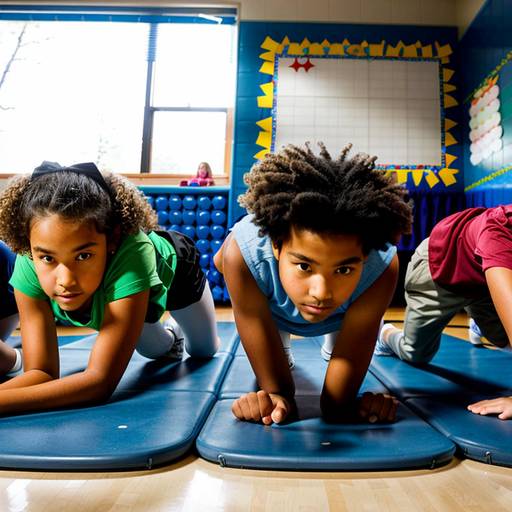
In this 5th grade physical education lesson plan, students will explore the importance of fitness and flexibility through a series of engaging activities focused on stretching techniques. The session begins with a dynamic warm-up that includes students leading stretches in a fun "Follow the Leader" format.
Students will then participate in four stretching stations targeting various muscle groups, where they will perform static and dynamic stretches under guidance. This is followed by a relay race that combines running with designated stretches, reinforcing both fitness and flexibility while promoting teamwork and friendly competition.
The lesson concludes with a calming cool-down session, where students engage in deep breathing and gentle stretches, encouraging mindfulness and relaxation. Throughout the lesson, the teacher will assess students' techniques and participation, emphasizing the benefits of flexibility and encouraging students to incorporate stretching into their daily routines. Adaptations are provided to ensure all students can participate meaningfully, creating an inclusive environment. Additionally, optional extensions encourage ongoing practice beyond the classroom.
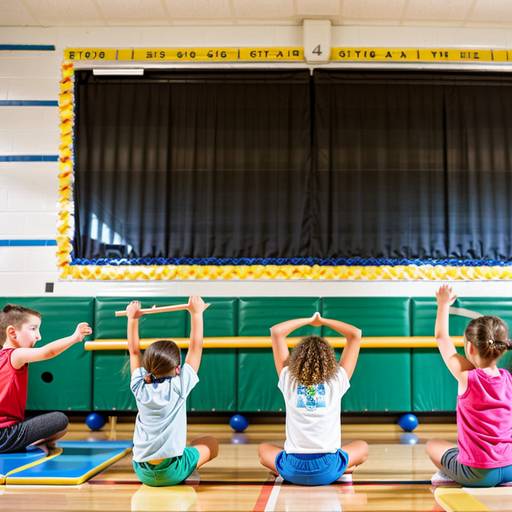
In this 45-minute physical education lesson for 3rd graders, students will explore the concepts of fitness and flexibility through a variety of engaging activities. The lesson begins with a brief introduction to the importance of flexibility for overall health, followed by a dynamic warm-up to get students moving.
Students will participate in a series of stretching stations where they will practice different flexibility exercises, including seated toe touches, butterfly stretches, and standing quadriceps stretches. To reinforce listening skills and make the learning experience fun, a game of Simon Says with flexibility-focused commands will be played.
The lesson concludes with a calming cool-down session that includes deep breathing and gentle stretches, allowing students to reflect on their experiences. Students will share their favorite activities and discuss how they can incorporate flexibility exercises into their daily lives. Throughout the session, instructors will assess participation and engagement while providing modifications to suit various ability levels. Overall, the lesson aims to promote physical health, social interaction, and personal responsibility for fitness in a fun and supportive environment.
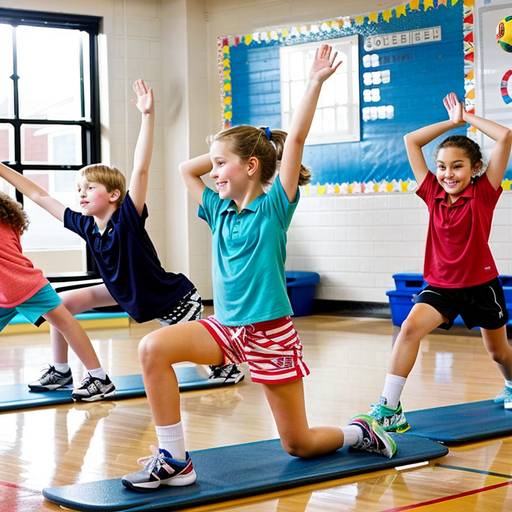
In this 4th Grade Physical Education lesson, students will engage in activities designed to enhance their fitness and flexibility. The lesson begins with a dynamic warm-up to activate muscles, followed by a discussion on the importance of flexibility for physical activity and injury prevention.
Students will participate in a rotation of four stations, where they will practice various stretching techniques using stretching cards, utilize resistance bands for strength and flexibility exercises, challenge their balance and core strength with specific poses, and engage in fun flexibility-based games.
The lesson concludes with a cool-down session, during which students will perform gentle static stretches and reflect on their experiences. Assessment will focus on participation and knowledge retention, with encouragement for students to practice stretching at home. The overall goal is to instill the significance of flexibility in their daily routines and promote a lifelong appreciation for fitness.
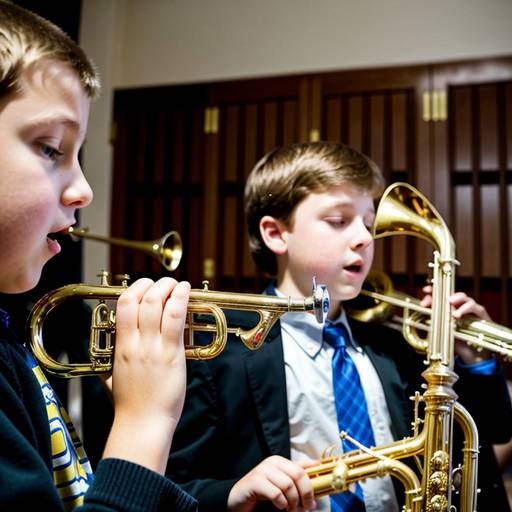
This 5th grade music lesson focuses on brass instruments, aiming to help students identify and describe various types, understand the mechanics of sound production, and explore their roles in different musical genres. The lesson begins with a discussion to activate prior knowledge, followed by visual and auditory exploration of instruments like the trumpet, trombone, tuba, and French horn. Students engage in a hands-on activity where they can experiment with producing sound on available instruments or simulate playing with "air" instruments.
In small groups, students research specific brass instruments using provided fact sheets, culminating in short presentations to share their findings with the class. The lesson concludes with a reflection on what students learned, reinforced by a worksheet to be completed at home. Participation in discussions, group activities, and the quality of presentations will serve as assessment criteria. Optional extensions include inviting a local musician or arranging a field trip to enhance the learning experience.


This lesson plan focuses on enhancing language development and reading readiness for infants and toddlers aged 0-2. Over the course of an hour, students will engage in activities designed to strengthen their listening skills and stimulate their vocabulary. Beginning with a welcoming song, the lesson flows into an interactive storytime featuring a colorful board book, where the educator encourages participation through questions and gestures. Following the story, a lively puppet show or rhyme activity allows infants to mimic sounds and movements, fostering interaction and language use.
The plan also incorporates sensory exploration with soft and crinkly books, inviting infants to touch and discover the textures and images. A simple craft activity allows infants to express their creativity by making their own “stories” with crayons and paper, reinforcing their connection to storytelling. The session concludes with a closing circle where children can share their creations and reflect on their favorite moments, wrapped up with a calming song to create a soothing end to the experience. Caregiver involvement is encouraged, emphasizing the importance of reading at home to cultivate a lasting love for books and language.