
Filters
Level
Grade
Subject
Subject Area
Subject Topic
Standard(s)
Audience
Keyword
DurationMinutes
Lesson Plans

In this preschool visual arts lesson, children will engage in creative expression by designing their own colorful paper mosaics. The session begins with a group discussion about colors and patterns, followed by a demonstration on how to cut construction paper into shapes and glue them onto a poster board to form their unique artworks. Children will have 15 minutes to explore their creativity, focusing on individual choices of colors and arrangements.
Afterward, participants will reconvene to share their creations, fostering communication and reflection on their artistic process. The lesson concludes with a clean-up activity, reinforcing responsibility and teamwork. To further extend the learning experience, children may create a mosaic project at home representing their families and share their stories in future sessions. Throughout the lesson, emphasis is placed on developing fine motor skills, imaginative thinking, and appreciation for individual creativity.
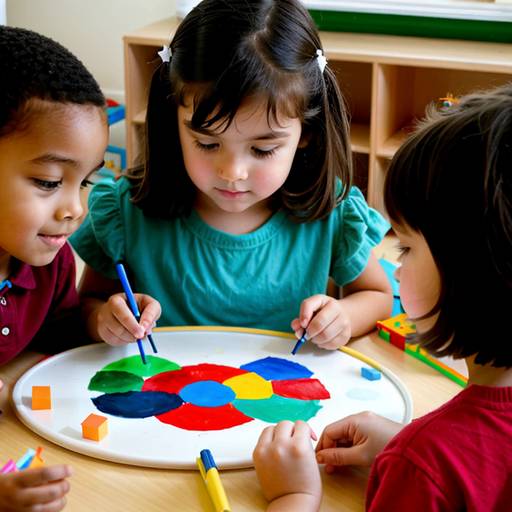
This preschool lesson plan focuses on integrating technology with art to foster creativity and self-expression among young learners. The session begins with a storytelling segment that introduces the concept of using technology in artistic creation. Children then participate in a hands-on activity where they explore digital drawing apps on tablets, encouraging familiarity with technology while developing their fine motor skills. Following this, they transition to creating physical artwork using traditional art supplies, allowing them to reimagine their digital creations. The children showcase their work in a gallery walk and engage in group discussions to reflect on their experiences. The lesson concludes with a brief story reinforcing the themes of creativity and imagination. Extension activities and adaptations are included to cater to various skill levels, ensuring an inclusive experience for all students.

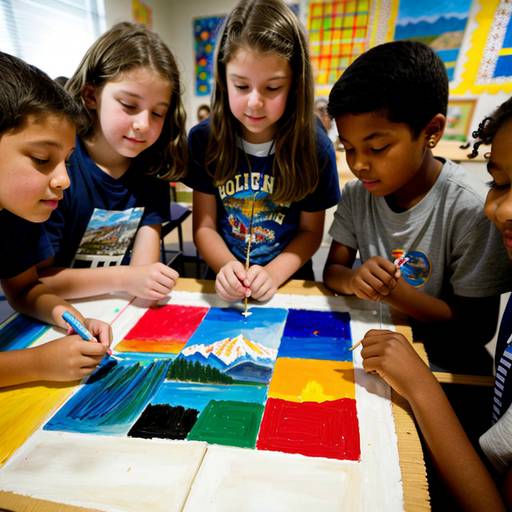
In this art lesson plan for 5th-grade students, the focus is on exploring significant art movements throughout history while encouraging hands-on creativity. The lesson spans two class periods, beginning with an introduction to various art movements such as Renaissance, Impressionism, Cubism, and Pop Art. Students will engage in a group activity where they research and present the characteristics and historical context of their assigned movement.
In the second class, students will select an art movement that interests them and create their own original artwork inspired by it. The process emphasizes using techniques specific to their chosen style. A gallery walk will be held, allowing students to display their work and discuss how their creations reflect the influence of the historical context.
The lesson promotes collaboration, critical thinking, and artistic expression while assessing participation, creativity, and reflection on learning outcomes. Additionally, there are opportunities for extensions and adaptations to support diverse learners.
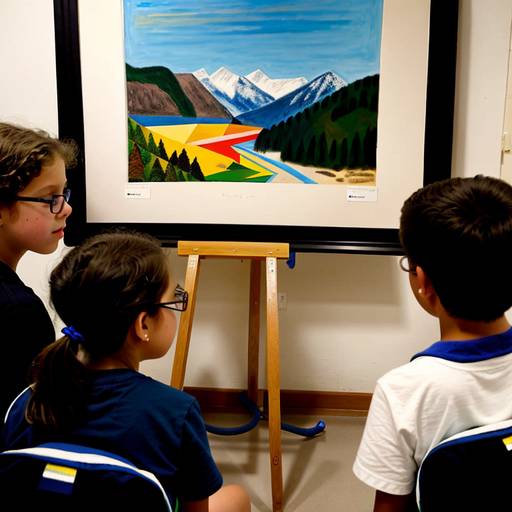
In this 4th-grade art lesson, students will explore various art movements and the historical contexts behind them, emphasizing how artists use their work to tell stories about their societies. The lesson begins with an introduction to different art movements, featuring visual examples and discussing the themes represented in notable artworks. Students will then work in small groups to delve deeper into their assigned movement, identifying key characteristics and themes. After presenting their findings to the class, each student will create their own artwork inspired by the movement they studied, incorporating relevant techniques and storytelling elements. The lesson concludes with a gallery walk where students share their creations, provide feedback to peers, and reflect on their learning experiences. Assessment will focus on participation, creativity, and effort throughout the activities. Extensions include inviting a local artist for a talk or creating a class mural, fostering further engagement with the topic.


This lesson plan focuses on promoting language development in infants through babbling activities. Aimed at infants aged 6-12 months, the session begins with a warm greeting song, creating an inviting atmosphere for infants and caregivers. It includes various sound imitation exercises where caregivers model babble sounds, encouraging infants to respond vocally.
Activities feature the use of rattles and soft toys to stimulate auditory engagement and social interaction. An interactive storytime with colorful books enhances visual and auditory stimulation, prompting infants to express their vocalizations. Free play allows infants to explore sounds independently while caregivers encourage their babbling.
The session concludes with a closing circle where infants share their favorite sounds, followed by a calming lullaby. Caregivers receive tips for continuing to foster babbling at home, ensuring the learning experience extends beyond the session. Overall, this plan emphasizes the importance of vocal exploration and caregiver engagement in supporting early language skills.

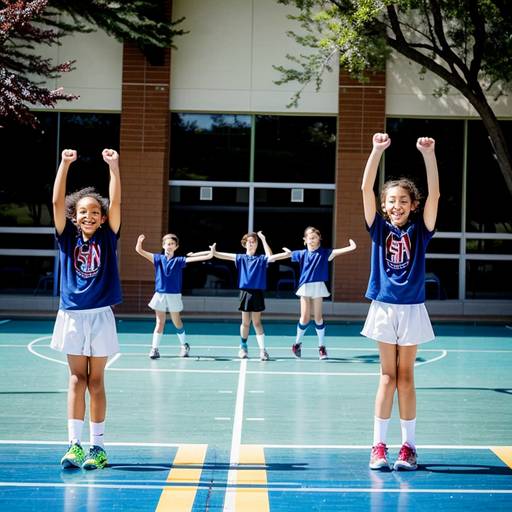
This 5th-grade physical education lesson focuses on developing coordination and balance through engaging group activities. The lesson begins with a dynamic warm-up, preparing students physically and mentally for the day's exercises.
Students are divided into small groups and rotate through a series of activity stations designed to enhance their skills. These stations include walking across balance beams, balancing while catching beanbags, dribbling through cones, navigating an obstacle course, and participating in partnered balance challenges. Each activity emphasizes maintaining control and stability while having fun.
The lesson concludes with a cooldown period featuring stretches and a group discussion where students reflect on their experiences, share what they enjoyed, and recognize the importance of balance and coordination in various contexts. Informal observation and peer feedback will help assess students' progress.
Extensions encourage students to apply these skills in other settings, while modifications ensure inclusion for all learners. Overall, the lesson aims to build confidence and enhance physical capabilities in a supportive environment.
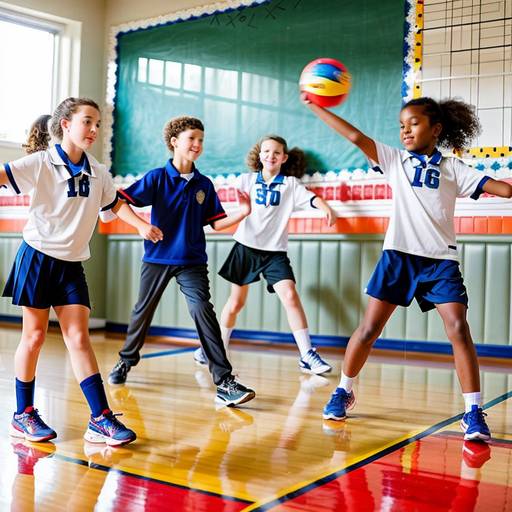
In this 4th-grade Physical Education lesson, students will engage in activities that enhance their balance and coordination skills through gymnastics-inspired exercises. The class will begin with a dynamic warm-up involving stretches and movement sequences set to music. Following the warm-up, students will rotate through three interactive stations focused on balance beams, jumping hurdles, and team challenges that promote cooperative learning.
At each station, students will practice essential skills, such as walking on a beam, jumping with precision, and creating short routines with their peers. After the station activities, the class will cool down with static stretches and a group discussion, where students can share their experiences and goals for improvement.
Throughout the lesson, safety measures will be emphasized to prevent injuries, and adaptations will be provided for students with different abilities. Overall, this engaging lesson aims to foster physical fitness, teamwork, and self-expression in a supportive environment.
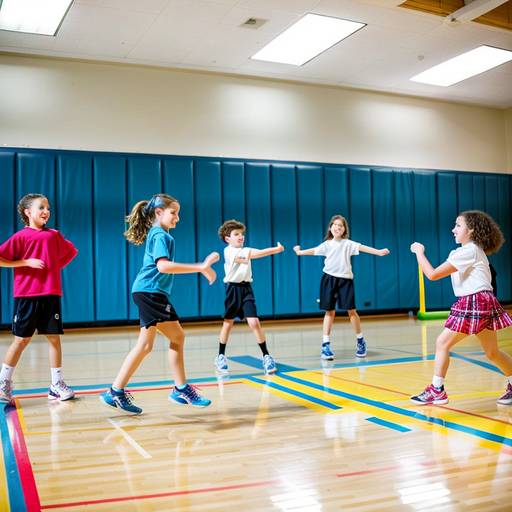
In this physical education lesson designed for 3rd graders, students will develop their coordination and balance through a variety of engaging activities. The lesson begins with a dynamic warm-up involving fun movement to music, followed by a series of balance stations, each focused on different skills. These stations include walking on balance beams, balancing in hula hoops, navigating a zigzag cone course, and tossing scarves with partners while standing on one leg.
Students will then participate in a team-based balance relay race, where they will encourage each other while completing a course that combines various balance challenges. The lesson concludes with a cool-down period that includes slow walking and group reflection, allowing students to share their experiences and learnings. Throughout the session, the instructor will assess student participation and offer feedback, ensuring a focus on safety and inclusivity. As a fun extension, students are encouraged to practice balance activities at home and share their experiences in subsequent classes.

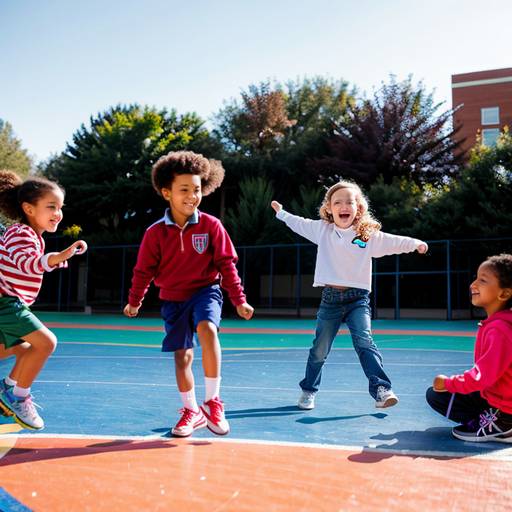
This preschool physical education lesson plan focuses on developing balance and coordination skills through a variety of engaging activities tailored for young children. The session lasts 98 minutes and begins with a dynamic warm-up where students mimic animal movements to increase their heart rates and promote physical engagement. After an introduction emphasizing the importance of balance and coordination, the children participate in five different activity stations, each designed to challenge their skills through fun tasks such as walking within hula hoops, balancing beanbags, traversing balance beams, jumping rope, and weaving through cones.
Following the station rotations, students engage in a team-based relay race that incorporates various balance challenges, encouraging teamwork and camaraderie. The lesson concludes with a cool-down period featuring light stretches and a reflective discussion where students share their experiences and favorite activities. To reinforce the skills learned during the session, students are encouraged to practice balance exercises at home. Overall, the lesson aims to foster physical development in a playful and supportive environment.
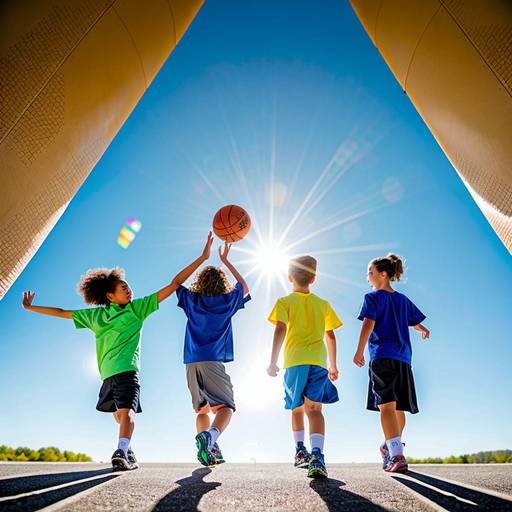
This 5th-grade physical education lesson focuses on developing balance and coordination through gymnastics and sports-related activities. The session begins with a warm-up that includes dynamic stretching and light jogging to raise students' heart rates. The main part of the lesson teaches students essential gymnastic skills such as balancing on low beams and executing forward and backward rolls on mats.
Students then engage in a team relay challenge, rotating through three stations that emphasize different skills: balancing on a beam, hula hoop walking, and rolling followed by sprinting. Each team member participates in the relay, fostering teamwork and encouraging friendly competition. The lesson concludes with a cool-down period featuring gentle stretches and group reflection, allowing students to discuss their experiences and challenges throughout the activities. Overall, this lesson promotes physical fitness, skill development, and cooperative learning in a dynamic and enjoyable setting.