
Filters
Level
Grade
Subject
Subject Area
Subject Topic
Standard(s)
Audience
Keyword
DurationMinutes
Lesson Plans

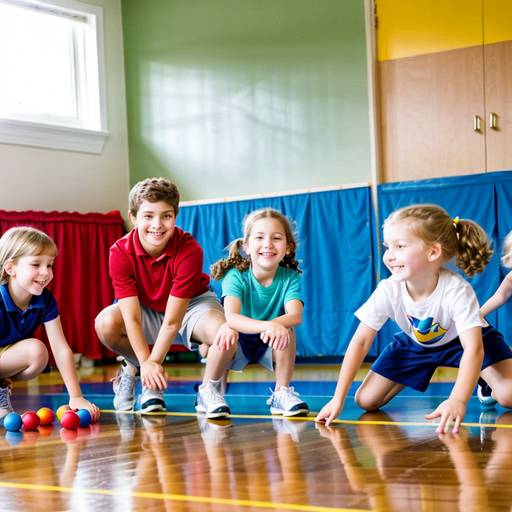
In this preschool physical education lesson, students engage in a variety of activities designed to enhance their balance and coordination skills over a duration of 98 minutes. The session begins with an introduction and warm-up, where children learn about the importance of balance through simple discussions and dynamic movements.
Next, they participate in a balance beam challenge, practicing walking across beams and trying different movements while maintaining their balance. After a brief animal-themed movement transition, students navigate an obstacle course that includes crawling, hopping, and balancing, promoting coordination in a fun and encouraging environment.
Following a healthy snack break, the group engages in cooperative games such as "Musical Spots" and "Balance Relay," further developing their skills while fostering teamwork. The lesson concludes with gentle stretching to cool down and a closing circle where students reflect on their favorite activities and their experiences. Throughout the session, emphasis is placed on movement, social interaction, and the joy of physical activity.


This lesson plan focuses on enhancing toddlers' gross motor skills through engaging balancing activities. Designed for children aged 2-4, the session lasts 30-40 minutes and includes various activities that promote coordination, stability, and body awareness.
The lesson begins with an introduction to balancing, where children learn its importance through fun demonstrations. A warm-up featuring imaginative animal walks prepares them for the main activities. The core segment consists of multiple balance stations, including walking on balance beams, navigating through hula hoops, balancing beanbags on their heads, and weaving between cones. Each activity encourages children to develop their balancing abilities in a playful environment.
To reinforce the skills learned, a group activity, like balancing freeze dance, allows children to express creativity while fostering coordination. The session concludes with a cool-down period that involves gentle stretching and reflection, encouraging children to share their experiences and challenges.
Safety is prioritized throughout the lesson, with supervision and proper equipment ensuring a secure environment for exploration. Overall, the plan is designed to provide a fun, interactive experience that supports toddlers in developing essential gross motor skills through balancing.

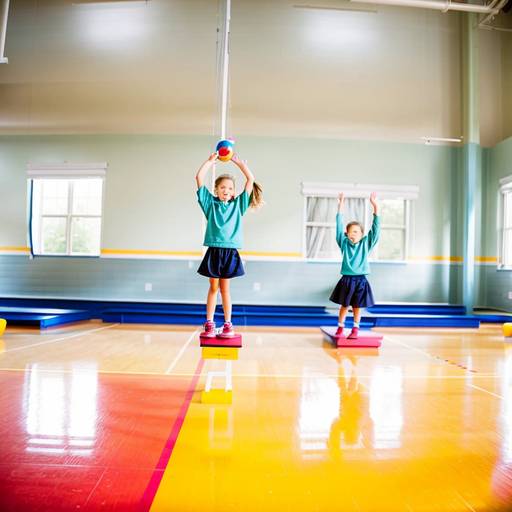
This Kindergarten Physical Education lesson focuses on developing coordination and balance through engaging activities. The session begins with a warm-up involving movement and balance exercises to prepare students physically and mentally. Students then participate in a series of activities, including a relay race using hula hoops, where they practice jumping in and out while fostering teamwork.
Next, they navigate balance beams to enhance their stability and concentration through various movements, with safety mats provided for protection. The lesson also includes a bean bag toss challenge, encouraging hand-eye coordination while maintaining balance by standing on one foot.
The class concludes with a cool-down session that incorporates gentle stretches and a sharing circle, allowing students to reflect on their experiences. Throughout the lesson, instructors observe student participation and provide positive reinforcement, ensuring a fun and supportive environment. Extensions to the lesson include the creation of an obstacle course for further practice at home. Safety is emphasized, with modifications available to cater to diverse skill levels.


This lesson plan is designed for infants aged 12 to 24 months, focusing on developing balance and coordination through playful activities. The session begins with a warm-up song to engage the infants and get them moving. Key activities include walking along a low balance beam to practice balance, stepping in and out of hula hoops to enhance coordination, and participating in a gentle tossing game with lightweight balls or beanbags to improve hand-eye coordination. The lesson concludes with a free dance session using colorful scarves, promoting rhythmic movement and coordination.
Throughout the lesson, educators emphasize safety and provide support where needed, ensuring that each infant is appropriately challenged based on their developmental level. The session ends with a calming circle discussion about favorite activities, fostering communication and relaxation. Educators observe each infant's engagement and provide encouragement, aiming to boost confidence while enhancing motor skills in a fun and interactive manner. Overall, the plan offers a structured yet flexible approach to supporting the physical development of infants through movement and play.
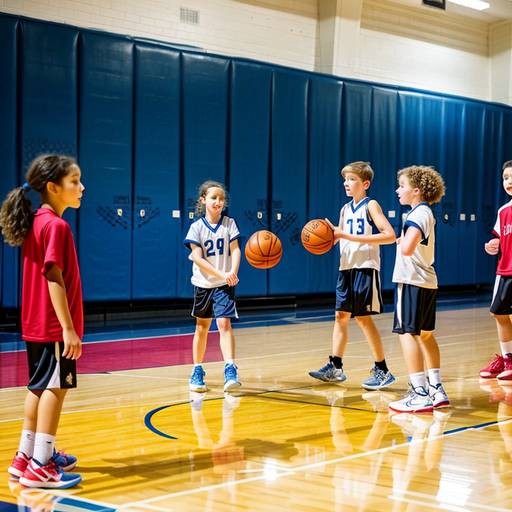
This physical education lesson for 3rd grade students focuses on basic basketball skills, including dribbling, passing, and shooting. The class begins with a dynamic warm-up that prepares students physically for the activities ahead. Students then learn proper dribbling techniques while navigating around cones, enhancing their ball control and spatial awareness. Following the dribbling practice, they engage in a partner passing drill where key passing techniques such as the chest pass and bounce pass are demonstrated and practiced.
Next, students receive instruction on shooting form, emphasizing the importance of stance and follow-through, and then take turns practicing shots at the basketball hoop. The lesson concludes with a cool down that involves static stretches, along with a group discussion that encourages reflection on what they learned. Teachers assess student performance through observation during drills and provide feedback to promote improvement. Modifications are available for students who may need extra support, ensuring that all participants engage successfully in the lesson.
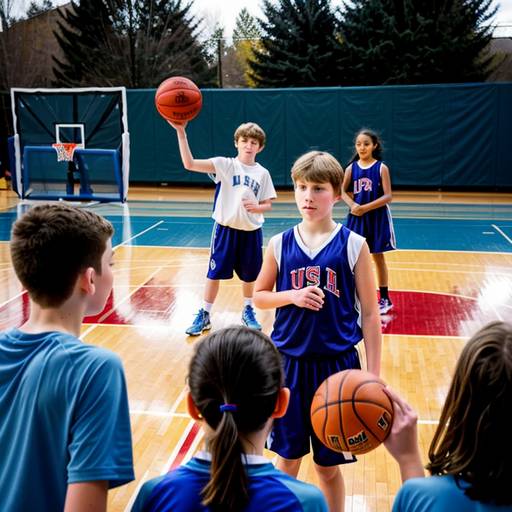
In this 60-minute physical education lesson tailored for 5th-grade students, the focus is on developing fundamental basketball skills, including dribbling, passing, and teamwork. The session begins with dynamic warm-up exercises to prepare students physically. Following this, students engage in a structured dribbling drill, maneuvering through cones to enhance their control and coordination. They then partner up to practice chest and bounce passes, emphasizing key techniques such as eye contact and follow-through.
The main activity consists of a modified three-on-three basketball game, where teams must complete a certain number of passes before shooting, reinforcing the importance of teamwork and cooperation. The lesson concludes with a cool-down session that includes muscle stretching and a reflection discussion about the skills learned and experiences during the games.
Throughout the lesson, students are observed and assessed on their skill development, teamwork, and participation. Opportunities for future extension include mini-tournaments and the introduction of defensive strategies in subsequent classes, ensuring continued engagement and skill growth in basketball.
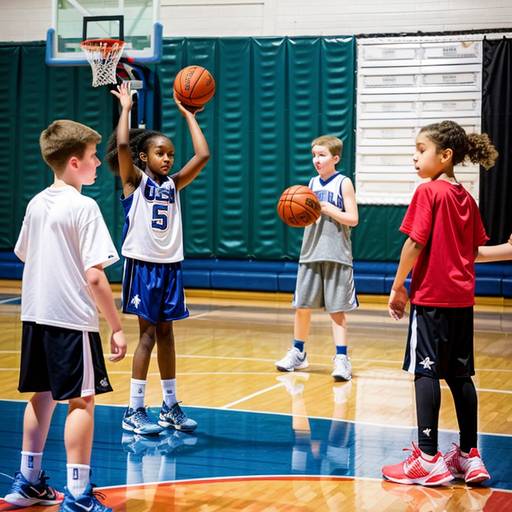
In this 60-minute physical education lesson for 4th-grade students, the focus is on teaching fundamental basketball skills while promoting teamwork and sportsmanship. The lesson begins with an introduction to the basic rules of basketball, followed by a dynamic warm-up to prepare the students for physical activity.
Students then rotate through skill stations, where they practice dribbling through obstacles, executing passing techniques with partners, and refining their shooting form. After skill development, students participate in a mini-game that allows them to apply what they've learned in a team setting, encouraging collaboration and strategic play.
To conclude, the class cools down with light walking and stretching, followed by a reflection discussion to share their experiences and thoughts on teamwork. Throughout the lesson, the teacher assesses student performance and provides feedback, ensuring that all students are engaged and supported. Adaptations are included to accommodate varying skill levels, making the lesson inclusive for all participants.


This lesson plan focuses on teaching toddlers the essential skills and concepts related to toileting. Aimed at children aged 2-4 years, the session begins with an engaging storybook that introduces the topic and highlights the importance of using the toilet. Interactive discussions follow, allowing children to share their experiences and feelings about toileting.
Visual demonstrations reinforce the steps involved in using the toilet and proper hygiene practices. Hands-on practice includes role-playing scenarios using toy toilets or dolls to simulate the process, promoting familiarity and confidence. Emphasis is placed on the importance of washing hands afterward, with a fun song incorporated into the handwashing routine.
The lesson concludes with a recap of what was learned, rewarding participation with stickers or stamps to encourage positive reinforcement. Children are invited to share their newfound knowledge with family members, fostering a connection between home and school. Observations throughout the lesson serve to assess understanding and readiness. Overall, this engaging approach aims to empower toddlers with the skills and confidence to master toileting independently.
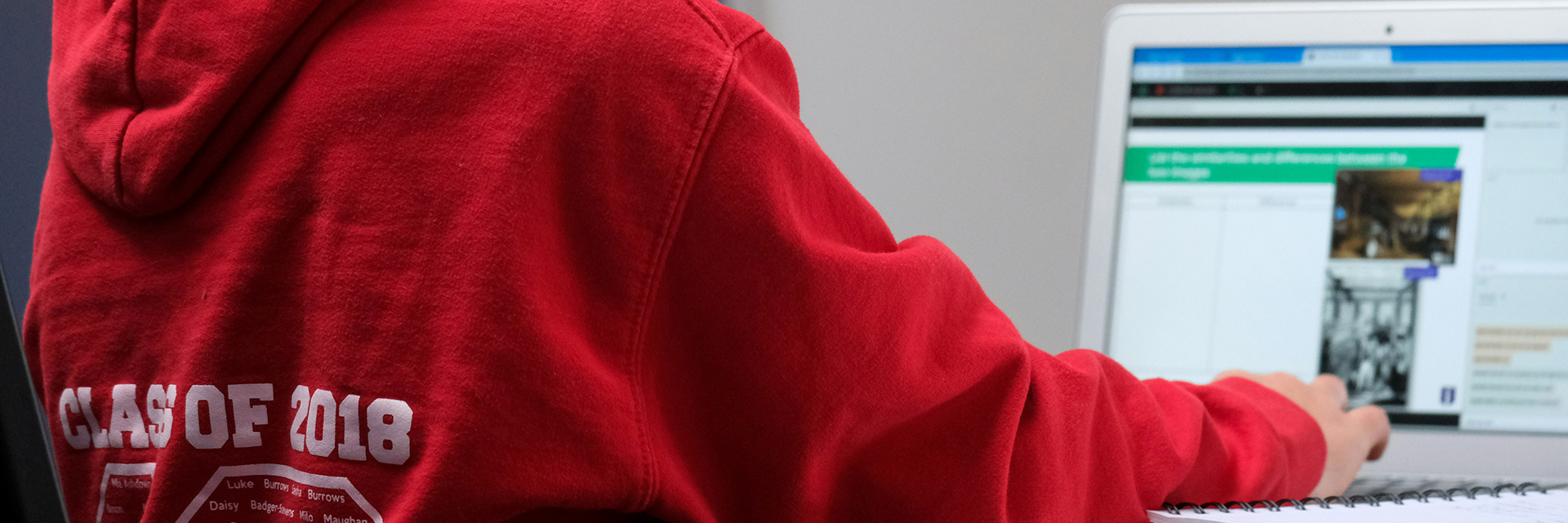
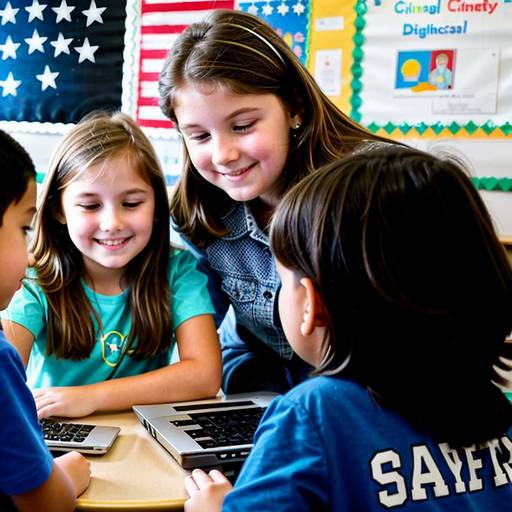
This 1st Grade Technology lesson focuses on teaching students about digital citizenship and online safety. The objective is to help students understand key concepts related to being responsible, respectful, and safe while using technology. The lesson begins with an engaging discussion about being good friends online, followed by a read-aloud of a story that illustrates important online safety themes.
Students participate in a discussion that emphasizes the importance of protecting personal information and understanding digital footprints. They then engage in a hands-on activity where they categorize different scenarios as "Safe" or "Not Safe" to reinforce their learning. The lesson concludes with a summary of key points and encourages students to think of actionable steps they can take to promote safe online behavior. Throughout the lesson, student participation is observed to assess their understanding, and extensions are suggested for further learning and reinforcement at school and home.
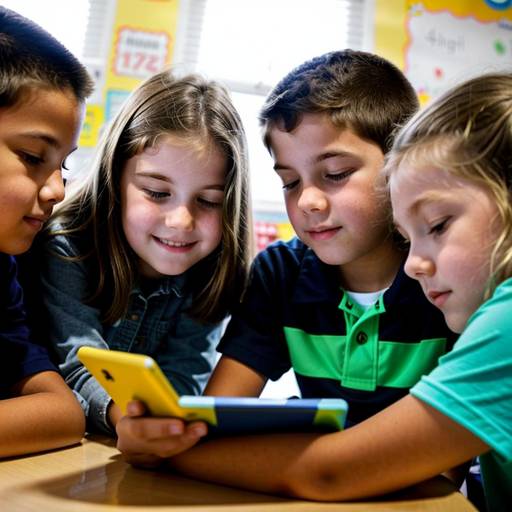
In this 4th-grade technology lesson, students will explore the concepts of digital citizenship and online safety through interactive discussions and group activities. The lesson begins with an engaging introduction where students share their thoughts on digital citizenship, followed by a presentation covering key aspects of online safety, such as protecting personal information and recognizing online dangers.
Students will participate in a Think-Pair-Share activity to reflect on their online experiences before working collaboratively in small groups. Each group will analyze various scenarios depicting safe and unsafe online behavior, determining the best practices for online interactions. They will create short skits based on these scenarios to present to the class, facilitating further discussion.
The lesson concludes with a class reflection on learned strategies for staying safe online, as well as an exit ticket activity where students can express what they've learned and any remaining questions. The lesson emphasizes critical thinking, responsibility, and the importance of being informed digital citizens. An extension activity challenges students to create digital posters or slideshows about online safety to share with the wider school community.