
Filters
Level
Grade
Subject
Subject Area
Subject Topic
Standard(s)
Audience
Keyword
DurationMinutes
Lesson Plans
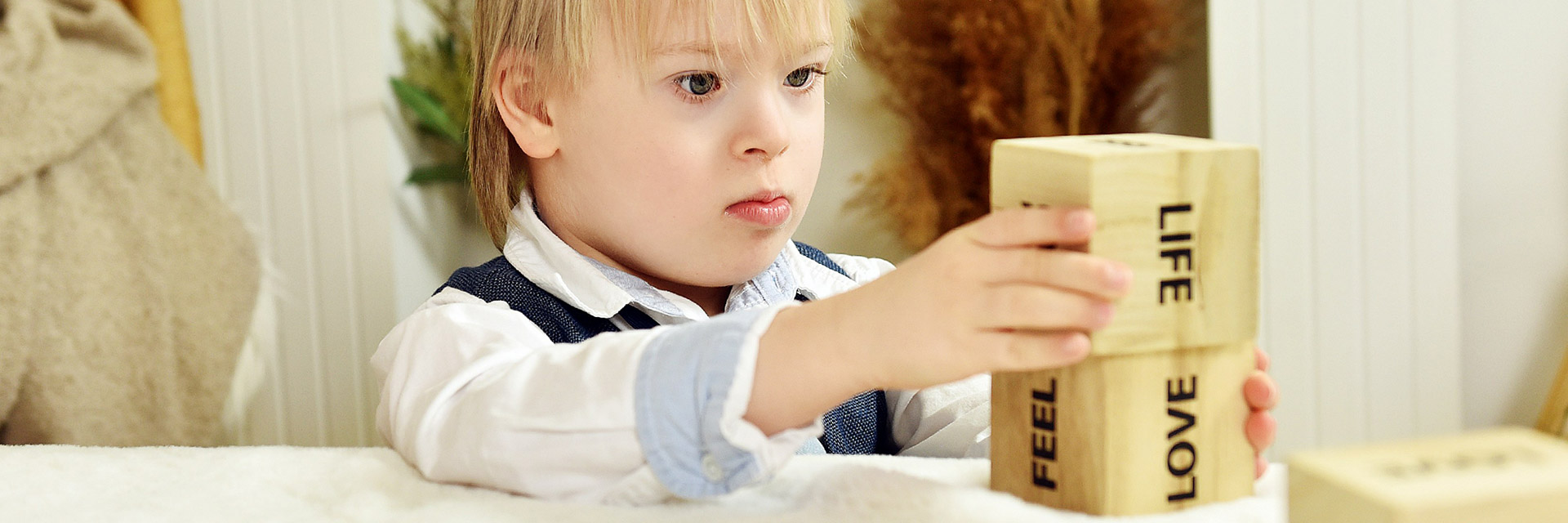
In this toddler lesson plan, children will explore the importance of sharing through various interactive activities that promote social skills and cooperation. The session begins with a gathering circle where a story about sharing is read, setting the stage for understanding the concept.
Following the story, the children will participate in a toys sharing circle where they practice taking turns with assorted toys, guided by a musical stop-and-go signal to enhance their engagement. They will also pair up for a turn-taking game, fostering both connection and communication with peers.
Additionally, the lesson includes a creative component where children make friendship bracelets, encouraging them to share beads with one another to strengthen their collaborative spirit. To conclude, children will reflect on their experiences in a circle discussion, highlighting what they learned about sharing. The lesson wraps up with a fun song about friendship, reinforcing the day's theme in a joyful manner. Throughout the activities, observations will be made to assess children's willingness to engage and share with their classmates. Parents will also receive recommendations for continuing the conversation about sharing at home.
This lesson plan focuses on developing communication skills among toddlers aged 2-3 years through interactive and engaging activities. The session is structured to last between 30-45 minutes and includes several key components.
The lesson begins with a circle time where children are welcomed through a song and introduced to different emotions using communication cards. A storytelling segment follows, during which a picture book is read aloud, encouraging toddlers to participate verbally and discuss characters' feelings.
Next, the children engage in role-play activities at various play stations, using toy props to practice verbal expressions of their needs and emotions. A turn-taking game reinforces communication skills, allowing each child to practice speaking as they participate.
The lesson concludes with an art activity where toddlers draw something that makes them happy and share their artwork with the class, further fostering their verbal communication in a supportive environment. The session wraps up with a reflection and a goodbye song, reinforcing the day’s learning experiences. Throughout the lesson, children are encouraged to express themselves and engage with their peers, laying the groundwork for their communication skills.

In this 1st grade social studies lesson, students will engage with the concepts of geography and maps by exploring basic map elements and creating their own treasure maps. The lesson begins with an interactive discussion about maps, where students share their knowledge and experiences. Using a large wall map, the teacher highlights fundamental features such as titles, compass roses, and symbols, while students participate in identifying key geographical elements.
Following this introduction, students work in small groups to collaboratively create and present a simple map of their classroom, reinforcing their understanding of symbols and spatial relationships. In the independent practice segment, each student creates their own treasure map, incorporating various landmarks and symbols to represent their imagined locations.
The lesson concludes with a sharing session where students present their maps, allowing for creative expression and reflection on how maps aid navigation and exploration. Assessment is conducted through observation and evaluation of the treasure maps, ensuring students grasp the lesson's objectives. Extensions and adaptations are included to accommodate different learning needs, enhancing the overall learning experience.

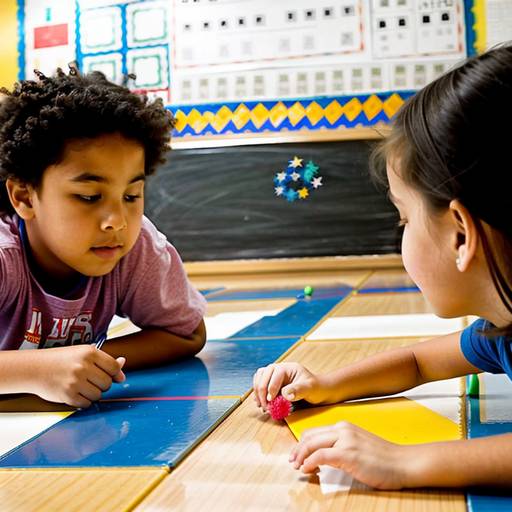
In this 2nd-grade science lesson, students explore the concepts of motion and force through engaging discussions, demonstrations, and hands-on activities. The lesson begins with students sharing their observations of how objects move, which leads to an introduction of the terms "motion" and "force." Teachers demonstrate how different surfaces affect the movement of objects and explain the mechanics of pushing and pulling.
After the introductory discussion, students participate in a group experiment using toy cars and ramps. They set up ramps at various angles to test how far their cars travel when released, measuring the distance and recording their results. Through this activity, students discover the relationship between the angle of the ramp, the force applied, and the resulting motion.
The lesson concludes with each group presenting their findings and sharing their favorite moving objects from home, further reinforcing their understanding of pushes and pulls. Students also create drawings to illustrate their favorite moving objects, labeling them according to the forces involved. Throughout the lesson, students engage collaboratively, fostering a deeper understanding of physical science concepts related to motion.
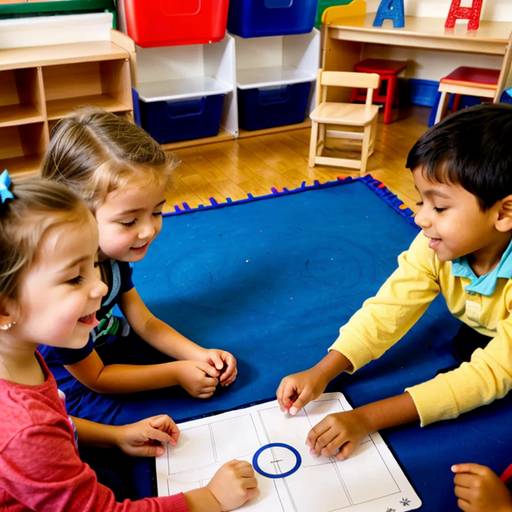
This preschool language lesson focuses on introducing young learners to the basic formation of uppercase letters A, B, and C. The session begins with an engaging introduction, where children are prompted to sing the alphabet song together, fostering excitement about letters.
In the direct instruction phase, the teacher demonstrates the proper techniques for writing each letter, accompanied by the corresponding sounds and example words. Students then have the opportunity to practice letter formation through tracing worksheets, and they engage in a hands-on sensory activity using materials like sand or rice. This tactile experience helps reinforce their writing skills and enhances fine motor development.
For independent practice, children use Playdough to sculpt the letters, allowing for creative expression while reinforcing their understanding of letter shapes. The lesson culminates with a review of the key concepts and an interactive letter-sorting game, allowing students to categorize items based on initial sounds. The lesson concludes with a fun goodbye song, further reinforcing the letters covered during the session. Throughout the lesson, the teacher assesses student understanding through observations and participation, ensuring a supportive and engaging learning atmosphere.
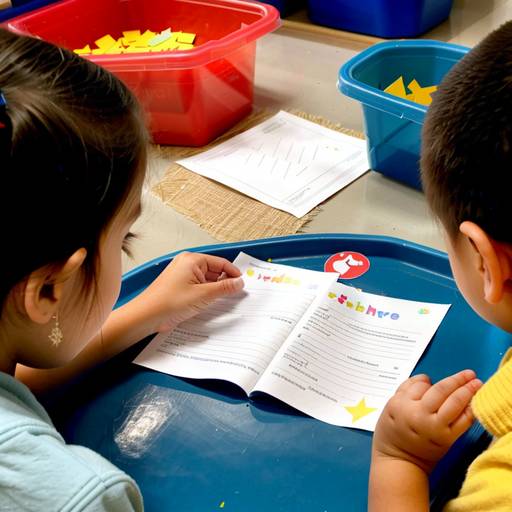
This preschool lesson focuses on developing pre-reading skills through an engaging and interactive activity centered around letter recognition. Children will participate in a fun letter hunt, where they work in small groups to find hidden cut-out letters, reinforcing their ability to identify and name each letter. After the hunt, the groups will gather to share their findings, and a matching game will further enhance their understanding of letters and sound associations.
The lesson includes a read-aloud session with a story that highlights the letters discovered during the hunt, encouraging discussion and interaction. To wrap up the lesson, children will draw their favorite letter or an object that begins with that letter, allowing for creative expression and consolidation of learning. Throughout the session, children are assessed on their participation and understanding, while opportunities for extension activities adapt to varying levels of familiarity with the content.
The overall approach emphasizes teamwork, communication, and a fun-filled exploration of letters, laying a strong foundation for pre-reading skills.
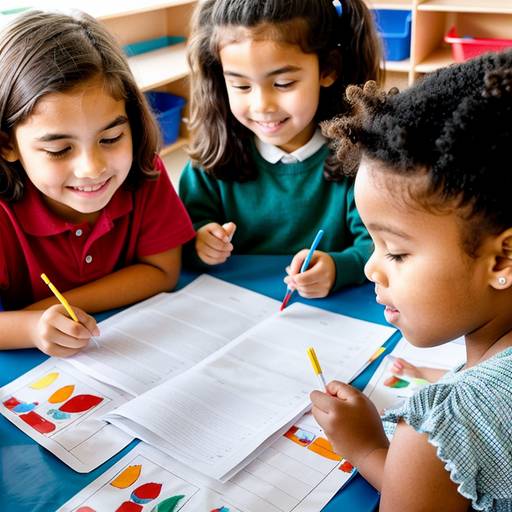
This lesson plan focuses on helping preschool students recognize and identify letters of the alphabet, both uppercase and lowercase. The session begins with a welcoming circle time where children are introduced to the concept of letters and their role in forming words. The children engage with flashcards to name letters and share words associated with them. An interactive letter hunt activity allows them to find and identify letters around the classroom, reinforcing their learning through play.
The lesson continues with a creative art activity, where children select their favorite letter and create drawings related to it. The session concludes with a reflective circle, where students share their work and sing an alphabet song together to reinforce their knowledge. Throughout the lesson, the educator evaluates participation and understanding through observation and engagement. Extension activities encourage further practice at home, fostering continuous learning beyond the classroom. The overall aim is to create an engaging, interactive environment that promotes early literacy skills and a love for letters.

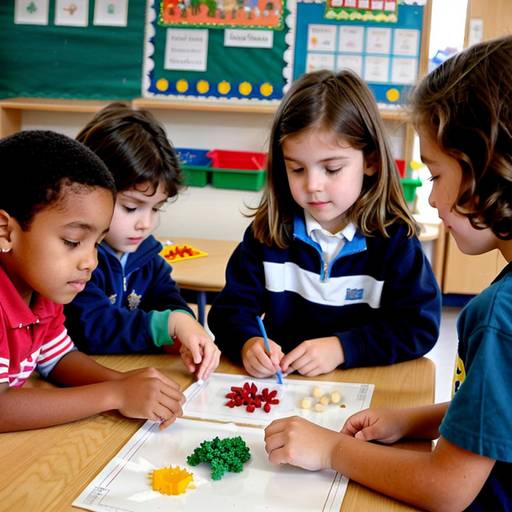
In this preschool lesson, students will explore the concepts of living and nonliving things through engaging discussions, interactive activities, and outdoor exploration. The session begins with a circle time where children share their thoughts on what they believe is alive or not, followed by a direct instruction segment that highlights key characteristics of living and nonliving entities. Through a collaborative sorting activity using picture cards, students will categorize examples and enhance their understanding.
Participants will then have the opportunity to explore their environment, either outdoors or indoors, using magnifying glasses to observe and gather items for further classification. A short interactive story will reinforce the concepts, inviting further discussion among students. The lesson concludes with a reflection circle where students share their discoveries, ensuring they internalize the differences between living and nonliving things. Assessment will occur through observation during activities and discussions, while extensions may include creative collages and songs to further embed the concepts in their learning environment.

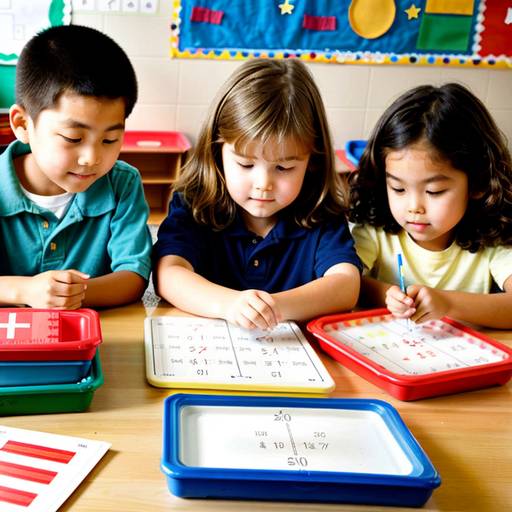
In this kindergarten math lesson, students will explore the concepts of measurement and weight through engaging hands-on activities. The lesson begins with an introduction to the vocabulary terms "light," "heavy," and "balance," accompanied by a demonstration using a balance scale. Students will then work in small groups to weigh various objects, discussing their findings and identifying which items are light or heavy. A class comparison chart will be created to visualize their observations, fostering collaboration and discussion. Following this, students will complete a worksheet where they draw and label one light and one heavy object they explored during the activity. The lesson concludes with a wrap-up discussion to reinforce concepts and vocabulary, providing a comprehensive and interactive learning experience that encourages observation and critical thinking.
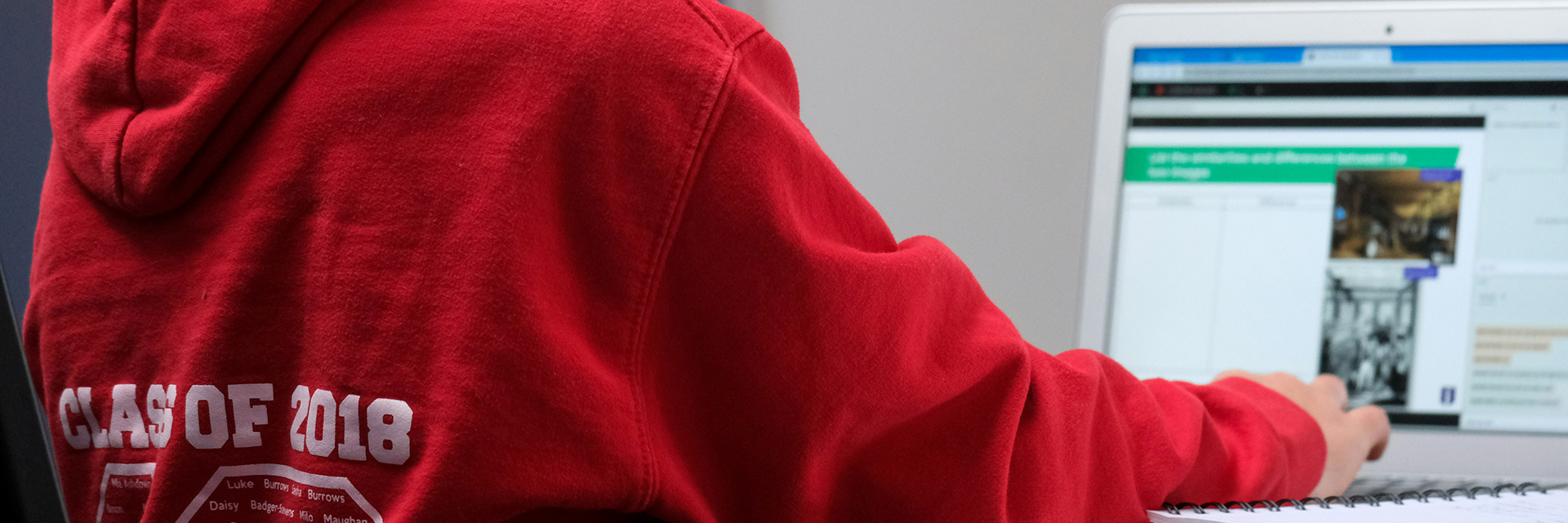
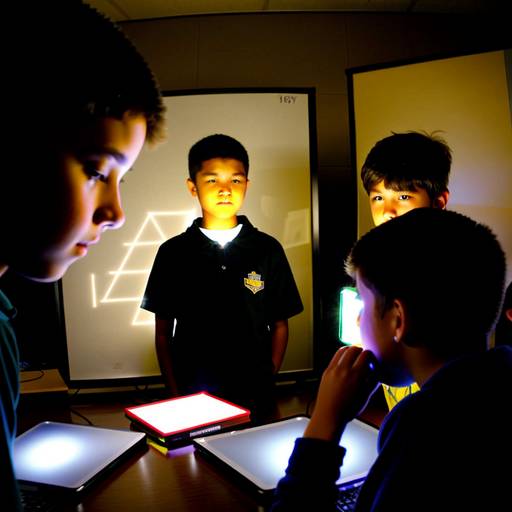
In this lesson plan designed for 5th-grade students, the focus is on introducing the fundamentals of multimedia creation and video editing. Over two class periods, students will work in small groups to plan, create, and edit a short educational video on a topic of their choice. The lesson begins with a discussion about multimedia and video editing, followed by group brainstorming sessions to select topics. Students will engage in storyboarding and scripting, which will guide their recording process. The second class period will be dedicated to capturing video footage and learning to use video editing software to compile and enhance their projects. Each group will present their final video to the class, allowing for peer feedback and questions. Assessment will be based on collaboration, creativity, and presentation skills, and the lesson aims to foster teamwork and communication while enhancing technical skills in multimedia production. Extensions for the lesson may include publishing the videos online or exploring more advanced editing techniques in subsequent lessons.