
Filters
Level
Grade
Subject
Subject Area
Subject Topic
Standard(s)
Audience
Keyword
DurationMinutes
5th Grade Technology Lesson Plans
This lesson plan focuses on teaching 5th-grade students essential skills for effective online research and navigating search engines. The objectives include familiarizing students with key terminology, demonstrating impactful searching techniques, and evaluating the credibility of online sources.
The lesson begins with a discussion about the internet and its purpose, followed by a demonstration of how to use a popular search engine effectively. Students will engage in a group activity where they research assigned topics, emphasizing the importance of using credible sources. Each group will then present their findings to the class, promoting discussion about source reliability and digital citizenship.
To conclude, the lesson reinforces the skills learned and provides a handout with tips for safe and effective internet use. Assessment is based on student participation during the group activity and the quality of their presentations. The plan also includes follow-up activities to encourage further exploration of digital research tools. Modifications are provided to support diverse learners and challenge advanced students.
This lesson plan is designed for 5th-grade students to enhance their understanding of digital citizenship and online safety. The lesson begins with a discussion about students' online activities, transitioning into a video that covers essential safety concepts. Students then explore the idea of digital footprints and their implications through group discussions, followed by an interactive activity where they analyze different online scenarios to devise safe and responsible solutions. The class concludes with a comprehensive wrap-up that highlights key takeaways and encourages personal reflection on improving online safety practices. Assessment of learning occurs through participation, group work, and individual reflections. An extension activity invites students to create digital posters to share online safety tips with their peers, promoting a safer digital environment for all.
In this 5th-grade technology lesson, students will explore the concept of digital footprints and the importance of safeguarding their privacy online. The lesson begins with a discussion about what a digital footprint is and how it is formed, followed by a short video that illustrates the significance of maintaining privacy in the digital world.
After the video, students will engage in a class discussion about safe versus unsafe information to share online, examining the implications of their online actions. They will then work in pairs to analyze various scenarios that pertain to online sharing, identifying which actions are safe or unsafe.
To conclude, students will create a Personal Online Safety Action Plan outlining strategies to protect their privacy and safe online behaviors. The lesson wraps up with students sharing their action plans with the class, reinforcing the importance of responsible digital citizenship and making informed choices while interacting online. Throughout the lesson, students will gain valuable insights into their digital presence and the impact of their online actions, fostering a sense of responsibility as they navigate the internet.
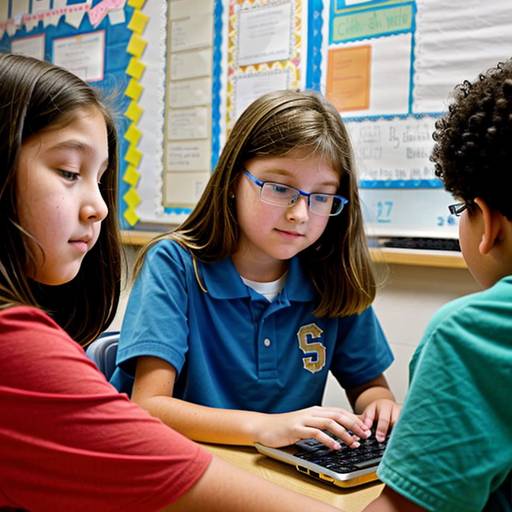
This 5th-grade technology lesson focuses on helping students understand digital citizenship and the issue of cyberbullying. The lesson begins with a group discussion to define digital citizenship and its significance in today’s online environment, followed by an introduction to cyberbullying, including its various forms and impacts on individuals.
Students will watch a short video illustrating cyberbullying and participate in small group activities where they role-play scenarios related to the topic. This exercise encourages them to depict both the bullying incident and a respectful response, promoting positive online behavior.
The lesson concludes with individual reflections in which students express how they can exemplify good digital citizenship and combat cyberbullying. Students will also create awareness posters to reinforce the lesson's concepts in the classroom. By the end of the session, students will have gained valuable insights into responsible online behavior and strategies for addressing cyberbullying.
In this 5th-grade technology lesson, students will develop essential internet skills focused on online research and effective information gathering. The lesson begins with discussions on internet safety and the importance of evaluating the credibility of sources. Students will learn how to identify reputable websites and practice using advanced search techniques to enhance their research capabilities.
Throughout the class, students will gather information, assess the reliability of different online sources, and organize their findings using a structured checklist. They will then have the opportunity to create presentations using their research and share their findings with peers. The lesson emphasizes active participation, critical thinking, and effective communication, preparing students for future research projects in a digital age. Assessment will involve student presentations, worksheets, and group activities that gauge their understanding and application of online research skills.
Extensions of the lesson may include creating detailed reports or infographics based on their research, as well as exploring digital citizenship concepts related to copyright and source attribution. Overall, the lesson aims to equip students with practical skills for navigating the internet responsibly and effectively in their academic endeavors.
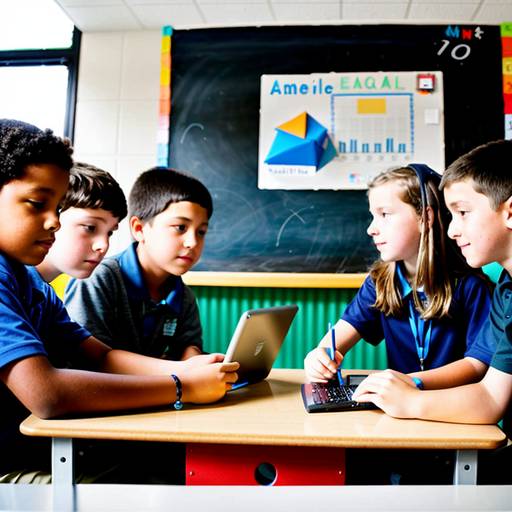
This lesson plan for 5th-grade students introduces the concept of technology and its significance in everyday life while emphasizing technological innovations and the inventors behind them. Students will begin by defining technology and exploring its various forms through a brief discussion and a short video presentation. They will then learn about key technological innovations, focusing on notable inventions and their impact on society.
Using a timeline, the class will discuss the evolution of specific technologies and how these advancements have altered daily activities. In groups, students will identify a real-world problem and brainstorm a simple technological solution, which they will present to the class. The lesson concludes with a recap and a homework assignment that encourages students to envision future innovations. Assessment will be based on participation, group presentations, and the quality of the homework assignment. Adaptations and extensions are included to address diverse learning needs and to encourage further exploration of current technological advancements.
The first day involves introducing the elements of effective presentations through discussion, examples, and a group brainstorming activity where students outline their ideas on chosen topics. They work collaboratively to create mind maps and gain peer feedback on their concepts.
On the second day, students utilize computers to develop their presentations, incorporating various multimedia elements such as images, videos, and audio to enhance their messaging. They participate in a peer review session, providing constructive feedback to one another before finalizing their projects. The lesson concludes with students presenting their projects, followed by a reflection on their learning experience. Assessment focuses on the quality of the presentations, collaboration, and the effective use of multimedia, promoting creativity and communication skills. The plan includes extensions and differentiation strategies to cater to diverse learning needs.

In this 60-minute lesson for 5th graders, students will explore the essential concepts of digital citizenship and the critical importance of online privacy protection. The lesson begins with a discussion on responsible online behavior, transitioning into a focus on why safeguarding personal information is vital. Students will learn how to create strong passwords and navigate privacy settings on popular platforms.
During a group activity, students will analyze various scenarios involving online sharing and assess their safety, ultimately presenting their findings to the class. The lesson concludes with a review of key takeaways and the distribution of a "Privacy Protection Checklist" that outlines practical steps for maintaining online security. Students will be assessed based on their participation in discussions, group activities, and the completion of the checklist.
To reinforce the concepts learned, students will have the opportunity to create a poster or digital presentation as homework, highlighting the importance of online privacy. Overall, this lesson fosters critical thinking about digital behavior while encouraging a proactive approach to privacy in the digital age.

In this technology lesson for 5th graders, students will explore the concepts of internet privacy and the importance of protecting personal information online. The lesson begins with an engaging discussion about what constitutes private information and the significance of maintaining privacy in a digital world. Through direct instruction, students will learn about various privacy settings on popular platforms, using visual demonstrations to illustrate their functions and importance. After creating mock social media profiles, students will practice applying privacy settings, reinforcing their learning in a hands-on manner.
Following guided practice, students will reflect on their understanding of internet privacy by writing a short paragraph about what they learned and how they plan to apply it in their online activities. The lesson concludes with a review of key concepts and an opportunity for students to ask questions. Assessment will be based on participation and the reflections collected, while extensions encourage students to further educate their peers on internet safety. Accommodations will be provided to ensure all learners can fully engage with the material, fostering a comprehensive understanding of how to navigate the internet safely.
This lesson plan for 5th-grade technology focuses on multimedia creation and photo editing. Over two class periods, students will learn the fundamentals of creating digital photo collages that convey a story or theme. The lesson begins with an introduction to multimedia, including a discussion of where students encounter it in everyday life, followed by a demonstration of basic photo editing techniques using software tools. Students will then brainstorm ideas and sketch their collage layouts before gathering images to create their projects.
During the second class, students will engage in hands-on work to develop their collages while practicing the editing skills they learned. They will have the opportunity to collaborate and provide feedback to their peers throughout the creative process. To wrap up the lesson, students will present their collages to the class, discussing the stories behind their images and reflecting on their learning experiences. The assessment will evaluate creativity, technical execution, and adherence to project guidelines, with additional opportunities for presenting their work in a digital gallery format. This lesson not only fosters digital citizenship and creative communication skills but also promotes collaboration and self-expression among students.