
Filters
Level
Grade
Subject
Subject Area
Subject Topic
Standard(s)
Audience
Keyword
DurationMinutes
5th Grade Technology Lesson Plans
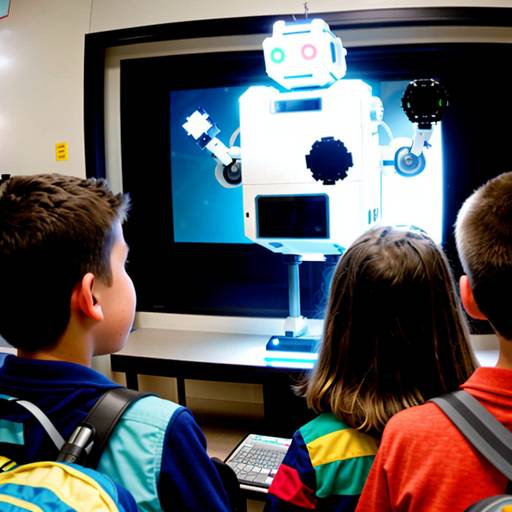
In this 5th-grade technology lesson plan, students will explore the world of robotics and programming through hands-on activities. The lesson is divided into two class periods. In the first period, students will learn about the basic components of robots and engage with building simple robot models using LEGO Mindstorms or EV3 kits. They will also be introduced to fundamental programming concepts such as sequencing and loops, using related coding software.
During the second period, students will apply their learned skills to design and program their robots to navigate a custom obstacle course they created in pairs. They will iteratively test and optimize their code while collaborating and troubleshooting any issues. As a class, students will evaluate each other's robots through demonstrations and peer feedback, promoting critical thinking and teamwork. Assessments will focus on participation, the robot's performance, and a reflective assignment where students will articulate their learning experiences and challenges encountered. Optional extensions will encourage further exploration and creativity in robot capabilities. Overall, the lesson aims to foster an understanding of robotics, coding, and essential collaborative skills.
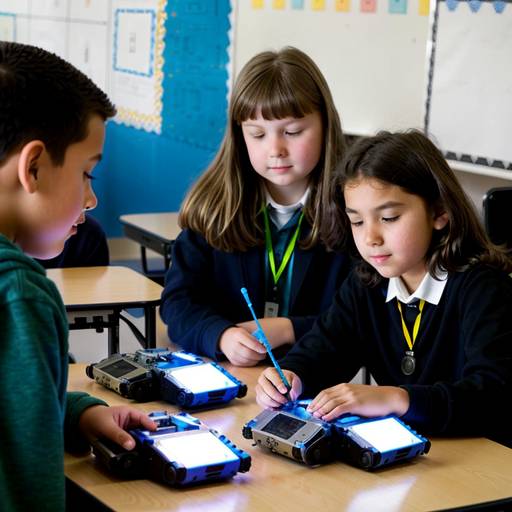
In this 5th-grade technology lesson, students are introduced to the fundamentals of robotics and robot engineering. The lesson spans two class periods and focuses on understanding the components and functions of robots. In the first class, students watch a video about various types of robots, engage in discussions about their applications, and collaborate in small groups to brainstorm problems that a robot could help solve. Each group designs a robot on paper, detailing its features and functions.
In the second class, students build their robots using available kits and programming software, focusing on coding basic functions. After constructing their robots, groups present their designs and demonstrate their functionality to the class, allowing for peer feedback and discussion. Assessment is based on creativity, teamwork, and the robot's performance during presentations.
The lesson encourages collaboration, creativity, and technical skills, while also allowing for extensions like advanced programming concepts. A reflection activity prompts students to consider their learning experiences, challenges faced, and their enjoyment of the project, ultimately helping teachers gauge student understanding and inform future lessons.
In this 5th-grade technology lesson, students explore the world of robotics, focusing on the basic components, functions, and real-world applications of robots across various industries. The first class begins with a warm-up activity where students discuss what they think a robot is, followed by a multimedia presentation highlighting different types of robots and their uses, such as in healthcare and manufacturing.
Students are then grouped to research specific applications of robots, preparing brief presentations to share their findings with the class. In the second class, groups present their research and participate in a hands-on design activity, where they create a model of a robot that serves a particular function related to their research. Each group explains their robot's design and potential applications, fostering collaboration and creativity.
Finally, students reflect on their learning experience, considering the impact of robotics on the future. Assessment focuses on participation, the quality of presentations, and the creativity demonstrated in the robot design. This lesson encourages critical thinking and collaboration while igniting curiosity about technology and innovation.
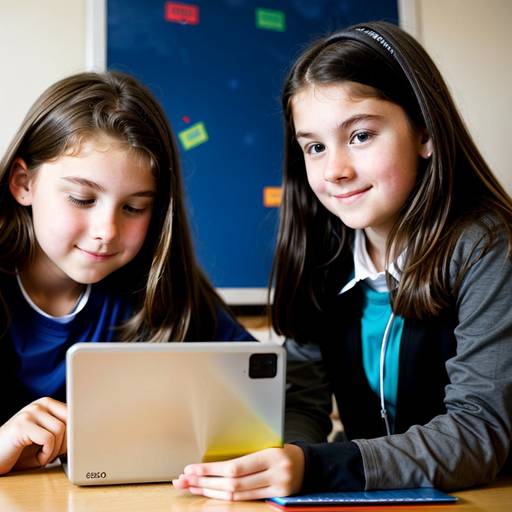
This 5th-grade technology lesson focuses on developing students' internet skills and ensuring their online safety. During the session, students will learn effective search strategies to find reliable information and understand the concept of digital footprints, discussing their long-term implications. Key internet safety tips will be introduced, covering the importance of keeping personal information private and recognizing suspicious online behavior.
The lesson includes a guided practice activity where small groups discuss real-life scenarios related to online safety and complete an Internet Safety Checklist. For independent practice, students will create a digital footprint chart to reflect on their online activities and their potential impacts. The lesson concludes with a review of key concepts and encourages students to share their insights on responsible internet use. Assessment will be based on participation and the completion of handouts, with opportunities for extension through poster creation and follow-up lessons on privacy settings. Overall, the lesson aims to equip students with vital skills for navigating the digital world safely.
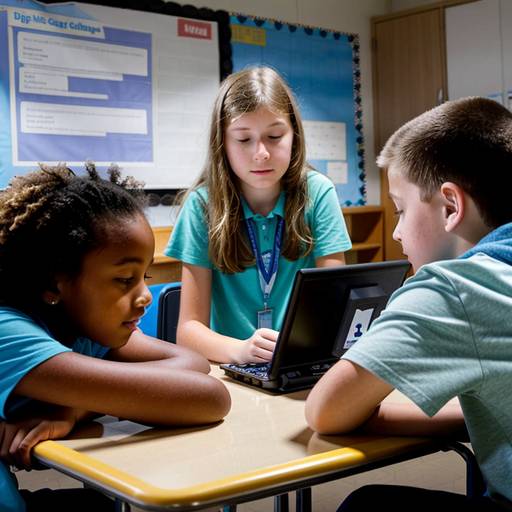
In this 5th-grade technology lesson, students will explore the concepts of digital citizenship and privacy protection. The lesson begins with a class discussion to gauge students' understanding of digital citizenship, followed by a presentation that covers key principles, the types of personal information, and the importance of keeping it private. Students will engage in group activities where they analyze various online scenarios related to privacy and devise appropriate responses to ensure safety. The lesson includes an interactive quiz to reinforce learning and assess understanding. To conclude, students will recap key points and complete a homework assignment involving scenarios that require identifying safe or unsafe actions regarding privacy. Extensions include creating posters with privacy tips and hosting a "Digital Citizenship Day" to share insights. The lesson emphasizes responsible online behavior and aims to equip students with the knowledge needed to protect their personal information in digital spaces.

In this 5th-grade technology lesson, students will explore important internet skills and the principles of netiquette. The lesson begins with a discussion about their online experiences and the significance of staying safe on the internet. Students will learn how to identify trustworthy websites, recognize potential online dangers, and understand privacy settings. The concept of proper online communication will also be introduced, emphasizing the need for respect and kindness in digital interactions.
To reinforce these concepts, students will participate in a group activity where they analyze hypothetical internet scenarios. They will identify potential threats and discuss appropriate responses, highlighting relevant netiquette guidelines. Each group will present their findings to the class. The lesson concludes with a discussion to reflect on what they learned and how they can apply these skills in their online activities, along with a homework assignment requiring them to write about their plans for safe internet use at home. Assessment will focus on participation, group presentations, and their written reflections.

This lesson plan is designed for 5th-grade students and focuses on teaching essential internet skills and safety. Students will learn how to use search engines effectively, differentiate between reliable and unreliable sources, and understand the importance of online safety, including protecting personal information and recognizing suspicious websites. The lesson includes direct instruction, group activities such as role-playing scenarios to address various online situations, and creating informative posters on internet safety tips. The class will conclude with a recap and a Q&A session to reinforce understanding. Assessment will be based on group participation and the content of the safety posters, with the option for a follow-up quiz to evaluate retention. Additional resources are provided to further enhance learning. Overall, the lesson aims to equip students with the knowledge and skills to navigate the internet confidently and safely.

This lesson plan focuses on teaching 5th-grade students essential internet skills and the importance of privacy settings. The objectives include identifying the significance of internet safety, learning how to adjust privacy settings on popular platforms, and understanding the risks associated with sharing personal information online.
The lesson is structured to begin with a discussion about students' internet usage, followed by direct instruction on privacy settings through a slideshow presentation. Students will then engage in guided practice in small groups, investigating the privacy settings of specific online platforms with handouts to assist them.
Next, they will apply their knowledge through real-life scenarios that prompt them to consider how they would handle various online interactions, encouraging group discussion and collaboration. The lesson concludes with a recap of key points, reinforcing responsible online behavior. Assessment will be based on participation, with extensions available to deepen learning. For homework, students are tasked with reviewing their own social media accounts' privacy settings and reflecting on their experiences.
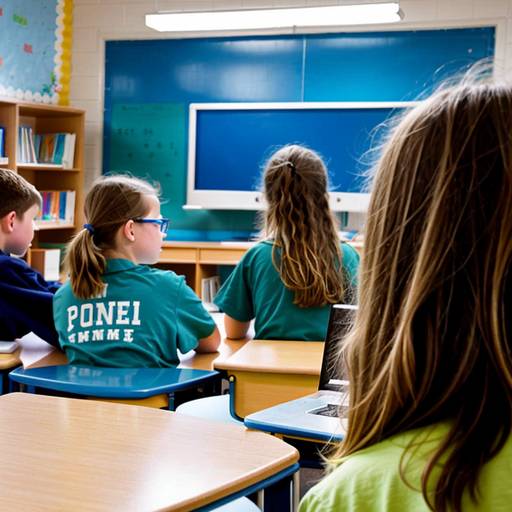
This lesson plan for 5th-grade students focuses on developing essential internet skills and online research techniques. The objective is to teach students how to effectively conduct research by utilizing search engines, evaluating the credibility of sources, and identifying reliable information. The lesson begins with a group discussion about the importance of accurate online information, followed by direct instruction on effective keyword use and source evaluation using a provided checklist.
Students will engage in guided practice through an interactive search activity, working in small groups to research assigned topics and assess their sources for credibility. After this collaborative activity, students will individually select a topic for a research project, applying their newly acquired skills to find and evaluate credible sources. The lesson concludes with a reflection on what they learned and emphasizes the importance of responsible digital citizenship.
Throughout the lesson, student understanding will be assessed through observation during group discussions and the completion of source evaluations. Differentiation strategies will accommodate diverse learning needs, and extensions will encourage further exploration of research tools and presentation methods. Overall, the lesson fosters critical thinking and prepares students for more advanced research tasks in the digital age.

This 5th-grade technology lesson focuses on teaching students about digital citizenship and online safety. The objectives include understanding the importance of being a responsible digital citizen, learning how to protect personal information, recognizing safe online behaviors, and knowing how to report inappropriate content. The lesson begins with an engaging video introduction, followed by a discussion to define digital citizenship.
Students participate in a direct instruction section that covers key online safety guidelines, presented through a PowerPoint slideshow. In small groups, they analyze various scenarios related to online interactions, discussing appropriate responses based on their learning. Students then create individual online safety plans using a checklist to incorporate strategies they've learned.
The lesson concludes with a recap of key points and a Q&A session to address any questions. Assessment is conducted through group presentations and reviewing personal safety plans. Extensions for further learning include resources for continued education on the topic and potential guest speakers. Overall, this lesson aims to empower students with the knowledge and skills to navigate the digital world safely and responsibly.