
Filters
Level
Grade
Subject
Subject Area
Subject Topic
Standard(s)
Audience
Keyword
DurationMinutes
5th Grade Lesson Plans
This lesson plan for 5th graders focuses on introducing students to the basics of coding and programming languages. The objective is for students to grasp fundamental concepts, learn about various programming languages, and create simple programs using a block-based coding platform like Scratch or Code.org.
The lesson begins with an engaging video that highlights the significance of coding in everyday technology, followed by a discussion that encourages students to share their experiences with technology. Direct instruction covers essential coding vocabulary, the differences between block-based and text-based programming languages, and types of programming languages.
During guided practice, students participate in a hands-on activity where they create a simple program, allowing them to experiment with different coding blocks. Following this, they engage in a creative challenge, modifying their projects based on what they've learned. The lesson concludes with a wrap-up discussion, prompting students to reflect on their coding experience, the challenges they faced, and the potential applications of coding in their lives.
Assessment is based on observations during activities, participation in discussions, and the completion of their coding projects. Extension activities are suggested to further develop their skills, and opportunities for additional sessions or competitions are proposed to enhance their engagement with coding. Overall, this lesson is designed to spark interest in programming and foster problem-solving skills through interactive learning.
This 5th-grade technology lesson plan introduces students to the basics of coding through engaging activities and hands-on projects. Over two class periods, students will learn key concepts such as sequences, loops, and algorithms using a block-based coding platform like Scratch or Code.org. The lesson begins with a discussion about the importance of coding and a tutorial to familiarize students with the coding interface.
During the second class, students will work in pairs or small groups to brainstorm and create their own coding projects, such as an animated story, game, or interactive art piece, utilizing the concepts they have learned. They will follow a structured project template and present their final creations to the class, allowing them to share their thought processes and coding choices.
Assessment will focus on participation, the completed projects, and the quality of student presentations. Extensions for advanced learners, as well as modifications for those needing additional support, ensure that all students can engage meaningfully with the material. By the end of the lesson, students will have developed foundational coding skills alongside creativity and problem-solving abilities.
This lesson plan for 5th-grade students introduces them to coding basics through engaging, hands-on activities. In the first session, students learn fundamental coding concepts, including key vocabulary such as algorithm, sequence, loop, and condition, while exploring the Scratch programming platform. Under guided practice, they create simple animations, fostering both understanding and creativity.
In the second session, students build on their skills by designing interactive stories or simple games. They begin with brainstorming and storyboarding their ideas, then transition into hands-on coding, where they develop their projects based on their plans. Throughout the lesson, students share their creations with peers for feedback, emphasizing collaboration and reflection. The assessment is based on participation, creativity, and the ability to articulate their coding process. This lesson aims to provide students with foundational coding knowledge while encouraging innovative thinking and problem-solving skills.
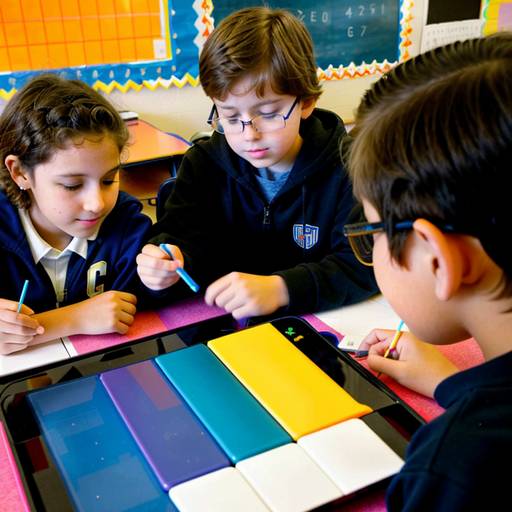
The lesson begins with an introduction to key coding concepts such as algorithms, loops, and variables, fostering an understanding of why coding is essential in today's technology-driven world. A live demonstration using the Scratch platform guides students through creating a simple animation, highlighting the fundamental functions and commands available.
Following the demonstration, students participate in a guided activity where they work in pairs to complete their first coding project, practicing the concepts they learned. Once they finish, they brainstorm and outline their unique project ideas on worksheets, encouraging them to think creatively about their coding endeavors.
The session concludes with a recap and an invitation for a few pairs to share their project ideas with the class, reinforcing collaboration and communication skills. Assessment focuses on student engagement and the completion of their worksheets, while extensions offer challenges for early finishers. Overall, the lesson aims to combine technical skills with creativity, preparing students for future coding experiences.
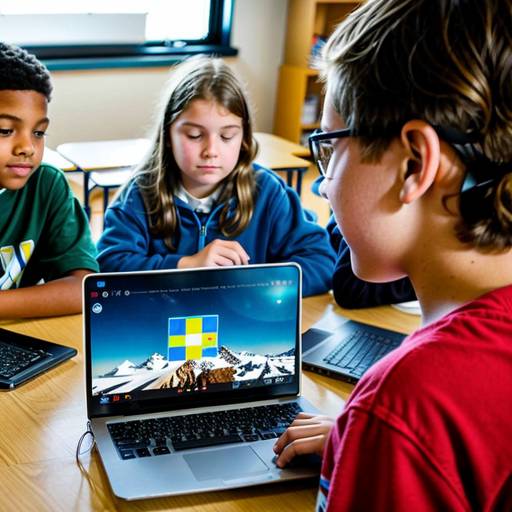
This lesson plan aims to introduce 5th-grade students to the basics of coding and programming languages. Over the course of one hour, students will learn about the significance of coding in everyday life and explore fundamental coding vocabulary, including terms like algorithm and debugging. The lesson begins with an engaging video and a discussion to spark interest in coding's real-world applications.
Following this, the instructor will provide a demonstration of a user-friendly block-based coding platform, showcasing how to create simple programs. Students will then have the opportunity to engage in hands-on practice by creating their own programs to make a character move on the screen and display a greeting. Throughout this activity, students will receive guidance and support as they work collaboratively.
The session will conclude with a recap of key concepts and an opportunity for students to share their work and reflections. An exit ticket will be used to assess students' understanding and lingering questions. The lesson promotes problem-solving, creativity, and critical thinking while laying a foundational understanding of coding, with follow-up activities planned to further develop their skills. Adaptations will be made for varying skill levels to ensure all students can participate meaningfully.

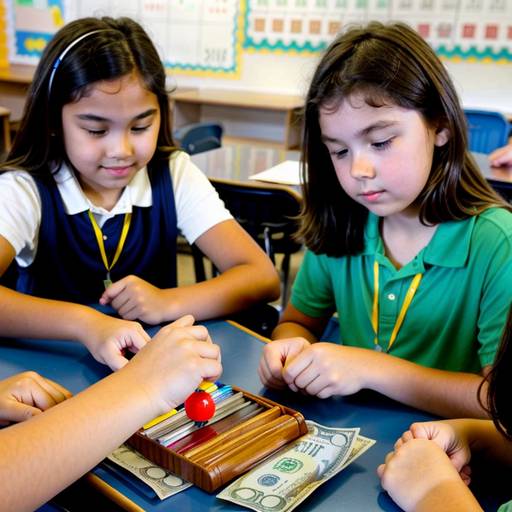
In this 5th-grade math lesson plan focused on money and budgeting, students will learn the significance of managing finances through hands-on activities. The lesson begins with a discussion about money management, followed by an interactive sorting activity where students identify and calculate the value of various coins and bills using play money.
Students will then work in small groups to create simple budgets based on given scenarios, discussing income and expenses while using their play money as a visual aid. They will fill out budgeting templates to outline their financial decisions.
The lesson wraps up with group presentations, allowing students to share their budgeting choices, and concludes with a reflective exit ticket where they identify personal savings goals. Throughout the lesson, students will develop essential skills in budgeting and financial literacy while actively engaging in collaborative learning. Assessment will focus on participation, completed worksheets, and individual reflections.

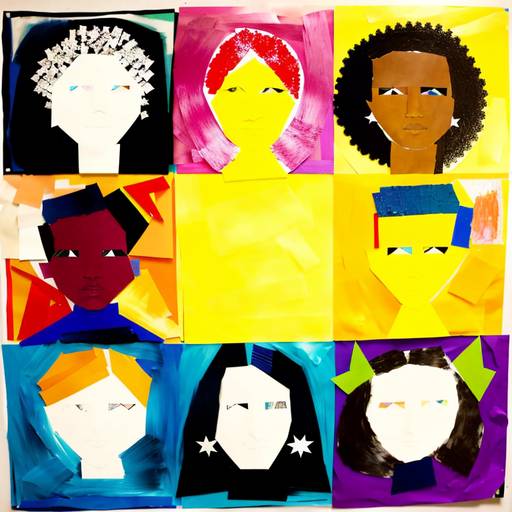
In this 5th-grade art lesson, students will explore the techniques of collage and mixed media as they create their own artistic compositions. The lesson spans two class periods, beginning with an introduction to collage art, featuring examples of famous artists and discussions about various materials and methods. Students will practice cutting, layering, and arranging different items while brainstorming a theme for their collages, such as nature or family.
During the second class, students will use their gathered materials to create their collages on a larger background paper, focusing on composition, color, and texture. They will also reflect on their work through written descriptions and presentations to the class, sharing their artistic choices, themes, and inspiration.
Assessment will be based on participation, creativity, and the final collage's ability to convey the theme effectively. Extensions to the lesson may include digital collage creation and showcasing students' work in a display. Overall, this lesson aims to cultivate creativity and self-expression while introducing important art techniques and concepts.
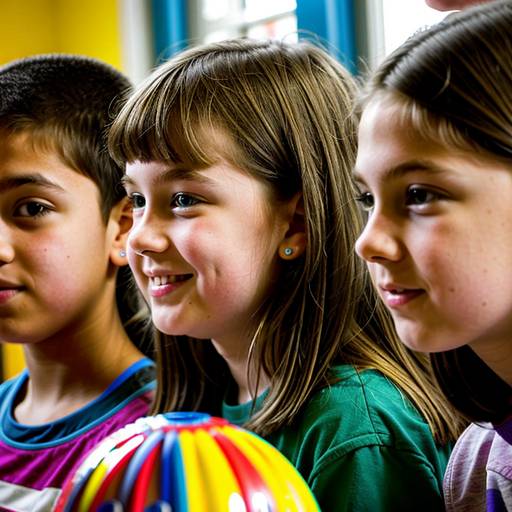
In this two-day art lesson plan for 5th graders, students will explore various drawing techniques, focusing on contour lines, shading, and color theory while developing their observational skills. On the first day, they will engage in warm-up exercises to practice contour drawing with real objects and experiment with different shading techniques. Additionally, the lesson will introduce basic color theory, highlighting how colors can influence character design and emotions.
For the second day, students will create their own unique characters, drawing inspiration from their favorite books, cartoons, or video games. They will incorporate the techniques learned, refining their character's design by adding details and personality traits. Students will have the opportunity to share their work with peers, receiving feedback and reflecting on their artistic process. The lesson emphasizes creativity, technique application, and collaboration while fostering a supportive environment for artistic growth.
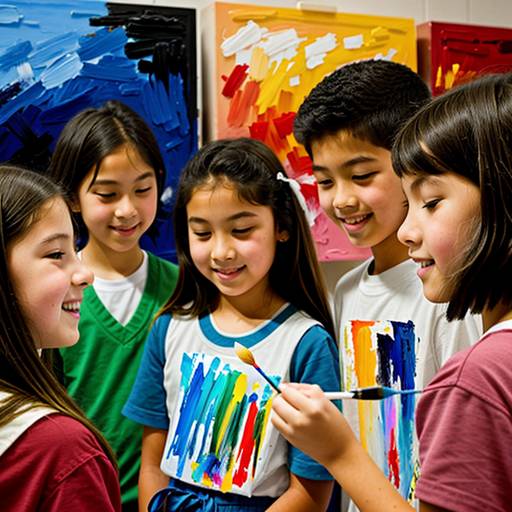
In this 5th-grade art lesson, students will explore various painting techniques using brushes to deepen their understanding of color mixing and application methods. The lesson begins with a discussion of the importance of different brush techniques in art, accompanied by visual examples. In a demonstration, the teacher will showcase techniques like using flat brushes for broad strokes, round brushes for detail, stippling for texture, and fan brushes for effects such as foliage or clouds.
Following the demonstration, students will practice these techniques on small pieces of paper, experimenting with color mixing and brush strokes while receiving guidance from the teacher. Once they’ve gained confidence, students will create their own paintings, incorporating at least three different brush techniques. They will choose a theme that inspires them, and the final artworks will encourage personal expression and creativity.
The lesson concludes with a sharing session where students present their paintings and discuss the techniques utilized and the emotions they aimed to convey. Students will be assessed on their participation, technique application, creativity, and effort. Extensions may include collaborative projects or writing reflections on their artwork, further enhancing their learning experience.
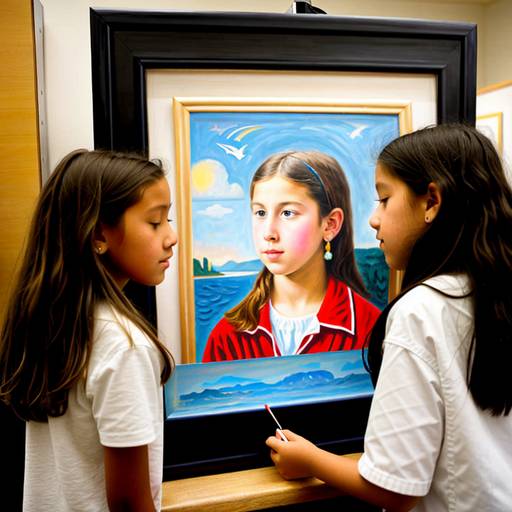
This 5th-grade art lesson focuses on exploring the styles and techniques of three influential artists: Vincent van Gogh, Frida Kahlo, and Pablo Picasso. Students begin by discussing the significance of art and why we study famous artists. The lesson transitions into an exploration of the unique attributes of each artist through visual examples and engaging dialogue, where students consider personal connections to their work.
Following the introduction, students select one artist to inspire their own creative project, applying techniques representative of that artist’s style. They work with watercolors, oil pastels, or other materials, fostering both individual expression and artistic exploration. The lesson concludes with students sharing their artwork with the class, discussing how their chosen artist influenced their creation and what they learned through the process.
Overall, the lesson aims to deepen students' appreciation of art history while allowing them to engage in hands-on artistic expression, culminating in a reflective experience of creativity and personal connection to the art world.