
Filters
Level
Grade
Subject
Subject Area
Subject Topic
Standard(s)
Audience
Keyword
DurationMinutes
5th Grade Lesson Plans

This 5th-grade technology lesson focuses on teaching students essential skills related to internet safety and email etiquette. The session begins with a discussion to gauge students' understanding of internet safety and then introduces key concepts, including safe online practices, the importance of digital footprints, and the fundamentals of composing polite emails.
Students participate in a guided practice where they create sample emails, followed by a peer review process to reinforce proper etiquette. The lesson includes a role-playing activity where students enact scenarios based on digital communication, showcasing their understanding of the topics covered.
The lesson concludes with a group discussion to reflect on key takeaways and an exit ticket activity to encourage students to commit to responsible online behavior. Evaluation is based on participation, email composition, and group presentations, with extensions suggested for further exploration of digital footprints and safety tips. Overall, the lesson aims to equip students with the necessary skills to navigate online spaces responsibly and communicate effectively through email.
In this 5th-grade technology lesson, students will explore the essential skills of device maintenance and basic troubleshooting. The lesson begins with an engaging discussion about common device problems and the importance of taking care of technology. Through direct instruction, students will learn about physical care, the significance of software updates, and effective battery management.
Following this, students will engage in guided practice by working in small groups to identify and resolve potential issues on various devices. They will also practice maintenance tasks, such as cleaning and checking for updates. Independent practice will involve individual reflection, as each student will create a checklist of maintenance tips and troubleshooting steps that they find most valuable.
To close the lesson, students will share their insights and commit to applying what they have learned in future situations. The lesson will be assessed through observation of group participation and the collection of handouts summarizing their learning. An extension activity will encourage students to create videos demonstrating their newfound skills, promoting peer learning within the classroom. This comprehensive approach not only teaches practical skills but also empowers students to become more responsible and knowledgeable users of technology.

This 5th-grade technology lesson focuses on equipping students with essential internet skills related to privacy and digital footprint awareness. The lesson begins with an engaging discussion on digital footprints, defining what they are and exploring their implications. Following this, students learn about the importance of privacy settings on popular social media platforms through a structured presentation.
In groups, students research the privacy features of assigned platforms, discovering key settings and sharing tips for effective online privacy management. The class then discusses their findings, fostering collaborative learning and critical thinking regarding personal information sharing. The lesson concludes with a recap and a homework assignment where students create a "Privacy Checklist" to help them manage their online presence responsibly.
Overall, this lesson aims to empower students with the knowledge and tools necessary to navigate the internet safely, emphasizing the importance of being cautious about their digital footprints and making informed decisions about sharing information online.
In this 5th-grade technology lesson, students will explore the creation of multimedia presentations that combine text, images, audio, and video to effectively tell a story or present information on a chosen topic. The lesson spans two class periods and begins with an introduction to multimedia elements, followed by brainstorming sessions to generate ideas for their projects. Students will then develop storyboards to plan their presentations, focusing on structure and the types of media they wish to incorporate.
In the second class period, students will use presentation software to create their projects, applying key design principles for effective communication. They will practice presenting their work to peers, providing constructive feedback in pairs before presenting their finished multimedia creations to the entire class. Assessment will be based on a rubric evaluating creativity, clarity, use of multimedia elements, presentation skills, and audience engagement. The lesson emphasizes collaboration, creativity, and the effective use of technology to convey messages, culminating in a showcase of their work. Additionally, a reflection discussion will allow students to share their experiences and insights gained throughout the process.

In this 5th-grade social studies lesson, students will explore the concept of community by identifying various roles and responsibilities within it. The lesson begins with a discussion on what constitutes a community and the roles individuals play, followed by a collaborative brainstorming session where students work in small groups to list community roles. After sharing their ideas with the class, students will engage in a discussion highlighting the responsibilities associated with each role.
To reinforce their learning, students will create a visual mural that represents selected community roles, complete with illustrations and descriptions. Groups will present their murals, fostering teamwork and communication skills. The lesson concludes with an assessment of participation and creativity, and opportunities for further engagement through guest speakers or community service projects. This lesson aims to deepen students' understanding of the importance of various roles in the functioning of their community.
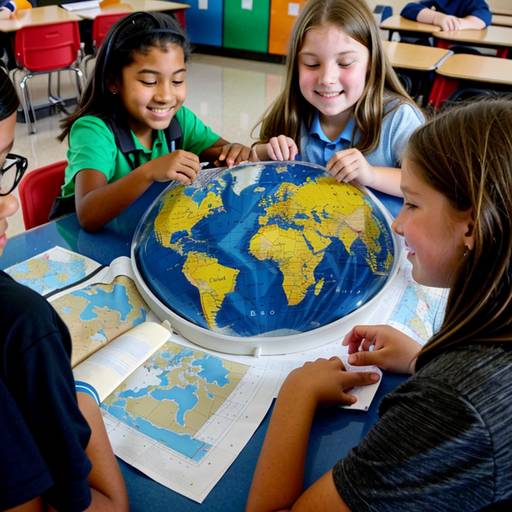
This lesson plan is designed for 5th-grade students to explore the concepts of geography and maps over two class periods. The first day focuses on introducing essential map components, including legends, scales, and compass roses. Students engage in discussions and group activities to analyze different types of maps, helping them to understand how to read and interpret them effectively.
On the second day, students apply their knowledge by creating their own fictional island maps, incorporating the elements they've learned. This hands-on activity encourages creativity while reinforcing the importance of map features. Students then share their maps with the class, promoting discussion and collaboration. Assessment is conducted through both formative and summative methods, ensuring students grasp map concepts while enjoying the creative process. Additionally, opportunities for technology integration and cross-curricular connections enhance the learning experience.
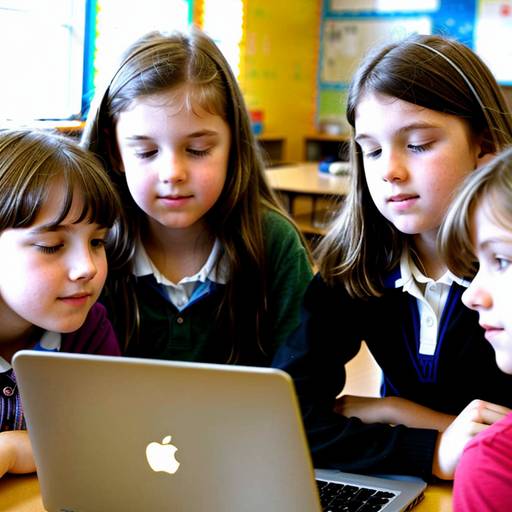
This lesson plan focuses on teaching 5th-grade students essential skills for effective online research and navigating search engines. The objectives include familiarizing students with key terminology, demonstrating impactful searching techniques, and evaluating the credibility of online sources.
The lesson begins with a discussion about the internet and its purpose, followed by a demonstration of how to use a popular search engine effectively. Students will engage in a group activity where they research assigned topics, emphasizing the importance of using credible sources. Each group will then present their findings to the class, promoting discussion about source reliability and digital citizenship.
To conclude, the lesson reinforces the skills learned and provides a handout with tips for safe and effective internet use. Assessment is based on student participation during the group activity and the quality of their presentations. The plan also includes follow-up activities to encourage further exploration of digital research tools. Modifications are provided to support diverse learners and challenge advanced students.

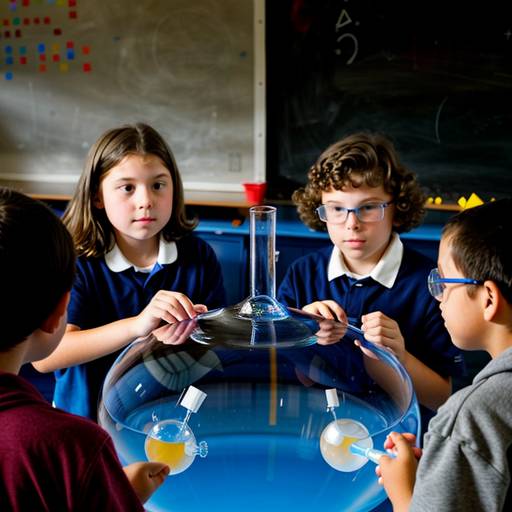
This 5th-grade science lesson focuses on teaching students about the three states of matter: solids, liquids, and gases. The objective is for students to understand the properties of each state and categorize various materials accordingly. The lesson begins with an engaging video that illustrates everyday examples of the different states of matter, followed by a discussion to elicit students' prior knowledge.
Direct instruction covers the definitions and properties that distinguish solids, liquids, and gases. Students then participate in hands-on experiments where they observe the melting of ice into water and the boiling of water into steam, documenting their observations and measurements. Additionally, they classify a variety of materials as solids, liquids, or gases, reinforcing their learning through practical application.
The class discussion at the end encourages students to share their findings and summarize what they have learned. Assessment includes monitoring participation during activities and reviewing completed worksheets. Differentiation strategies are included to support diverse learners, and extensions are provided for those needing additional challenges. Overall, the lesson aims to foster a deeper understanding of matter and its transformative properties through interactive and engaging methods.

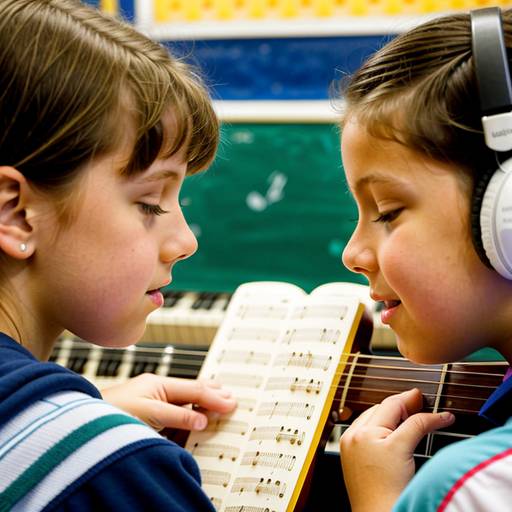
In this 5th-grade music lesson, students will explore the fundamentals of music theory by focusing on note names and their corresponding positions on the musical staff. The lesson begins with a discussion about the role of notes in music, followed by engaging activities that involve recognizing and identifying notes (A through G) on the staff. Students will learn about whole notes, half notes, and quarter notes through clapping exercises that highlight rhythmic concepts.
The hands-on portion of the lesson allows students to work in small groups, using keyboards or xylophones to practice playing or singing assigned notes. They will create short melodies while incorporating diverse rhythms. A fun assessment activity, “Note Name Challenge,” encourages students to demonstrate their knowledge by identifying notes and showcasing their sounds.
The lesson concludes with a reflection on what they learned about note names and their significance in music. Extensions and adaptations are included to enhance learning outcomes for all students, ensuring a comprehensive understanding of music theory fundamentals.
This lesson aims to foster an engaging and interactive learning environment that empowers students to develop a solid foundation in music theory.
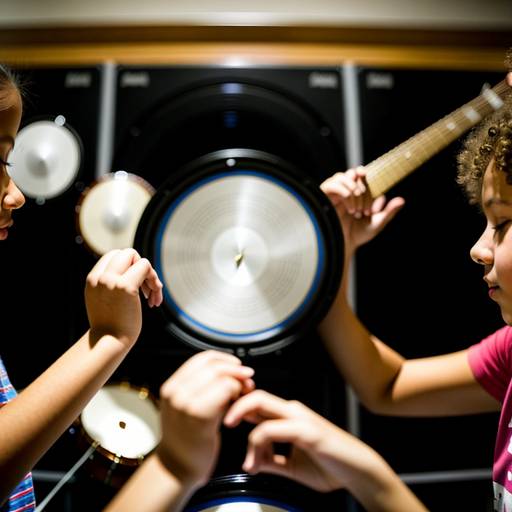
In this 5th-grade music appreciation lesson, students will explore various music genres, their cultural backgrounds, and personal connections to music. The lesson begins with a warm-up discussion where students share their favorite songs and genres. Following this, a presentation will introduce students to different genres, featuring audio clips and interesting facts about each style's history and significance.
Students will then engage in group activities by forming small teams, where they will delve deeper into assigned genres, create informative posters highlighting their key characteristics, and select a song they enjoy. Each group will present their findings to the class, promoting peer interaction and discussion. Lastly, students will reflect on their favorite genre through a written paragraph, encouraging personal expression and connection to the material.
Assessment will be based on participation, creativity in group projects, and the depth of written reflections. The lesson not only fosters an appreciation of diverse music styles but also promotes teamwork, creativity, and critical thinking among students.