
Filters
Level
Grade
Subject
Subject Area
Subject Topic
Standard(s)
Audience
Keyword
DurationMinutes
5th Grade Lesson Plans


In this 5th-grade art lesson, students will explore the world of fiber arts, specifically focusing on the techniques and processes of weaving. The lesson is divided into two class periods, beginning with an engaging introduction to various fiber art forms from different cultures. Students will learn to set up a simple cardboard loom, warp it, and begin their weaving practice, encouraging creativity in color and pattern choice.
During the second class, students will continue to weave their own art pieces, incorporating unique designs inspired by their brainstorming activities. They will also learn how to finish and display their woven creations. Throughout the lesson, students will not only develop their hands-on skills but also gain an appreciation for the cultural significance of fiber arts. Assessment will focus on their process, finished artwork, and presentation skills. Extension activities will include a mini-exhibition to showcase their work and discussions on other fiber arts techniques. The lesson aims to foster creativity, cultural awareness, and artistic expression in a collaborative and supportive environment.
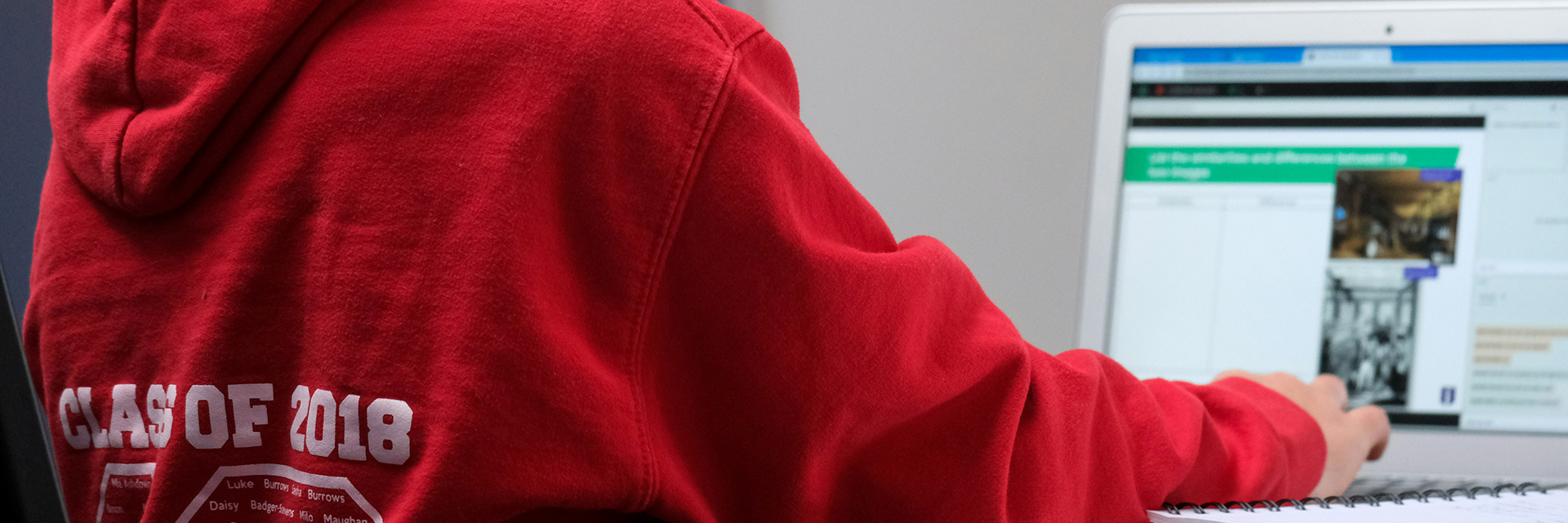

This lesson plan is designed for 5th-grade students to enhance their internet skills and understand the importance of online safety. The session begins with an engaging discussion where students share their favorite online activities, followed by a presentation that educates them on identifying credible sources, navigating privacy settings, recognizing phishing scams, and addressing cyberbullying.
Students then participate in a group activity where they analyze assigned websites using a checklist to assess their reliability and prepare a presentation on their findings. After sharing their insights with the class, students engage in a recapitulation of the key concepts learned throughout the lesson.
To conclude, they complete an exit ticket reflecting one new thing they learned about internet safety and one website they intend to explore responsibly. The lesson aims to empower students with essential skills for navigating the digital world safely and responsibly while encouraging communication about internet safety with their families.

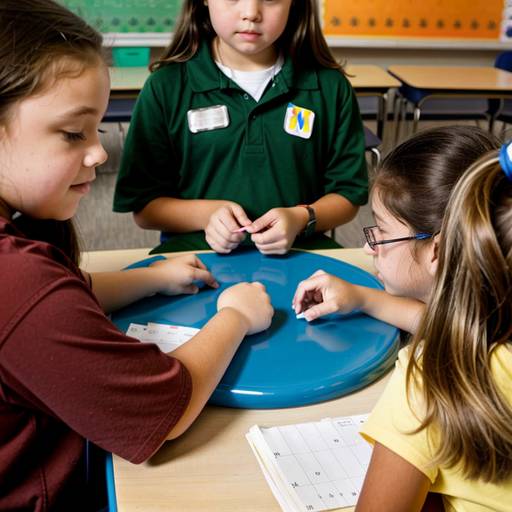
This lesson plan is designed for 5th-grade students to explore the concepts of measurement and weight. Students will learn to understand and use various units of measurement, including grams, kilograms, pounds, and ounces. The lesson begins with a discussion on the importance of weight and measurement, followed by direct instruction on reading scales and converting between different units.
Through guided practice, students will work in small groups to weigh various objects, record their measurements, and compare findings. Independent practices will reinforce their understanding through worksheets featuring conversion problems and practical measurement tasks. The lesson concludes with a recap of key concepts and an invitation for students to share their discoveries.
Assessment will be based on worksheets, group participation, and a quiz on measurement and weight concepts. The lesson also incorporates differentiation strategies to accommodate varying student needs. For homework, students will report on measurements of items found at home, emphasizing real-world applications of the skills learned.


This lesson plan is designed for 5th-grade students to enhance their vocabulary skills through engaging activities and collaborative learning. The lesson begins with an interactive introduction that captures students' attention and prompts a discussion about the importance of vocabulary.
During direct instruction, students are introduced to a list of ten vocabulary words, focusing on their definitions, parts of speech, synonyms, antonyms, and contextual usage. Students practice using context clues to infer meanings of unfamiliar words through examples.
In guided practice, students work in pairs, using flashcards to discuss and create sentences with their assigned vocabulary words, which they then document in their journals. For independent practice, students create illustrated posters for selected vocabulary words, incorporating definitions, sentences, and illustrations to demonstrate their understanding.
The lesson concludes with a gallery walk, where students display their work and provide feedback to peers while sharing their favorite vocabulary words. Assessment includes observation of student engagement, review of journal entries, and evaluation of the vocabulary posters. Differentiation strategies are included to support all learners, and a follow-up activity encourages continuous vocabulary application in students' everyday lives.

This 5th-grade language arts lesson focuses on introducing students to persuasive writing and its key components. The lesson begins with a class discussion to define persuasive writing and identify its essential elements, such as the writer's opinion, supporting reasons, evidence, and counterarguments. Through a mini-lesson that analyzes examples of persuasive texts, students learn various techniques to enhance their writing.
In a guided practice session, the class debates a common topic, allowing students to brainstorm arguments for both sides. They then fill out a graphic organizer to help structure their thoughts. For independent practice, students select their own topics and draft persuasive letters, using the organizer as a guide.
The lesson concludes with students sharing their letters, engaging in a constructive discussion about effectiveness and areas for improvement. Assessment involves collecting the letters and graphic organizers for feedback based on clarity, reasoning, evidence, and overall persuasiveness. Optional extensions include presentations and creating a display for others to read. This dynamic lesson enables students to develop important writing skills and express their opinions effectively.

This lesson plan aims to teach 5th-grade students about digital footprints and the importance of digital citizenship. The session begins with a class discussion to introduce the concept of a digital footprint, followed by a PowerPoint presentation that explains its types, implications, and the difference between positive and negative footprints. Students will engage in group activities where they'll analyze various scenarios related to digital footprints, discussing how individuals can manage and improve their online presence. To enhance creativity and personal reflection, students will create artistic representations of their ideal digital footprints, reflecting on their online identities. The lesson concludes with students completing a reflection worksheet to summarize their learnings and commit to positive changes in their digital behavior. Overall, the session emphasizes the significance of maintaining a responsible and positive online presence.