
Filters
Level
Grade
Subject
Subject Area
Subject Topic
Standard(s)
Audience
Keyword
DurationMinutes
5th Grade Lesson Plans

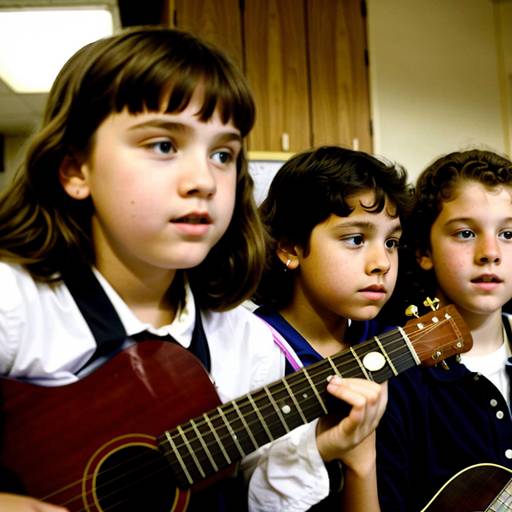
In this 5th-grade music appreciation lesson, students will explore iconic songs from various eras while understanding their historical context and cultural significance. The lesson begins with a discussion on what makes a song famous, followed by a listening activity where students hear snippets of several influential songs and discuss their themes and the emotions they evoke.
Students will then work in small groups to research a specific song not covered in the listening activity, focusing on its background, artist, and impact on culture. Each group will prepare a brief presentation to share their findings with the class. The lesson concludes with a wrap-up discussion, allowing students to reflect on the power of music and its influence on their lives. Assessment will be based on participation and engagement during discussions and presentations.
An extension activity invites students to write a short essay about a song that resonates with them personally, further encouraging thoughtful engagement with music.

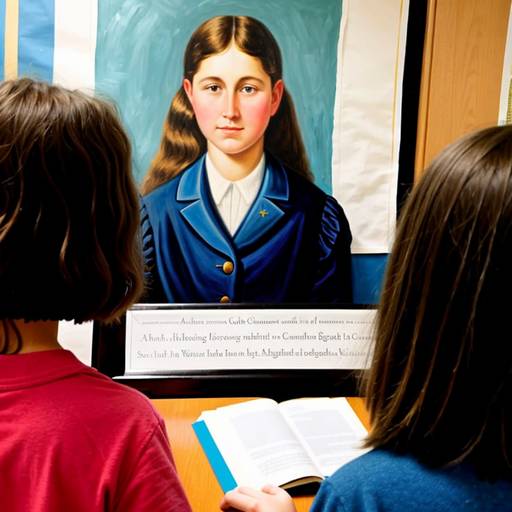
This 5th-grade social studies lesson focuses on exploring the contributions of influential women throughout history. Students will begin with a class discussion to identify notable women who have made significant impacts on society. A slideshow presentation will highlight various historical figures, including Harriet Tubman, Susan B. Anthony, and Rosa Parks, providing students with insights into their achievements and the challenges they faced.
Following this, students will work in small groups to research a specific figure, discussing achievements and societal influence while filling out a structured worksheet. For the independent activity, each student will select a woman to create a visual poster that includes her name, key achievements, a relevant quote, and an illustration representing her work.
The lesson will conclude with students sharing their posters, emphasizing the importance of these historical figures and their lasting influence on modern society. Assessment will focus on participation, group worksheet completion, and the creativity and content of the visual posters. Extensions may include inviting a guest speaker or creating a timeline of significant achievements by women in history.

In this 5th-grade science lesson, students explore the concepts of energy, motion, and forces through hands-on experimentation. They will learn about kinetic energy (energy of motion) and potential energy (stored energy based on position) by conducting an experiment using toy cars, ramps, and weights. Divided into small groups, students will measure the height of their ramps and observe how different weights affect the speed of the toy cars as they roll down. Through data collection and discussion, students will analyze the relationship between potential and kinetic energy and understand how energy is transformed during motion. The lesson concludes with a reflection on energy transformations in everyday life and assessment through worksheets and group discussions, encouraging critical thinking and collaboration. Additional exploration options are provided for students who wish to deepen their understanding of energy dynamics.
In this 5th-grade social studies lesson, students will explore the concept of community and the essential rules that help maintain a safe and respectful environment. The lesson begins with an engaging discussion about what makes a community function effectively, leading to an understanding of the necessity of rules. Students will then participate in a brainstorming activity, identifying important rules for their own communities.
In small groups, they will create posters illustrating their selected rules, complete with drawings and explanations. Each group will present their poster to the class, fostering collaboration and public speaking skills. The lesson culminates in a class discussion reflecting on the importance of rules and a personal commitment activity where students write down one rule they pledge to follow. Assessment will focus on participation in discussions, creativity in poster creation, and understanding through presentations. Optional extension activities include inviting community leaders for discussions or creating a formal pledge.

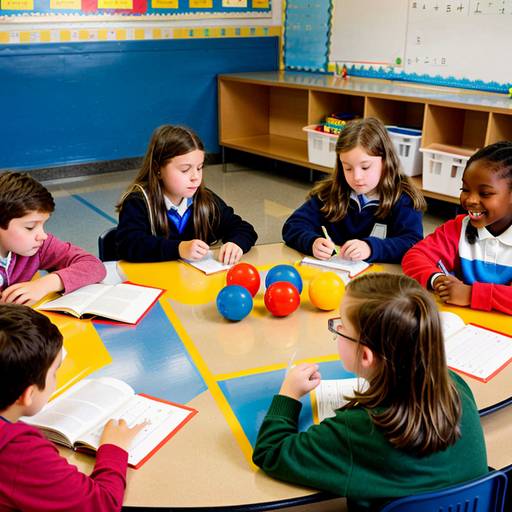
This lesson plan for 5th-grade mathematics focuses on the concepts of measurement and area through engaging, hands-on activities. Students begin with a discussion on the significance of measurement in everyday life, followed by an introduction to calculating the area of rectangles using the formula Area = Length × Width. They practice measuring and calculating areas with graph paper, visualizing their results with small squares.
In groups, students are tasked with redesigning a garden within a specified area, allowing them to apply their understanding of area in a practical context. The activity encourages collaboration, creativity, and real-world application of mathematical concepts. The lesson concludes with a class discussion about their designs and a reflective exit ticket to reinforce what they learned. Assessments are based on worksheet responses and observations during group work, with extensions provided for students who advance quickly through the material. Overall, the lesson aims to deepen students' comprehension of measurement and area while showing their relevance in real-life scenarios.
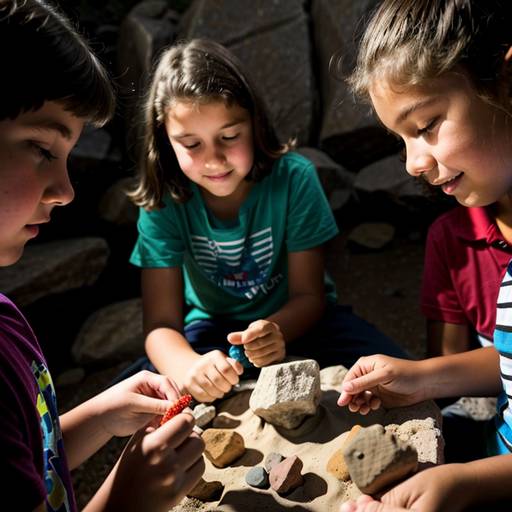
This lesson plan for 5th-grade students focuses on Earth Science with an emphasis on rocks and the rock cycle. Over two class periods, students will learn to identify and classify three main types of rocks: igneous, sedimentary, and metamorphic. The lesson begins with an engaging discussion and a video introduction about rocks and their formation processes. Students will participate in hands-on activities where they examine rock samples using magnifying glasses, record observations, and classify the rocks based on their characteristics.
On the second day, students will review their previous learning and create their own illustrations of the rock cycle, demonstrating their understanding of the processes that transform one rock type into another. Additionally, they will explore soil and sediment samples, gaining insight into their role in the environment and the rock cycle. Throughout the lessons, students will engage in group discussions, reflecting on their findings and the impact of rocks on their daily lives. Assessment will include observation during activities and review of rock classification worksheets and rock cycle diagrams. Extensions, such as research projects and potential field trips, will further enhance students' connection to the geological aspects of their surroundings.

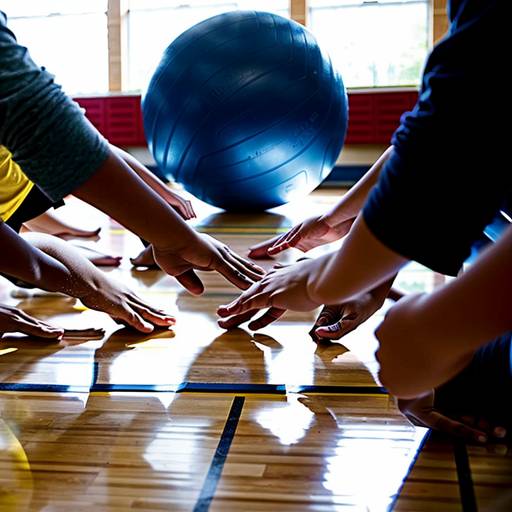
This physical education lesson for 5th graders focuses on enhancing coordination and building teamwork through engaging activities. The class begins with warm-up exercises and coordination drills involving ball tossing in pairs, promoting hand-eye skills and movement.
Students then participate in a hula hoop relay, working together in teams to complete the task, encouraging communication and support among teammates. Following this, they gather around a parachute for various cooperative games that require synchronized movement, further enhancing their teamwork and coordination.
The session concludes with static stretching and a calming breathing exercise to help students relax and reflect on their experiences. Throughout the lesson, students are assessed on their participation and cooperation, fostering an environment of encouragement and shared achievement. Adaptations are provided for different ability levels to ensure inclusivity and maximize engagement for all participants.
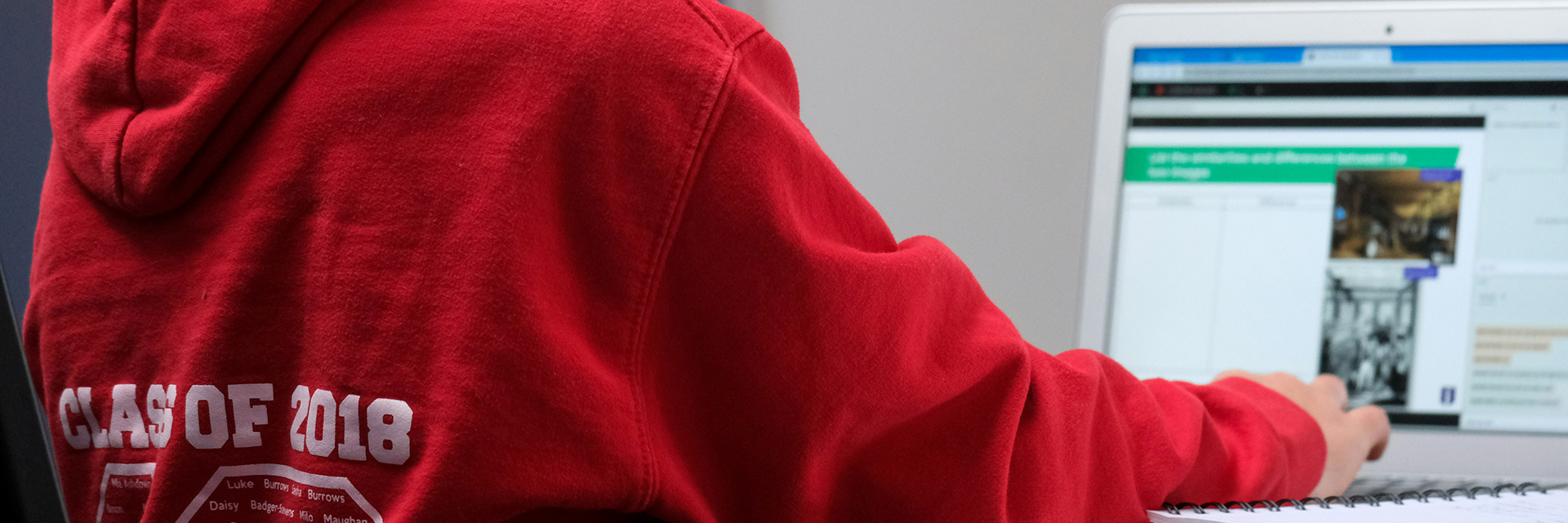

In this 5th-grade technology lesson, students will explore the concepts of technology and innovation through discussion, research, and creative collaboration. The lesson begins with an engaging video highlighting various technological advancements, followed by a class discussion to connect students' personal experiences with technology in their daily lives.
Students will work in small groups to research assigned technological innovations, focusing on their origins, functionalities, and societal impacts. Each group will create a visual poster to present their findings to the class. Presentations will encourage peer engagement and questions, fostering a deeper understanding of the innovations shared.
The lesson wraps up with a reflective discussion, allowing students to share their insights and predictions about future technologies. An exit ticket will assess their understanding by asking them to identify a significant technology they believe will shape the future. This lesson promotes not only knowledge about technology but also collaboration, critical thinking, and creativity among students.

In this 5th-grade technology lesson, students will learn essential internet skills focused on search engine usage. The class begins with a discussion about the internet's significance and students' favorite websites. Next, the teacher introduces search engines, explaining their functionality and how they differ from regular websites.
Students will discover effective search strategies, including the use of keywords, quotation marks, exclusion operators, and site-specific searches. They will also learn how to evaluate the credibility of sources by examining authorship, the purpose of the website, and the timeliness of information.
During guided practice, students will work in pairs to research a specific topic, employing the techniques they’ve learned to find information and assess the reliability of various sources. The lesson concludes with a class discussion where groups share their findings, reinforcing the importance of search skills and source evaluation. Students will complete a worksheet during the practice session to document their search strategies and results.
As a follow-up activity, students will be tasked with finding an article on a topic of interest at home and summarizing it while evaluating its credibility. Throughout the lesson, safe browsing practices will be emphasized, and teacher support will be available as needed.

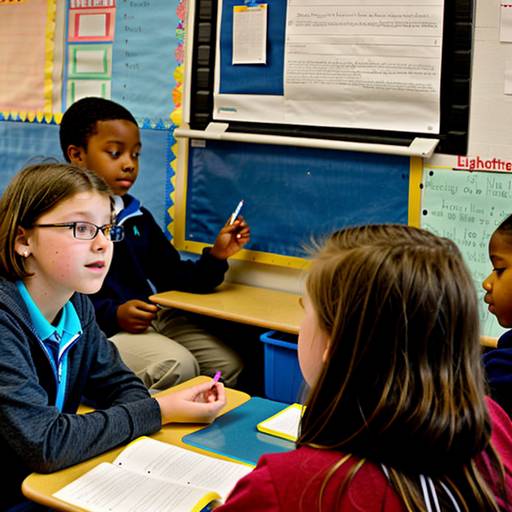
In this 5th grade Language Arts lesson, students will learn about expository writing, focusing on its purpose and structure. The session begins with a group discussion to gauge students’ prior knowledge, followed by direct instruction on the key components: main idea, supporting details, and conclusion. Students will participate in guided practice by filling out graphic organizers for a chosen topic, then move on to independent practice to write their own expository paragraphs. The lesson concludes with student presentations, where classmates receive constructive feedback. Assessment will be based on the clarity and coherence of their writing. Differentiation strategies are included to support varying skill levels, and extension activities encourage further exploration of research tools for future writing assignments.