
Filters
Level
Grade
Subject
Subject Area
Subject Topic
Standard(s)
Audience
Keyword
DurationMinutes
5th Grade Lesson Plans

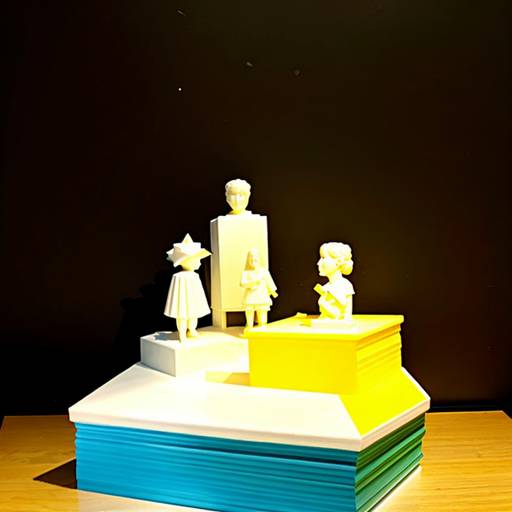
In this 5th-grade art lesson plan, students are introduced to the world of sculpture by exploring various techniques and materials used to create three-dimensional art. The lesson is structured over two sessions.
On the first day, students discuss the concept of sculpture and examine different types and materials through images and videos. They rotate through stations to experiment with air-dry clay, natural materials, and recyclable items, creating small abstract sculptures to understand texture and form. Following this, they sketch their individualized sculpture ideas while considering themes and material choices.
The second day is dedicated to the creation of their sculptures. After a brief demonstration of sculpting techniques, students select their best ideas and begin building their works, combining various materials as they see fit. As they finalize their pieces, they also add details and paint. The lesson concludes with each student presenting their sculpture, discussing their inspiration and the creative process.
Assessment focuses on student engagement, the creativity displayed in the sculptures, and the effectiveness of their presentations. The lesson encourages self-expression, problem-solving, and hands-on exploration of a unique art form, while also offering extension opportunities to deepen students' understanding of sculpture through community engagement.

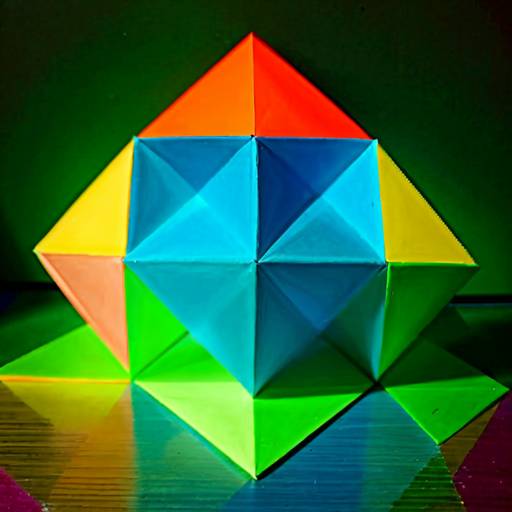
This engaging 5th-grade math lesson focuses on introducing students to three-dimensional shapes, known as solids. The session begins with a discussion about geometry and the characteristics that distinguish 3D shapes from 2D ones. Students learn about various types of solids, including cubes, spheres, cylinders, cones, and pyramids, and explore their properties, such as faces, edges, and vertices, through visual aids and hands-on activities.
In small groups, students are tasked with creating models of assigned shapes using building materials, enhancing their understanding through collaboration. They then present their creations to the class, reinforcing their knowledge of each shape's properties. A worksheet activity follows, where students match shapes to their properties and fill in the relevant information.
The lesson concludes with a review and discussion of real-world applications of the shapes. Students are assessed through participation, worksheet completion, and presentations. Extension activities are provided for advanced learners to encourage further exploration of composite shapes. Overall, the lesson fosters an interactive and practical approach to understanding geometry.
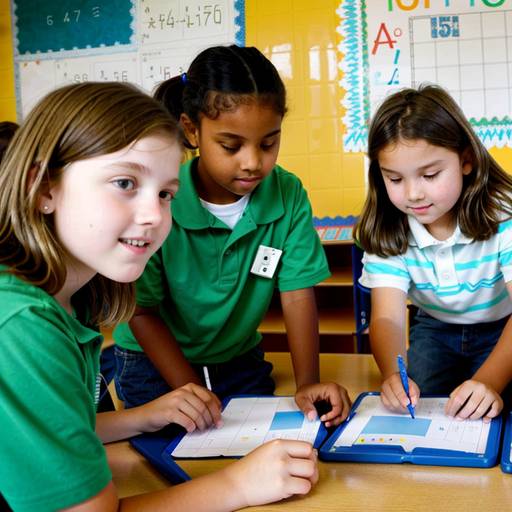
In this 5th-grade math lesson, students will explore the concepts of measurement and area through engaging activities. The lesson begins with a discussion on the importance of measurement in everyday life and introduces the concept of area as the space within various shapes. Students will learn how to calculate the area of rectangles and squares, using hands-on activities with rulers and graph paper to create their own shapes. They will practice measuring and calculating areas both individually and in pairs, ultimately designing a “city block” that incorporates different geometric shapes. Throughout the lesson, students will present their work, enhancing their understanding through collaboration and peer feedback. The lesson concludes with a reflection on their learning and real-world applications of measurement. Assessment will be based on student participation, the accuracy of their area calculations, and their reflective exit tickets. Extensions for advanced students will include exploring area calculations for triangles and circles, encouraging further engagement with geometric concepts.
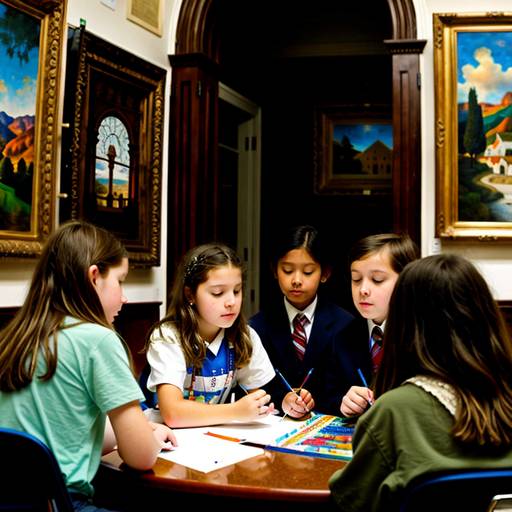
In this 5th-grade lesson, students explore various art periods and their significance in art history. The lesson begins with an introduction to the concept of art history, followed by group research where students investigate specific art movements such as the Renaissance, Impressionism, and Abstract art. Each group presents their findings, discussing key artists and their contributions, supported by visual examples of iconic artworks.
In the second class, students create their own pieces of art inspired by the period they found the most intriguing, applying relevant techniques and styles. They then participate in a gallery walk to showcase their artwork and discuss their creative processes. This lesson encourages students to engage in art history while fostering their artistic skills and personal expression. Reflection on their learning journey and the connections between art and everyday life further enriches the experience. Assessment is based on participation, creativity in their artwork, and reflections on their learning outcomes.

In this 5th Grade Language Arts lesson plan, students will explore the important role of characters in a story. The lesson begins with a discussion about memorable characters and their influence on narratives. Following an engaging read-aloud of a selected short story, students will collaborate in pairs to complete character trait charts, identifying traits, motivations, and actions of the main character(s). To deepen their understanding, students will also make personal connections by reflecting on their own experiences related to a character's traits, which they will write about on post-it notes. The class will reconvene for a discussion to share insights gained from their analysis and connections. Assessment will focus on participation, completion of charts, and the personal reflection writing. Extensions and modifications are included to support diverse learning needs, providing opportunities for further engagement with character analysis and reading comprehension.
In this 5th-grade Language Arts lesson, students will focus on analyzing character development and motivations within a selected text. The lesson begins with a discussion about favorite characters to spark interest. Students will then engage in guided reading of a short story or excerpt, practicing comprehension strategies such as summarization and inference through targeted questions.
Following the reading, students will work in small groups to complete a character trait chart, identifying and providing evidence for the main character’s traits based on the text. A class discussion will follow, allowing groups to share their findings and explore how characters evolve throughout the story.
To encourage creative expression, students will create visual representations of their chosen character's journey, including relevant quotes from the text. The lesson concludes with a brief sharing session and a homework assignment where students will write a paragraph about the character's impact on the overall story. Assessment will include participation in discussions, the accuracy of character trait charts, and creativity in their illustrations. Various differentiation strategies will be employed to meet the needs of all learners.

This lesson plan is designed for 5th-grade students to explore geography and the cultural aspects of various countries around the world. It begins with a brief introduction to geography and its significance, followed by a brief overview of continents and key geographic features. Students are divided into small groups, each assigned a specific country to research using digital resources. They will investigate the country’s location, major geographic features, and one cultural aspect such as traditions, food, or language. Each group will create a poster to visually present their findings and share them with the class, fostering engagement and discussion. The lesson concludes with a reflection on the relationship between geography and culture, while assessments will be based on participation, collaborative work, and the quality of the group presentations. Additionally, there are opportunities for extensions and adaptations to accommodate diverse learners and further enrich the learning experience.
This lesson plan focuses on teaching 5th-grade students the principles and structure of expository writing. It begins with a discussion about the purpose of writing, followed by an introduction to expository writing, including its key components: an introduction, body paragraphs, and a conclusion. Students will participate in a guided practice session using a graphic organizer to outline their thoughts on a chosen topic.
After setting their outlines, they will independently draft an expository essay. The lesson concludes with students sharing their writing, fostering reflection on their writing process and organization. Assessment will be based on participation during activities, the completion of graphic organizers, and the quality of their rough drafts. Homework will involve finalizing their essays for a future peer review session, with extensions provided for advanced students and additional support for those needing it. Overall, this lesson promotes clarity and organization in student writing while enhancing their ability to inform and engage readers.
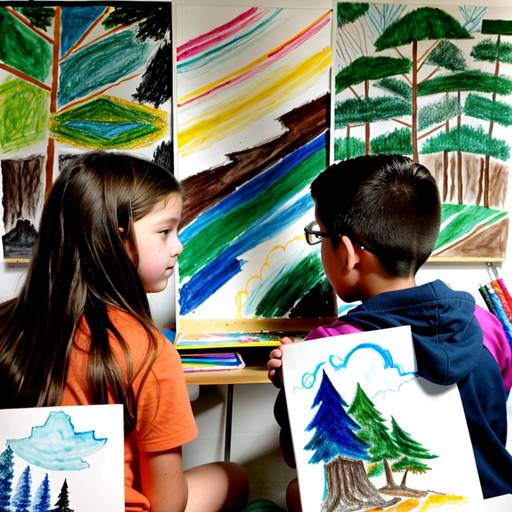
In this 5th-grade art lesson, students will explore drawing techniques by focusing on various lines and textures found in nature. The lesson begins with a discussion on different types of lines and textures, accompanied by reference images for inspiration. Following a demonstration of line techniques such as hatching, cross-hatching, and stippling, students will engage in guided practice, sketching outlines of their chosen natural elements while incorporating these techniques.
Once they've practiced, students will independently create a final artwork, utilizing varied lines and textures to enhance their drawing. Afterward, they will have the opportunity to share their work in a gallery-style presentation, fostering discussion about their artistic processes and discoveries. The lesson includes clean-up time and emphasizes creativity and personal expression through the use of diverse drawing methods. Assessment will be based on the application of techniques and the originality of their artwork, with accommodations available to ensure all students can participate fully. Extensions include creating additional drawings at home and organizing nature walks for further inspiration.
In this 5th-grade social studies lesson, students will explore the various roles within their community and the responsibilities associated with those roles. The lesson begins with a discussion about what a community is, followed by an examination of important community members and their contributions. Students will work in small groups to select a specific community role from provided role cards and brainstorm its associated responsibilities. Each group will create a poster highlighting their chosen role, which they will present to the class. The lesson concludes with a reflective discussion about the importance of these roles and how students can actively engage in their community as responsible citizens. Assessment will be based on group presentations and participation in discussions, with opportunities for extensions and differentiation to support all learners.