
Filters
Level
Grade
Subject
Subject Area
Subject Topic
Standard(s)
Audience
Keyword
DurationMinutes
5th Grade Lesson Plans

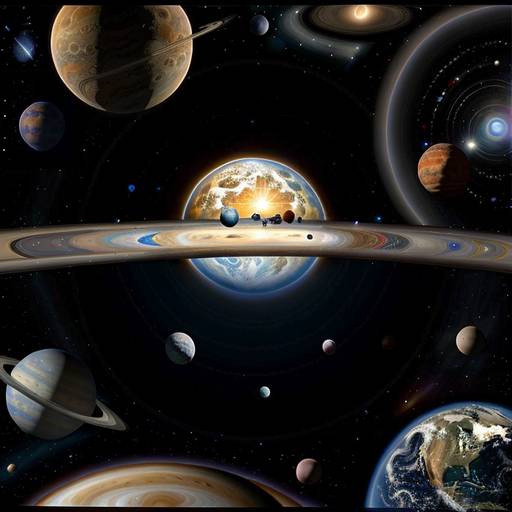
This lesson plan focuses on helping 5th-grade students explore and understand the solar system. Over two class periods, students will learn about the eight planets and other celestial bodies, including their sizes, distances from the Sun, and unique features. The lesson begins with an engaging video and a presentation that covers key aspects of each planet. Students will also participate in a scaled-down model activity to visualize distances between planets.
In the second class, students will present their research on a chosen planet, fostering collaboration and interactive learning. After presentations, they will engage in a hands-on creative project, crafting models of their assigned planets using Styrofoam balls and paint, emphasizing their characteristics. The lesson culminates in a group discussion to reflect on their learning and share insights. Assessment will be based on student participation, presentation quality, and model creativity, with an extension option for further exploration through field trips or astronomy apps. The overall goal is to deepen students’ understanding of the solar system and their place within it.

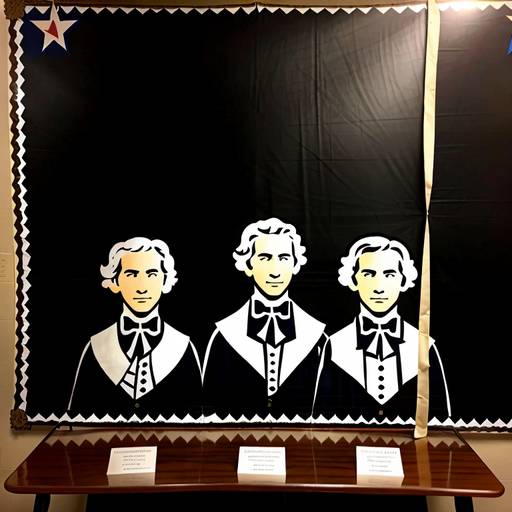
This lesson plan aims to engage 5th-grade students in understanding the events surrounding the American Revolutionary War. The lesson begins with a warm-up discussion, allowing students to share their prior knowledge about the war, followed by a brief animated video that summarizes its significance. Direct instruction focuses on key events leading up to the war, such as the Stamp Act and the Boston Tea Party, as well as important figures like George Washington and Thomas Jefferson.
Students will participate in a collaborative activity where they create visual timelines that illustrate these events and figures, fostering teamwork and creativity. Each group will present their timeline to the class, promoting peer learning. The lesson concludes with a class discussion about the lasting impacts of the Revolutionary War on modern governance and an exit ticket exercise that encourages students to reflect on their learning and express any lingering questions.
Assessment will involve monitoring group activities and evaluating the timelines for comprehension, as well as reviewing the exit tickets. Differentiation strategies include providing additional support for struggling students and challenging advanced learners with research projects. Overall, the lesson is designed to build knowledge of a pivotal moment in American history while developing critical thinking skills.
This lesson plan focuses on teaching 5th-grade students the concept and significance of timelines in both personal and historical contexts. The session begins with a discussion on what timelines are and their importance in organizing events chronologically. Students then participate in a mini-lesson where they learn how to create and interpret timelines, including examples of key historical events.
The core activity involves students creating their own personal timelines, marking at least five significant events in their lives with labels and illustrations. This creative task encourages self-reflection and peer interaction as students discuss their chosen events. As a closing activity, the class engages in a discussion that connects personal experiences to major historical events, reinforcing the relevance of timelines.
To wrap up the lesson, students complete a one-page reflection on their learnings about timelines. The assessment focuses on the completeness and creativity of the personal timelines and the comprehension demonstrated in the reflection. Extensions are offered for advanced learners and those needing additional support, ensuring a comprehensive understanding for all students.
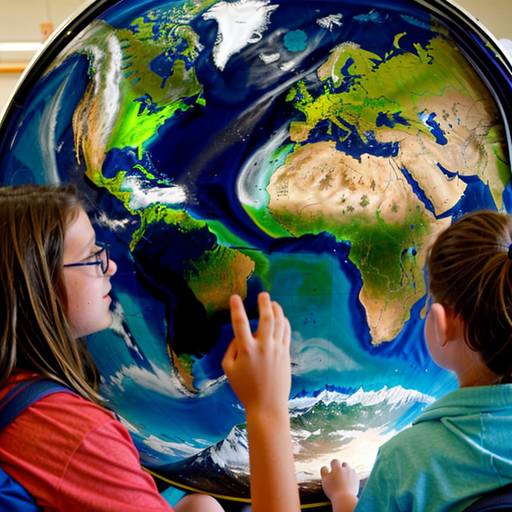
In this 5th-grade social studies lesson focused on geography and landforms, students will explore various types of landforms, including mountains, rivers, valleys, plains, and deserts. The lesson begins with a class discussion, where students share their prior knowledge and experiences related to geography. Instructors will use a world map and visual aids to introduce and describe each landform, highlighting how these features influence climate, habitats, and human activities.
Students will then participate in a group activity, creating drawings and presentations that illustrate key characteristics of specific landforms. Afterward, they will engage in an individual project to design their own maps, incorporating at least three different landforms and labeling them appropriately. The lesson concludes with students sharing their maps and reflecting on their learning experiences.
Assessment will be based on observation during group presentations and the creativity and accuracy of their individual maps. Extensions include opportunities for students to research specific landforms in their hometowns or take virtual field trips to see actual geographic features. Overall, this lesson aims to enhance students' understanding of geography and the significance of landforms in their everyday lives.

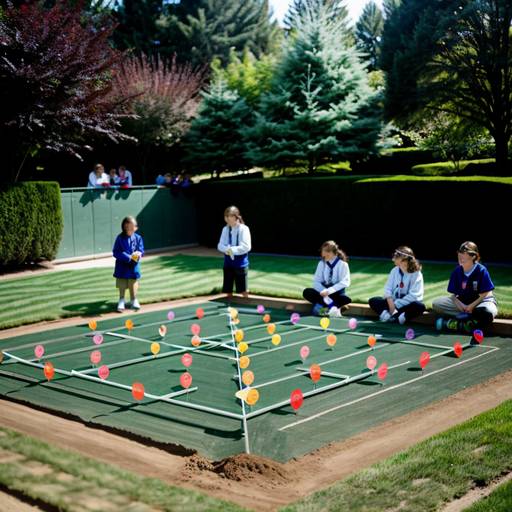
In this 5th-grade math lesson, students will explore the concept of perimeter and its practical applications through engaging activities. The lesson begins with a discussion about gardens, prompting students to consider how perimeter is essential for planning these spaces. Through direct instruction, students will learn how to calculate the perimeter of common shapes such as rectangles, squares, and triangles.
Working in small groups, students will draw their own shapes on graph paper, measure their sides, and calculate their perimeters using the appropriate formulas. Following this, the class will participate in a hands-on challenge where they measure perimeter in a physically constructed course of various shapes using markers. Each group will record their findings, fostering teamwork and collaboration.
At the conclusion of the lesson, students will share their results and reflect on what they’ve learned about perimeter. The assessment will include observation of participation, review of calculated perimeter worksheets, and an exit ticket prompting each student to identify a new insight gained from the lesson. Extensions are available for those who wish to delve deeper, and key vocabulary terms will be introduced throughout the session to enhance understanding of perimeter and measurement.
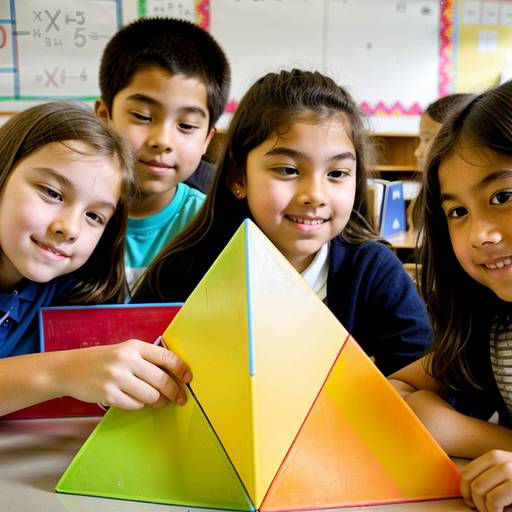
In this 5th-grade mathematics lesson, students will explore geometry and the concept of perimeter through a combination of direct instruction, guided practice, and hands-on activities. The lesson begins with a discussion about different geometric shapes and an introduction to perimeter as the distance around a shape. Students will learn how to calculate the perimeter of various polygons, including squares, rectangles, and triangles.
During guided practice, students will work in groups to complete worksheets featuring multiple shapes, applying their understanding of perimeter calculations. They will then engage in a creative hands-on activity where they create their own geometric shapes using string or yarn on graph paper, measure the sides, and calculate the perimeter.
The lesson will culminate in a sharing session, where students present their creations and explain their calculations, reinforcing their understanding. Assessment will be based on completed worksheets, participation during group activities, and the accuracy of perimeter calculations. Extensions and differentiation strategies are provided to accommodate diverse learners, including opportunities to explore area in a subsequent lesson and challenges for advanced students. Overall, the lesson emphasizes engagement and practical application of geometry concepts.
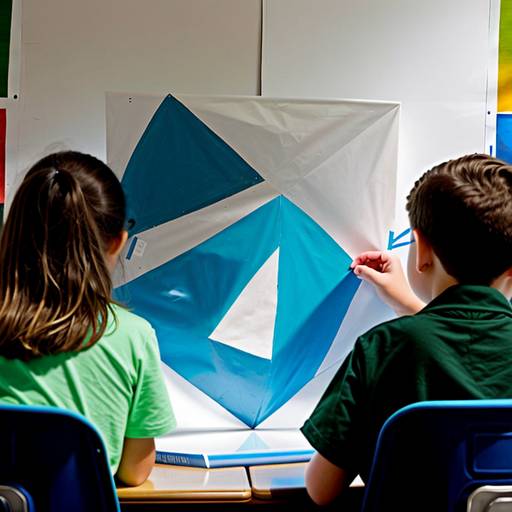
In this lesson, 5th-grade students will explore the concept of area in various geometric shapes, including rectangles, triangles, and parallelograms. The class begins with a review of geometric shapes and an introduction to the definition and significance of area. Students will learn the specific area formulas for different shapes, followed by a hands-on activity where they measure dimensions on provided cutouts and calculate the area using the appropriate formulas. After guided practice, students will complete a worksheet independently, which will assess their understanding of the topic. The lesson concludes with a review and discussion of the answers, reinforcing the importance of measurement and calculation methods. Extension activities for advanced learners and accommodations for those needing additional support will ensure that all students can engage with the material effectively. The lesson will culminate in a reflection to evaluate student understanding and strategies for improvement in future lessons.
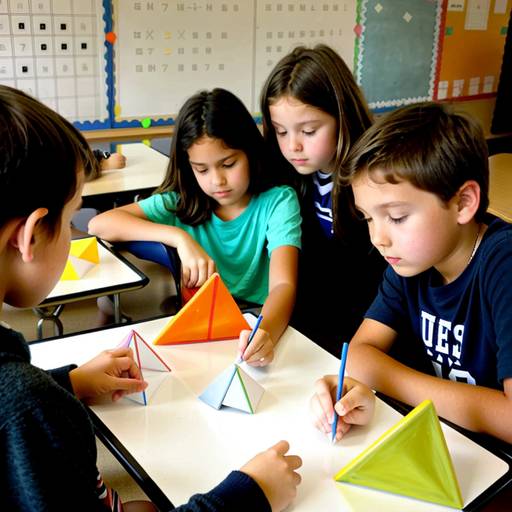
In this 5th-grade math lesson focused on geometry and angles, students will learn to identify and measure different types of angles, including acute, right, and obtuse angles. The lesson begins with a review of geometrical concepts and visual examples, followed by direct instruction on how to use protractors for measuring angles in various shapes. Students will participate in guided practice by measuring angles on worksheets and will engage in a hands-on activity where they create their own geometric shapes, labeling the angles and calculating their measurements. The session concludes with a group discussion to reinforce concepts and an exit ticket for self-reflection on their learning experience. Throughout the lesson, opportunities for differentiation will ensure all students can grasp the material effectively while challenging advanced learners to explore more complex geometric concepts.
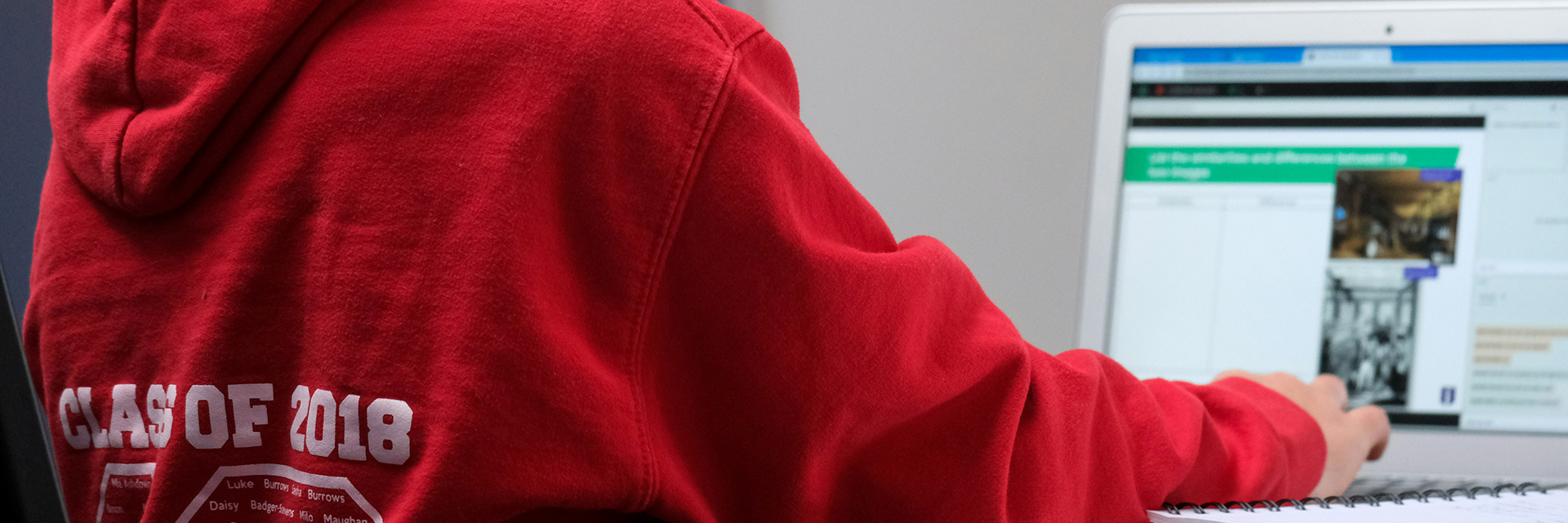

In this 5th-grade technology lesson, students will develop essential internet skills focused on online research and effective information gathering. The lesson begins with discussions on internet safety and the importance of evaluating the credibility of sources. Students will learn how to identify reputable websites and practice using advanced search techniques to enhance their research capabilities.
Throughout the class, students will gather information, assess the reliability of different online sources, and organize their findings using a structured checklist. They will then have the opportunity to create presentations using their research and share their findings with peers. The lesson emphasizes active participation, critical thinking, and effective communication, preparing students for future research projects in a digital age. Assessment will involve student presentations, worksheets, and group activities that gauge their understanding and application of online research skills.
Extensions of the lesson may include creating detailed reports or infographics based on their research, as well as exploring digital citizenship concepts related to copyright and source attribution. Overall, the lesson aims to equip students with practical skills for navigating the internet responsibly and effectively in their academic endeavors.
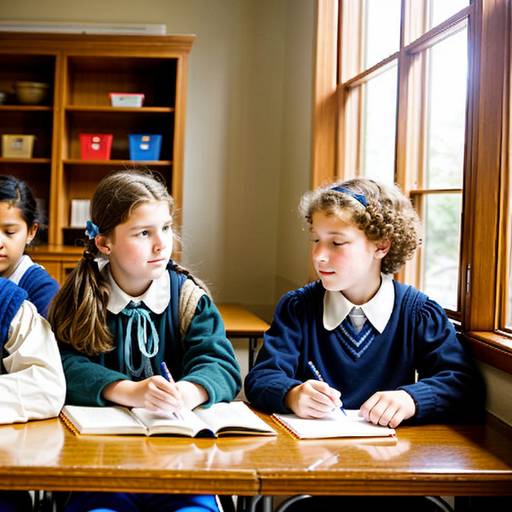
In this 5th-grade social studies lesson, students will explore the lives and contributions of significant American pioneers. The lesson begins with an introduction to the concept of pioneers, followed by group research on specific historical figures such as Davy Crockett, Sacagawea, Harriet Tubman, and Lewis and Clark. Working in small groups, students will gather information from provided biographies and online resources to understand their assigned figure’s major accomplishments, challenges, and impact on the United States.
After researching, each group will create a presentation or poster to summarize their findings, incorporating visual elements to enhance their sharing. Students will then present their work to the class, fostering engagement through questions and discussions. The lesson will conclude with a reflection on the ongoing influence of these pioneers in today’s society. Assessment will focus on group participation and the quality of presentations, while extensions include creative writing activities and a themed day to further immerse students in pioneer history. Differentiation strategies are in place to support diverse learning needs, ensuring an inclusive and enriching experience for all students.