
Filters
Level
Grade
Subject
Subject Area
Subject Topic
Standard(s)
Audience
Keyword
DurationMinutes
5th Grade Lesson Plans
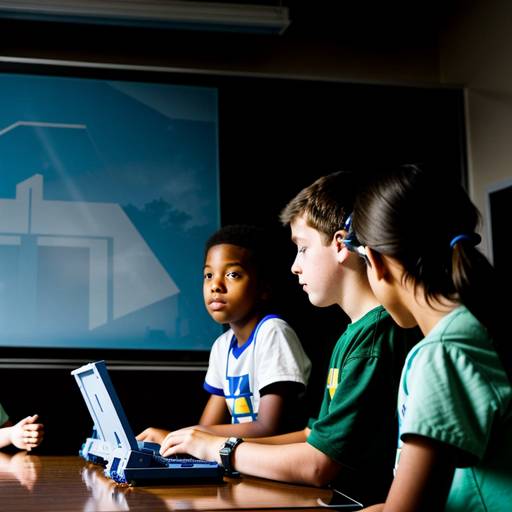
This 5th-grade technology lesson focuses on exploring robotics and its applications in various fields. Over two class periods, students will engage in activities that help them understand different types of robots, their functionalities, and the coding that enables them to perform specific tasks.
On the first day, students will watch a video showcasing robots in action and discuss their real-world applications. They will work in small groups to research a specific type of robot, culminating in presentations to share their findings with the class. The lesson will also introduce basic coding concepts relevant to robotics.
On the second day, students will work collaboratively in groups to build simple robots using provided kits and program them to perform tasks. They will demonstrate their creations to the class, explaining the programming behind their robot's movements. Reflection worksheets will help students consolidate their understanding of robotics concepts and provide insight into their learning experience.
This hands-on approach encourages teamwork, creativity, and critical thinking, while connecting students with real-world technology applications. Extensions and adaptations are included to accommodate varying skill levels and encourage further exploration in the field of robotics.

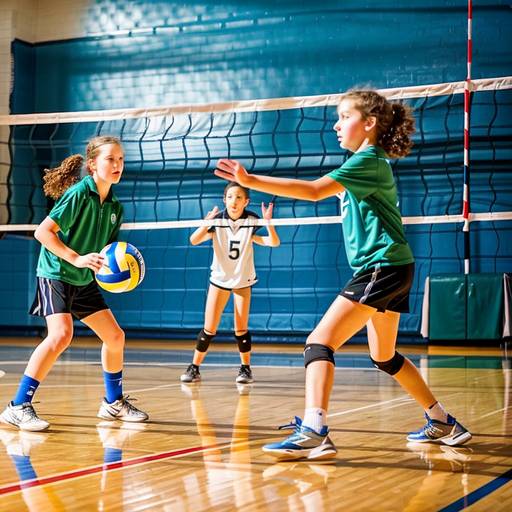
This 5th-grade physical education lesson focuses on teaching students the fundamental skills of volleyball, including bumping, setting, and spiking, while also introducing the basic rules of the game. The 60-minute session begins with a warm-up and an overview of volleyball concepts. Students rotate through skill stations where they practice bumping and setting with partners, followed by spiking techniques.
To apply their skills, students are divided into small teams for a mini-tournament, where they engage in friendly matches while learning about teamwork and communication. The lesson concludes with a cool-down and static stretching, allowing students to reflect on their learning experiences. Throughout the lesson, students receive feedback on their technique and sportsmanship, with adaptations made for varying skill levels. Teacher reflection is encouraged to enhance future lessons based on student feedback and performance.

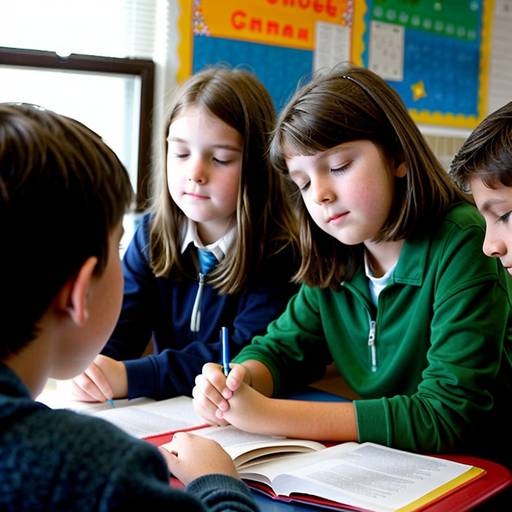
This 5th-grade language arts lesson focuses on teaching students the rules of capitalization in a fun and interactive manner. The lesson begins with a class discussion about the significance of capitalization in writing, followed by an introduction to essential capitalization rules, such as capitalizing the first word in a sentence, the pronoun "I," proper nouns, and specific time references.
During guided practice, students collaboratively identify and correct capitalization errors in sample sentences displayed on the whiteboard. They then engage in an independent activity where they work in pairs to capitalize a short story with missing capitals and create illustrations for it.
As the lesson closes, pairs present their revised stories to the class, emphasizing the corrections they made. The instructor assesses student understanding through observation and a quick activity where students write down a capitalization rule they learned. Extensions are provided for advanced students and those who need extra practice. Overall, the lesson aims to develop students' grammar skills while encouraging collaboration and creativity.
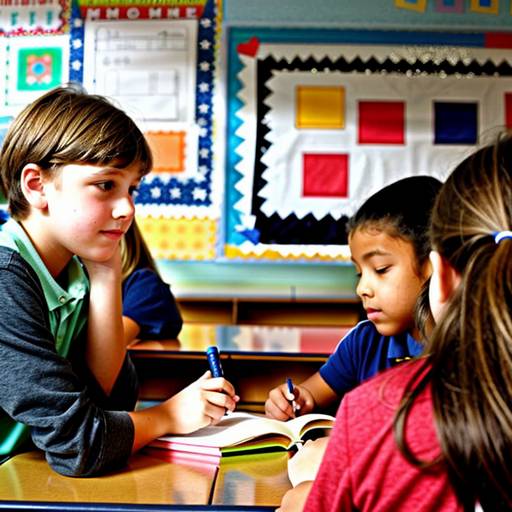
In this 5th-grade Language Arts lesson, students will learn and practice capitalization rules essential for clear writing. The session begins with a discussion highlighting the importance of capitalization, illustrated by examples of sentences with errors. Direct instruction will outline the key rules, including capitalizing the first word of a sentence, proper nouns, and titles. Students will engage in guided practice by correcting sentences on a worksheet, and then work independently to create a short story based on a provided prompt, applying the capitalization rules learned. The lesson concludes with selected students sharing their stories, followed by a review of the importance of proper capitalization in effective communication. Assessment will include collected worksheets and evaluated writing pieces to gauge understanding, with differentiation strategies in place for varying student needs.
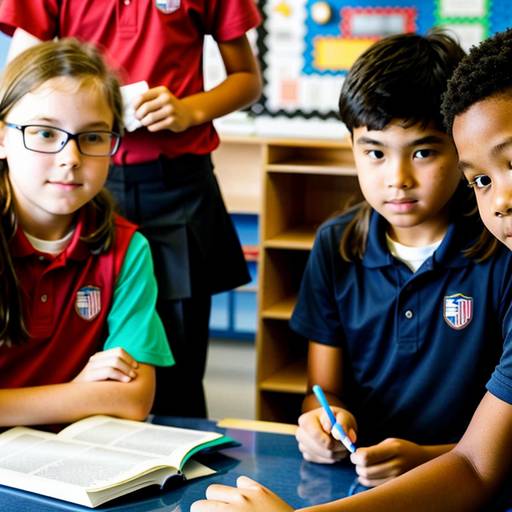
In this engaging two-day lesson plan for 5th-grade students, learners will explore multimedia creation and video editing through a hands-on project. The first day focuses on brainstorming and storyboarding, where students work in small groups to develop their video ideas and create a visual outline of their story, incorporating key elements like message, audience, and scene details. Students will then assign roles and plan their filming strategy.
On the second day, groups will film their projects using available equipment, rotating roles to encourage teamwork. After filming, they will edit their footage, incorporating multimedia elements such as music and images while learning basic editing techniques. The lesson concludes with a reflection on their learning experience and the importance of collaboration.
Assessment will be based on participation, creativity, and the final video presentation. Potential extensions include a video screening day for peer feedback and opportunities to explore more advanced multimedia topics in future lessons.
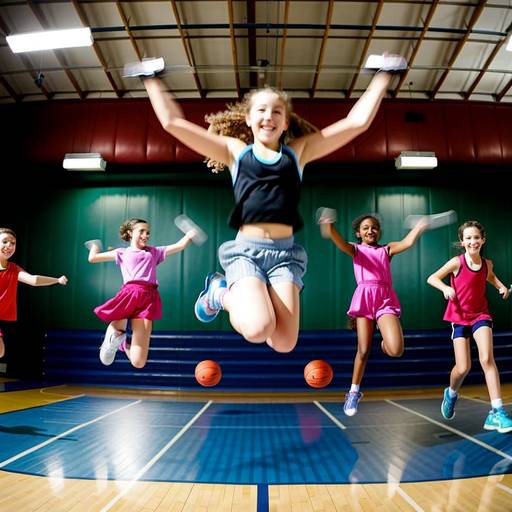
This physical education lesson plan for 5th graders focuses on engaging students in various cardiovascular fitness activities. The lesson begins with a warm-up that includes dynamic stretching and jogging to prepare students for physical exertion.
Students participate in four different activity stations, each designed to promote cardiovascular health and teamwork. These stations include challenges such as jump roping, hula hoop relays, an agility course, and alternating sets of jumping jacks and burpees. Participants rotate through each station, experiencing a variety of cardio exercises while tracking their performance.
After completing the activities, students engage in a cool-down period that incorporates static stretching and deep breathing to help their bodies recover. Assessment occurs through observation and discussion, allowing students to reflect on their experiences and the importance of fitness.
To reinforce learning, students are encouraged to maintain a fitness log at home, tracking their exercise habits. Overall, the lesson aims to make fitness enjoyable and educate students about the significance of cardiovascular exercise in their daily lives.

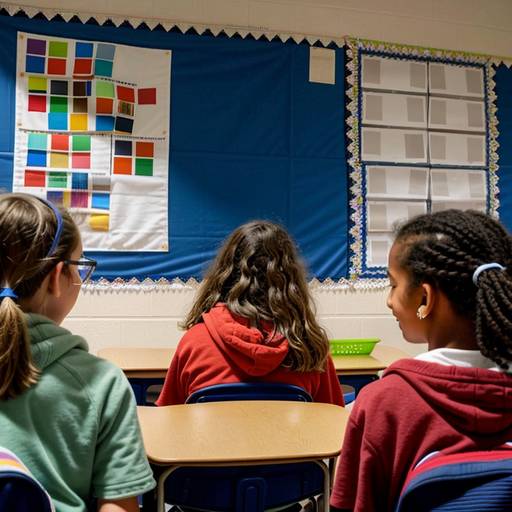
This lesson plan for 5th-grade social studies focuses on exploring the concepts of community and diversity. Students will start by discussing what constitutes a community and the unique characteristics that make theirs special. They will learn about diversity, encompassing various cultures, ethnicities, and traditions, through small group activities. Each group will research and create a mini-poster representing a specific aspect of diversity within their community, such as language, religion, or traditions. Following the creation of their posters, students will engage in a gallery walk to share their findings and learn from one another.
The lesson culminates in a class discussion, allowing students to reflect on the significance of diversity and how it enriches their community. Assessment will take place through participation, the content of their group work, and a written reflection on what they learned about diversity. Extensions of the lesson include planning a “Diversity Day” for students to share cultural artifacts and experiences, as well as creating a class mural to visually represent their collective cultural backgrounds. This approach aims to foster inclusivity and cultural awareness among students, highlighting the value of diversity in their lives.
In this 5th-grade social studies lesson, students will explore the concept of timelines and their importance in organizing historical events. Beginning with a discussion on the significance of understanding the chronological order of events, the teacher will present examples of historical timelines, highlighting key moments in history.
During guided practice, students will collaboratively create a timeline on the board that includes major events, fostering a better comprehension of historical context. For their independent activity, students will develop their own personal timelines by selecting three significant events from their lives, which they will place in chronological order. They will have the opportunity to share these timelines in small groups, discussing the importance of each event.
The lesson will conclude with some students presenting their timelines to the class, reinforcing the connections between personal experiences and historical narratives. Assessment will be through observation during group sharing and evaluation of personal timelines for creativity and organization. An extension activity invites students to research a historical figure or event to create a themed timeline for display. This engaging lesson allows students to appreciate the interconnectedness of history and their own lives.

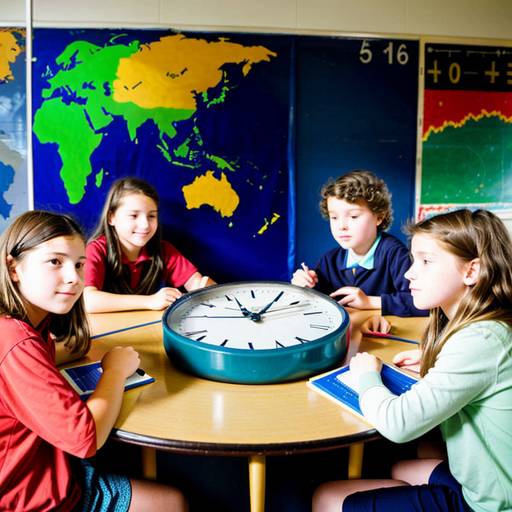
In this 5th-grade math lesson, students will explore the concept of time and time zones across the globe. They will begin by discussing the importance of time in their daily lives and learning how the Earth is divided into different time zones. Through a guided practice activity, students will work in small groups to research specific cities, discovering their time zones and current local times, and creating informative posters about their findings.
Following that, students will engage in independent practice by solving worksheets that involve calculating time differences between various locations. The lesson will culminate with group presentations, allowing students to share their research and deepen their understanding of how time varies around the world. Assessment will focus on group collaboration, the quality of posters, and the accuracy of worksheet responses. Extensions and accommodations will be provided to enrich the experience and support all learners, ultimately fostering an appreciation for global time differences and their cultural significance.
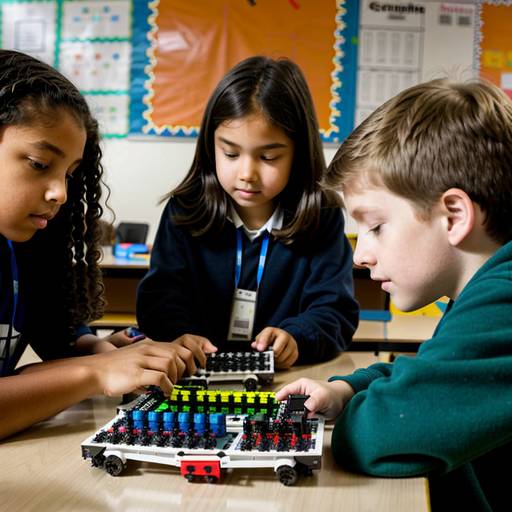
This lesson plan is designed for 5th-grade students to explore the fundamentals of robotics and programming through hands-on activities. Over two sessions, students will learn about the basic components of robotic systems and collaborate in small groups to design, build, and program a robot capable of completing a specific task.
The first session focuses on introducing the concept of robotics, discussing real-world applications, and encouraging students to brainstorm and sketch their robot designs. In the second session, students will construct their robots using LEGO kits and utilize block-based programming software to code their robots to perform designated functions.
Throughout the process, students will gain practical experience in teamwork, critical thinking, and problem-solving. The lesson concludes with opportunities for testing, reflection, and potentially a friendly competition, fostering an engaging and collaborative learning environment while developing essential skills in technology and engineering.