
Filters
Level
Grade
Subject
Subject Area
Subject Topic
Standard(s)
Audience
Keyword
DurationMinutes
5th Grade Lesson Plans

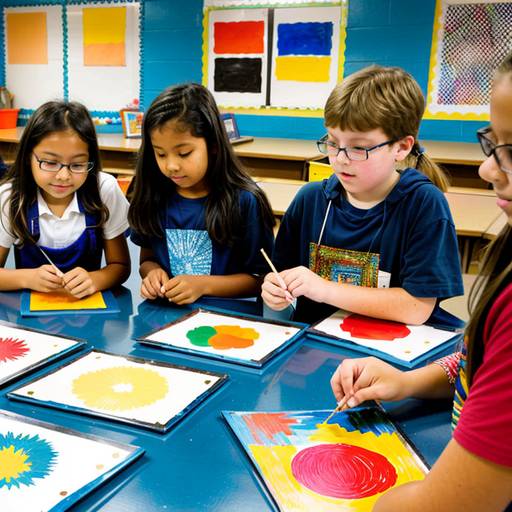
In this 5th-grade art lesson, students will explore the creative process of printmaking using foam plates. They will start with a brief introduction to printmaking techniques and famous artworks, followed by a demonstration on how to design and carve simple images into foam. Students will then create their own prints by applying paint to their foam plates and pressing them onto paper. The hands-on activity encourages experimentation with color and design while developing fine motor skills. As students share their artworks, they will reflect on their experience and the techniques they've learned. The lesson concludes with cleanup and a discussion, ensuring students appreciate their unique creations and the art form. Extensions could include themed projects or creating greeting cards with their prints.

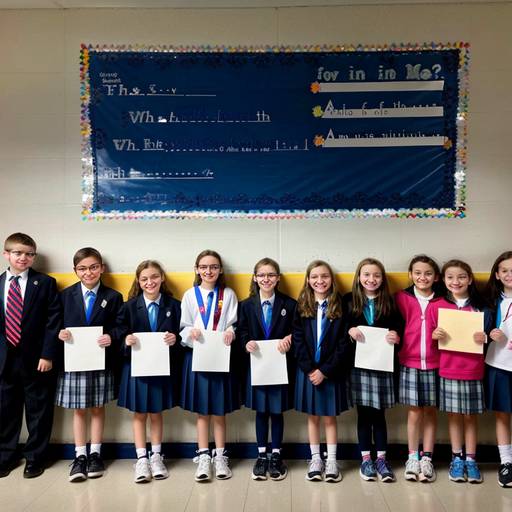
In this 5th-grade language arts lesson, students will explore key punctuation marks and their roles in writing. The lesson begins with a discussion on the importance of grammar and punctuation, followed by direct instruction on various punctuation marks such as periods, commas, question marks, exclamation points, quotation marks, and apostrophes. Students will engage in guided practice by correcting punctuation errors in a short story, working collaboratively to discuss their decisions. For independent practice, they will write a creative paragraph about a themed “parade,” incorporating at least five different punctuation marks correctly. The lesson concludes with a sharing session, allowing students to showcase their work and reflect on the necessity of punctuation in conveying clear meaning. Assessment will involve monitoring participation, evaluating corrections, and reviewing the imaginative paragraphs for proper punctuation usage. Differentiation strategies will be employed to support diverse learners.

This 5th grade language arts lesson plan focuses on grammar and punctuation, helping students understand the importance of using punctuation marks correctly in their writing. The lesson begins with a discussion on punctuation, followed by an introduction to various punctuation marks and their uses. Students engage in guided practice by correcting sentences together as a class, then work in small groups to edit additional sentences. Each group shares one corrected sentence with the class, reinforcing their learning. The lesson emphasizes collaboration and encourages students to understand how punctuation impacts the meaning of sentences. Assessment is done through observation of participation, review of completed handouts, and evaluation of group presentations. Extensions and support are provided for students with varying levels of understanding. Overall, this lesson aims to enhance students’ writing clarity through proper punctuation usage.

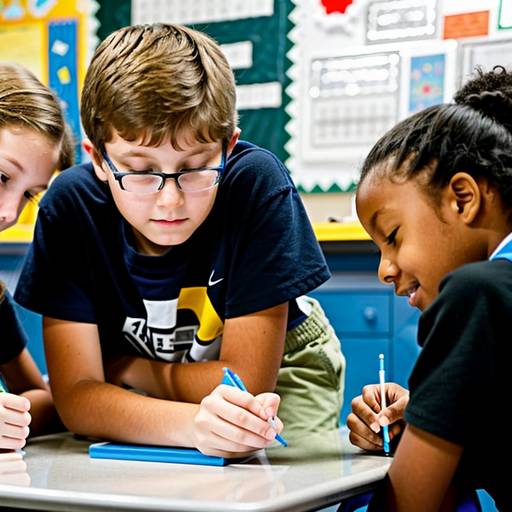
In this 5th-grade physical science lesson, students will explore the concepts of forces, focusing on push and pull, and how these forces affect the motion of objects. The lesson begins with a discussion to assess prior knowledge, followed by a mini-lecture that introduces key vocabulary and principles, including balanced and unbalanced forces.
Students will engage in hands-on activities where they experiment with toy cars on different surfaces using ramps to observe the impact of friction on motion. They will also measure the force required to pull various objects across surfaces using spring scales. After conducting their experiments, students will regroup to discuss their findings, reinforcing the understanding of friction's role as an opposing force.
The lesson concludes with a recap of the key concepts and an assessment through a short quiz. Extensions encourage students to further observe forces in their environment at home. The lesson emphasizes collaboration and hands-on learning while allowing for differentiation based on individual student needs.
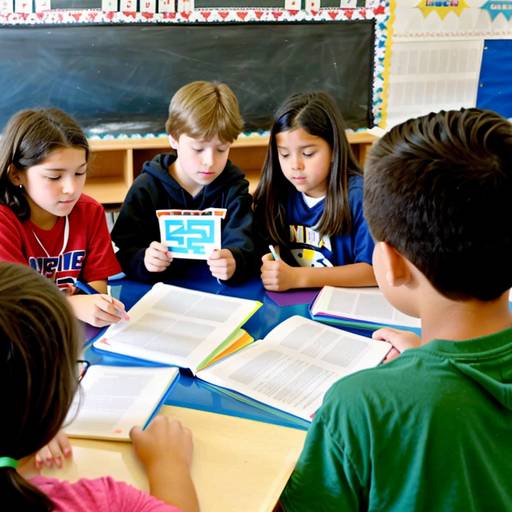
This 5th-grade Language Arts lesson focuses on enhancing reading comprehension and fluency through an interactive group activity. Students are divided into teams and provided with short reading passages to practice. They work together to improve their reading skills, concentrating on speed, accuracy, and expression during their practice time. The central activity is a relay-style reading challenge, where team members take turns reading aloud for timed intervals. Their progress is monitored using fluency tracking sheets to record times and improvements. The lesson concludes with a reflection session, where students share their insights and summarize their readings to demonstrate comprehension. Assessment is based on fluency performance, comprehension, and teamwork. Extensions include regular reading relays with new materials and opportunities for students to showcase their reading efforts.
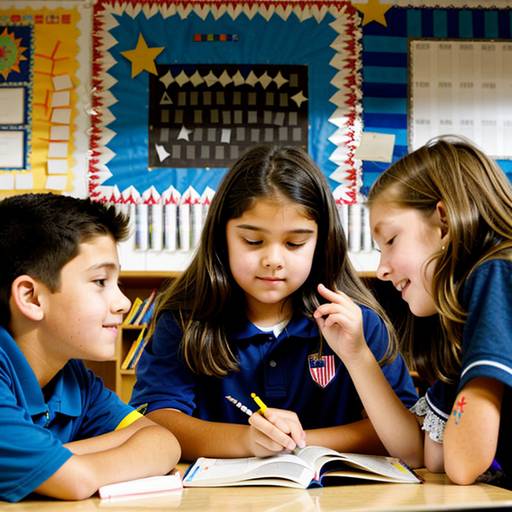
This 5th-grade language arts lesson focuses on enhancing reading fluency through engaging activities and group discussions. Students begin by discussing their experiences with enjoyable reading and what fluency entails. They listen to a fluent reading sample and participate in a choral reading of a selected passage to understand rhythm and expression.
During guided practice, the teacher models fluent reading, followed by a group discussion to assess comprehension of the text. In independent practice, students pair up to read the text aloud to one another, tracking their words per minute and focusing on accuracy and expression during multiple readings.
The lesson concludes with a group reflection where students discuss their reading experiences and strategies for tackling difficult words. An exit ticket activity reinforces learning, as each student notes one new insight about reading fluency. Assessment includes observing student interactions during reading, reviewing progress charts, and evaluating exit ticket responses. Differentiation strategies ensure that all students, regardless of their reading levels, receive appropriate support and challenge.

This lesson plan aims to educate 5th-grade students about digital citizenship and cyberbullying awareness. The class begins with an engaging video highlighting the importance of being respectful online, followed by a group discussion defining digital citizenship. Students work in small groups to explore various scenarios involving cyberbullying, discussing the feelings of victims and bystanders as well as appropriate ways to respond.
Through role-play activities, students practice empathetic responses to cyberbullying situations, reinforcing the importance of kindness and support. Additionally, students create informative posters that summarize their understanding of cyberbullying and digital citizenship. The lesson concludes with a reflective discussion about applying these concepts in their daily online interactions.
Assessment is conducted through participation, the quality of group discussions, and the effectiveness of the posters. The lesson includes opportunities for extension through guest speakers and a "Digital Citizenship Week." Modifications are incorporated to support diverse learning needs among students. Overall, the lesson emphasizes the significance of responsible online behavior and promoting a supportive digital community.

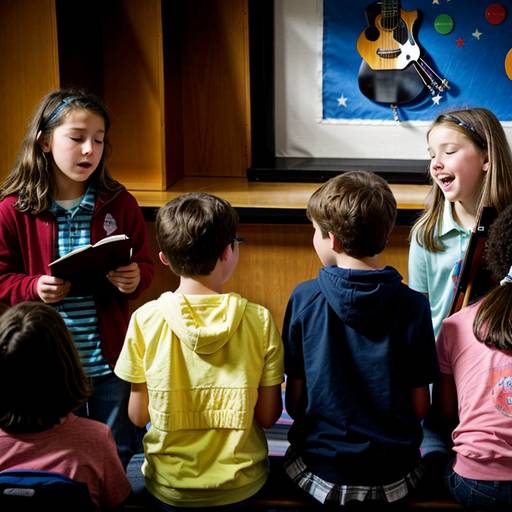
In this 5th-grade music lesson, students focus on enhancing their vocal skills and performance techniques through engaging activities centered on singing and rhythm. The lesson begins with warm-up exercises to prepare their voices, followed by a discussion about their favorite songs. Students then explore basic rhythmic patterns using clapping and body percussion, moving on to create their own rhythms with various instruments.
Next, a lively and age-appropriate song is introduced, and students work together to understand the lyrics and melody. They practice singing the song, incorporating the rhythms they developed earlier. The class is divided into small groups to rehearse, allowing them to perform for one another while receiving constructive feedback.
At the conclusion of the lesson, students reflect on their learning experiences and what they enjoyed most. An exit ticket is used to assess their understanding and identify areas for improvement. The overall goal is to build confidence in singing and performance while developing a deeper appreciation for melody and rhythm.
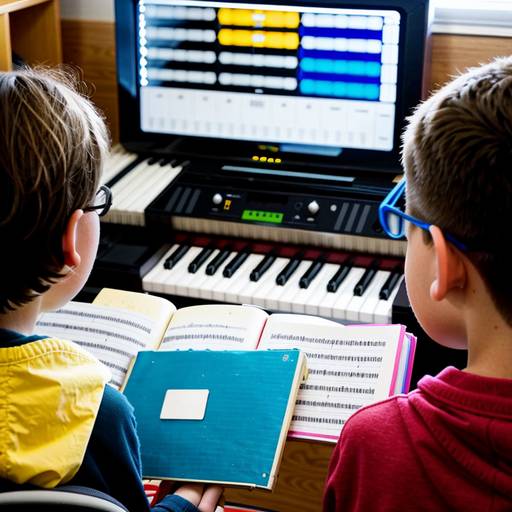
In this 5th-grade music lesson, students will delve into fundamental concepts of rhythm and music theory, focusing on rhythmic notation and time signatures. The session begins with a warm-up clapping exercise to establish a steady beat and to introduce various note values such as quarter notes, half notes, whole notes, and rests. Students will then work in small groups to practice and perform rhythmic patterns, which they will translate into playing on percussion instruments, fostering creativity and collaboration.
As a group, the class will combine their rhythms into a layered performance, using a metronome for synchronization. Following the rhythmic activities, students will listen to selected songs, identifying their rhythmic elements and time signatures, reinforcing their learning through real-world examples. The lesson concludes with a reflection and writing exercise where students summarize what they learned and pose any remaining questions. Assessment will be based on participation, group performances, and individual reflections. Extensions for the lesson include homework on identifying rhythmic elements in favorite songs, encouraging further exploration of rhythm in music.
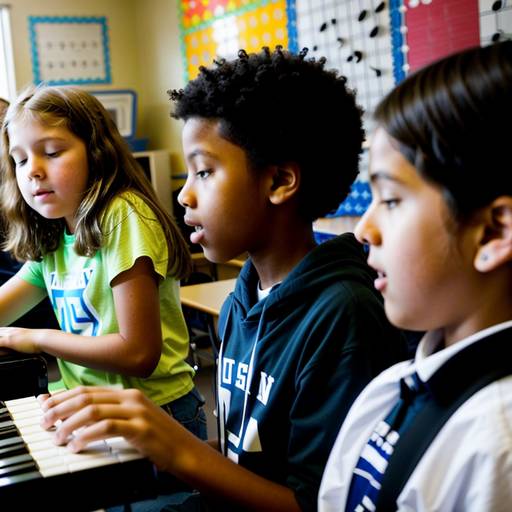
This 5th-grade music lesson focuses on music theory and rhythm, engaging students through various activities designed to enhance their understanding of rhythmic patterns. The lesson begins with a clapping warm-up to introduce basic rhythmic concepts, followed by a discussion that involves students sharing their prior knowledge.
Students will learn about different rhythmic elements, including quarter notes and eighth notes, and practice clapping specific patterns. An interactive listening activity allows them to identify rhythms in music, while a rhythm echo game reinforces their skills in a fun and engaging manner.
In small groups, students will create their own rhythmic patterns using percussion instruments, fostering their collaborative skills and creativity. The lesson culminates in a performance where groups showcase their rhythmic creations, followed by a reflective discussion on the importance of rhythm in music. Assessment will be based on participation and student-generated rhythms, with adaptations available for diverse learning needs. Extensions for future lessons may explore rhythms from different cultures, broadening students' musical horizons.