
Filters
Level
Grade
Subject
Subject Area
Subject Topic
Standard(s)
Audience
Keyword
DurationMinutes
5th Grade Lesson Plans
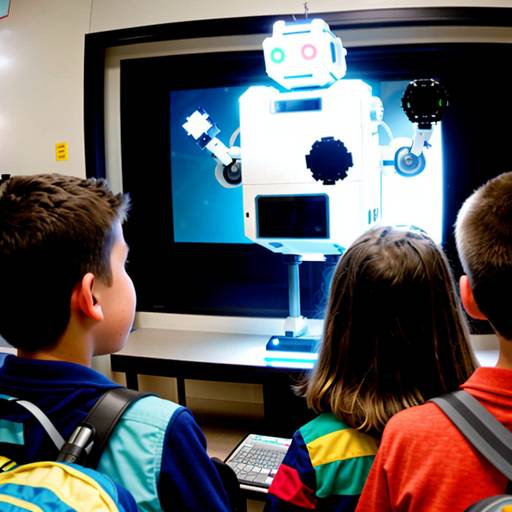
In this 5th-grade technology lesson plan, students will explore the world of robotics and programming through hands-on activities. The lesson is divided into two class periods. In the first period, students will learn about the basic components of robots and engage with building simple robot models using LEGO Mindstorms or EV3 kits. They will also be introduced to fundamental programming concepts such as sequencing and loops, using related coding software.
During the second period, students will apply their learned skills to design and program their robots to navigate a custom obstacle course they created in pairs. They will iteratively test and optimize their code while collaborating and troubleshooting any issues. As a class, students will evaluate each other's robots through demonstrations and peer feedback, promoting critical thinking and teamwork. Assessments will focus on participation, the robot's performance, and a reflective assignment where students will articulate their learning experiences and challenges encountered. Optional extensions will encourage further exploration and creativity in robot capabilities. Overall, the lesson aims to foster an understanding of robotics, coding, and essential collaborative skills.
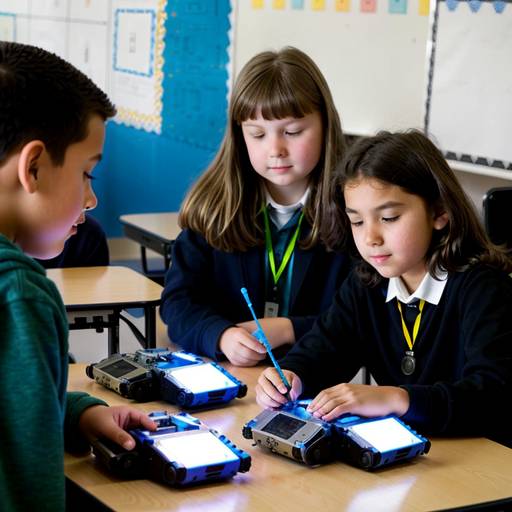
In this 5th-grade technology lesson, students are introduced to the fundamentals of robotics and robot engineering. The lesson spans two class periods and focuses on understanding the components and functions of robots. In the first class, students watch a video about various types of robots, engage in discussions about their applications, and collaborate in small groups to brainstorm problems that a robot could help solve. Each group designs a robot on paper, detailing its features and functions.
In the second class, students build their robots using available kits and programming software, focusing on coding basic functions. After constructing their robots, groups present their designs and demonstrate their functionality to the class, allowing for peer feedback and discussion. Assessment is based on creativity, teamwork, and the robot's performance during presentations.
The lesson encourages collaboration, creativity, and technical skills, while also allowing for extensions like advanced programming concepts. A reflection activity prompts students to consider their learning experiences, challenges faced, and their enjoyment of the project, ultimately helping teachers gauge student understanding and inform future lessons.

In this 5th-grade technology lesson, students explore the world of robotics, focusing on the basic components, functions, and real-world applications of robots across various industries. The first class begins with a warm-up activity where students discuss what they think a robot is, followed by a multimedia presentation highlighting different types of robots and their uses, such as in healthcare and manufacturing.
Students are then grouped to research specific applications of robots, preparing brief presentations to share their findings with the class. In the second class, groups present their research and participate in a hands-on design activity, where they create a model of a robot that serves a particular function related to their research. Each group explains their robot's design and potential applications, fostering collaboration and creativity.
Finally, students reflect on their learning experience, considering the impact of robotics on the future. Assessment focuses on participation, the quality of presentations, and the creativity demonstrated in the robot design. This lesson encourages critical thinking and collaboration while igniting curiosity about technology and innovation.

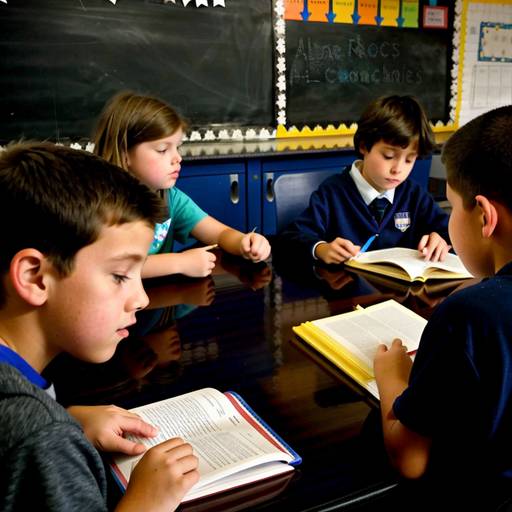
This 5th-grade language arts lesson focuses on enhancing reading fluency through various engaging activities. Students begin by exploring the concept of reading fluency, including its components of rate, accuracy, and prosody. The teacher models fluent reading and introduces strategies such as re-reading, partner reading, and reading aloud with expression.
During guided practice, students pair up to read selected texts while providing feedback to each other, and they track their reading times to monitor progress. The lesson then shifts to independent practice through reader’s theater, where students rehearse and perform scripts in small groups, focusing on expression and fluency.
The lesson concludes with group performances, allowing students to showcase their skills while receiving positive feedback from their peers. Reflection on the benefits of fluency practice reinforces the importance of ongoing reading at home. Differentiation strategies are included to support diverse learners, ensuring that all students can improve their reading fluency in a collaborative and creative environment.

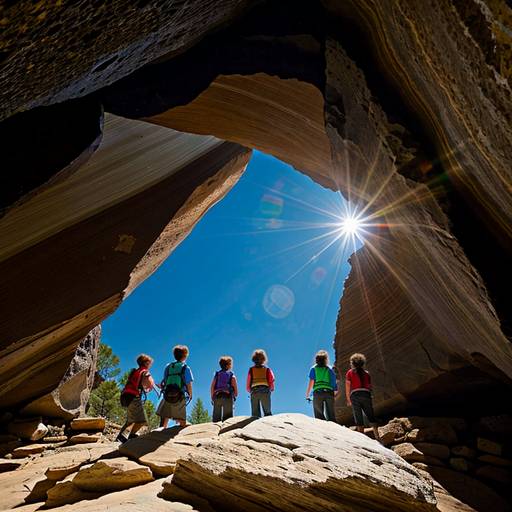
This lesson plan focuses on teaching 5th-grade students about different types of rocks and the rock cycle. The objectives include helping students identify and classify igneous, sedimentary, and metamorphic rocks, as well as understanding the processes involved in the rock cycle.
The lesson begins with an engaging discussion to activate prior knowledge about rocks, followed by a brief video introduction (if time permits). Students then work in small groups to observe and classify rock samples using magnifying glasses and worksheets. Afterward, they create posters illustrating the rock cycle, incorporating their categorized rocks and explaining the formation processes for each type.
Each group presents their poster to the class, fostering collaborative learning and discussion. The lesson concludes with a class summary, where students reflect on what they learned through an exit ticket. The assessment includes observing group participation, evaluating worksheets, and reviewing exit tickets for comprehension.
Extensions may involve field trips to geological sites or creating a classroom rock collection. Differentiation strategies are included to support diverse learners and encourage advanced students to explore local geology further. Overall, the lesson aims to engage students and foster a deeper understanding of Earth Science and the nature of rocks.

In this 60-minute Earth Science lesson for 5th graders, students will explore the fascinating world of rocks by learning about the three main types: igneous, sedimentary, and metamorphic. The lesson begins with a class discussion to gauge prior knowledge and spark interest. Students will be introduced to the rock cycle through a visual diagram, which illustrates how rocks transform from one type to another.
Following the instruction, students will engage in a hands-on activity where they will work in small groups to observe and classify a variety of rock samples using magnifying glasses and worksheets. They will analyze the characteristics of each rock, identify its type, and present their findings to the class.
The session will conclude with a discussion about the significance of rocks in everyday life and the natural environment. Students will then complete a short quiz to assess their understanding of the material. To reinforce learning, they will have a homework assignment to find and bring in a rock from their surroundings for further exploration in the next class. Differentiation strategies are included to support all learners.

In this engaging fifth-grade mathematics lesson, students explore the concepts of money, budgeting, and financial decision-making. The lesson begins with a discussion about the purpose of money and the importance of budgeting, introducing key terms such as income, expenses, and savings.
Students collaborate in small groups to analyze different scenarios that provide them with specific income amounts and a variety of expenses. They create budgets based on these scenarios, making choices about needs versus wants and identifying potential savings. Each group shares their budget with the class, fostering discussion about different financial decisions.
Afterward, students work independently to create a personalized budget using a worksheet that outlines their hypothetical income and expenses, ensuring to include a savings plan. They reflect on their learning by writing about the importance of budgeting in their lives.
The lesson wraps up with a recap of the key concepts and an emphasis on the benefits of budgeting for achieving financial health and goals. Assessment includes evaluating students’ worksheets and their participation in activities, while extensions such as guest speakers and classroom stores provide additional opportunities to reinforce these vital skills. Adaptations are available for diverse learners to support their understanding.

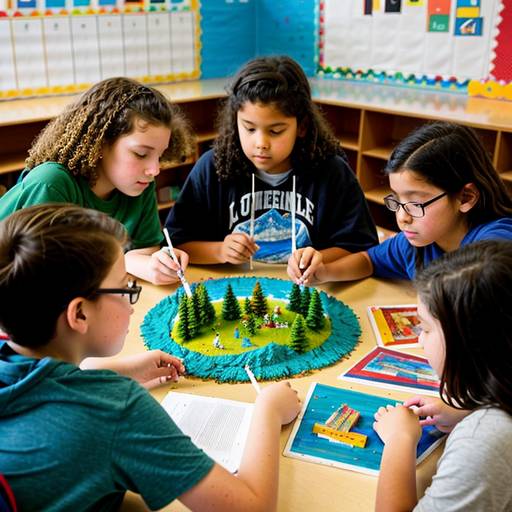
In this 5th-grade art lesson, students will explore the world of sculpture by creating their own three-dimensional artwork that represents a personal story or favorite memory. The lesson begins with a discussion about different types of sculptures and their significance in storytelling, supplemented by examples of famous and everyday sculptures. After brainstorming and sketching their ideas, students will work with air-dry or modeling clay to bring their designs to life, utilizing various sculpting techniques and incorporating found objects for added texture and detail. The class will culminate in a gallery walk where students can showcase their sculptures and share the stories behind them. This engaging project not only enhances creativity and artistic skills but also fosters self-expression and reflection. Assessment will focus on participation, creativity, and the effective use of artistic techniques. Potential extensions include integrating the project with creative writing and organizing a field trip to a local sculpture display.
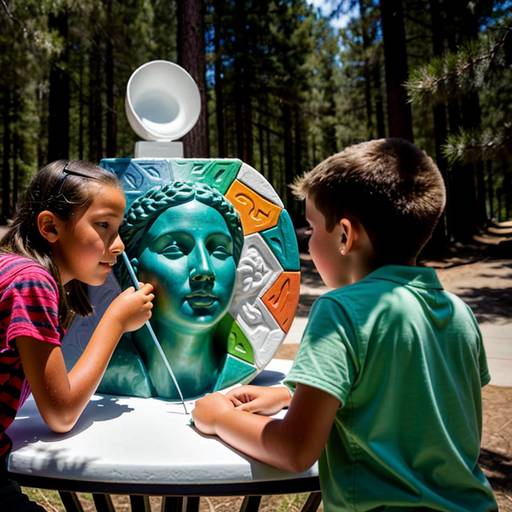
In this 5th-grade art lesson, students will explore the world of three-dimensional art by creating their own sculptures inspired by nature. The lesson spans two class periods, beginning with an introduction to sculpture as a unique art form, where students will discuss and analyze various examples. They will learn essential sculpting techniques using air-dry clay and natural materials, encouraging creativity through individual sketches and group brainstorming sessions.
During the first class, students will create their sculptures, receiving guidance and support from the teacher. The second class will be dedicated to finalizing their pieces and preparing for a class exhibition, where each student will present their sculpture, explaining its inspiration and process. Assessment will focus on creativity, craftsmanship, and presentation skills, with opportunities for feedback and reflection on the overall experience. The lesson provides an engaging way for students to develop artistic skills while fostering collaboration, communication, and an appreciation for 3D art forms.
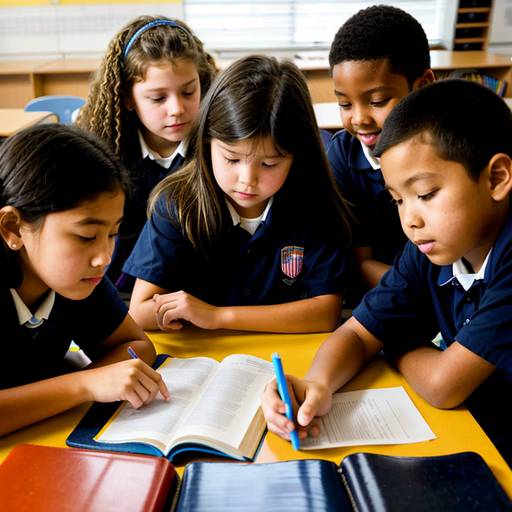
The lesson plan focuses on helping 5th-grade students understand the fundamental components of sentence structure, including subjects, predicates, and objects. It begins with an engaging class discussion about what constitutes a good sentence, followed by direct instruction where the teacher explains and illustrates the parts of a sentence on chart paper.
Students then work in small groups to construct sentences using provided materials, presenting their creations to the class while identifying each part of the sentence. Following the group activity, students engage in independent practice through worksheets that focus on identifying components, correcting run-on sentences, and composing their own sentences.
The lesson wraps up with a summary discussion where students share their learning experiences. Assessment occurs through observation of group participation and the evaluation of completed worksheets. The plan also includes provisions for extensions and differentiation to accommodate varying student abilities, ensuring all learners can engage with the material. Finally, the teacher reflects on the lesson's effectiveness and areas for improvement based on student engagement and understanding.