
Filters
Level
Grade
Subject
Subject Area
Subject Topic
Standard(s)
Audience
Keyword
DurationMinutes
5th Grade Lesson Plans
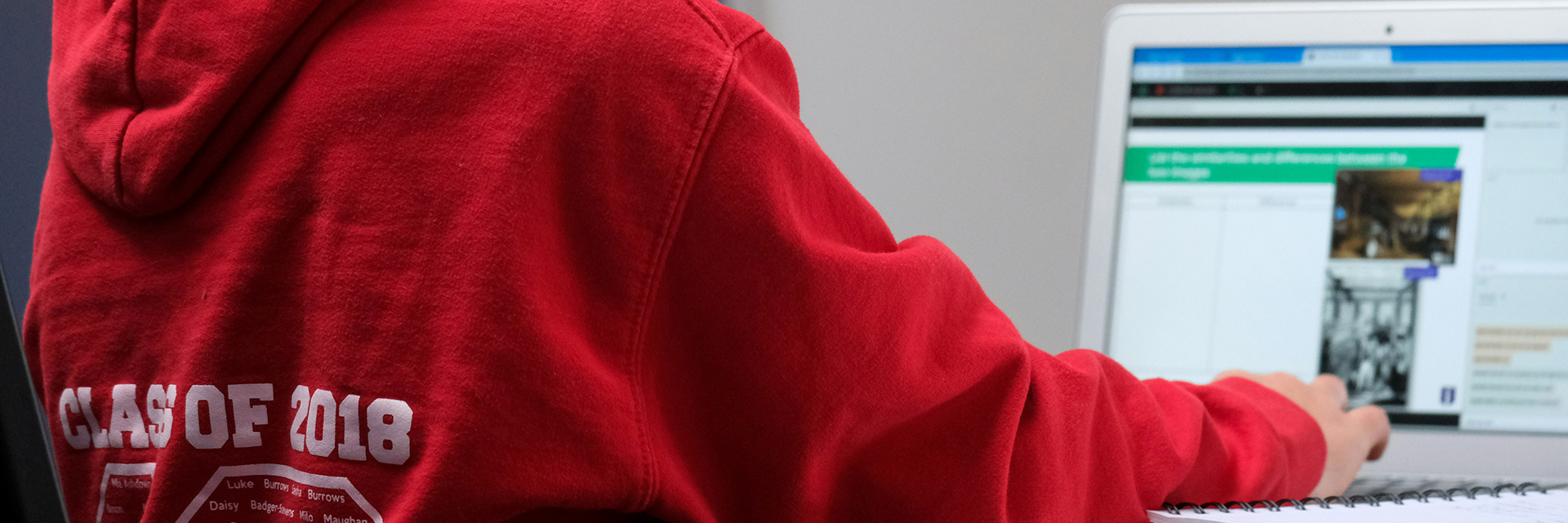

This 5th-grade technology lesson focuses on developing fundamental internet skills and understanding search engine basics. Students will learn how the internet operates and the role of search engines in accessing information. The lesson includes direct instruction on effective search techniques, including keyword usage and evaluating the reliability of sources. Students will engage in hands-on activities in pairs to research specific topics online, applying the skills they’ve learned. After gathering information, they will complete a quiz to assess their understanding of search methods and internet safety. The lesson concludes with a review of key concepts and the introduction of an optional internet safety game for further reinforcement. Extensions include creating digital presentations or simple websites to apply their new skills. Overall, the lesson aims to empower students with the ability to navigate the web effectively and responsibly.

In this 5th-grade music lesson, students will explore the fundamentals of music theory by learning to identify and name musical notes on the staff. The class begins with a discussion about the significance of music, followed by a mini-lecture introducing the staff, treble and bass clefs, and the names of line and space notes. To reinforce their understanding, students participate in an interactive game where they collaboratively identify notes on a staff. The lesson includes a brief overview of note values, demonstrated through clapping exercises. To assess their comprehension, students complete a worksheet with exercises related to note identification and values, which is reviewed as a class. Extension activities allow students to showcase their creativity through simple melody creation. The session aims to engage students in learning while fostering teamwork and a deeper understanding of musical concepts.
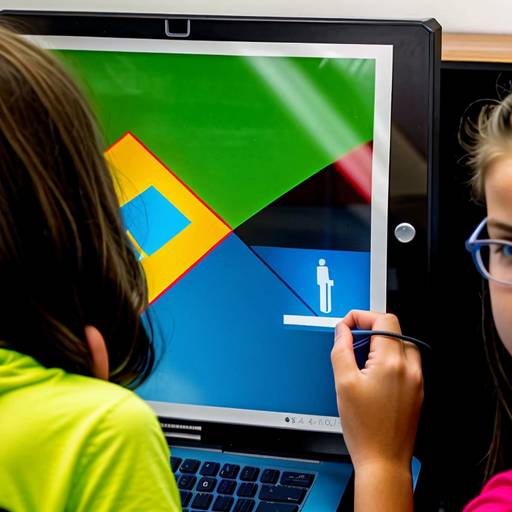
This 5th-grade technology lesson focuses on teaching students essential internet navigation skills and principles of netiquette. The lesson begins with a discussion about the internet's benefits and personal online experiences. Students will learn how to effectively use search engines and evaluate sources while exploring the importance of respectful online communication.
In small groups, students will analyze various online scenarios to determine appropriate responses based on netiquette guidelines. The lesson includes an interactive quiz to reinforce understanding of these concepts and clarify any misconceptions. Finally, students will reflect on how they can apply the lessons learned to their own online activities. Through participation, assessments, and homework, this lesson aims to cultivate responsible digital citizenship among students.

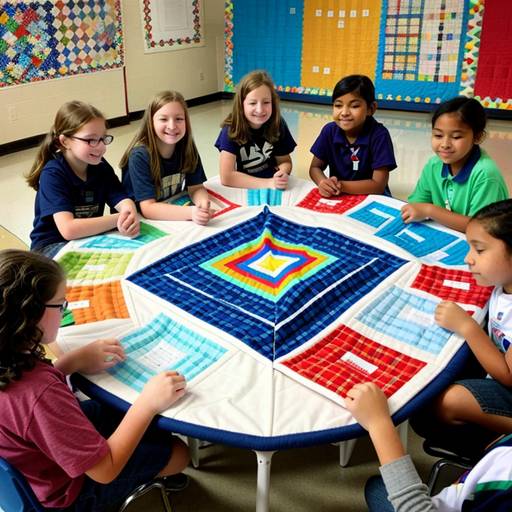
In this 5th-grade social studies lesson, students will explore the concepts of community and diversity. The lesson is designed to help students understand how different backgrounds, cultures, and traditions contribute to the richness of their classroom community.
During the first class, students will engage in discussions about what constitutes a community and how diversity enhances it. They will complete a worksheet that encourages them to reflect on their own cultural backgrounds and share their findings with a partner, fostering mutual understanding and appreciation.
In the second class, students will create individual quilt squares that represent their unique identities and cultural contributions. These squares will be displayed together to form a collaborative community quilt, symbolizing the diversity within the classroom. Students will present their designs and explain their significance, encouraging self-expression and collective reflection.
By the end of the lesson sequence, students will have gained insights into the value of diversity in their community and will have creatively participated in a project that celebrates their individual and shared identities. The lesson culminates in a reflection session on the completed quilt, highlighting the importance of appreciating and valuing differences among classmates. An extension activity can further enhance community connections by inviting family members to participate in a cultural sharing event.

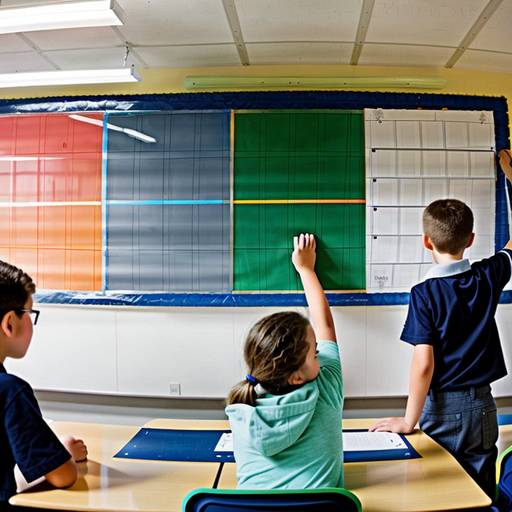
This 5th-grade mathematics lesson focuses on the concepts of measurement and perimeter. The lesson begins with an engaging introduction where students discuss their understanding of perimeter, followed by a clear explanation and demonstration of how to measure lengths and calculate the perimeter of shapes.
Students then pair up to measure various objects in the classroom, recording their findings and calculating perimeters collaboratively. After this guided practice, they will create their own shapes on graph paper, measure each side, and calculate the perimeter, showcasing their creativity.
The lesson concludes with a sharing session where students present their shapes and calculations, reinforcing their understanding of perimeter and measurement. Assessment will be based on observation during activities and the accuracy of their calculations. This lesson encourages hands-on learning, collaboration, and critical thinking, while also providing opportunities for differentiation based on student needs.

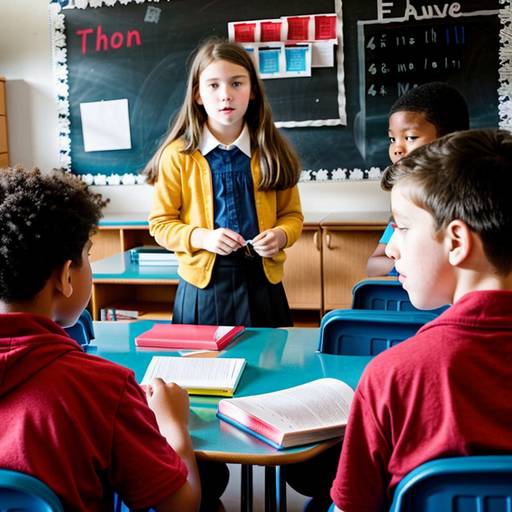
In this 5th-grade Language Arts lesson, students will explore persuasive writing, focusing on how to craft a compelling argument. The lesson begins with a discussion on the purpose and elements of persuasive writing, including clear opinions, reasons, evidence, counterarguments, and calls to action. Students will work in small groups to brainstorm ideas on a given topic, filling out a graphic organizer to structure their thoughts. Following the group activity, each student will write a persuasive paragraph on a topic of their choice, incorporating the discussed elements. The lesson concludes with opportunities for students to share their writing with the class, allowing for feedback and discussion on the effectiveness of their arguments. Assessment will involve evaluating the written paragraphs based on a rubric focused on clarity, reasoning, evidence, organization, and grammatical conventions. Extensions and adaptations are provided to support diverse learning needs and interests.
In this 5th-grade technology lesson, students will explore multimedia creation through photo editing and storytelling techniques. Over the course of two class periods, they will learn essential photo editing skills using multimedia software, such as cropping, adjusting brightness, and adding text.
The lesson begins with a discussion on how visuals can convey messages, followed by a demonstration of the photo editing tools. Students will then work in pairs to select a theme for their digital photo collage, sketching out their ideas before creating their collages using the software.
On the second day, students will present their collages to the class, explaining their creative choices and the techniques they utilized. Assessment will focus on participation, creativity, and clarity in both the collage and the presentation. Additional extensions may include creating a digital portfolio of work and organizing a gallery walk to showcase student projects. Overall, the lesson fosters creativity, collaboration, and practical skills in multimedia creation.
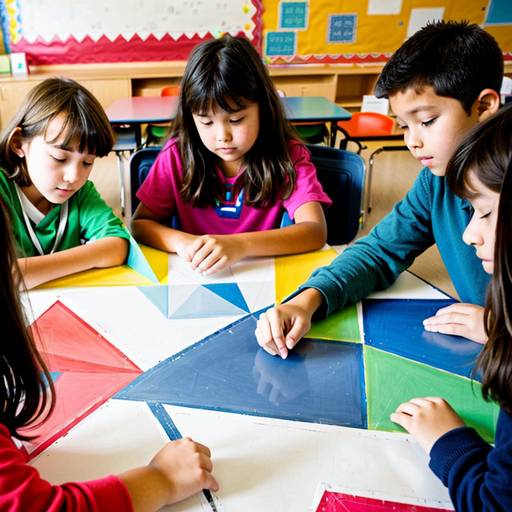
In this 5th-grade math lesson, students explore the concepts of geometry and area through the study of various polygons, including triangles, rectangles, parallelograms, and trapezoids. The lesson begins with a review of polygon types and the significance of area in real-life applications. Students learn and practice calculating the area of each polygon using the appropriate formulas, moving from direct instruction to guided and independent practice. Throughout the activities, they engage in drawing shapes on grid paper to reinforce their understanding and apply their knowledge to solve related word problems. The lesson concludes with a review and discussion of how area calculations are used in various fields, allowing students to connect mathematical concepts to everyday situations. Assessment is conducted through observation during paired activities and graded worksheets. Extension activities offer challenges for faster learners, while differentiation strategies support those needing additional help. Overall, the lesson encourages collaboration and hands-on engagement with geometry.


This 5th-grade physical education lesson focuses on promoting fitness and strength through engaging activities and teamwork. Students will begin with a dynamic warm-up to prepare their bodies, followed by a brief introduction to key strength exercises, including push-ups, squats, planks, and resistance band workouts.
The main activity consists of a fitness challenge course with multiple exercise stations where small groups rotate through each station, aiming to complete as many repetitions as possible within a set time. This structure encourages collaboration and friendly competition among classmates.
To conclude, students will participate in a cool-down stretching routine, followed by a group discussion reflecting on their experiences and the importance of fitness. The lesson emphasizes active participation, personal goal setting, and the development of lifelong fitness habits while ensuring students learn proper exercise techniques safely. Assessment will be based on participation, effort, and contributions to group activities.
This 5th-grade language arts lesson focuses on introducing students to persuasive writing. The lesson begins with a discussion about personal experiences in trying to persuade others, leading to an exploration of persuasive writing techniques such as emotional appeal, logical reasoning, and credibility. Students engage in group work to brainstorm persuasive arguments around assigned topics and share their ideas with classmates. Following this collaboration, each student composes an individual persuasive paragraph, incorporating the techniques learned. The class concludes with selected students sharing their writing, fostering an understanding of effective persuasion and its importance. Assessment includes evaluating students' written paragraphs and monitoring group interactions to gauge understanding. The lesson includes differentiation strategies and an optional extension activity for those seeking further engagement.