
Filters
Level
Grade
Subject
Subject Area
Subject Topic
Standard(s)
Audience
Keyword
DurationMinutes
5th Grade Lesson Plans

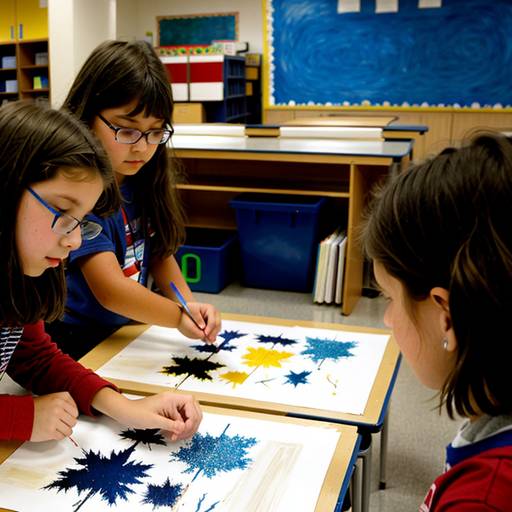
In this 5th-grade art lesson, students explore the exciting techniques of printmaking, specifically monoprinting and relief printing. Over two class sessions, they begin by learning about the history and applications of printmaking through discussion and visual examples. The teacher demonstrates both techniques, guiding students in planning their own unique designs. In the second session, students create their prints using the techniques learned, experimenting with color and texture. The lesson culminates in a gallery walk where students showcase their artwork and articulate their creative process. The assessment focuses on participation, creativity, and understanding of the techniques, while differentiation strategies provide support to diverse learners. Overall, this engaging lesson fosters artistic expression and critical thinking in a hands-on environment.
In this two-day art lesson, 5th-grade students will explore various art periods, including Prehistoric, Ancient, Renaissance, and Modern Art. The first class will focus on introducing key characteristics and historical contexts through a slideshow presentation and group discussions, allowing students to examine and analyze works from each period.
During the second class, students will create their own art pieces inspired by a chosen period, employing techniques and styles they’ve learned. They will have the opportunity to present their artwork to their classmates, explaining the influence of their selected period on their creative choices. Assessment will focus on participation, completion of artwork, and the quality of presentations. Extension activities may include a mini-exhibit of their work or research on specific artists. This lesson aims to enhance students' appreciation for art history while encouraging creativity and artistic expression.

In this 5th-grade art lesson, students will embark on a two-class exploration of famous artists throughout history, focusing on their contributions, styles, and techniques. During the first class, students will work in small groups to research assigned artists, creating informative posters that highlight key facts, personal histories, and examples of their artwork. A gallery walk will allow students to share their findings and inspire each other.
In the second class, students will create their own artworks inspired by the artist they studied. They will sketch ideas in their notebooks before using various art supplies to bring their concepts to life, paying attention to color, technique, and theme. This hands-on experience will culminate in a sharing session where students reflect on their creative process and the influences of the artists they have learned about. The lesson not only promotes an understanding of art history but also encourages personal expression and creativity. Opportunities for extension include a school-wide art gallery event to showcase students' work alongside their research. Assessment will be based on participation and the final artwork, emphasizing creativity and connection to the studied artist.
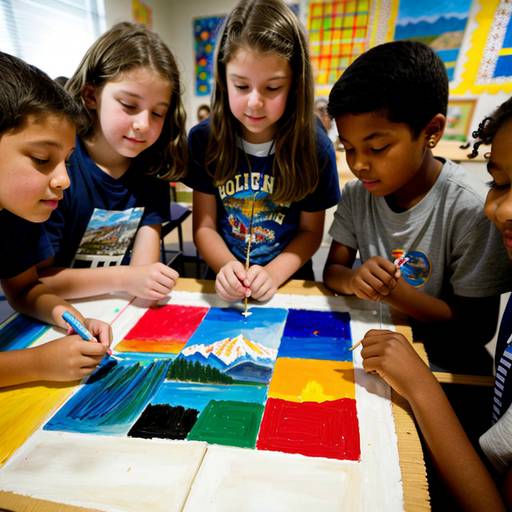
In this art lesson plan for 5th-grade students, the focus is on exploring significant art movements throughout history while encouraging hands-on creativity. The lesson spans two class periods, beginning with an introduction to various art movements such as Renaissance, Impressionism, Cubism, and Pop Art. Students will engage in a group activity where they research and present the characteristics and historical context of their assigned movement.
In the second class, students will select an art movement that interests them and create their own original artwork inspired by it. The process emphasizes using techniques specific to their chosen style. A gallery walk will be held, allowing students to display their work and discuss how their creations reflect the influence of the historical context.
The lesson promotes collaboration, critical thinking, and artistic expression while assessing participation, creativity, and reflection on learning outcomes. Additionally, there are opportunities for extensions and adaptations to support diverse learners.

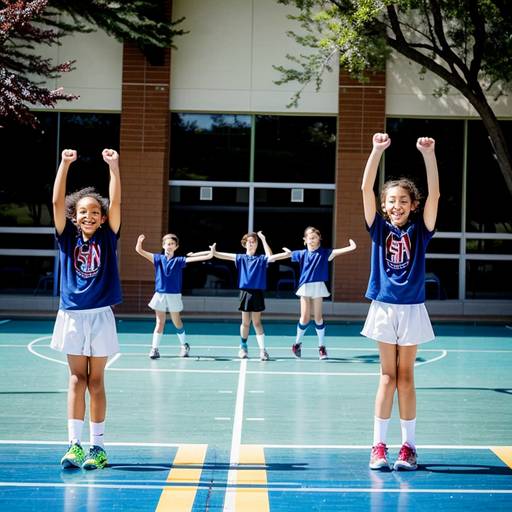
This 5th-grade physical education lesson focuses on developing coordination and balance through engaging group activities. The lesson begins with a dynamic warm-up, preparing students physically and mentally for the day's exercises.
Students are divided into small groups and rotate through a series of activity stations designed to enhance their skills. These stations include walking across balance beams, balancing while catching beanbags, dribbling through cones, navigating an obstacle course, and participating in partnered balance challenges. Each activity emphasizes maintaining control and stability while having fun.
The lesson concludes with a cooldown period featuring stretches and a group discussion where students reflect on their experiences, share what they enjoyed, and recognize the importance of balance and coordination in various contexts. Informal observation and peer feedback will help assess students' progress.
Extensions encourage students to apply these skills in other settings, while modifications ensure inclusion for all learners. Overall, the lesson aims to build confidence and enhance physical capabilities in a supportive environment.
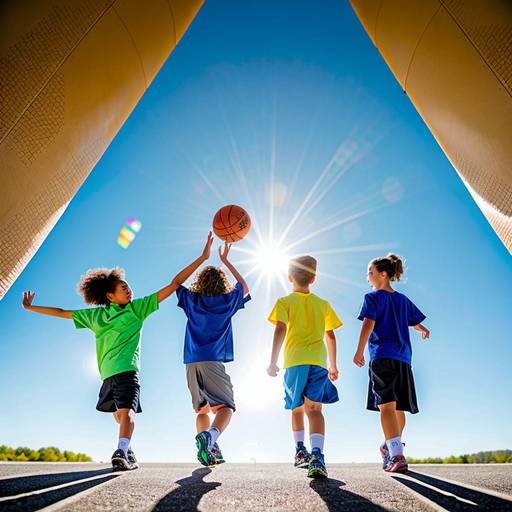
This 5th-grade physical education lesson focuses on developing balance and coordination through gymnastics and sports-related activities. The session begins with a warm-up that includes dynamic stretching and light jogging to raise students' heart rates. The main part of the lesson teaches students essential gymnastic skills such as balancing on low beams and executing forward and backward rolls on mats.
Students then engage in a team relay challenge, rotating through three stations that emphasize different skills: balancing on a beam, hula hoop walking, and rolling followed by sprinting. Each team member participates in the relay, fostering teamwork and encouraging friendly competition. The lesson concludes with a cool-down period featuring gentle stretches and group reflection, allowing students to discuss their experiences and challenges throughout the activities. Overall, this lesson promotes physical fitness, skill development, and cooperative learning in a dynamic and enjoyable setting.
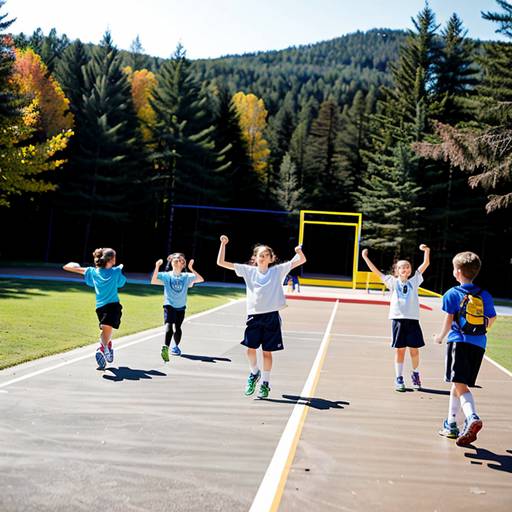
This lesson plan focuses on developing coordination and balance skills for 5th-grade students through engaging and interactive activities. The session begins with a warm-up that includes dynamic stretches and coordination exercises to prepare the students physically. Following the warm-up, the instructor explains the concepts of coordination and balance, highlighting their importance in sports and everyday activities.
Students then rotate through five different stations, each designed to challenge their balance and coordination through fun tasks such as balancing on one foot in hula hoops, walking across balance beams, navigating a cone relay while dribbling a ball, engaging in partner balance tag, and expressing themselves through dance movements. The main activity encourages teamwork and communication as students work together in each station.
After the active portion, the class cools down with stretching and reflection on the skills learned. Throughout the lesson, the instructor monitors students for safety and provides feedback, while encouraging them to practice these skills at home. This comprehensive approach aims to enhance physical abilities while fostering enjoyment in physical activity and promoting social connections among peers.
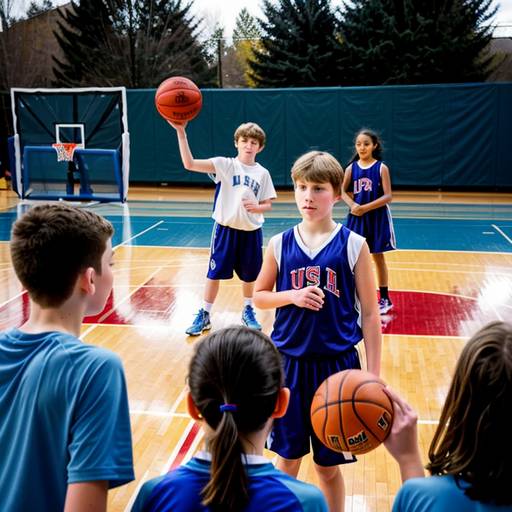
In this 60-minute physical education lesson tailored for 5th-grade students, the focus is on developing fundamental basketball skills, including dribbling, passing, and teamwork. The session begins with dynamic warm-up exercises to prepare students physically. Following this, students engage in a structured dribbling drill, maneuvering through cones to enhance their control and coordination. They then partner up to practice chest and bounce passes, emphasizing key techniques such as eye contact and follow-through.
The main activity consists of a modified three-on-three basketball game, where teams must complete a certain number of passes before shooting, reinforcing the importance of teamwork and cooperation. The lesson concludes with a cool-down session that includes muscle stretching and a reflection discussion about the skills learned and experiences during the games.
Throughout the lesson, students are observed and assessed on their skill development, teamwork, and participation. Opportunities for future extension include mini-tournaments and the introduction of defensive strategies in subsequent classes, ensuring continued engagement and skill growth in basketball.
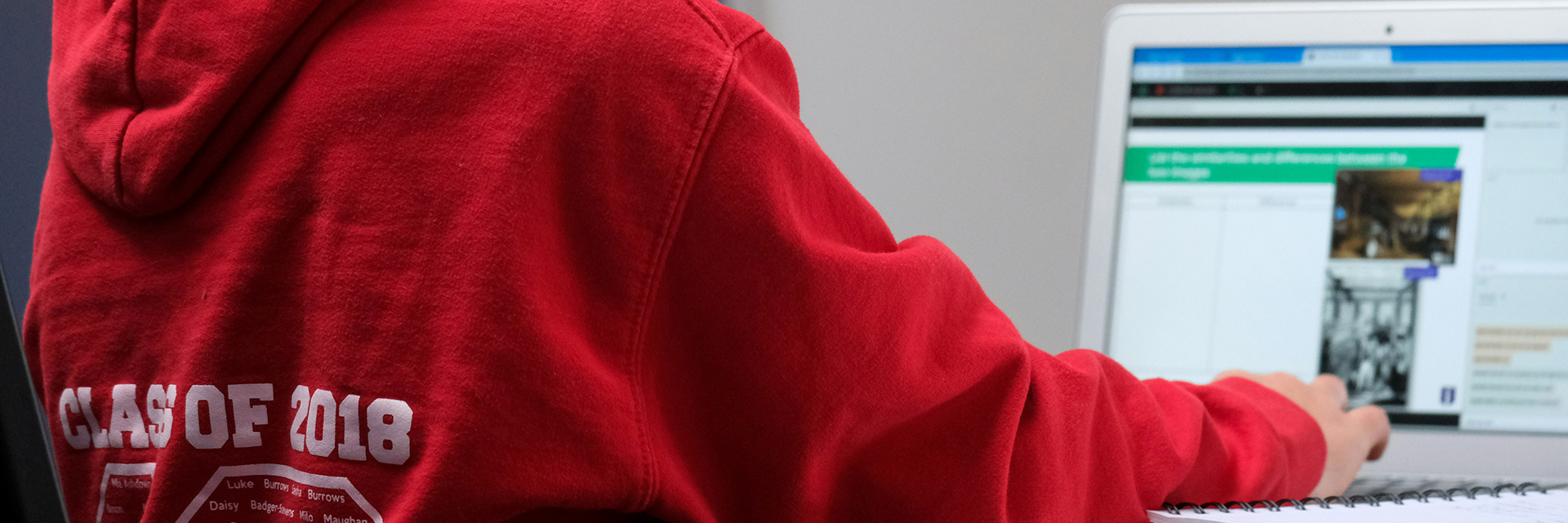
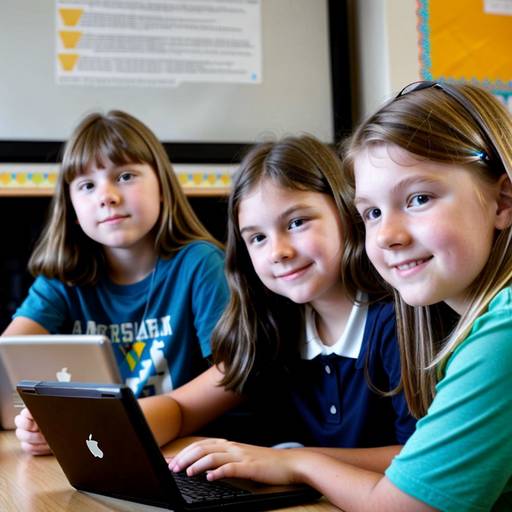
This fifth-grade technology lesson focuses on educating students about digital citizenship and the significance of their digital footprints. The lesson begins with an engaging video that introduces the concept of digital footprints, followed by a discussion to elicit students' initial thoughts on the topic. A PowerPoint presentation provides comprehensive information on digital citizenship, the different types of digital footprints, and the impacts of online behavior.
Students then participate in a group activity where they analyze various scenarios illustrating both positive and negative digital footprints. Through discussion and collaboration, they explore the implications of online actions and propose ways to improve digital reputations. The lesson concludes with a reflection exercise, allowing students to consider what they have learned and how they can ensure a positive digital presence.
Assessment includes participation in discussions, the quality of group presentations, and responses on a reflection worksheet. The lesson encourages responsible digital behavior and the awareness that online actions can have lasting effects. Accommodations are made to support diverse learners, reinforcing the importance of being thoughtful and informed digital citizens.
This lesson plan aims to educate 5th-grade students about digital citizenship and online safety. The students will begin by discussing their experiences with digital devices and defining the concept of digital citizenship, focusing on responsible technology use. The lesson includes direct instruction on key online safety practices such as protecting personal information and recognizing the importance of respectful interactions online.
Following this, students will engage in a group activity where they analyze scenario cards depicting various online situations. In small groups, they will discuss potential responses and share their findings with the class. The lesson concludes with a reflection on digital citizenship, where students will collaboratively create a Digital Citizenship Pledge to commit to responsible online behavior. Handouts summarizing important tips will be provided for students to take home.
Participation in discussions, group presentations, and the completion of a reflective homework assignment will serve as assessment methods, while extension activities will offer opportunities for further exploration and application of the concepts learned.