
Filters
Level
Grade
Subject
Subject Area
Subject Topic
Standard(s)
Audience
Keyword
DurationMinutes
5th Grade Lesson Plans

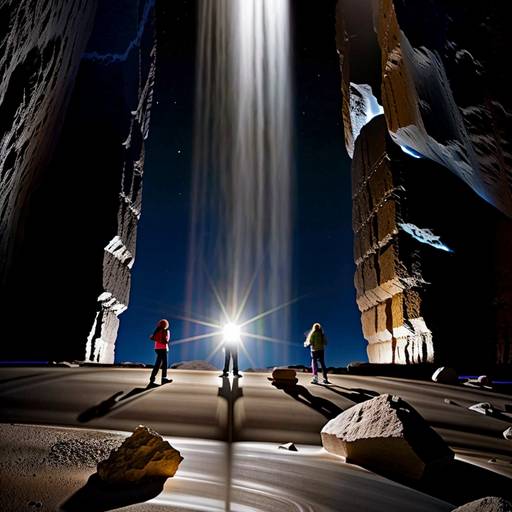
In this 5th-grade Earth science lesson, students will explore the rock cycle and the three main types of rocks: igneous, sedimentary, and metamorphic. The lesson begins with an engaging video introduction, followed by a discussion about different rock types and their characteristics. Students will then participate in a hands-on activity where they investigate rock samples, using magnifying glasses to observe their features and classify them. A creative project follows, in which students work in groups to create a mobile depicting the rock cycle, illustrating the processes that transform rocks. The lesson concludes with group presentations and reflections, along with an exit ticket to assess individual learning. Throughout the lesson, students are encouraged to collaborate and engage with the material, fostering a deeper understanding of geological processes. Extension opportunities include bringing in personal rock samples, planning field trips, and conducting research projects on geology.

This 5th-grade science lesson plan introduces students to the Solar System, focusing on the planets, their unique characteristics, and key concepts such as orbit, rotation, and revolution. The lesson begins with an engaging animated video and a class discussion to gauge prior knowledge. A PowerPoint presentation follows, providing essential information about each planet and other celestial bodies.
Students then work in groups to conduct research and create presentations about their assigned planet. In the second class period, they will create a scaled model of the Solar System using Styrofoam balls, painting and decorating their planets while understanding their position and distance from the Sun.
The lesson concludes with a gallery walk where students showcase their models and findings, encouraging questions and discussions. Assessment will be based on group presentations, participation, and the creativity of their models. Extensions include opportunities for storytelling or a virtual field trip, enhancing their learning experience and interest in astronomy.

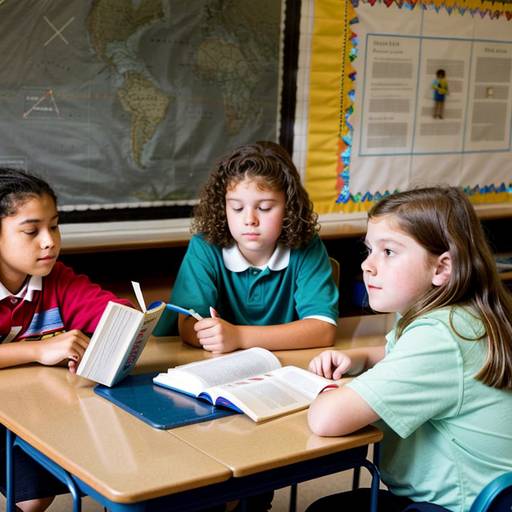
This 5th-grade social studies lesson focuses on important events in U.S. history, emphasizing the significance of understanding our heritage and its relevance to contemporary society. Students will explore selected historical events by analyzing primary sources in small groups, discussing the key figures involved, and reflecting on the impact these events have on current life. Each group will present their findings to the class, fostering discussion and engagement. The lesson concludes with students reflecting on their learning through sticky notes and a brief homework assignment, allowing them to connect history to their personal experiences. By participating in this interactive lesson, students will enhance their understanding of American history and develop critical thinking skills.
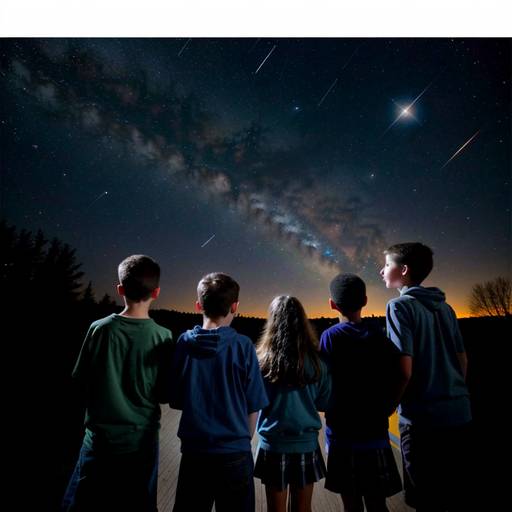
In this 5th-grade science lesson, students will embark on an engaging exploration of stars and constellations. The lesson begins with a discussion to gauge prior knowledge, followed by a presentation that covers the formation, types, and life cycles of stars, as well as the significance of constellations in history.
Students will then participate in an interactive activity where they use star charts or apps to locate and learn about various constellations, sharing interesting facts in small groups. The lesson continues with a creative component, where each student designs their own constellation and invents a story or myth to explain it.
In the conclusion, students share their creations with the class, fostering a reflective discussion about what they learned. For homework, they are encouraged to stargaze with family and report on their observations of constellations. The lesson assesses participation, creativity, and understanding through observations and presentation of their work, catering to diverse learning styles and promoting collaboration.

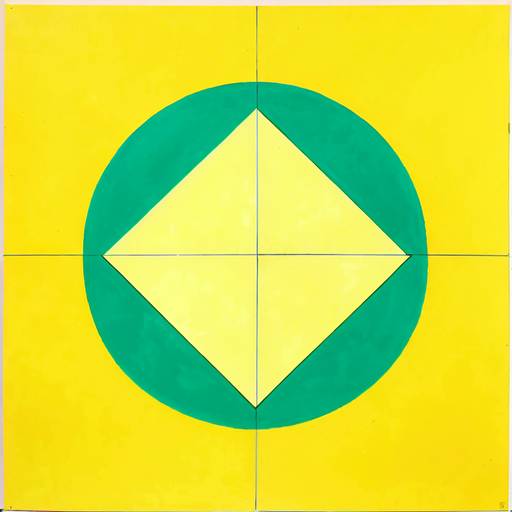
In this 5th-grade math lesson, students will explore the concept of angles and their classifications, focusing on acute, right, and obtuse angles. The lesson begins with an engaging discussion to activate prior knowledge, followed by direct instruction on identifying and measuring angles using a protractor.
During guided practice, students will work with worksheets to measure various angles, receiving support as needed. The interactive activity involves a scavenger hunt where students work in small groups to find and measure angles in their classroom environment, documenting their findings on chart paper. Each group will also create a poster displaying the shapes they discovered, labeling the angles accordingly.
The lesson concludes with group presentations, allowing students to share their discoveries and reinforce their understanding of angle types. Assessment will include observation during activities and a quiz to evaluate individual understanding. Modifications and extensions are provided to support diverse learning needs and explore additional geometric concepts. This lesson emphasizes hands-on learning and real-world application, fostering a comprehensive understanding of geometric angles.

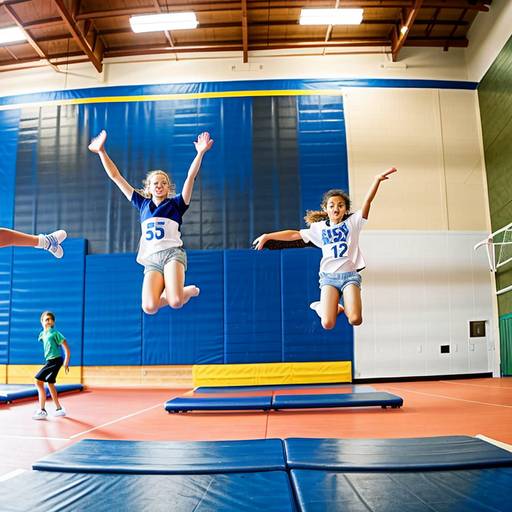
This 5th-grade physical education lesson focuses on introducing students to basic gymnastics skills and team sports, emphasizing cooperation and sportsmanship. The session begins with a warm-up that includes aerobic exercises and stretches. Students then rotate through skill development stations where they practice forward rolls, cartwheels, and balance exercises using gym mats and beams. Following the skills practice, students participate in a team sport, such as "Capture the Flag" or "Kickball," which fosters teamwork and strategic thinking. The lesson concludes with a guided cool-down and class discussion, encouraging students to reflect on their experiences and the importance of physical activity. Assessment is based on student participation and understanding of the skills practiced, with additional extension activities suggested for further development. Overall, the lesson promotes physical fitness, teamwork, and personal growth among students.
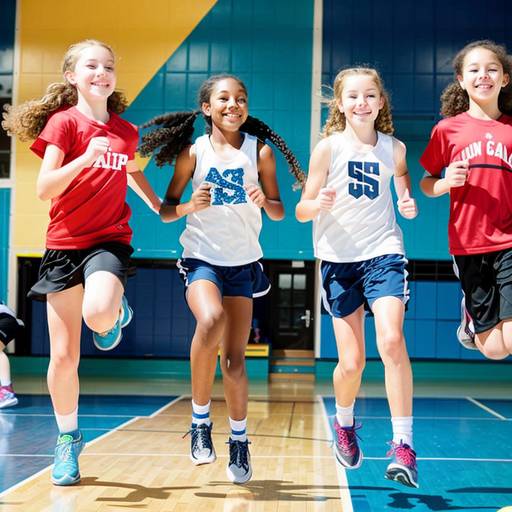
In this 5th-grade physical education lesson, students will explore the importance of cardiovascular fitness through a variety of engaging activities designed to improve their heart health and promote teamwork. The lesson begins with a dynamic warm-up that includes light jogging and stretches, followed by four interactive stations: jump rope, relay races, dance, and a fitness ladder, each focusing on aerobic exercises. After the station rotations, students participate in a cool-down that involves static stretches and breathing exercises to help lower their heart rates. The lesson concludes with a group discussion, allowing students to reflect on their experiences and the benefits of cardiovascular fitness. Assessment will be based on participation and effort, with opportunities for adaptations to ensure all students can engage meaningfully. Additionally, an extension activity encourages students to track their physical activities outside of school to foster a continued commitment to fitness.
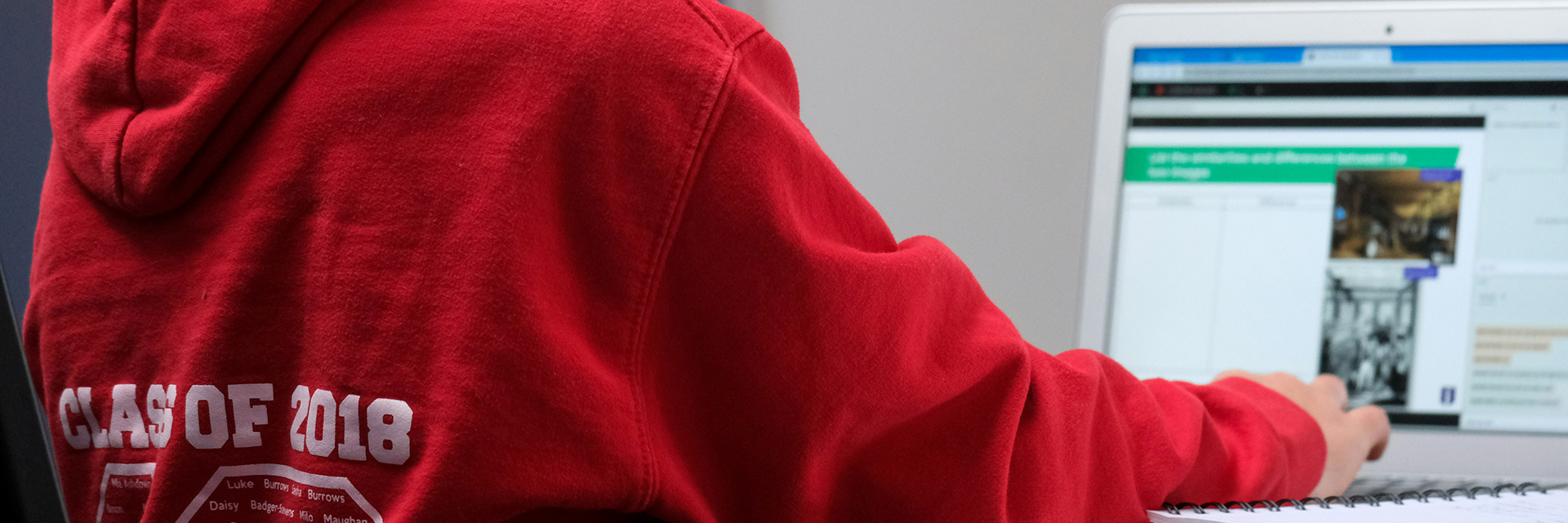
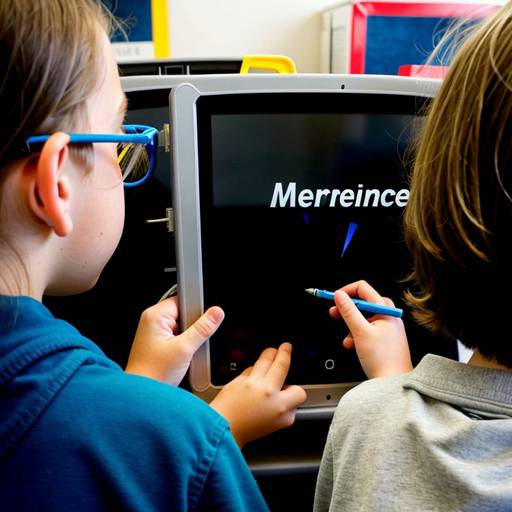
In this 5th-grade technology lesson, students will learn essential skills related to device maintenance and organization. The objectives include identifying basic maintenance practices, demonstrating effective digital file organization, and understanding the importance of keeping devices in good condition.
The class starts with a discussion on the challenges of finding files on disorganized devices, followed by an introduction to key maintenance tasks like battery care, software updates, and virus scans. Students will also explore strategies for organizing their digital files and folders.
Through a guided practice session, students will work on a maintenance checklist and create a structured folder system on their devices. They will then engage in independent practice to clean and organize their digital spaces. The lesson concludes with a reflection discussion where students share their thoughts and experiences.
Assessment will be based on observations during activities and the completion of the maintenance checklist. Extensions include creating tutorials for younger students on maintaining and organizing devices and providing additional resources on cybersecurity.
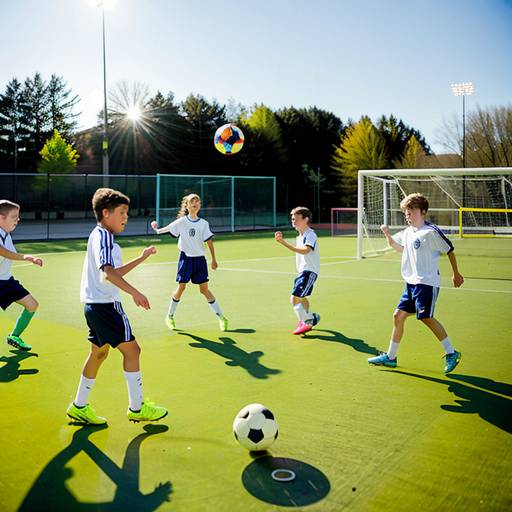
This lesson plan focuses on introducing 5th-grade students to the fundamentals of soccer, emphasizing core skills such as dribbling, passing, and shooting. The session begins with a discussion about soccer's rules, objectives, and the significance of teamwork. After warming up with dynamic stretches and a fun game to get everyone moving, students participate in skill development drills. They practice dribbling through cones, pairing up to work on passing, and taking turns shooting at a goal. The lesson culminates in a small-sided scrimmage where students can apply the skills they've learned in a team setting. The session concludes with a cool-down, during which students reflect on their experiences and what they've learned. Throughout, the focus is on skill development, collaboration, and the enjoyment of playing soccer.
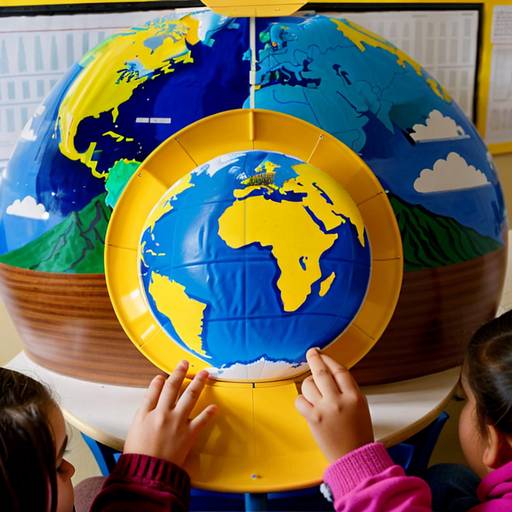
In this two-day lesson plan for 5th graders, students will explore the topic of geography and landforms through both interactive discussions and hands-on activities. The lesson begins with a brainstorming session where students share their existing knowledge about landforms. This is followed by a direct instruction segment that introduces various types of landforms, using pictures and a short video to illustrate their characteristics and formation processes.
On the second day, students will participate in group presentations, allowing them to delve deeper into specific landforms and share their findings with classmates. After the presentations, students will create their own maps—either physical or digital—that feature at least five different landforms. They will label each landform and provide descriptions of their characteristics, fostering creativity and individuality in their projects.
Throughout the lesson, students will actively engage in discussions, collaborate in groups, and apply what they've learned through the map creation activity. Assessment will focus on participation, the creativity of the map projects, and the presentations. Differentiation strategies will be implemented to support various learning needs, ensuring all students can successfully engage with the material. Follow-up activities will reinforce learning while encouraging students to connect their knowledge to their local environment.