
Filters
Level
Grade
Subject
Subject Area
Subject Topic
Standard(s)
Audience
Keyword
DurationMinutes
4th Grade Technology Lesson Plans
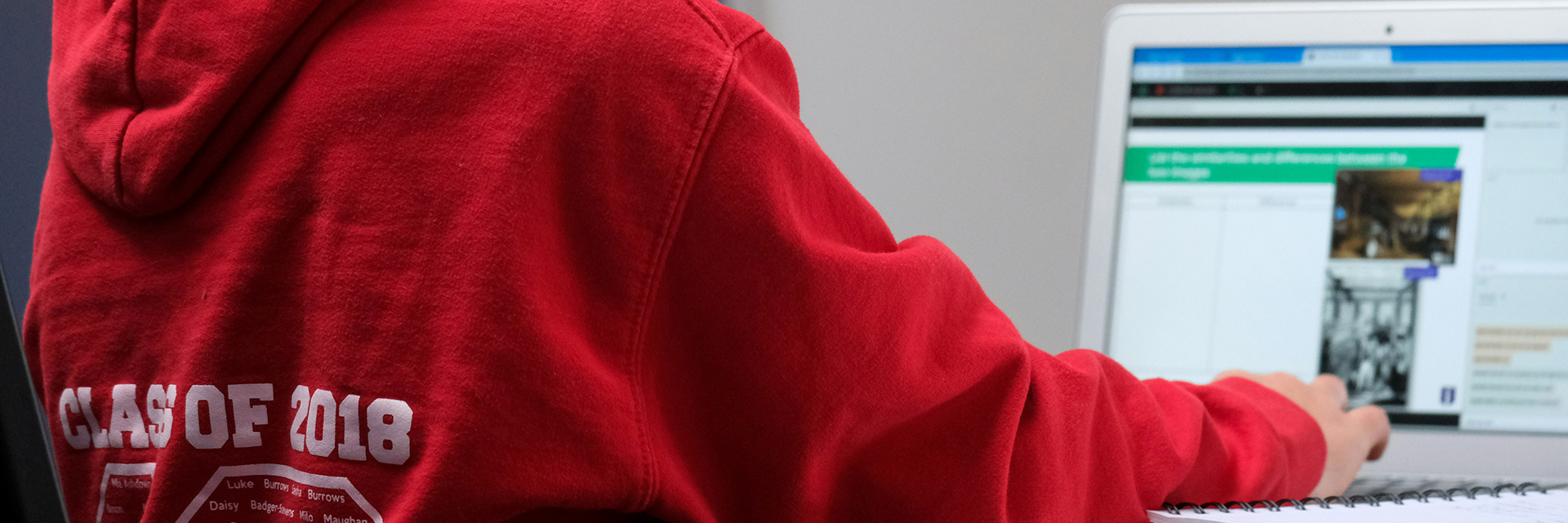

This lesson plan is designed for 4th-grade students and spans three class sessions focused on robotics and programming. It begins with an introduction to robotics, helping students understand what robots are and their various applications in the real world. Students learn basic programming concepts through hands-on activities using visual programming languages, which prepares them for building and programming their own robots in subsequent sessions.
In the second session, students collaborate in small groups to design and build their robots based on a specific task challenge, emphasizing teamwork and communication skills. The final session emphasizes programming, where students apply their programming knowledge to code their robots to perform the tasks they envisioned.
The culminating activity features a friendly competition, showcasing each group’s robot and its capabilities. This plan integrates problem-solving, creativity, and collaboration, while also providing opportunities for student reflection and assessment of their understanding of robotics and programming. Extensions for interested students include optional after-school club meetings and sharing their projects with a broader community.
In this 60-minute technology lesson, 4th-grade students will gain essential internet skills focused on effectively using search engines. The lesson begins with an engaging discussion about students' existing knowledge of the internet, followed by a demonstration of how to perform basic searches and utilize advanced techniques such as using quotation marks and site-specific searches. Students will then participate in a hands-on activity, working in pairs to research assigned topics and document their findings on a worksheet that includes evaluating the credibility of websites. After sharing their discoveries with the class, students will solidify their understanding through a brief quiz. The lesson emphasizes safe internet practices and digital literacy, providing students with practical skills they can use for future research projects. Additionally, extensions are suggested to encourage further exploration and application of their new skills.

This lesson plan focuses on educating 4th-grade students about digital citizenship and online safety. Students will learn the importance of navigating the internet responsibly through engaging discussions and activities. The lesson covers essential topics such as safe online behaviors, the significance of protecting personal information, and the impact of cyberbullying.
The session begins with a hook to connect real-life safety rules to online behaviors. Students will receive direct instruction through a presentation that defines key terms and concepts related to digital citizenship. In small groups, they will discuss various online scenarios to identify safe and unsafe actions before presenting their findings to the class.
As a reflective exercise, students will write down what they learned about online safety and actions they can take to be responsible digital citizens on sticky notes, which will be collected and displayed. The lesson concludes with a wrap-up discussion reinforcing the importance of wise and safe internet use. Assessment will be based on participation, group work, and reflective responses. Extensions and additional resources for further exploration of the topic are also provided.

In this 4th-grade technology lesson, students will learn vital internet skills focused on protecting their privacy while online. The session will begin with a discussion about what constitutes safe information to share on the internet, leading to an exploration of digital footprints and the importance of keeping personal information private. Through interactive instruction, students will see how to navigate privacy settings on popular social media platforms.
Engaging in group activities, they will analyze various online scenarios to identify privacy risks and present their solutions. Each student will then reflect on their own online habits by completing a "Safe Browsing" checklist. The lesson wraps up with a recap and an opportunity for questions, reinforcing the importance of safe internet practices. Students may also have opportunities to extend their learning by creating digital posters on internet safety or inviting a guest speaker to discuss cyber safety. Overall, this lesson aims to equip students with the knowledge and tools needed for responsible online behavior.
In this 4th-grade technology lesson, students explore the concept of digital footprints and the importance of digital citizenship. The lesson begins with a discussion about online sharing and its implications, followed by a short animated video to illustrate how digital footprints are created and the potential impacts of online behaviors.
Students then engage in a group activity where they create a "Digital Footprint Map," highlighting both positive and negative online actions. Each group presents their maps, fostering collaboration and peer learning. The lesson concludes with students receiving a checklist of best practices for maintaining a positive digital presence and a reflective writing prompt in their journals to commit to being responsible online citizens. Throughout the lesson, student participation, group work, and individual reflections are assessed to gauge understanding and engagement. A follow-up lesson is suggested for further exploration of online privacy and safety.
This lesson plan focuses on teaching 4th-grade students the fundamentals of multimedia creation and digital storytelling over the course of a week. Students will explore different elements of multimedia—such as text, images, sound, and video—and understand how these components come together to enhance storytelling.
Throughout five class sessions, they will engage in various activities, starting with brainstorming ideas and scriptwriting in pairs. They will then create storyboards and gather multimedia elements, ultimately using digital tools to craft their stories. The final class will involve presentations where each pair shares their creations with classmates, allowing for constructive feedback and discussion.
Assessment will be based on participation, the creativity and completeness of their digital stories, and a reflective writing assignment summarizing their experiences. The lesson also includes differentiation strategies to support various learners and offers extension activities to further community engagement.
This lesson plan for 4th grade students focuses on educating them about digital citizenship and online safety. It aims to help students understand their rights and responsibilities when using technology, emphasizing respectful online behavior and the importance of protecting personal information.
The lesson begins with a discussion about what it means to be a good digital citizen, followed by an engaging presentation that explores concepts such as safe sharing and recognizing credible sources. Students participate in a role-playing activity where they address various online scenarios, developing solutions based on their learnings. They will also create posters illustrating key ideas about online safety and respectful behavior.
The lesson concludes with a wrap-up discussion to reinforce the concepts learned and a take-home reflection sheet that encourages students to apply their knowledge at home. Assessment will be based on group discussions, poster creations, and individual reflections. Through this comprehensive approach, students gain the skills and understanding needed to navigate the digital world responsibly.

This lesson plan for 4th-grade students focuses on developing essential internet skills and email etiquette. The session starts with a discussion about online safety, emphasizing the importance of protecting personal information and recognizing secure websites. Students learn about digital footprints and the risks of interacting with strangers online. The lesson then introduces the components of an email, highlighting the significance of polite communication, appropriate greetings, and the importance of proofreading before sending messages.
During guided practice, students work in groups to analyze various scenarios related to email communication, discussing their appropriateness based on etiquette principles. In the independent practice segment, each student composes a draft email, applying the skills learned. The lesson concludes with a recap of key concepts, encouraging students to share their insights and practice these skills in their daily lives. Assessment is conducted through class discussions, group activities, and the review of students' drafted emails. Suggestions for extensions and accommodations ensure that all learners can engage effectively with the material.

Students will work in small groups to identify what types of information are safe to share online, promoting critical thinking about privacy. Following this, the teacher will demonstrate how to access and adjust privacy settings on a popular platform, highlighting key features that protect personal information.
In a hands-on activity, students will then navigate the platform themselves to practice adjusting their privacy settings. The lesson concludes with a reflective discussion, where students share insights and take home a handout summarizing safe online practices. Participation in discussions, successful completion of hands-on tasks, and exit tickets will be used for assessment. Adaptations and extensions are also included to support diverse learners and deepen understanding. Overall, the lesson aims to empower students with the skills and knowledge to use the internet safely and responsibly.

This lesson plan aims to teach 4th-grade students essential internet skills and the concept of netiquette, emphasizing respectful online communication. Students will begin by discussing their experiences with the internet and then learn key netiquette rules through a presentation and group activities. They will evaluate example messages to identify appropriate and inappropriate online communication practices. Following this, students will individually write a respectful email to a fictional pen pal, incorporating the principles they've learned. The lesson concludes with a summary discussion, allowing students to reflect on applying netiquette in their online interactions. Assessment will be based on their written emails and active participation during group discussions. Extension activities encourage students to explore safe websites and reflect on their experiences with netiquette. Overall, the lesson empowers students to navigate the digital world responsibly and positively.