
Filters
Level
Grade
Subject
Subject Area
Subject Topic
Standard(s)
Audience
Keyword
DurationMinutes
4th Grade Technology Lesson Plans
This lesson plan is designed for 4th-grade students to explore the concepts of digital citizenship and digital footprint. The session begins with an engaging introduction, prompting students to discuss what it means to be a responsible digital citizen. After defining both digital citizenship and digital footprint, students participate in small group discussions about their online activities and their impact on their digital presence.
An interactive video enhances their understanding, followed by an engaging Q&A session. Students then reflect on their online behaviors by completing a personal action plan template and setting goals for maintaining a positive digital footprint. The lesson concludes with a recap of key points and a discussion on the importance of responsible online behavior. Through group participation, discussions, and personal reflection, students gain valuable insights into navigating their online world safely and responsibly. Extensions and adaptations are included to ensure all learners can engage with the material effectively.
In this 4th-grade technology lesson, students will explore the importance of internet privacy and learn how to manage privacy settings on various online platforms. The lesson begins with a class discussion about online safety and personal information, followed by an interactive presentation highlighting safe online behaviors and the significance of protecting personal data. Students will then work in small groups to research and document privacy settings for different platforms, ultimately creating charts to summarize their findings. Each group will present their work to the class, fostering collaborative learning and reinforcing best practices for online interactions. The lesson concludes with an interactive quiz to assess understanding and retention of the material covered. Extension activities encourage students to further engage with the topic and share their knowledge with family members. Overall, the lesson aims to empower students to navigate the digital landscape safely and responsibly.
The first day begins with an introduction to multimedia components, followed by a demonstration of basic photo editing tools. Students are then given hands-on practice to edit sample images, promoting engagement and skill development.
On the second day, students apply their newly acquired skills to create a short visual story. They select and edit images, write accompanying text, and combine these elements into a multimedia presentation. The lesson concludes with students sharing their projects with the class, fostering collaboration and public speaking skills. Assessment is based on creativity, clarity, and effective use of multimedia elements, while extensions allow for further engagement through sharing projects with families and incorporating audio components. Overall, this lesson promotes creativity and digital literacy in an interactive learning environment.
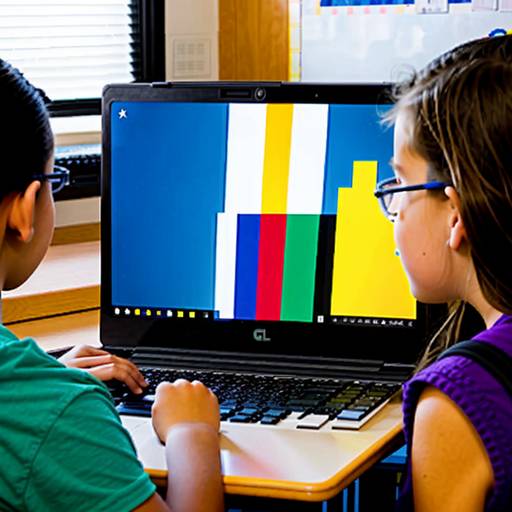
In this lesson, 4th-grade students will engage in multimedia creation and photo editing by developing a digital collage that narrates a story or conveys a message. The lesson spans two class periods, during which students will first explore basic functions of photo editing software through demonstrations and hands-on practice. They will brainstorm and plan their creative projects, selecting images and texts that reflect their ideas. In the second session, students will create their collages using the skills they've learned, followed by presentations to their classmates explaining their artistic choices and storytelling. This activity not only enhances their technical skills in digital editing but also promotes creativity, communication, and collaboration. Assessment will include observing student participation, evaluating planning worksheets, and using a rubric for the final projects to ensure a comprehensive understanding of the concepts.
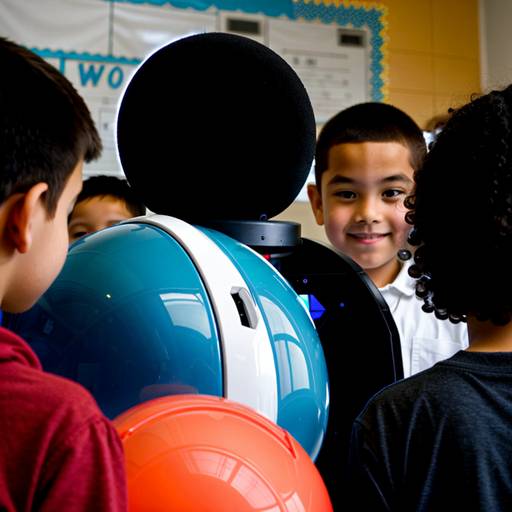
In this 4th-grade technology lesson, students will explore the fundamentals of robotics and programming by working with various types of robots. The lesson begins with an engaging discussion about robots in everyday life and progresses to an introduction of the components that make up a robot and the basics of block-based programming.
Students will be divided into small teams, where they will create an obstacle course and program their robots to navigate through it using the programming software. Through hands-on experimentation, they will test their programs, make observations, and iterate on their designs to overcome challenges.
At the end of the lesson, students will share their experiences and learnings, reflecting on what they found effective and what they would like to explore further. Assessment will involve observing group collaboration and participation, as well as having students write an exit ticket summarizing their insights and questions. The lesson encourages critical thinking, creativity, and teamwork, laying a solid foundation for future exploration in robotics and programming concepts.

In this 4th-grade technology lesson, students are introduced to robotics through engaging discussions and hands-on activities. The lesson begins with an interactive exploration of the role of robots in everyday life, followed by students working in small teams to build and program simple robots using basic robotics kits. After constructing their robots, teams plan their approach for a defined challenge that involves navigating the robots through an obstacle course. Students are encouraged to collaborate, strategize, and share ideas as they customize their robots and develop coding commands.
After a brief break, teams participate in the robot challenge, where they guide their robots through the course, reflecting on successes and areas for improvement. The lesson concludes with a wrap-up discussion that emphasizes teamwork, problem-solving, and the practical applications of robotics. Throughout the session, students enhance their understanding of robotics while honing key skills such as collaboration and critical thinking, with opportunities for extension tasks to further explore the field.
This lesson plan is designed for 4th-grade students to explore robotics through hands-on activities and collaborative challenges over three days. It begins with an introduction to the fundamentals of robotics, where students discuss components and view videos showcasing various robots. They then form small groups to brainstorm and sketch their robot designs, fostering teamwork and creativity.
In the second session, students build their robots using kits and construction materials, while also learning to program basic commands to control their creations. They work collaboratively, assigning roles within their groups to enhance cooperation.
The final day focuses on a series of robotic challenges, where groups test their robots in tasks such as navigating mazes or racing. Teams present their designs and programming solutions while participating in a competitive environment that encourages problem-solving and critical thinking. Throughout the lesson, students reflect on their learning experiences, and their progress is assessed based on teamwork, creativity, and performance. Extension activities are available for further exploration of robotics. Overall, the plan aims to engage and inspire students in the field of technology and engineering.

In this engaging 4th-grade technology lesson, students explore the fundamentals of robotics and programming through hands-on activities. Pairs of students work together to build simple robots using a robotics kit, learning about key components such as sensors and motors. After constructing their robots, they dive into a programming software to create basic commands that control their robots' movements.
The class sets up an obstacle course where students test their robots, adjusting their programming to overcome challenges successfully. Throughout the lesson, valuable skills such as collaboration, problem-solving, and critical thinking are emphasized as students navigate obstacles and share their experiences. The session culminates in a reflection, where students discuss their learnings, fostering a deeper understanding of robotics and its applications. Extensions include more complex programming challenges and a showcase event, promoting further exploration of technology.
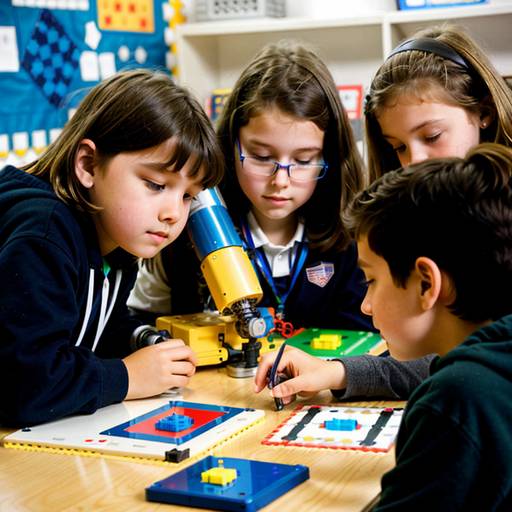
In this 4th-grade technology lesson focused on robotics, students will learn about basic robot components and their functions while engaging in hands-on design and engineering. The lesson is divided into two sessions. During the first session, students will discuss what robots are, work in teams to brainstorm and create a design for a robot that can navigate an obstacle course, and use design thinking worksheets to plan their projects.
In the second session, students will build their robots using kits, followed by programming them with introductory software to perform specific tasks. After constructing their robots, students will test them on the obstacle course, encouraging iterative improvements based on performance. Assessment will focus on teamwork, creativity in design, and the effectiveness of the robot during the challenge.
The lesson promotes critical thinking, problem-solving, and collaboration, offering an interactive introduction to robotics and programming concepts, while optional extensions allow for further challenges for advanced learners. Finally, students will reflect on their experiences, sharing insights about teamwork and the building process.
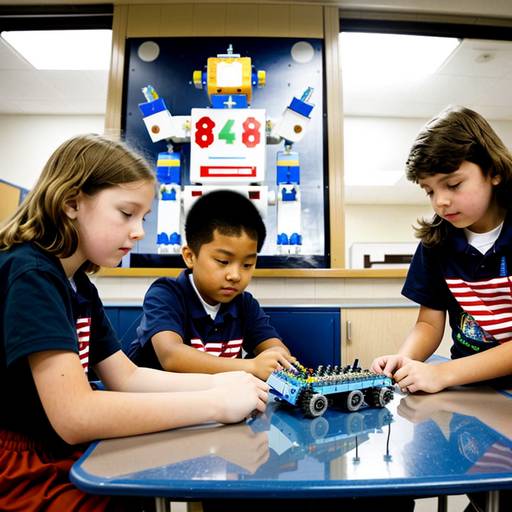
In this comprehensive lesson plan designed for 4th-grade students, learners will explore the world of robotics through engaging hands-on activities. The lesson spans multiple class periods and focuses on building and programming robots to tackle various challenges. Students will begin by learning about the basic components of robots and how they operate, followed by brainstorming sessions in groups to design their own robotic creations.
Over the course of the lesson, students will work collaboratively to construct robots using LEGO kits while incorporating essential programming skills to navigate their robots through assigned tasks. As they test and refine their robots, students will develop critical problem-solving and teamwork skills.
In the final stage, students will participate in robot challenges, showcasing their projects to the class and reflecting on their experiences and learning outcomes. The lesson encourages creativity and exploration of real-world applications of robotics while fostering collaboration and critical thinking among students. Assessments will include observation of group dynamics, the effectiveness of the robots in performing designated tasks, and reflective written submissions on the learning process.