
Filters
Level
Grade
Subject
Subject Area
Subject Topic
Standard(s)
Audience
Keyword
DurationMinutes
4th Grade Technology Lesson Plans
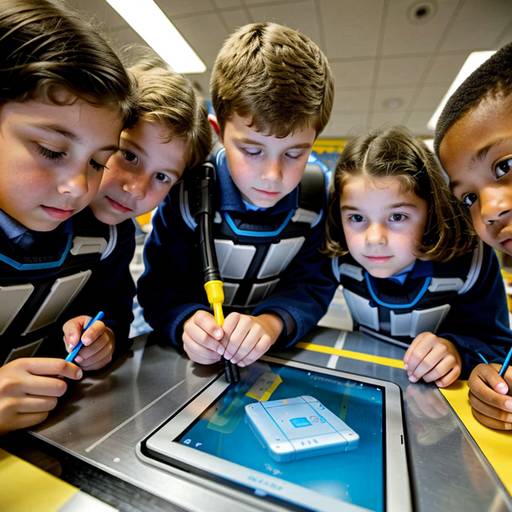
In this 4th-grade technology lesson, students will explore the concept of technology and its various tools through interactive activities and discussions. The lesson begins with a group discussion to define technology and its impact on our daily lives, followed by a video highlighting different technological tools. Students will then engage in hands-on exploration, rotating through various technology tools such as tablets, coding robots, and interactive whiteboards to familiarize themselves with their features.
After the exploration, students will collaborate in small groups to create a poster showcasing an innovative technology tool they wish existed, detailing its purpose and potential users. Each group will present their ideas to the class, fostering creativity and communication skills.
The lesson wraps up with a class discussion reflecting on their favorite technology tools and how technology aids their daily lives. Assessment will focus on participation, the creativity of the group project, and reflections from students. Extension activities could include inviting a guest speaker from the tech field or organizing a field trip to a local technology center, making the learning experience both engaging and relevant to real-world applications.
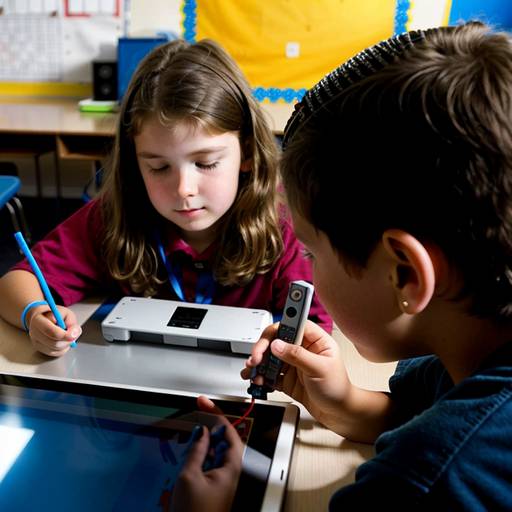
In this engaging 4th-grade technology lesson, students will explore the fundamentals of device maintenance and troubleshooting. The lesson begins with a captivating video that highlights common technology problems, followed by a discussion to identify students' frustrations with devices. The instructor will introduce the basic components of a device and emphasize the importance of regular maintenance and care.
Students will learn a straightforward troubleshooting method represented by the "ABCDE" acronym, which guides them in assessing and resolving typical device issues. Through an interactive group activity, students will work at scenario stations, discussing and applying the ABCDE method to various troubleshooting situations.
Following this activity, students will create a personalized maintenance checklist for their devices, encouraging them to take ownership of device care. The session will conclude with a recap of the key points learned and an opportunity for students to ask questions about technology challenges they face at home. Overall, this lesson aims to empower students with the skills necessary to maintain and troubleshoot their devices confidently.
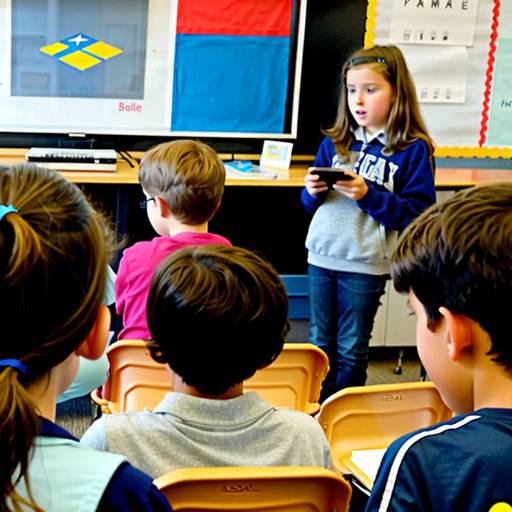
This 4th-grade lesson focuses on multimedia creation and digital storytelling, spanning two to three class periods. Students will begin by exploring the concept of digital storytelling, discussing its key components such as story development, visuals, and audio elements. They will brainstorm ideas and create an outline for their own stories, which they will then develop using multimedia tools.
In the second class, students will receive an introduction to various digital creation platforms and will have hands-on time to design their stories, incorporating images, text, and narration. Peer feedback sessions will foster collaboration and improvement. Finally, students will present their digital stories in a showcase, allowing for sharing and constructive feedback from classmates. The lesson concludes with a reflection and assessment, designed to evaluate their understanding and engagement with the project. Extensions are provided for deeper exploration, including themed stories and opportunities to share their work with parents. Overall, the lesson aims to enhance students' creativity, collaboration, and technology skills in an engaging format.
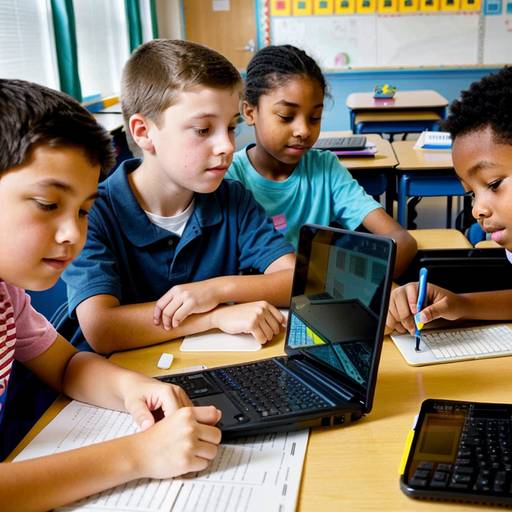
In this 4th-grade technology lesson, students will embark on an introductory exploration of coding and programming languages. The session begins with a discussion about the meaning of coding and its presence in everyday technology, enhancing students' vocabulary with key terms like algorithm and debug. Following this, learners will gain insight into various programming languages and their applications.
The main focus of the lesson involves a hands-on activity where students utilize a block-based coding platform, such as Scratch or Code.org, to create simple animations or games. Through guided instruction, students will learn to navigate the platform, apply various programming blocks to their projects, and develop their own unique creations.
Finally, students will have the opportunity to share their projects with peers, fostering a collaborative environment where they can reflect on their learning experiences and discuss any challenges faced during the coding process. This lesson not only serves to introduce fundamental coding concepts but also encourages problem-solving and creative thinking, setting the stage for future learning in technology and programming.
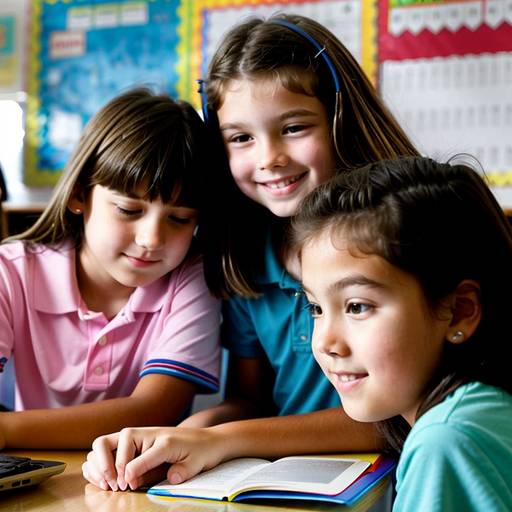
In this 4th-grade technology lesson, students will learn the fundamentals of using search engines effectively to find reliable information online. The lesson begins with a discussion about the internet and its uses, transitioning into an overview of how search engines work, including the role of keywords in refining search results. Students will be taught how to evaluate the credibility of websites, using a simple checklist.
During guided practice, students will work in pairs on search scenarios, applying their knowledge to perform searches and assess the information they find. This is followed by independent practice, where each student will select a topic of interest, conduct a search, and note credible facts from a website, evaluating its reliability.
The lesson concludes with a sharing session where students discuss their findings and evaluations, reinforcing the concepts learned. Throughout the lesson, students will engage in hands-on activities, developing essential internet skills that will aid their future research endeavors. Optional extensions and homework may further enhance their understanding and application of effective online searching techniques.

In this 4th-grade technology lesson, students will learn about essential internet skills and safety practices. The lesson begins with a discussion on how students currently use the internet and its various positive and negative aspects. Through an engaging presentation, students will explore topics such as the significance of protecting personal information, recognizing trusted versus unreliable sources, and unsafe online behaviors.
During guided practice, students will work in small groups to analyze scenario cards that depict various online situations, determining whether each one is safe or unsafe and discussing appropriate responses. Following this, students will participate in independent exploration of pre-approved kid-friendly websites while completing a worksheet that reinforces their understanding of safety measures and information verification.
The lesson concludes with a recap of key points, allowing students to share what they learned and how they plan to apply their newfound knowledge in their online activities. Assessment will be based on group discussions, participation, and the worksheets completed during independent practice. Extensions may include creating digital content related to internet safety, fostering engagement beyond the classroom. Overall, the lesson aims to empower students with the skills and awareness necessary to navigate the internet safely and responsibly.
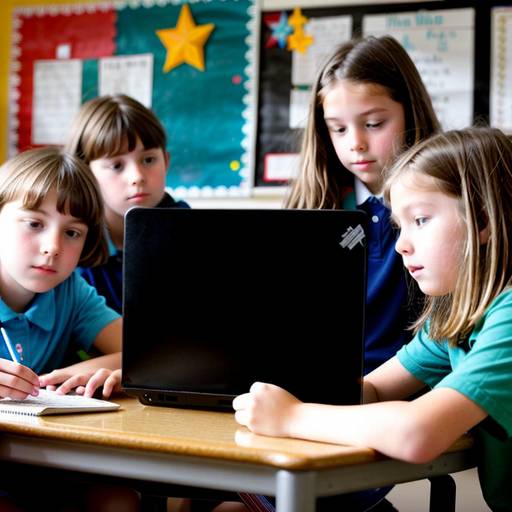
This 4th-grade technology lesson plan focuses on equipping students with essential internet skills and online research techniques. The session begins with a discussion about students' existing knowledge of the internet and an overview of key objectives, emphasizing online safety and the identification of reliable sources.
Through direct instruction, students learn about safe browsing practices and effective search strategies, including the use of specific keywords. In a guided group activity, students research assigned topics online, taking notes and recording URLs of credible sources. They then engage in independent practice by documenting their findings and learning how to create simple citations, emphasizing the importance of acknowledging original authors.
The lesson concludes with a class discussion where students share their discoveries and reflect on their learning. Assessment includes observation during group work and the collection of note-taking templates to evaluate understanding. Extensions are provided for students to further develop their skills by conducting individual research at home for presentation in the next class. Overall, the lesson fosters a strong foundation in digital literacy while promoting responsible internet use.

This lesson plan for 4th-grade students focuses on the concepts of digital citizenship and digital footprints. It aims to educate students about what a digital footprint is and the importance of maintaining a positive online presence.
The lesson begins with an engaging discussion where students share their ideas about digital footprints, followed by a presentation that defines the term and provides examples of both positive and negative online behavior. Students will learn practical tips for managing their digital footprints, such as thinking before posting and utilizing privacy settings.
In an interactive activity, students will work in pairs to evaluate various scenarios related to online behavior and discuss the implications of each. This encourages critical thinking about their digital actions and the effects on themselves and others. The lesson concludes with a reflection exercise where students commit to specific actions aimed at fostering positive digital citizenship.
Assessment will be based on participation in discussions and the completion of worksheets. The plan includes extensions for further exploration of digital citizenship resources and modifications to support diverse learning needs. Overall, the lesson equips students with essential skills for navigating the digital world responsibly.