
Filters
Level
Grade
Subject
Subject Area
Subject Topic
Standard(s)
Audience
Keyword
DurationMinutes
4th Grade Technology Lesson Plans
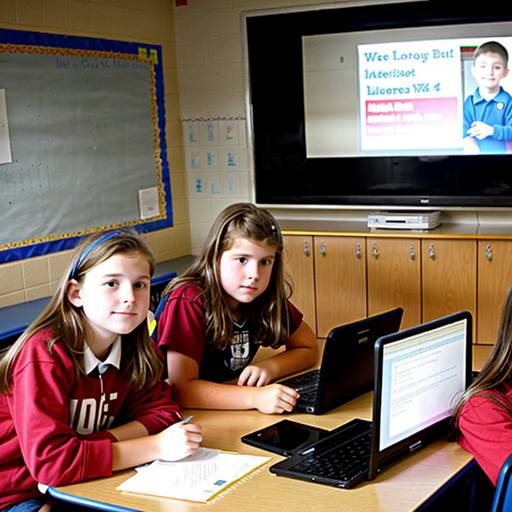
In this 4th-grade technology lesson, students will develop essential internet skills for effective and responsible online research. The lesson begins with a discussion about the importance of the internet as a research tool, highlighting how to identify reliable sources. Using a projector, the teacher will demonstrate effective search techniques and review tips for internet safety. Students will then work in small groups, assigned different research topics, to gather information using curated reliable websites. Each student will take notes and later write a summary paragraph about their topic, focusing on paraphrasing rather than copying. The lesson concludes with group presentations and a recap emphasizing the importance of source evaluation and online safety. Assessment will involve observing group participation, and reviewing summary paragraphs for understanding. Extensions will encourage students to further explore related topics for future presentations. Adaptations will be made for students needing additional support, ensuring a comprehensive and engaging learning experience for all.
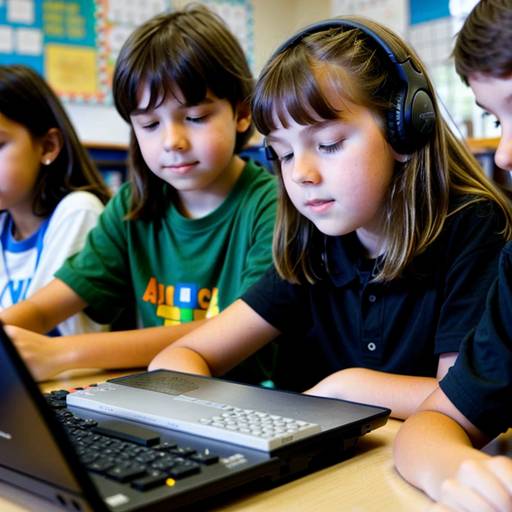
In this 4th Grade Technology lesson, students will be introduced to the fundamentals of coding and programming languages through engaging activities. They will learn what coding is, its importance, and basic terminology such as algorithm, loop, and debugging. The lesson begins with a video showcasing coding applications, followed by a discussion to gather students' ideas about coding. A demonstration of a block-based coding platform, like Scratch or Code.org, guides students through creating their own simple program, allowing for creativity and hands-on experience. They will also learn how to identify and fix mistakes in their code. At the end, students will present their projects to the class, reflecting on their experiences and challenges. Assessment will be based on participation and the final projects, with optional extensions for advanced learning and adjustments for diverse learners. This interactive lesson aims to make coding accessible and fun, fostering critical thinking and collaboration among students.
In this 4th-grade technology lesson, students will explore the basics of coding through the understanding of algorithms, which serve as step-by-step instructions for problem-solving. The lesson begins with a warm-up discussion on coding, followed by an introduction to a coding platform where students will learn about essential concepts like sequences, loops, and conditions. They will engage in an interactive activity where they create their own algorithm based on a common task.
Guided practice allows students to develop a simple coding project, such as an animation or interactive scene, based on a theme of their choice. As they work on their projects, students will reflect on their learning and share their creations with the class. The lesson concludes with a recap of key concepts, emphasizing the importance of algorithms in programming and the troubleshooting process of debugging. Assessment will focus on collaboration, creativity, and understanding of coding concepts, with opportunities for further exploration in follow-up lessons. Adaptations will be made to support diverse learners and challenge advanced students.
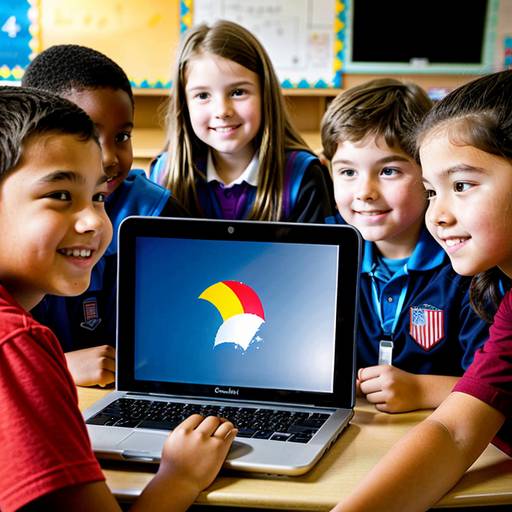
In this 4th-grade technology lesson, students will gain an understanding of technology and its various tools used in everyday life. The lesson begins with a discussion on the definition of technology, followed by a video showcasing different tools. Students will be divided into small groups to explore assorted technology tools, discussing their uses and problem-solving capabilities. Each group will present their findings to the class, fostering an engaging discussion about the impact and relevance of these tools. To conclude, students will reflect in their journals on what they found most interesting and predict future technological changes. The assessment will be based on participation, group presentations, and individual reflections. Extensions include a homework assignment involving interviews about technology use at home and a planned "Tech Show and Tell" event. Overall, the lesson emphasizes the importance of technology in our lives and encourages students to embrace new tools for learning and growth.
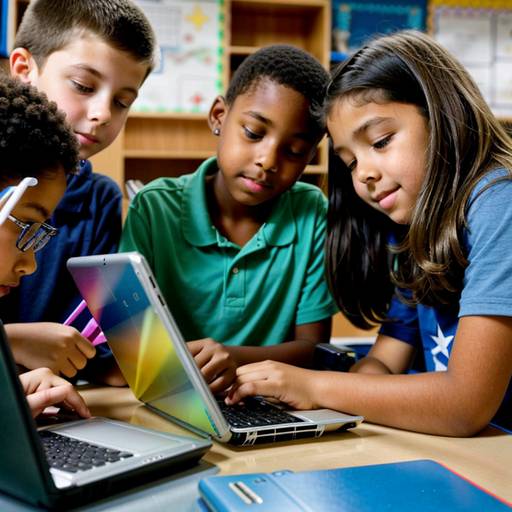
In this 4th-grade technology lesson, students will explore the essential practices of device maintenance and organization, focusing on the care and tidiness of digital devices. The lesson begins with a discussion on the importance of maintaining clean and organized workspaces, followed by direct instruction on common device issues, cleaning techniques, and the significance of software updates.
Students will participate in a group activity where they will create a "Device Care Checklist," brainstorming additional tips for keeping devices in good condition. Hands-on practice at various stations will allow them to clean devices, organize physical accessories, and manage digital files effectively.
The lesson concludes with a reflection on key takeaways and an exit ticket assignment, prompting students to share one maintenance tip and one organizational tip they learned. Assessment will be based on participation in activities, contributions to the checklist, and the understanding demonstrated in exit tickets. Differentiation strategies will support varying learning needs, and a follow-up plan encourages students to apply these skills regularly in their classroom environment.
This lesson plan is designed for 4th-grade students to explore the concepts of digital citizenship and privacy protection in an engaging manner. The session begins with an interactive discussion about students' online activities and introduces key terms related to responsible technology use. Through a presentation and group discussions, students learn about the importance of privacy and how to recognize safe online behavior.
Students then work in small groups to analyze various online scenarios, determining which actions are safe and which may pose privacy risks. Afterward, they create informative posters that convey an aspect of digital citizenship or privacy protection, fostering creativity and reinforcing their understanding. The lesson concludes with reflective journaling, where students consider how they will apply their newfound knowledge both at school and at home. Assessment is based on participation, group contributions, and poster quality, with extensions available for further learning. Overall, the lesson emphasizes the shared responsibility of being a good digital citizen.
In this 4th-grade technology lesson plan, students will explore the art of storytelling through multimedia elements such as text, images, audio, and video. The lesson spans two sessions, beginning with a discussion on storytelling and an introduction to various multimedia components. In small groups, students will brainstorm ideas, develop characters and plotlines, and create storyboards for their narratives.
During the second session, students will use digital tools to create their multimedia stories, incorporating images, audio, and text as they work collaboratively. Each group will present their final projects to the class, fostering an environment of sharing and feedback. Assessment will focus on participation, collaboration, and the effective use of multimedia in their storytelling. This engaging lesson not only enhances students' creativity and critical thinking but also provides them with hands-on experience in digital storytelling.
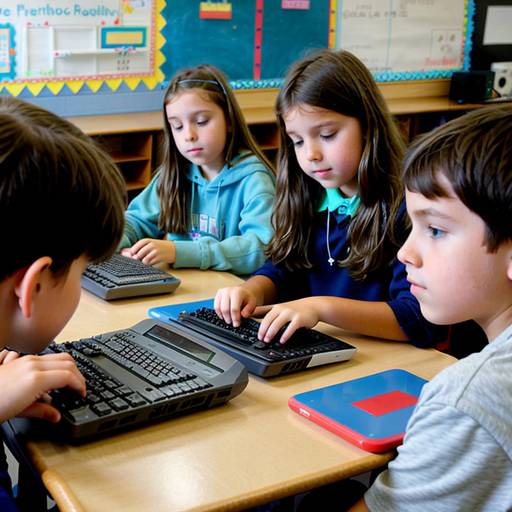
In this 4th-grade technology lesson, students will explore the fundamentals of coding and programming languages. The lesson begins with an engaging discussion about following algorithms through everyday tasks, followed by an introduction to key coding vocabulary and concepts. Students will then log into a block-based coding platform to create their own simple programs, such as animations or games, applying what they've learned about sequences and algorithms. Collaboration is encouraged as students share their projects with peers, providing feedback and support. The lesson concludes with presentations from selected students and a reflective discussion on their experiences. Assessment will focus on participation, creativity in coding, and contributions to discussions. Students will also receive resources for further exploration of coding outside the classroom.
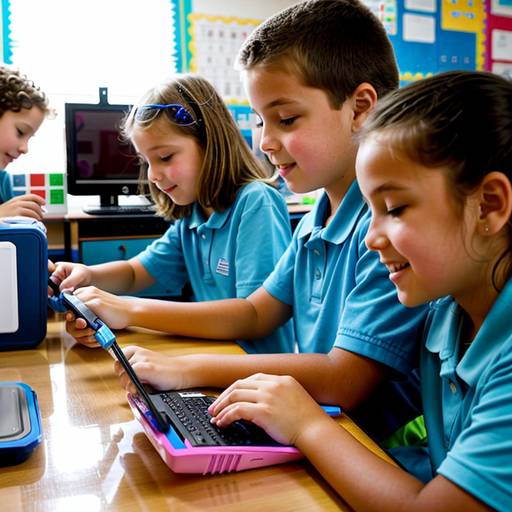
In this 4th-grade technology lesson, students will learn the importance of maintaining and cleaning their devices, such as tablets and laptops, for optimal performance and longevity. The lesson begins with a discussion on the types of devices they use and why maintenance is crucial, followed by a demonstration of proper cleaning techniques. Students will participate in hands-on activities at various cleaning stations, practicing proper cleaning methods with provided materials. The lesson concludes with a group reflection to reinforce their understanding of device care. Additionally, students will receive take-home handouts with cleaning tips, and there will be opportunities for further extension activities to promote ongoing responsibility for their devices. Assessment will include observation of student engagement and a quick exit ticket to gauge learning outcomes.
In this 4th grade technology lesson, students will learn about the concept of a digital footprint and the significance of maintaining a positive online presence. The lesson begins with an engaging introductory activity that compares physical footprints to digital ones, followed by a brief, age-appropriate video explaining the topic.
Students will explore the definition of a digital footprint, discussing its active and passive forms, as well as real-life examples of how online actions can impact individuals both positively and negatively. In small groups, learners will brainstorm ways they create digital footprints and present their findings to the class, highlighting both positive and negative aspects.
To reinforce understanding, the class will participate in an interactive quiz reviewing the concepts covered. Finally, students will reflect on their learning by sharing one commitment they will make to enhance their digital footprint. Through discussions and activities, the lesson emphasizes responsible digital citizenship and encourages students to be mindful of their online actions.
Assessment will include participation in group activities, quiz performance, and individual reflections to ensure comprehension and application of the concepts discussed. Adjustments will be made for differing learning needs, and an optional homework assignment will invite students to outline their future strategies for managing their digital presence.