
Filters
Level
Grade
Subject
Subject Area
Subject Topic
Standard(s)
Audience
Keyword
DurationMinutes
4th Grade Lesson Plans
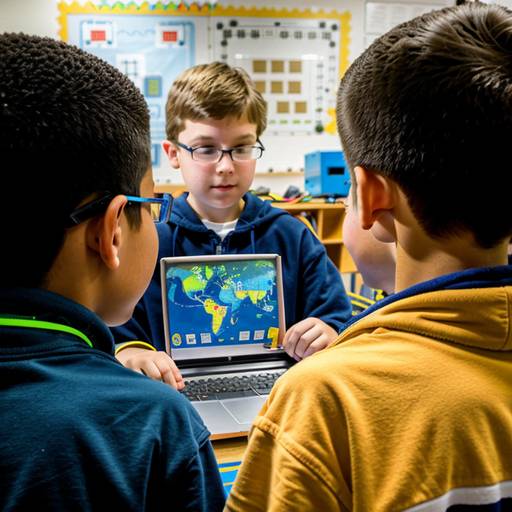
This lesson plan is designed for fourth-grade students to introduce them to the fundamentals of robotics and robot engineering over two class periods. The objectives include understanding basic robotic concepts, identifying robot components and their functions, assembling a simple robot using a robotics kit, programming the robot for basic movements, and collaborating in teams to tackle a robotics challenge.
During the first class, students are engaged in discussions about robots and their everyday applications, followed by a presentation on robot components. They work in groups to complete an activity matching parts to functions and receive an introduction to their robotics kits, learning how to assemble basic structures.
The second class focuses on the actual building and programming of the robots. Students work in their groups to construct their robots, experiment with programming software, and participate in a challenge where they navigate or manipulate objects. They present their creations to the class, discussing their design processes and the challenges they encountered.
Assessment will include observations of group dynamics, completion of worksheets, and evaluations based on presentations. Extensions for advanced students can introduce more complex programming or sensors, and a showcase can allow students to share their work with a broader audience. Safety and support will be ensured throughout the activities.
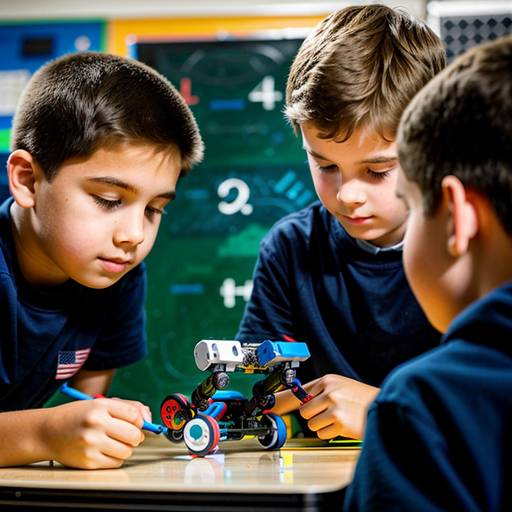
In this 4th Grade technology lesson, students will explore the fundamentals of robotics and programming through hands-on activities. They will start by discussing what robots are and identifying their components such as sensors and motors. Working in small groups, students will brainstorm, design, and build their own robots using provided kits and craft materials, focusing on a specific task their robot will perform.
Once their robots are constructed, students will learn to program their devices using basic coding commands to control movements and actions. The lesson culminates in a testing phase where students will demonstrate their robots' functionality, troubleshoot any issues, and reflect on their experiences. By the end of the lesson, students will have gained collaborative skills, problem-solving techniques, and foundational knowledge in robotics and programming.

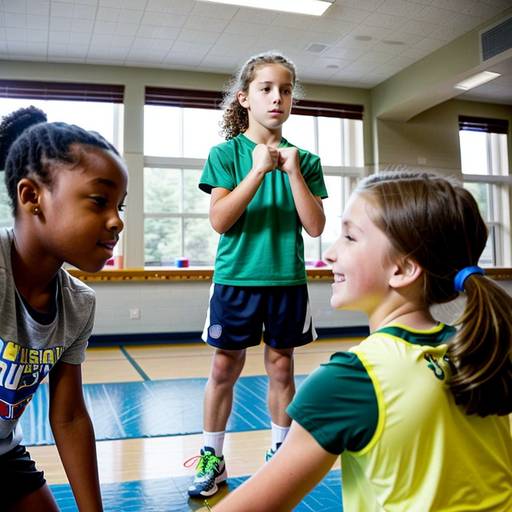
This 4th-grade Physical Education lesson focuses on fitness and strength through engaging activities that promote teamwork and cooperation. Students will begin with a warm-up involving dynamic stretches and light jogging, followed by a discussion on the importance of fitness and strength exercises.
The main activity consists of a station rotation involving five different strength exercises performed in pairs, allowing students to learn and practice push-ups, squats, resistance band rows, plank high-fives, and a medicine ball toss. The lesson culminates in a group relay race that incorporates fitness tasks, emphasizing collaboration.
To conclude, students will cool down with guided stretches and deep breathing exercises, followed by a discussion reflecting on their experiences and learning outcomes. The lesson emphasizes student engagement, teamwork, and the importance of maintaining an active lifestyle. Adaptations are provided to accommodate different fitness levels, ensuring all students can participate safely and effectively.

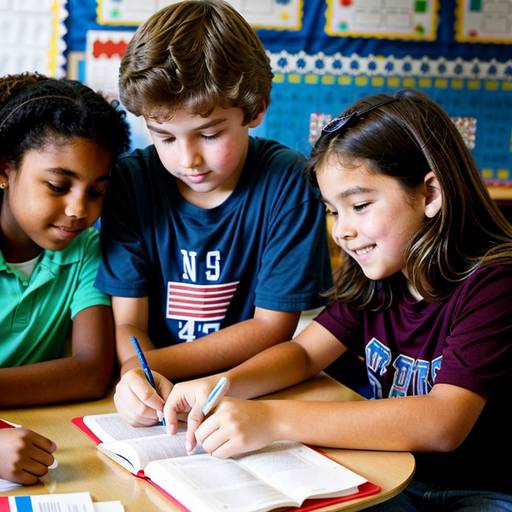
In this 4th-grade social studies lesson, students will explore the diverse roles within their community and understand how each contributes to its overall functioning. The lesson begins with a class discussion about the concept of community and the various jobs individuals perform. Students will be introduced to different community roles, such as police officers, teachers, and healthcare providers, through pictures and descriptions.
Working in small groups, students will select a role, discuss its responsibilities, and prepare a brief skit or presentation to demonstrate its importance. After each group presents, the class will engage in a discussion to reflect on the significance of these roles and the positive impacts they have on the community. To deepen their understanding, students will receive a worksheet to interview a community worker they know, allowing them to connect classroom learning to real-life experiences.
Assessment will be based on group participation and the completion of the worksheet. Adjustments will be made to accommodate different learning needs, ensuring that all students can engage with the lesson effectively. Finally, the lesson provides opportunities for follow-up activities, such as a field trip or guest speaker, to further enrich students' understanding of their community.

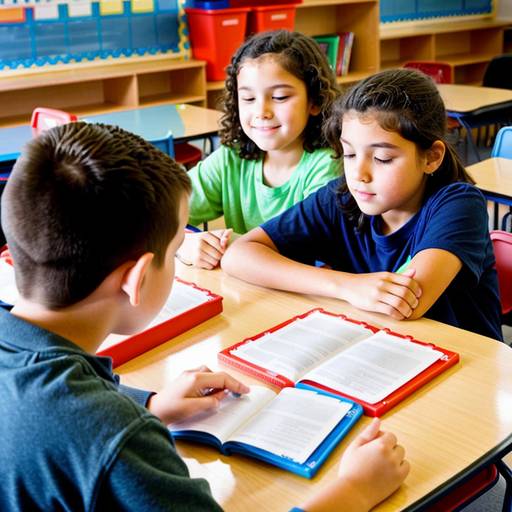
This lesson plan focuses on teaching 4th-grade students the fundamentals of grammar and sentence structure. It aims to help students identify key components of sentences, including subjects, predicates, and objects, while also differentiating between simple and compound sentences.
The lesson begins with an engaging discussion about what makes a good sentence, followed by a mini-lesson on breaking down sentence components using examples. Students participate in a guided activity where they work in groups to create their own simple sentences using sentence strips, sharing their work with the class.
For independent practice, students complete a worksheet that involves identifying parts of sentences and constructing their own examples. The lesson concludes with a sharing session to reinforce learning, where students present one of their created sentences and identify its components.
Assessment is conducted through the collection of worksheets to evaluate students’ understanding, with feedback provided during group sharing. Extension activities are suggested for advanced learners, encouraging them to create more complex sentences. The lesson wraps up with a reflection on student engagement and understanding to inform future instruction.

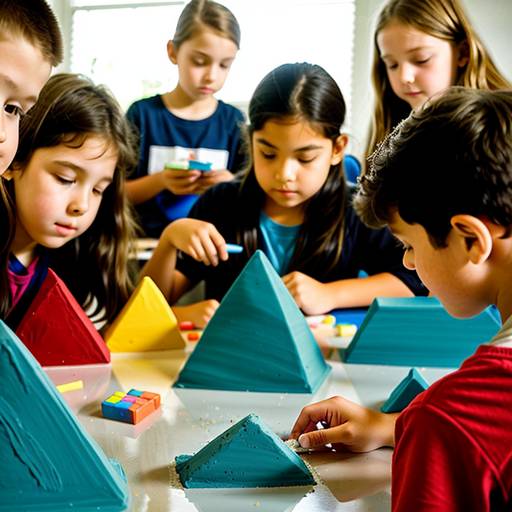
In this 4th-grade art lesson focused on ceramics, students will explore various art forms by creating their own unique clay sculptures. The lesson begins with an introduction to ceramics, including a discussion of shapes and textures, accompanied by visual examples from art history. After demonstrating basic hand-building techniques such as pinching, coiling, and slab building, students will have the opportunity to design and construct their own sculptures using these techniques.
Throughout the creation process, students will be encouraged to brainstorm and sketch ideas, applying their newfound skills to bring their artistic visions to life. The lesson includes time for clean-up and concludes with a sharing session where students present their creations and reflect on what they’ve learned about forms, functions, and the techniques employed. This engaging hands-on experience will inspire students to express their creativity while deepening their understanding of three-dimensional art.
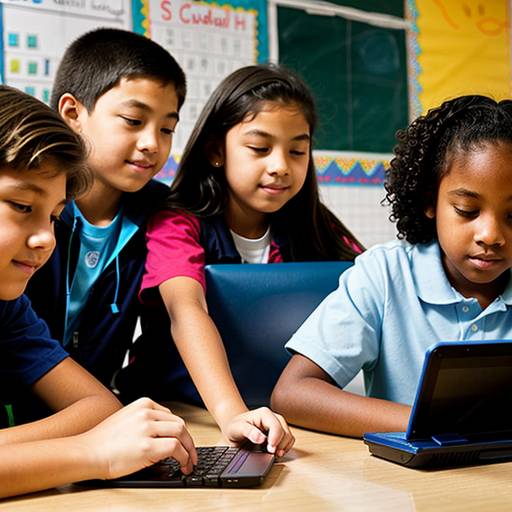
In this 4th-grade technology lesson plan, students will be introduced to the fundamentals of coding through the visual programming language Scratch. The lesson begins with a discussion about coding and its relevance in everyday technology, accompanied by an overview of the Scratch interface and its coding blocks. Students will engage in an exploration activity to familiarize themselves with Scratch, followed by a planning phase where they will design their own interactive games based on storyboards they create.
In the second part of the lesson, students will actively code their games, applying the concepts they learned about movement, objectives, and game mechanics. They will present their projects to the class, showcasing their creativity and the unique elements of their games. The lesson concludes with a reflection on their coding experience. Students will be assessed based on participation, planning documentation, and the complexity of their game creations, with opportunities for future extensions in coding concepts and collaboration.
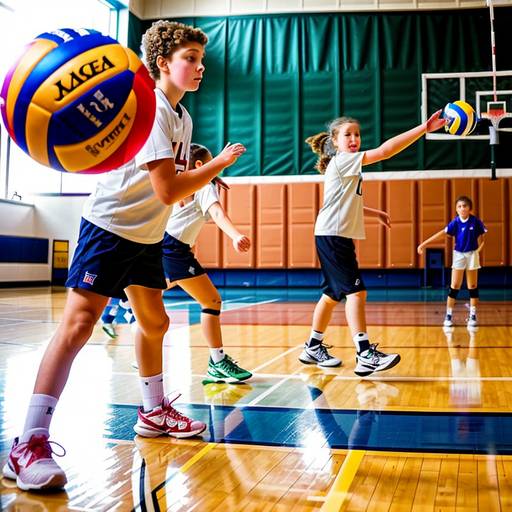
This 4th grade physical education lesson focuses on introducing students to the fundamentals of volleyball through engaging activities that emphasize skill development, teamwork, and communication. The lesson begins with a dynamic warm-up to prepare students physically and introduces them to interesting facts about volleyball.
Students will practice the essential skills of bumping and setting the ball in paired drills, receiving guidance and feedback from the instructor. Following skill development, the class will be divided into teams for mini volleyball matches, allowing students to apply what they’ve learned in a fun and cooperative environment while playing modified games that foster teamwork and sportsmanship.
The session concludes with a cool-down period featuring static stretching and a reflection on the day’s activities. Throughout the lesson, the instructor will assess students based on their technique, participation, and ability to work together effectively. Flexibility in timing and activity modifications will ensure an inclusive experience for all students.
This fourth-grade language arts lesson focuses on teaching students the rules of capitalization and how to apply them effectively in their writing. The lesson begins with an engaging introduction that includes a song or poem, followed by a discussion to gauge prior knowledge. The teacher reviews essential capitalization rules with examples and models correcting sentences with capitalization errors.
Students then engage in guided practice, correcting sentences in pairs, which culminates in sharing corrections with the class. For independent practice, they write a short paragraph about their favorite holiday, ensuring proper use of capitalization. After writing, students participate in peer review to check each other's work.
The lesson concludes with a reflection discussion on the importance of capitalization and a fun game of "Capitalization Bingo." Assessment includes observing participation, reviewing the corrections made by students, and evaluating their written paragraphs. Differentiation strategies are provided to support diverse learning needs, and resources are sent home for continued practice. Overall, the lesson integrates collaboration, creativity, and essential grammar skills to enhance students' writing proficiency.
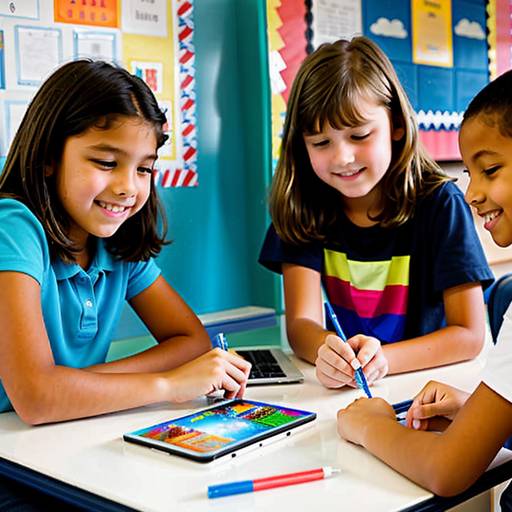
In this 4th-grade technology lesson, students will explore the basics of multimedia creation and photo editing. They will learn to combine images, text, and sounds to tell a story effectively. The lesson begins with an introduction to multimedia and a demonstration of photo editing software and multimedia tools. Students will then participate in a hands-on activity, working in pairs to create a simple multimedia project based on a chosen theme. They will edit photos, add text, and optionally incorporate sound, resulting in a presentation that showcases their creativity. The session concludes with a sharing segment where selected groups will present their projects to the class. Assessment will focus on participation, effort, and the overall quality of the completed projects, with opportunities for extensions and adaptations to meet diverse learning needs.