
Filters
Level
Grade
Subject
Subject Area
Subject Topic
Standard(s)
Audience
Keyword
DurationMinutes
4th Grade Lesson Plans

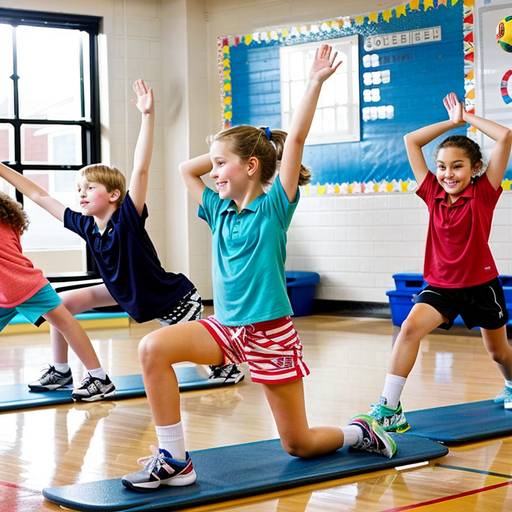
In this 4th Grade Physical Education lesson, students will engage in activities designed to enhance their fitness and flexibility. The lesson begins with a dynamic warm-up to activate muscles, followed by a discussion on the importance of flexibility for physical activity and injury prevention.
Students will participate in a rotation of four stations, where they will practice various stretching techniques using stretching cards, utilize resistance bands for strength and flexibility exercises, challenge their balance and core strength with specific poses, and engage in fun flexibility-based games.
The lesson concludes with a cool-down session, during which students will perform gentle static stretches and reflect on their experiences. Assessment will focus on participation and knowledge retention, with encouragement for students to practice stretching at home. The overall goal is to instill the significance of flexibility in their daily routines and promote a lifelong appreciation for fitness.

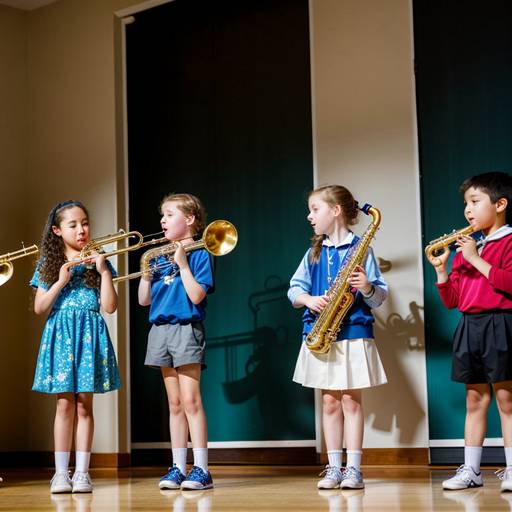
In this 4th-grade music lesson, students will explore wind instruments by engaging in a variety of activities designed to enhance their understanding and appreciation of these instruments. The lesson begins with a discussion on different wind instruments, followed by listening to audio clips that showcase their unique sounds.
Students will then break into small groups, each focusing on a specific wind instrument, where they will research its characteristics, sound production methods, and notable pieces of music. Each group will present their findings to the class, fostering collaboration and communication skills.
After presentations, students will have the opportunity to practice playing wind instruments, such as recorders, learning a simple melody together as an ensemble. The lesson concludes with a reflective discussion on what students learned about wind instruments and their experiences in the class. Through this engaging approach, students will develop a deeper understanding of wind instruments and improve their musical skills in a collaborative environment.
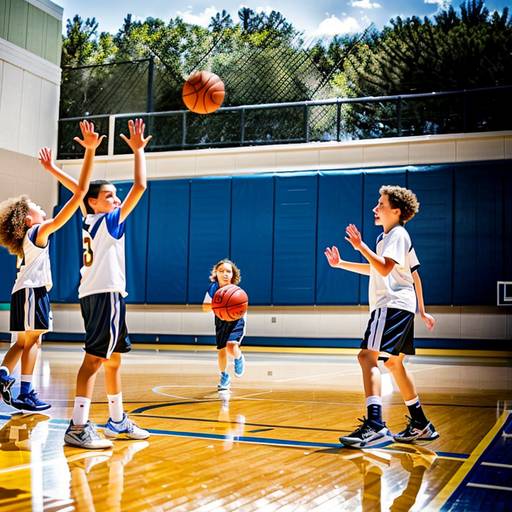
In this 4th-grade physical education lesson, students will focus on developing essential basketball skills, including dribbling, passing, and shooting, all while emphasizing teamwork and communication. The session begins with a warm-up that includes dynamic stretching and a fun dribbling relay to prepare the students for activity.
Students will then rotate through skill stations, where they will practice dribbling through cones, executing accurate passes with partners, and refining their shooting techniques at the hoop. Following the skill stations, students will engage in a team challenge that reinforces their passing and teamwork skills in a competitive setting.
The lesson concludes with a brief scrimmage, allowing students to apply the skills they've learned in a game context. Afterward, a cool-down period includes static stretches, followed by a group discussion to reflect on their learning experiences. Throughout the lesson, instructors will assess student engagement and skill application, ensuring an inclusive approach that accommodates varying skill levels. Overall, this lesson promotes physical activity, skill development, and the importance of sportsmanship among students.


In this 4th-grade social studies lesson, students will explore the concept of westward expansion in American history. They will begin with a discussion about pioneers, sharing their prior knowledge, followed by a short video introduction on the topic. The lesson will provide insights into the motivations behind westward migration, the challenges faced by pioneers, and the effects on indigenous populations.
Students will engage in a group activity where they will research specific aspects of pioneer life and the routes taken during this period. Following this, they will individually write a journal entry from the perspective of a pioneer, reflecting on their experiences, emotions, and challenges encountered during the journey.
To conclude, students will share their journal entries and participate in a reflective discussion about their learnings. The lesson will be assessed through student participation and the content of their journal entries, with opportunities for extension activities, such as guest speakers, to deepen their understanding of the historical context.
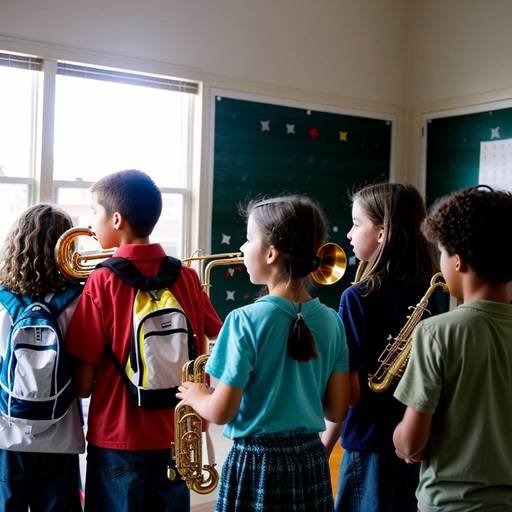
This 4th-grade music lesson focuses on introducing students to wind instruments and how they produce sound. The lesson begins with an interactive discussion, where students explore various wind instruments through pictures and share their prior knowledge. They then participate in a listening activity, where they hear audio clips of different instruments and articulate their impressions. The teacher demonstrates a wind instrument, explaining the technique for sound production, and if available, students can practice playing simple notes on recorders. A creative component allows students to illustrate their favorite wind instrument and identify various instruments discussed in class. The lesson concludes with a sharing session and a recap of key concepts. Assessment is based on student participation, completion of the worksheet, and ability to engage in sound production activities. Extensions include inviting a guest musician and organizing a "show and tell" day for further engagement with wind instruments. Overall, the lesson fosters appreciation and understanding of wind instruments in a fun and interactive manner.

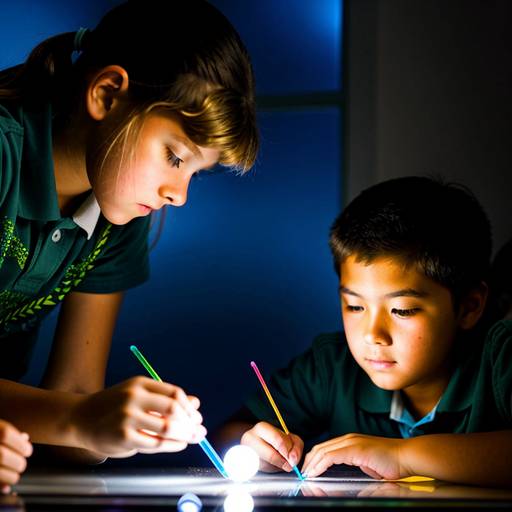
In this 4th-grade art lesson, students will explore the fascinating world of glass art and learn about the unique properties of glass, particularly how it interacts with light. The lesson begins with a discussion and visual presentation of various glass art forms, such as stained glass and blown glass. Students will then engage in a hands-on activity where they create their own artworks using colorful cellophane and plastic sheets, simulating the effects of light and color found in glass art.
Through guided practice, students will sketch their design ideas and learn techniques for layering materials to achieve depth and vibrancy. As they work independently, they will finalize their projects and observe how light reveals the beauty of their creations. The lesson concludes with a sharing session where students present their artwork, explaining their design choices and reflecting on their learning experience.
The lesson emphasizes creativity, critical thinking, and an appreciation of art while providing opportunities for future exploration and connection to local art resources. Adjustments and extensions are available to accommodate different skill levels and enhance the learning experience.
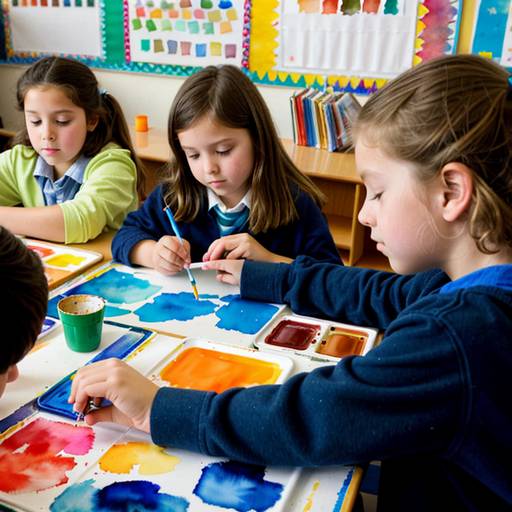
In this engaging 4th-grade art lesson, students will explore the world of watercolor painting by learning fundamental techniques such as wet-on-wet and wet-on-dry application, as well as gradient blending. The session begins with an introduction to various watercolor styles through visual examples, followed by a demonstration where the teacher showcases how to mix colors and execute the different techniques effectively.
Students will then have the opportunity to create their own original artwork on watercolor paper, encouraged to think creatively about themes such as nature or emotions. As they paint, they will apply the techniques they learned, experimenting with color mixing and brushwork.
Throughout the activity, the teacher will circulate, providing support and positive feedback. Upon completion, students will share their creations with a partner and have the chance to present their work to the class, discussing their artistic choices and experiences. The lesson concludes with a cleanup session and a reflection on the skills learned, allowing students to express their enjoyment and new insights gained from the painting process. Overall, this lesson promotes creativity, artistic expression, and a hands-on understanding of watercolor techniques.

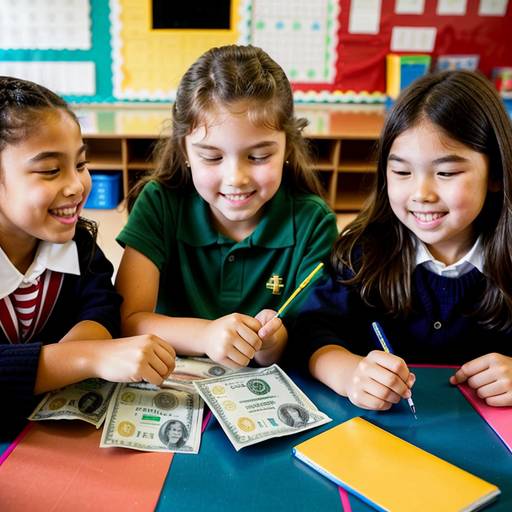
In this 4th grade math lesson, students will explore the concepts of money, budgeting, and making financial choices. The class will begin with a discussion about the role of money in everyday life and the importance of budgeting. Following a mini-lesson on how to create a budget template that includes sections for income, expenses, and savings, students will work in small groups to manage a set amount of play money, making decisions about how to allocate funds for various items represented by flashcards.
The lesson consists of two main activities: first, students will collaboratively design a budget, prioritizing their spending based on needs versus wants. Next, they will engage in a marketplace simulation where they can "purchase" items with their play money, reinforcing their budgeting decisions.
To conclude, groups will present their budgets and spending choices, reflecting on their experiences and the lessons learned about financial management. Assessment will be based on group participation, completed budget worksheets, and discussions on budgeting challenges. Extensions could involve tracking personal allowances or discussing real-world budgeting scenarios, furthering their understanding of financial responsibility.
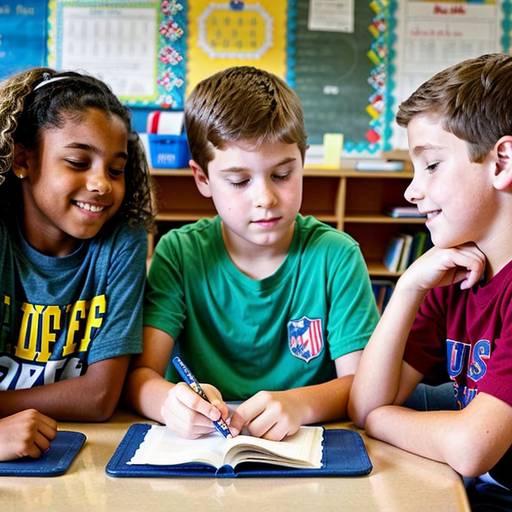
In this engaging 4th-grade social studies lesson, students will explore the purpose and importance of rules within a community. The lesson begins with a class discussion about the characteristics of a good community and how rules contribute to safety and order. Students will work in small groups to analyze specific community settings, brainstorming relevant rules for each scenario and sharing their ideas with the class.
Next, the class will collaboratively review a worksheet on common community rules, categorizing them into themes such as safety and respect, which enhances their understanding of each rule's significance. Students will then reflect individually by proposing a new rule for their community, writing their ideas on post-it notes to create a collaborative "Community Rule Board."
The lesson concludes with a summarization of key points about rule-following and encourages students to think of ways they can positively impact their community. Assessment will be based on participation in discussions and group activities. The lesson is designed to foster teamwork, critical thinking, and a sense of responsibility among students as active members of their community. Extensions may include inviting community leaders for discussions and planning a service project to reinforce the principles learned. Adaptations are also available to support varying levels of student engagement.
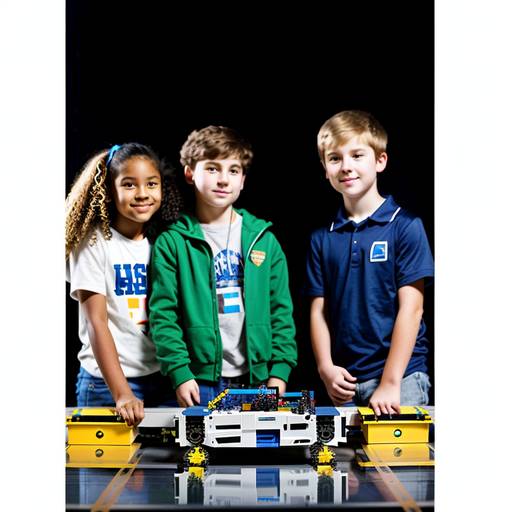
In this engaging 4th-grade technology lesson, students will explore the world of robotics by building and programming their own simple robots. The lesson begins with an introduction to the basic concepts of robotics and examples from everyday life. Students will work in small groups to design and construct their robots using LEGO robotics kits, encouraging creativity and collaboration.
Following the building phase, they will learn how to program their creations using appropriate software to execute specific tasks. Once the programming is complete, students will participate in a series of challenges, navigating their robots through an obstacle course. Reflection discussions will allow them to evaluate their strategies and make improvements.
Assessment will focus on participation, robot performance in the challenges, and group reflections on their experiences. Extensions to the lesson can include advanced robotics concepts or art integration, further enhancing their learning. The overall goal is to foster teamwork, problem-solving, and a deeper understanding of technology and engineering.