
Filters
Level
Grade
Subject
Subject Area
Subject Topic
Standard(s)
Audience
Keyword
DurationMinutes
4th Grade Lesson Plans

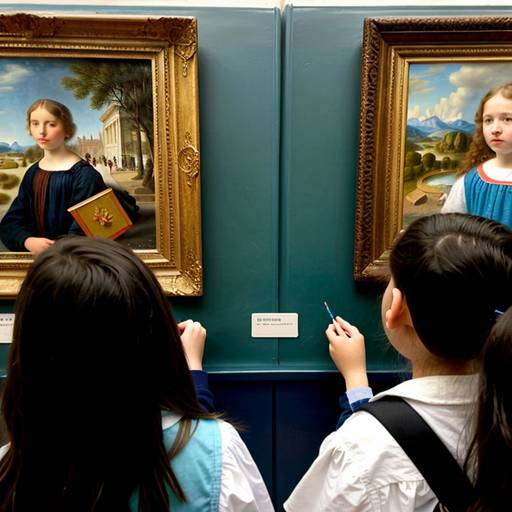
In this 4th-grade art lesson, students will explore significant art periods in history, such as the Renaissance, Impressionism, Cubism, and Pop Art. The lesson begins with an engaging presentation that highlights key characteristics of each period and showcases famous artworks. Following the presentation, students will participate in a discussion about their favorite periods and artists. They will then create their own original artwork, inspired by the styles and techniques of the chosen period, using various materials such as colored pencils and paints. The lesson will conclude with a sharing session where students display their creations and reflect on their inspirations. Assessment will focus on participation, creativity, and connection to the selected art period. Extensions may include further research on specific artists or a classroom art gallery display. This lesson aims to foster an appreciation for art history while encouraging personal expression.
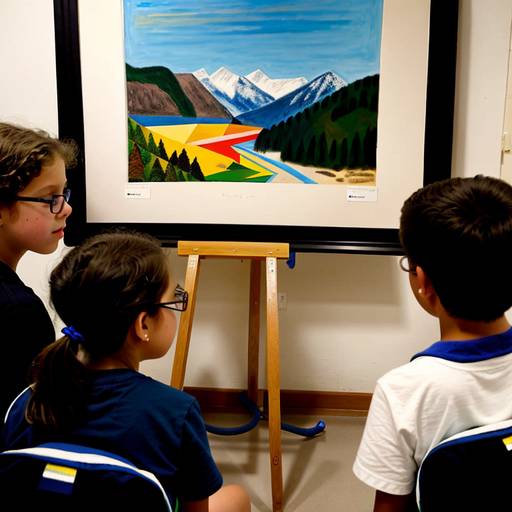
In this 4th-grade art lesson, students will explore various art movements and the historical contexts behind them, emphasizing how artists use their work to tell stories about their societies. The lesson begins with an introduction to different art movements, featuring visual examples and discussing the themes represented in notable artworks. Students will then work in small groups to delve deeper into their assigned movement, identifying key characteristics and themes. After presenting their findings to the class, each student will create their own artwork inspired by the movement they studied, incorporating relevant techniques and storytelling elements. The lesson concludes with a gallery walk where students share their creations, provide feedback to peers, and reflect on their learning experiences. Assessment will focus on participation, creativity, and effort throughout the activities. Extensions include inviting a local artist for a talk or creating a class mural, fostering further engagement with the topic.

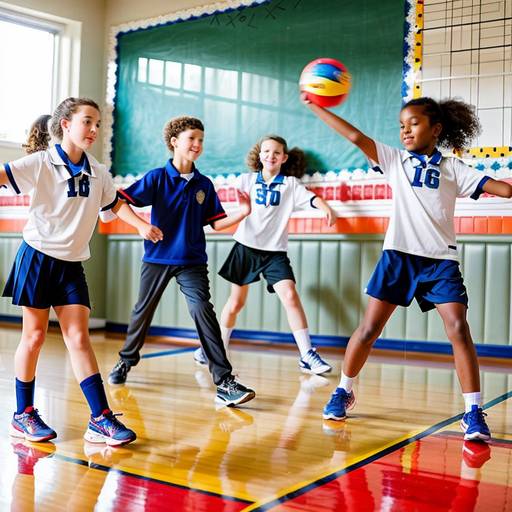
In this 4th-grade Physical Education lesson, students will engage in activities that enhance their balance and coordination skills through gymnastics-inspired exercises. The class will begin with a dynamic warm-up involving stretches and movement sequences set to music. Following the warm-up, students will rotate through three interactive stations focused on balance beams, jumping hurdles, and team challenges that promote cooperative learning.
At each station, students will practice essential skills, such as walking on a beam, jumping with precision, and creating short routines with their peers. After the station activities, the class will cool down with static stretches and a group discussion, where students can share their experiences and goals for improvement.
Throughout the lesson, safety measures will be emphasized to prevent injuries, and adaptations will be provided for students with different abilities. Overall, this engaging lesson aims to foster physical fitness, teamwork, and self-expression in a supportive environment.
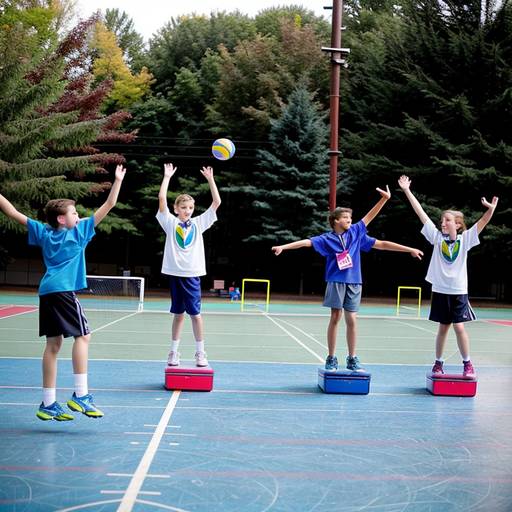
This physical education lesson plan for 4th graders focuses on enhancing students' coordination and balance through a variety of engaging activities. The session begins with a brief introduction to the concepts of coordination and balance, followed by a warm-up that includes dynamic stretching and a balance challenge.
The main portion of the lesson features two key activities: a balance beam challenge where students walk across beams while performing a task, and an obstacle course that incorporates hula hoop jumps, cone weaving, and synchronized jump rope exercises. Students work in small teams and rotate through these activities, fostering teamwork and collaboration.
The lesson concludes with a cool-down period where students reflect on their experiences and engage in static stretches. Assessment is conducted through informal observations of students’ performance, and adjustments are provided for varying skill levels, ensuring an inclusive environment. Overall, the lesson aims to improve physical skills while promoting fun and social interaction among students.
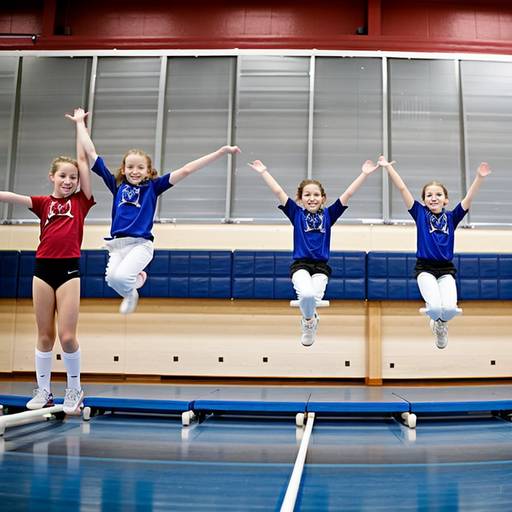
This lesson plan focuses on enhancing coordination and balance skills for 4th-grade students through a series of engaging activities. The session begins with dynamic stretching and balance exercises to warm up students' muscles while emphasizing body control. Students then rotate through various stations, including walking on balance beams, maintaining balance in hula hoops, weaving through cones, and practicing ball tosses while balancing on one foot.
The lesson encourages collaboration and support among peers as they navigate these challenges. Following the active portion, students participate in a cool-down session that includes stretching and a group discussion to reflect on their experiences and the skills they developed. Throughout the lesson, instructors assess students’ abilities and provide feedback to promote improvement. The lesson concludes with a reminder of the importance of coordination and balance in both sports and everyday activities, encouraging students to continue practicing these skills at home or during other physical pursuits.
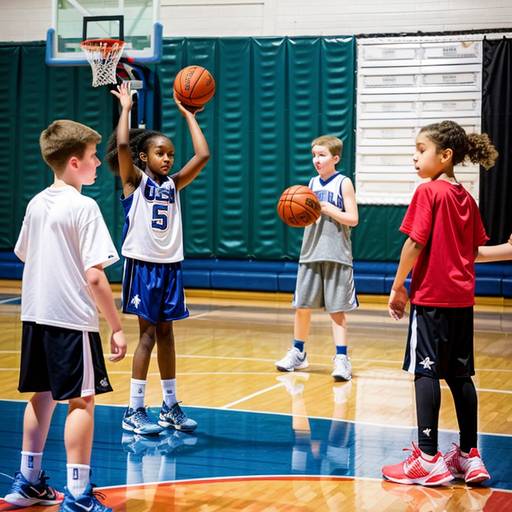
In this 60-minute physical education lesson for 4th-grade students, the focus is on teaching fundamental basketball skills while promoting teamwork and sportsmanship. The lesson begins with an introduction to the basic rules of basketball, followed by a dynamic warm-up to prepare the students for physical activity.
Students then rotate through skill stations, where they practice dribbling through obstacles, executing passing techniques with partners, and refining their shooting form. After skill development, students participate in a mini-game that allows them to apply what they've learned in a team setting, encouraging collaboration and strategic play.
To conclude, the class cools down with light walking and stretching, followed by a reflection discussion to share their experiences and thoughts on teamwork. Throughout the lesson, the teacher assesses student performance and provides feedback, ensuring that all students are engaged and supported. Adaptations are included to accommodate varying skill levels, making the lesson inclusive for all participants.
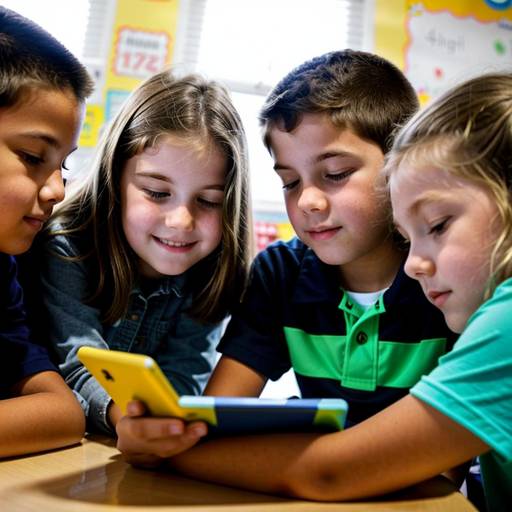
In this 4th-grade technology lesson, students will explore the concepts of digital citizenship and online safety through interactive discussions and group activities. The lesson begins with an engaging introduction where students share their thoughts on digital citizenship, followed by a presentation covering key aspects of online safety, such as protecting personal information and recognizing online dangers.
Students will participate in a Think-Pair-Share activity to reflect on their online experiences before working collaboratively in small groups. Each group will analyze various scenarios depicting safe and unsafe online behavior, determining the best practices for online interactions. They will create short skits based on these scenarios to present to the class, facilitating further discussion.
The lesson concludes with a class reflection on learned strategies for staying safe online, as well as an exit ticket activity where students can express what they've learned and any remaining questions. The lesson emphasizes critical thinking, responsibility, and the importance of being informed digital citizens. An extension activity challenges students to create digital posters or slideshows about online safety to share with the wider school community.
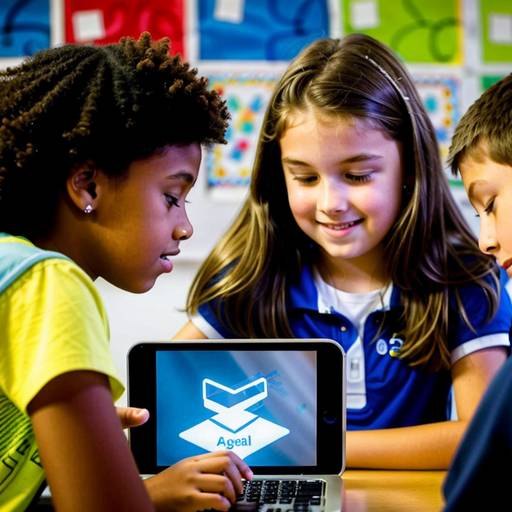
This lesson plan is designed for 4th-grade students to explore the concepts of digital citizenship and cyberbullying awareness. Students will engage in discussions to define digital citizenship and identify various forms of cyberbullying, understanding their emotional impact on victims. Through an interactive video and group role-playing activities, students will practice responding to cyberbullying scenarios. The lesson emphasizes the importance of responsible and respectful online behavior, culminating in students signing a Digital Citizenship Pledge to commit to these principles. Assessment will be based on participation in discussions and role-plays. The plan also includes extension activities, such as creating informative posters and writing short stories related to the topics covered.
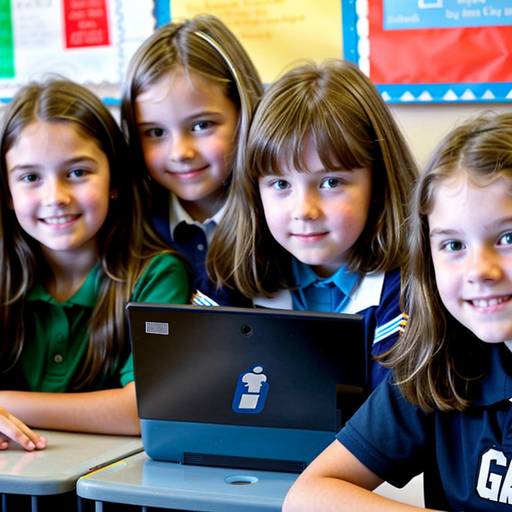
In this 4th-grade technology lesson, students engage in understanding the concepts of digital citizenship and privacy protection. The lesson begins with a class discussion about responsible technology use, followed by a short video that highlights the importance of keeping personal information private. Students then participate in a group activity where they analyze various online scenarios related to privacy, discussing appropriate responses and the rationale behind them. The session concludes with a reflection activity, where students express their learning and commit to actions that will help protect their privacy online. The lesson aims to empower students with the knowledge and skills to navigate the digital world safely and responsibly. Extension activities include creating a digital citizenship poster and hosting a parent night to reinforce safe online practices at home.

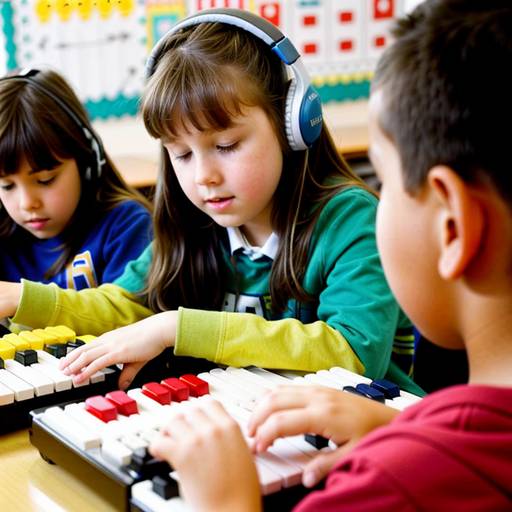
In this 4th-grade music lesson, students will explore the foundations of rhythm and music theory through engaging activities. The lesson begins with a warm-up call-and-response clapping exercise to build rhythmic awareness. Students will learn about key rhythmic notations—quarter notes, eighth notes, and half notes—while discussing their importance in music and daily life.
Following the introduction, learners will practice clapping exercises and then transition to using rhythm instruments in small groups. Each group will create an original 4-beat rhythm pattern, incorporating the learned notation. After practicing their compositions, groups will perform their rhythms for the class, showcasing their understanding of rhythm.
The lesson not only emphasizes collaboration and creativity but also encourages students to identify rhythms in their everyday lives, making the learning experience relevant and applicable. Assessment will be based on participation, rhythm accuracy, and creativity in group performances. Extension activities will provide further opportunities for exploration and complexity in rhythm.