
Filters
Level
Grade
Subject
Subject Area
Subject Topic
Standard(s)
Audience
Keyword
DurationMinutes
4th Grade Lesson Plans

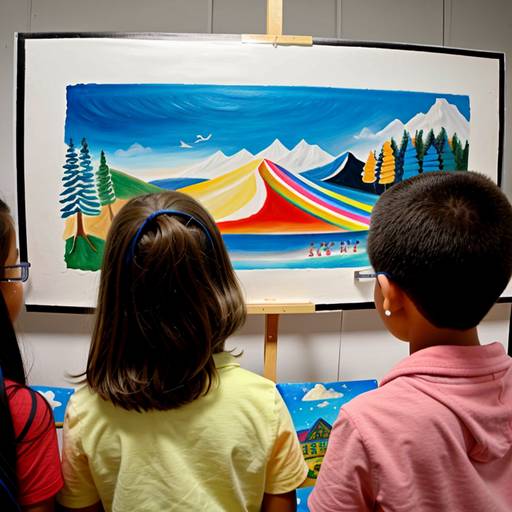
In this 4th-grade art lesson, students will explore basic painting techniques using both watercolor and acrylic paints. The lesson begins with a warm-up discussion about landscapes, allowing students to share personal experiences and view examples of various landscape artworks. Students will learn about color mixing, practicing with primary and secondary colors before sketching their own landscape scenes.
During the painting process, students will be divided into two groups based on their preferred medium, focusing on specific techniques such as blending, layering, and texturing. They will then create their colorful landscape paintings.
As the lesson concludes, students will present their artwork to the class, reflecting on their creative choices and the challenges they faced. Clean-up procedures will be discussed to ensure proper care for art materials. Assessment will be based on participation, effort, and creativity in their final pieces. Extension activities and adaptations are provided to accommodate diverse learners and encourage further artistic exploration.

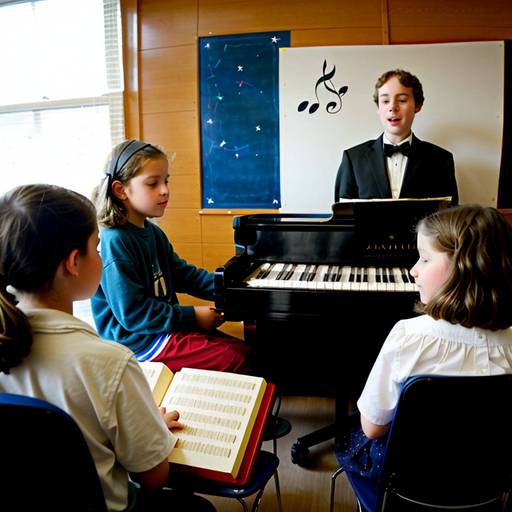
In this music history lesson for 4th-grade students, the focus is on exploring key composers from different musical periods. Students will engage in group activities to learn about composers like Johann Sebastian Bach, Ludwig van Beethoven, Wolfgang Amadeus Mozart, and Igor Stravinsky, listening to their music and discussing their unique styles and contributions to the field. Each group will then create a short musical piece inspired by the techniques of their chosen composer, using instruments or classroom supplies. After presenting their creations to the class, students will reflect on what they learned about music history. The lesson concludes with a recap and a preview of future topics, encouraging students to think critically about the impact of these composers on music. Accommodations will be made to support diverse learners, and extensions are offered for those interested in further research. Overall, the lesson aims to foster appreciation for music and enhance creative expression in a collaborative environment.
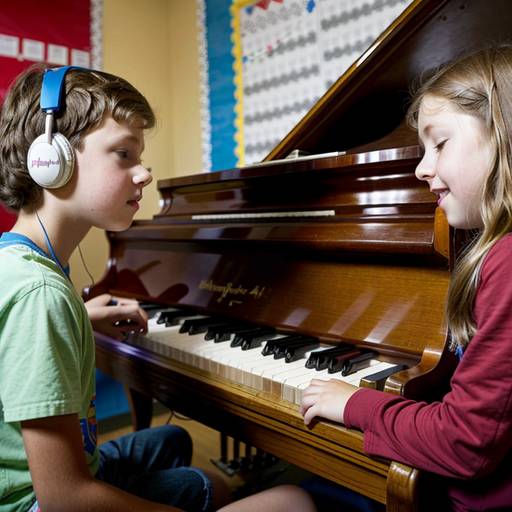
In this 4th-grade music lesson, students will explore the significance of composers throughout history and their influence on various musical styles. The lesson begins with an introduction to the role of composers and a discussion of different music eras, such as Classical and Jazz. Students will work in small groups to research specific composers, listen to their music, and share interesting facts with the class, creating a collaborative timeline of composers on a whiteboard. Following this, learners will listen to audio clips representing various musical styles and engage in discussions about the emotions and instruments associated with each piece. Finally, students will create their own short musical compositions using notation worksheets, inspired by the styles they have learned about. The session concludes with a sharing of their original pieces and a recap of the key concepts. Participation in discussions, completion of worksheets, and creativity in compositions will serve as assessment criteria. Extensions include a themed dress-up day and classroom displays to further enhance engagement and learning related to music history.
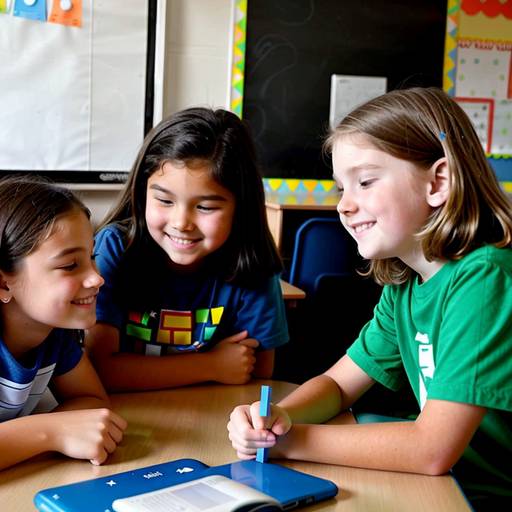
In this 4th-grade technology lesson, students will explore essential internet skills and the concept of netiquette. The lesson begins with an engaging discussion on kindness in online interactions, transitioning into direct instruction on basic internet navigation and important online etiquette rules. Students will participate in small groups to discuss various scenarios related to digital communication, applying their understanding of netiquette. Each student will then practice their skills by posting positive comments on a collaborative platform. The class will conclude with a discussion about what they learned and an exit ticket activity where each student will identify one way they plan to practice respectful online behavior moving forward. This lesson not only enhances their technical abilities but also encourages responsible interactions in the digital world.

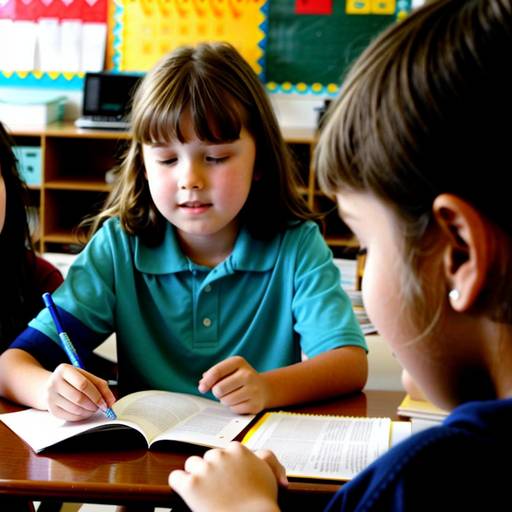
In this fourth-grade language arts lesson, students will explore the fundamentals of persuasive writing by learning to craft their own persuasive letters. The class will begin with a discussion about the concept of persuasion and techniques used to convince others, such as emotional appeal, facts, and credibility. Following this, students will analyze examples of persuasive letters, focusing on key components such as the introduction, body, and conclusion.
They will then engage in guided practice using a graphic organizer to brainstorm ideas and structure their letters around topics they are passionate about. After drafting their letters independently, students will pair up to share their work and provide constructive feedback to one another. The lesson will conclude with a few students sharing their letters with the class, reinforcing the importance of persuasive writing in everyday communication. Assessment will focus on evaluating the clarity, use of persuasive techniques, organization, and creativity of each student’s letter. Extensions include creating posters or presentations based on their topics, enhancing engagement and practical application of their persuasive writing skills.

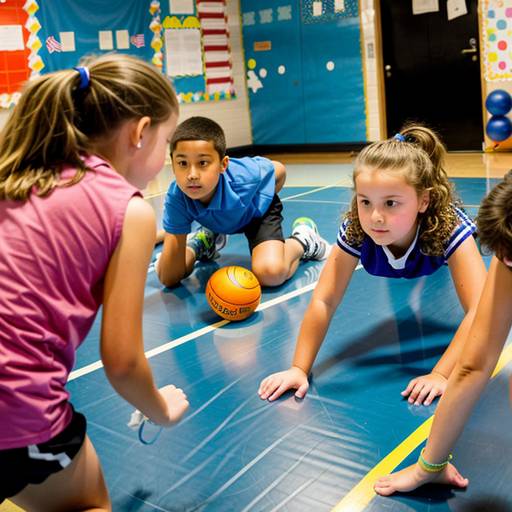
This 4th-grade physical education lesson focuses on enhancing students' coordination and teamwork skills through engaging activities. The session begins with a dynamic warm-up that prepares students for movement, followed by a relay activity where teams compete to throw beanbags into hula hoops. This promotes both coordination and cooperative encouragement among teammates. The second part of the lesson involves a trust walk, where students navigate an obstacle course in pairs, enhancing their communication and reliance on one another. The class concludes with a cool-down discussion that reflects on the importance of teamwork and coordination in achieving shared goals. Throughout the lesson, students are assessed on their ability to cooperate and communicate effectively, ensuring inclusivity and support for all participants.
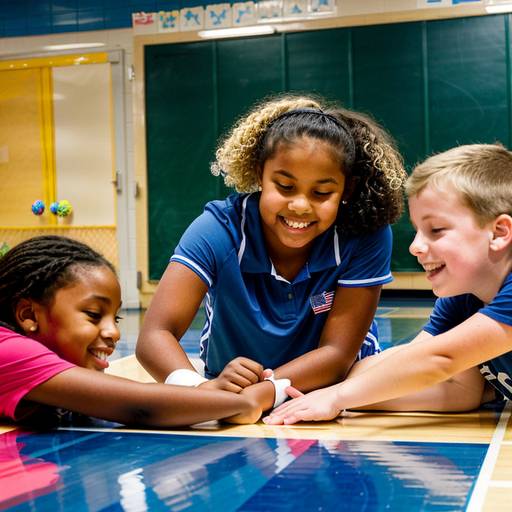
This 4th-grade physical education lesson focuses on enhancing coordination and teamwork among students through engaging activities. The lesson begins with a dynamic warm-up and a discussion on the importance of coordination and collaboration in sports and daily life.
Students are then divided into small teams to participate in relay races that emphasize balance and communication, using various objects to navigate a course. Following this, they engage in a trust-building activity where they work together to pass a hula hoop around a circle, challenging their coordination and reliance on one another.
The lesson concludes with a gentle cool-down and a reflective discussion, encouraging students to share their experiences and insights about teamwork and support. Throughout the lesson, modifications are provided to accommodate all students, ensuring an inclusive environment that promotes personal growth and collaborative skills. Overall, the session aims to foster both physical skills and valuable interpersonal relationships.
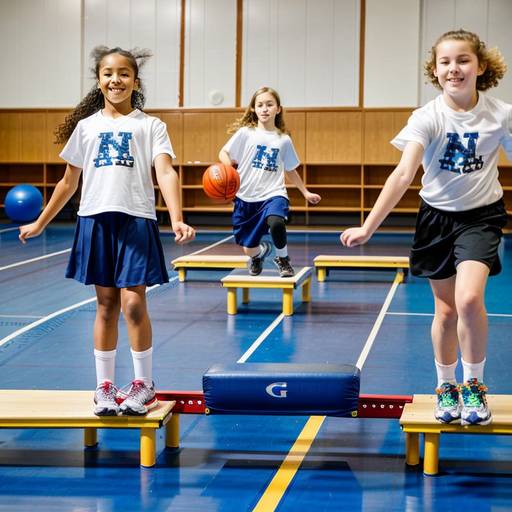
In this 4th-grade physical education lesson, students will focus on enhancing their coordination and balance through a series of engaging activities and an obstacle course. The lesson begins with a warm-up that includes dynamic stretching and a quick game of Freeze Tag to get the students active. Following the warm-up, the instructor will explain the concepts of coordination and balance.
Students will then be divided into small groups, where they will rotate through different activity stations, including hula hoop hopping, walking on a balance beam, tossing bean bags, a jump rope relay, and weaving through cones. Each group will spend a few minutes at each station, fostering teamwork and friendly competition by timing their performances.
After completing the obstacle course, the class will come together to reflect on their experiences, discussing the challenges and enjoyment they found in the activities. To conclude the lesson, students will participate in a cool-down session with stretches and breathing exercises. Throughout the lesson, the instructor will monitor student engagement and safety, providing a supportive environment for all abilities and encouraging positive peer feedback.

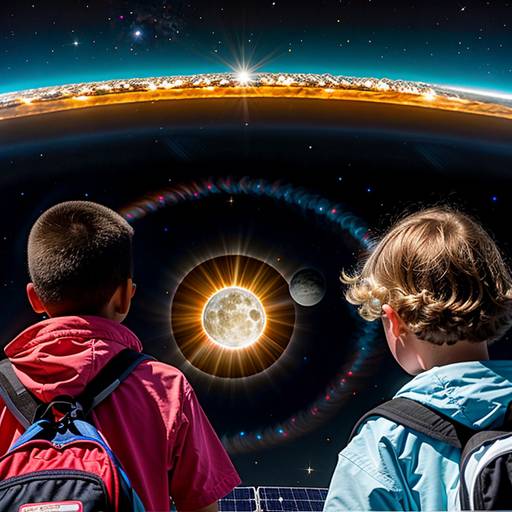
This lesson plan is designed for 4th-grade students, focusing on astronomy and space exploration by introducing them to our solar system. Over two class periods, students will learn about the eight planets, exploring their characteristics and significance within our solar neighborhood. The lesson begins with an engaging video and a discussion on space exploration, followed by group research on individual planets using fact cards.
Students will then create models of the planets to understand their size, color, and unique features, while also incorporating the concepts of orbit and rotation. A collaborative activity will see students representing the solar system on a large poster board, emphasizing the correct order and distance between planets. Throughout the lesson, students will engage in discussions, present their findings, and complete reflection worksheets to consolidate their learning.
The plan encourages creativity, teamwork, and critical thinking while also offering opportunities for further exploration and extension activities to maintain interest in the subject. Overall, the lesson aims to foster curiosity about space and enhance students' understanding of our place in the universe.
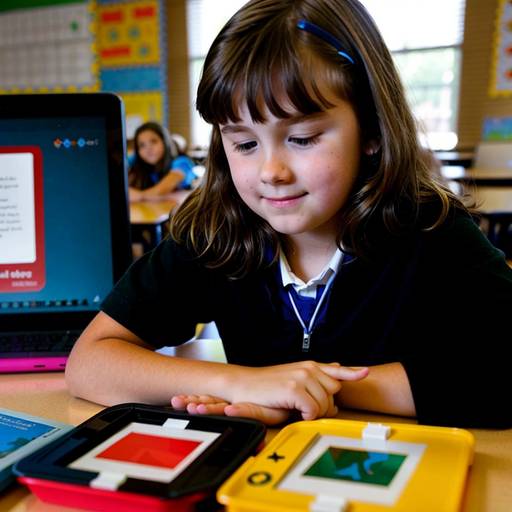
This technology lesson plan targets 4th-grade students, focusing on introducing coding concepts through the creation of interactive stories using a block-based coding platform like Scratch. Over the course of 60 minutes, students will engage in discussions about coding's importance, learn basic coding commands, and plan their unique stories, identifying key elements like characters and plot interactions. Following this, they will actively create their interactive stories by incorporating various coding elements, encouraging creativity and collaboration. The lesson concludes with peer-sharing sessions where students present their projects, receive feedback, and reflect on their learning experiences. Assessment will focus on engagement, story outlines, and the final interactive stories, while extensions allow for further refinement and exploration of coding outside the classroom.