
Filters
Level
Grade
Subject
Subject Area
Subject Topic
Standard(s)
Audience
Keyword
DurationMinutes
4th Grade Lesson Plans

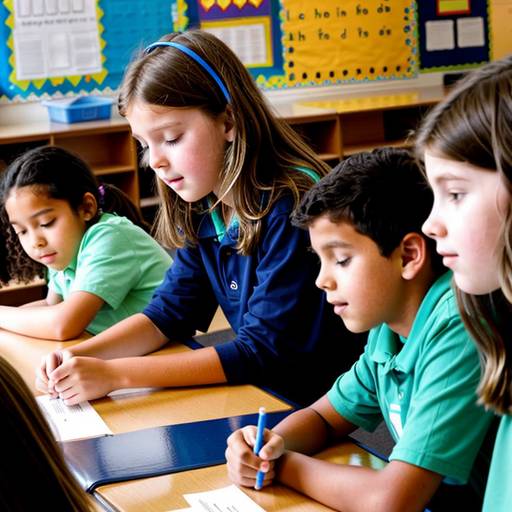
In this 4th-grade social studies lesson, students will explore the essential role of community rules and responsibilities in fostering a safe and caring environment. The lesson begins with a discussion on the characteristics that make a community a good place to live, followed by an introduction to various community roles, such as teachers, parents, and firefighters. Students will then work in small groups to brainstorm rules that their assigned roles should follow to contribute positively to the community. Each group will present their findings on chart paper.
In an independent reflection activity, students will write down one important rule they believe is vital for a caring community and share it with the class. The lesson concludes with a recap of the significance of rules and how students can actively contribute to their community. Assessment will be based on participation, group presentations, and individual reflections. This engaging lesson encourages students to understand their roles within the community and the importance of cooperation and responsibility.

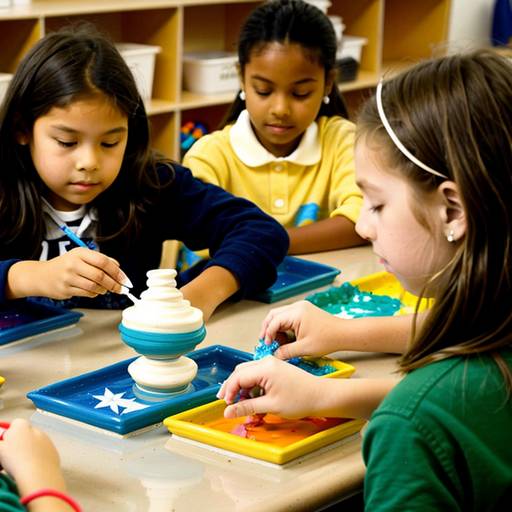
In this 4th-grade art lesson plan, students will explore the art form of ceramics by creating their own clay sculptures. The lesson spans two class periods, starting with an introduction to ceramics, discussing its cultural significance, and showcasing various ceramic art forms. After a demonstration of basic hand-building techniques such as pinching, coiling, and slab-building, students will brainstorm their ideas and sketch their designs.
In the first class, students will begin working with clay, applying the techniques demonstrated while expressing their creativity. In the second class, they will refine their projects and, depending on the type of clay used, either paint their creations or learn about glazing for kiln-fired pieces. The lesson culminates in a presentation session where students will share their works and insights regarding their artistic process, fostering an understanding of personal expression in art. Assessment will focus on participation, the final sculpture, and the presentation.
Extensions include organizing a classroom art exhibit to showcase the students' finished sculptures and exploring more advanced ceramic techniques in future lessons.
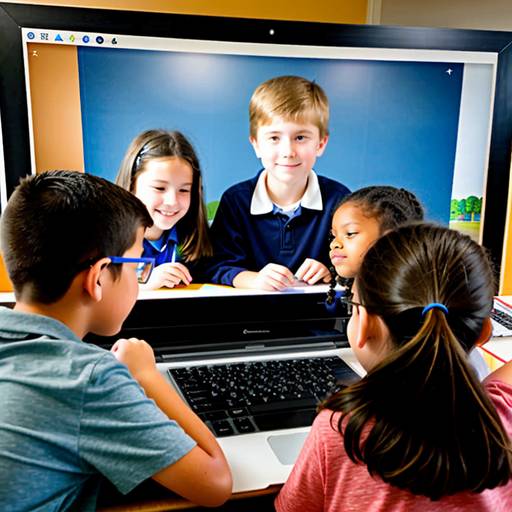
In this technology lesson for 4th graders, students will learn to create a digital storybook by integrating multimedia elements such as images, text, and narration. The lesson is divided into two days. On the first day, students are introduced to the concept of multimedia and basic photo editing techniques, allowing them to practice editing sample photos. They will then brainstorm and outline their story ideas, focusing on narrative structure.
On the second day, students will select and edit their images, which they will use to create a storybook page using presentation software. They will learn to import images, add text to convey their narratives, and experiment with layout and design elements. The lesson concludes with a sharing session, where students reflect on their experiences and what they learned about multimedia creation and digital citizenship. Assessment will be based on creativity, use of photo editing techniques, narrative clarity, and responsible image usage. Extensions and modifications are provided to accommodate different learning levels.
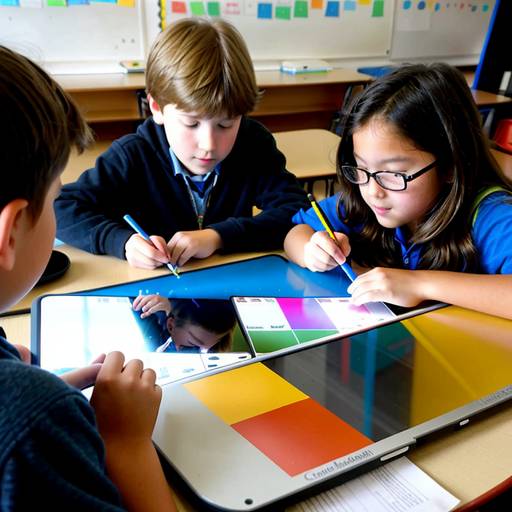
This lesson plan is designed for 4th-grade students to explore multimedia creation and digital storytelling. It spans two to three class periods and focuses on teaching students how to craft and present their own digital narratives. The objective is for students to develop their storytelling skills by integrating text, images, and sound using digital tools.
During the first day, students engage in discussions about storytelling elements and work in groups to brainstorm and outline their story ideas using storyboarding templates. The second day is dedicated to creating their digital stories with multimedia software, allowing them to bring their ideas to life while focusing on collaboration and the technical aspects of digital creation.
On the final day, students present their completed digital stories to the class, encouraging peer feedback and reflection on the storytelling process. Assessment includes evaluating the presentations based on creativity, clarity, and teamwork, while extensions involve showcasing the digital stories on a class website or during a special event. Overall, the plan promotes creativity, critical thinking, and collaboration among students.
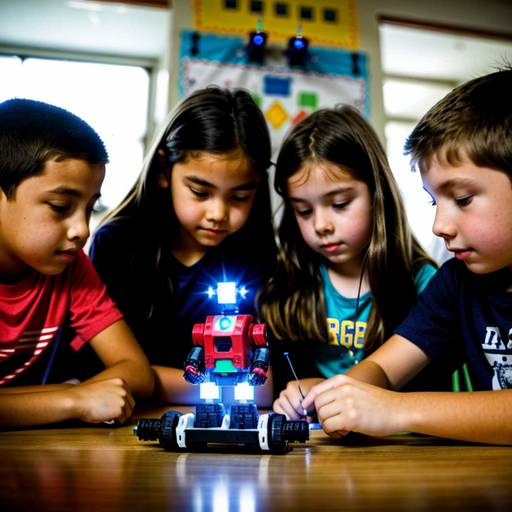
In this lesson plan designed for 4th-grade students, the focus is on introducing basic concepts of robotics and engineering through a hands-on project. Students begin by exploring various types of robots and their functions, fostering a discussion about their role in everyday life. They learn about the engineering design process, which includes steps such as asking questions, imagining solutions, planning, creating prototypes, and improving designs.
In small groups, students brainstorm ideas and then proceed to build their own simple robot models using everyday materials. Each robot must incorporate at least one moving part and demonstrate a specific function. After constructing their robots, the groups present their designs to the class, explaining their decisions and the challenges they faced during the creation process.
The lesson encourages teamwork, problem-solving, and critical thinking while allowing students to reflect on their experiences and consider ways to improve their designs. Additional activities could involve basic programming concepts to complement the hands-on experience. Assessment includes participation, creativity in design, and the ability to communicate the engineering process effectively during presentations.
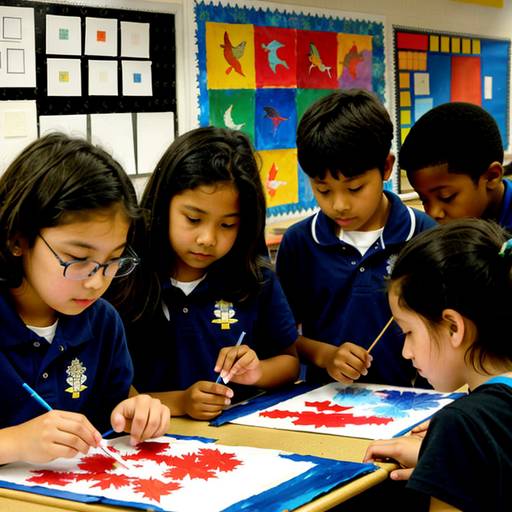
In this art lesson plan for 4th graders, students will explore printmaking techniques, focusing specifically on relief printmaking. The lesson spans two sessions, beginning with an introduction to the art form and its historical significance. Students will learn how to create their own designs using Styrofoam sheets, rolling paint onto these designs with brayers to produce prints. In the second session, they will enhance their work by incorporating various texture tools to add depth and patterns to their prints. The class will encourage creativity and experimentation, allowing students to produce multiple prints and share their experiences. The plan includes assessments based on participation, creativity, and technique, as well as an extension activity to create a classroom gallery of their artwork. Overall, this lesson fosters artistic expression while teaching important concepts in printmaking.
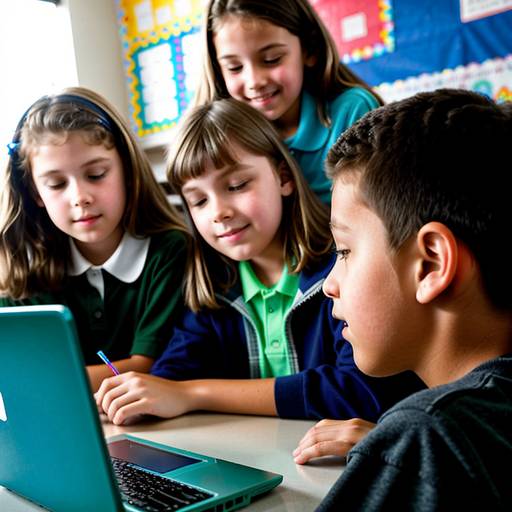
In this 4th-grade lesson on digital citizenship and cyberbullying awareness, students will explore the importance of being responsible and respectful online. The session begins with a discussion about their online activities, leading to an introduction of digital citizenship concepts. Students will engage in group activities where they analyze scenarios depicting cyberbullying, discussing the impact on individuals and identifying ways to respond positively. The lesson emphasizes the role of bystanders as upstanders, encouraging students to think critically about how they can support peers and promote a safe online environment. The class will conclude with a reflective discussion, where students share their insights and action steps for fostering kindness in digital spaces. An assessment via exit tickets will gauge understanding, and a take-home handout will reinforce the concepts learned. Additionally, students will create posters to promote online kindness, contributing to a supportive classroom atmosphere.

In this 4th-grade lesson plan, students are introduced to the world of robotics and learn about the basic components and functions of robots. The class begins with a discussion on the applications of robots in daily life, complemented by a video showcasing various types of robots. Students work in small groups to brainstorm and identify real-world problems that could potentially be addressed through robotics. They then sketch their robot designs on graph paper, labeling each component and its function in relation to the chosen problem.
On the second day, students use robotics kits to build a basic model of their designed robots, collaborating and assigning roles within their groups. After constructing their robots, they prepare and deliver presentations that explain the purpose, functionality, and problem-solving capabilities of their creations. Throughout the lesson, students are assessed on their participation, creativity in design, and communication skills during presentations. This engaging and hands-on approach encourages critical thinking, teamwork, and innovation in the realm of technology.

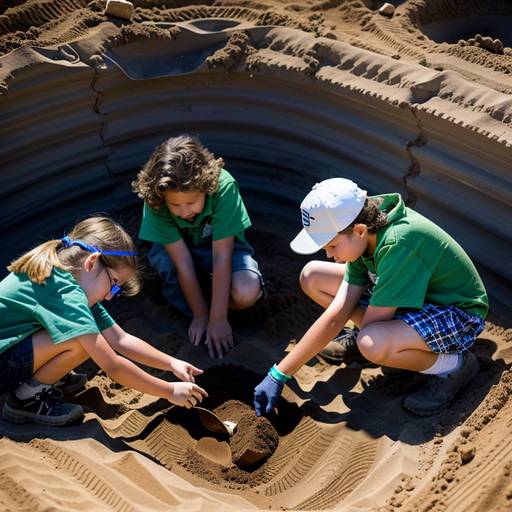
In this Earth Science lesson for 4th-grade students, the focus is on understanding soil, its composition, and its significance in ecosystems. The lesson begins with a discussion to tap into students' prior knowledge about soil, followed by a presentation on soil components, layers, and its importance to both the environment and human life.
Students are then divided into pairs to engage in a hands-on activity where they analyze soil samples, observing textures and identifying different materials using magnifying glasses and soil texture charts. They record their findings and share them in a class discussion, promoting collaboration and communication skills.
To conclude, key concepts are summarized, and students complete a worksheet and a homework writing prompt. The lesson incorporates differentiation strategies and extension activities, including a potential field trip and the possibility of starting a school garden, enhancing the learning experience and reinforcing the concepts introduced.
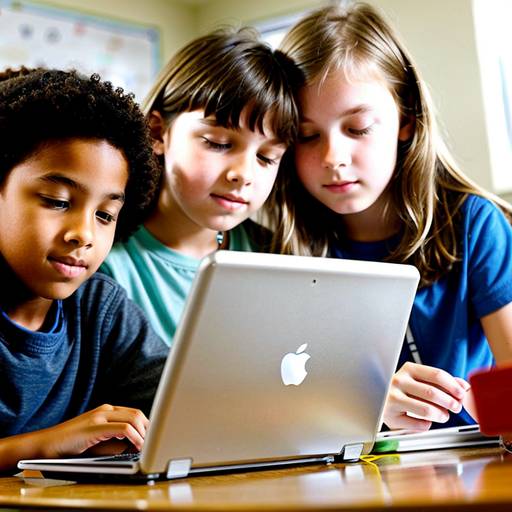
This lesson plan is designed for 4th-grade students to help them develop essential internet skills and understand the principles of proper online behavior, or netiquette. The lesson begins with an interactive discussion about digital citizenship, encouraging students to share their experiences with the internet. It then focuses on teaching effective search techniques, such as using keywords and evaluating the reliability of sources, through guided practice.
Next, students receive handouts detailing netiquette guidelines and engage in discussions about appropriate and inappropriate online behavior, reinforced by role-playing activities. They then participate in a group activity where they evaluate various online scenarios, determining which reflect good netiquette and which need improvement.
The lesson concludes with a recap of the key concepts learned, encouraging students to apply these skills both in school and at home. Assessment is done through informal observations during discussions and the collection of worksheets. Extensions include creating a classroom "Netiquette Poster" and potentially establishing a class blog for further practice. The overall aim is to equip students with the skills and understanding necessary to navigate the online world responsibly and respectfully.