
Filters
Level
Grade
Subject
Subject Area
Subject Topic
Standard(s)
Audience
Keyword
DurationMinutes
4th Grade Lesson Plans

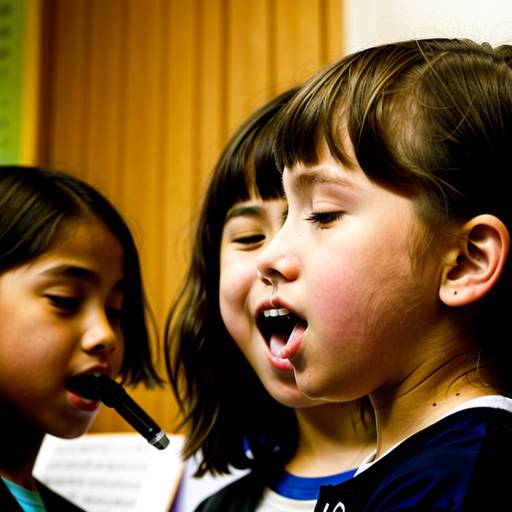
The lesson begins with a discussion about the significance of singing and performance in music, followed by the introduction of an age-appropriate song. Students engage in vocal techniques, focusing on breath control, posture, and warm-up exercises through call-and-response patterns. The lyrics are distributed, and the song is taught in sections, emphasizing dynamics and expression. During rehearsal, students practice singing together, with opportunities for individual feedback. The session culminates in a performance in front of classmates, promoting confidence and teamwork. The lesson concludes with a reflection on what students learned, reinforcing the value of practice and mutual support in music. Extensions include a mini-concert and opportunities to explore choreography or create original songs. Overall, the lesson aims to develop students' vocal skills and enhance their enjoyment of music through collaboration and performance.
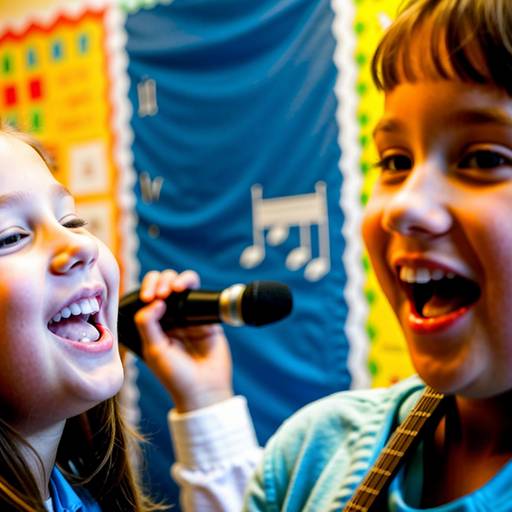
In this 4th-grade music lesson plan, students will explore the concept of harmony through singing. The lesson begins with an introduction to harmony, explaining its significance in music as different notes combine to create a fuller sound. Students engage in vocal warm-ups and call-and-response exercises to develop their pitch and breath control.
They will learn a selected song by first singing the melody, then breaking into small groups to practice assigned harmony parts. A group rehearsal allows students to listen and adjust their singing to achieve a cohesive sound. The session concludes with a performance of the song, followed by a reflection where students share their experiences and insights gained from singing in harmony. The lesson emphasizes teamwork and collaboration while providing students with a foundational understanding of harmony in music. Extensions may include exploring music from various cultures and incorporating instruments to enhance their learning experience.

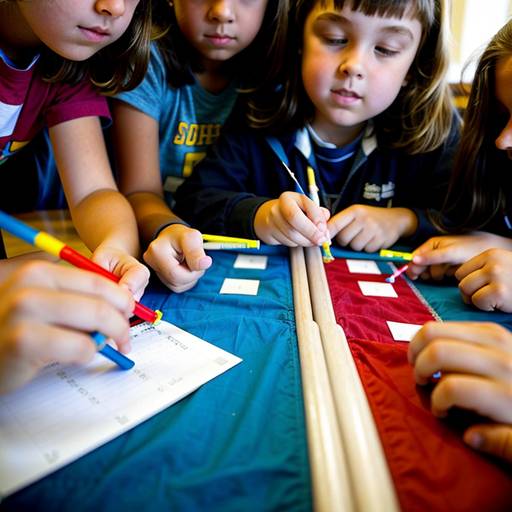
This 4th-grade math lesson plan focuses on teaching students about measurement and length, emphasizing the importance of these concepts in everyday life. The lesson begins with an introductory discussion, where students explore real-world applications of measurement. Through direct instruction, they learn to use rulers and measuring tapes, becoming familiar with standard units such as inches, feet, centimeters, and meters, as well as unit conversions.
During guided practice, students work in pairs to measure various objects, recording their findings in a worksheet. This is followed by an independent activity that reinforces their understanding through measurement problems and practical applications. The lesson concludes with a class discussion where students share their experiences and measurements, guiding a brief review quiz to assess comprehension.
To accommodate diverse learning needs, differentiation strategies are incorporated, providing challenges for advanced learners while offering additional support for those who need it. Assessment focuses on students’ accuracy in measurement and understanding of the concepts. Extension activities, such as a home project that involves measuring items at home and the introduction of digital measuring tools, encourage further engagement and application of skills learned in class.
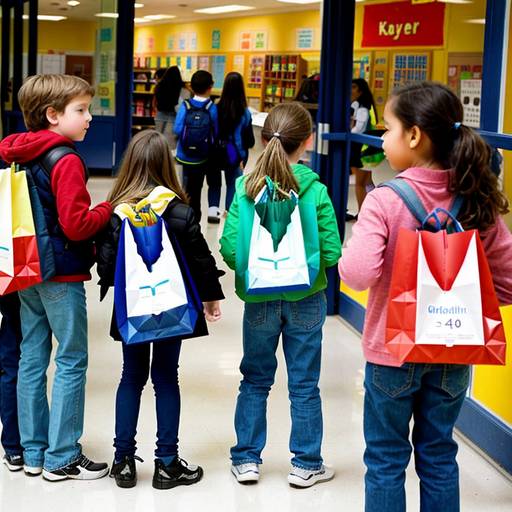
In this engaging 4th-grade lesson, students explore essential concepts related to money, budgeting, and smart spending through interactive activities. The lesson begins with a discussion on the importance of money in everyday life, introducing key vocabulary such as "budget," "expenses," "savings," and "spending." Students learn how to create a simple budget and categorize expenses as needs or wants.
The main activity involves dividing students into small groups, where they receive a set amount of play money to "shop" in a mock store stocked with labeled items. Each group must fill out a budget worksheet while keeping track of their spending and making decisions about their purchases. Afterward, groups present their shopping choices and explain their budgeting strategies to the class.
The lesson concludes with a reflective discussion on the challenges faced in staying within a budget and the importance of distinguishing between needs and wants. Assessment focuses on group participation, completed worksheets, and student reflections on their learning experience. Extensions for the lesson include discussions about saving for larger items and an introduction to understanding interest in future lessons, equipping students with essential life skills in money management.
This lesson plan focuses on educating 4th-grade students about digital citizenship and online safety. Students will learn the importance of navigating the internet responsibly through engaging discussions and activities. The lesson covers essential topics such as safe online behaviors, the significance of protecting personal information, and the impact of cyberbullying.
The session begins with a hook to connect real-life safety rules to online behaviors. Students will receive direct instruction through a presentation that defines key terms and concepts related to digital citizenship. In small groups, they will discuss various online scenarios to identify safe and unsafe actions before presenting their findings to the class.
As a reflective exercise, students will write down what they learned about online safety and actions they can take to be responsible digital citizens on sticky notes, which will be collected and displayed. The lesson concludes with a wrap-up discussion reinforcing the importance of wise and safe internet use. Assessment will be based on participation, group work, and reflective responses. Extensions and additional resources for further exploration of the topic are also provided.

In this elementary school physical education lesson for 4th graders, students will engage in a comprehensive soccer skills session focused on dribbling, passing, and shooting. The lesson begins with a dynamic warm-up that includes light jogging and stretching to prepare the students for physical activity. Key skill development drills will follow, allowing students to practice dribbling through an obstacle course, passing to partners, and shooting at a designated goal while learning proper techniques.
After practicing individual skills, students will participate in mini soccer matches, enabling them to apply what they have learned in a game setting while fostering teamwork and communication. The lesson will conclude with a cool-down session that includes static stretching and a group discussion reflecting on their experiences and what they learned. Throughout the lesson, students will be assessed on their participation, skill execution, and ability to work collaboratively. Adaptations will be available for those needing additional support, ensuring inclusivity and personal skill development.
This lesson plan is designed for 4th-grade students to explore and understand the concept of dynamics in music, focusing on loudness and softness. The lesson begins with a discussion about dynamics, introducing essential terms and symbols such as piano (soft), forte (loud), crescendo (getting louder), and decrescendo (getting softer).
Students engage in active listening by analyzing a selection of musical pieces that showcase varied dynamics. Following this, they participate in a hands-on activity where they form small groups to create and perform their own short musical pieces, incorporating at least three different dynamics. Each group will present their work to the class, providing an opportunity for observation and feedback.
The lesson concludes with a class discussion on what students learned regarding dynamics and an individual worksheet activity that reinforces their understanding of the concepts. The lesson also includes extensions for homework, encouraging students to explore dynamics in their favorite songs, and accommodates different learning needs through tailored activities. Overall, this lesson encourages creativity, collaboration, and critical listening skills while fostering an appreciation for the nuances of musical expression.
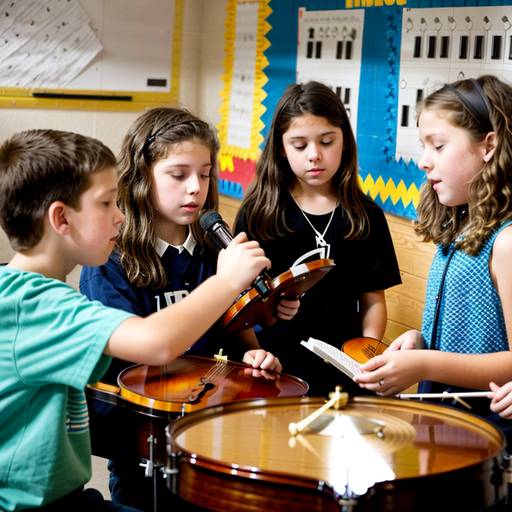
The lesson is designed for 4th-grade students to explore the evolution of music and its various styles throughout history. It begins with a warm-up discussion about students' favorite types of music, followed by a presentation detailing a timeline of music history. Students will listen to audio samples from different periods, including Baroque, Classical, Romantic, and 20th Century music, while learning about key composers and musicians associated with each style.
To deepen their understanding, students will participate in a group activity involving musical exploration stations where they will listen to audio clips, read artist biographies, and fill out worksheets to document their thoughts. If feasible, students may also experiment with percussion instruments to connect with the music physically.
The lesson concludes with a group sharing session, allowing students to present their findings and reflect on how music relates to culture and history. Assessment includes participation in discussions and completion of worksheets, ensuring that students engage thoughtfully with the material. Extensions for the lesson encourage further research and creative expression. Overall, the lesson aims to instill an appreciation for the diverse musical landscape and its historical significance.
In this 4th-grade music appreciation lesson, students will explore various music genres, including classical, jazz, rock, pop, and world music. The lesson begins with a discussion on the importance of music and personal favorites, followed by listening to short audio clips of each genre. Students will share their thoughts and feelings about the music, leading to a collaborative chart that highlights the characteristics of each genre.
In small groups, students will engage in a creative activity where they create visual collages representing their assigned genre, incorporating key traits, instruments, and notable artists. Each group will then present their collage to the class, fostering communication and teamwork. To conclude the lesson, students will reflect individually on their favorite genre through a worksheet, articulating their preferences and reasons.
Assessment will be based on participation, the quality of the collages, and the reflections submitted by each student. Additionally, students will be encouraged to contribute their favorite songs to a class playlist for future enjoyment, reinforcing the lessons learned about music diversity and appreciation.
In this 4th-grade music appreciation lesson, students will embark on an auditory exploration of various musical genres from around the world. The lesson begins with an engaging discussion about the importance of music in different cultures and encourages students to share their personal musical preferences.
Students will then participate in a structured listening activity, where they will hear a series of audio clips representing diverse cultures, such as African drumming and Indian classical music. As they listen, they will fill out worksheets to capture their observations about the instruments, rhythms, and emotional responses elicited by each piece.
Following the listening activity, a class discussion will allow students to share their insights and compare their thoughts on the different genres. To culminate the lesson, students will engage in a creative activity, creating artwork inspired by the music they enjoyed, while revisiting the audio clips for inspiration.
The class will conclude with a sharing session where students present their artwork and explain its connection to the music. Throughout this lesson, students will enhance their listening skills, develop an appreciation for global musical diversity, and express their creativity, providing a well-rounded experience in music appreciation and cultural awareness.