
Filters
Level
Grade
Subject
Subject Area
Subject Topic
Standard(s)
Audience
Keyword
DurationMinutes
4th Grade Lesson Plans

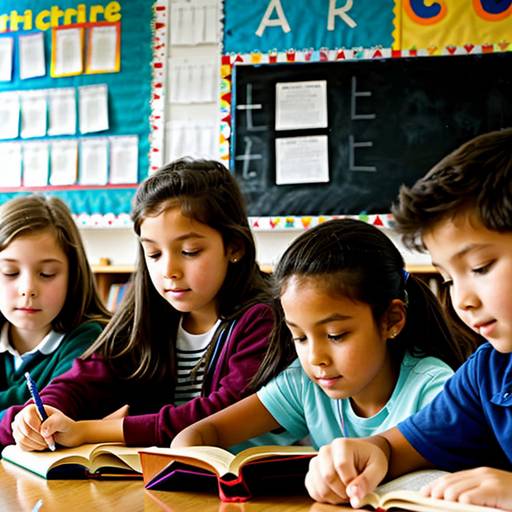
This 4th Grade Language Arts lesson focuses on enhancing students' reading fluency through interactive, collaborative activities. The lesson begins with a discussion about the qualities that make storytelling captivating, followed by a demonstration of fluent reading. Students then engage in partner reading, where they take turns reading short passages aloud while providing feedback to one another using a fluency checklist. After practicing together, students choose a new passage for independent reading and reflect on their understanding and experiences through writing. The lesson concludes with a group discussion about their reflections and previews an upcoming activity that will further develop their expressive reading skills. Overall, this lesson emphasizes the importance of fluency in reading and comprehension while fostering a supportive learning environment.
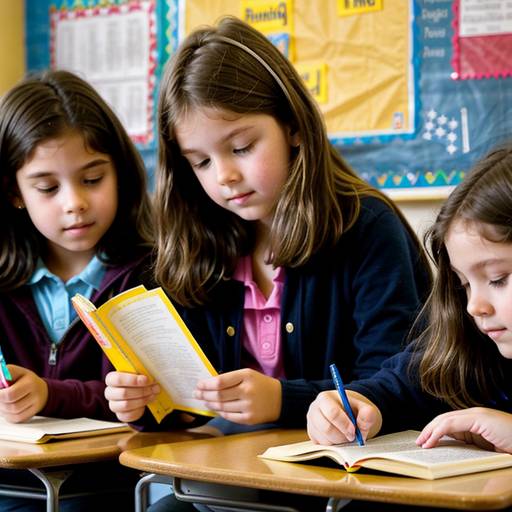
In this lesson plan designed for 4th-grade students, the focus is on enhancing reading comprehension through various strategies. The session begins with an engaging discussion about the importance of reading and recognizing challenges that arise during the process. Key comprehension strategies are introduced with visual aids, and the teacher models these strategies while reading a selected short story aloud.
Students then pair up to complete a graphic organizer, noting essential elements such as characters, setting, problem, and solution, while discussing their thoughts on the text. Following this, they work independently to answer comprehension questions, using evidence from the story to support their responses.
The lesson concludes with students sharing their answers and reflecting on which comprehension strategies were most helpful. The assessment includes observation of student participation, review of completed graphic organizers, and evaluation of responses to sticky note questions. Extension activities are provided for advanced learners, and adaptations are in place for struggling readers, ensuring accessibility for all students. This comprehensive approach promotes active engagement, collaboration, and critical thinking while building students' reading skills.
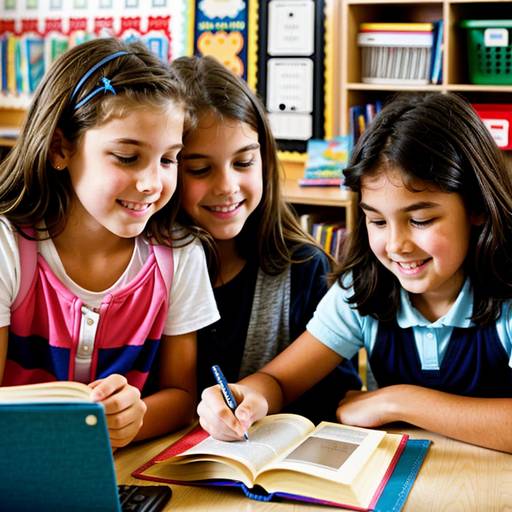
In this 4th-grade language arts lesson, students will explore various reading genres and their characteristics. The session begins with a discussion about what genres are and why they are significant in choosing books. Students will be divided into small groups, each assigned a specific genre, and will create a mind map highlighting the characteristics, examples, and interesting facts of their genre using a selection of books provided.
After presenting their findings to the class, students will select a book from any genre of interest and engage in independent reading. The lesson concludes with a discussion about their choices, particularly how genre characteristics influenced their selections. For homework, students will complete a worksheet identifying their book's genre and its characteristics. Assessment will be based on group presentations and individual worksheets, with extensions available for further exploration and engagement in reading activities. Differentiation strategies will be incorporated to support varying student needs.
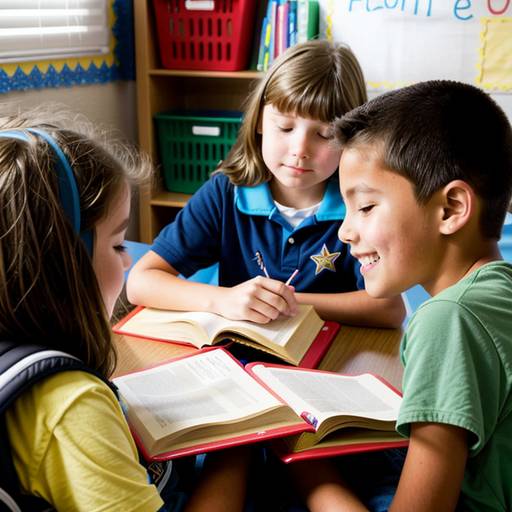
This 4th-grade language arts lesson focuses on enhancing students' reading fluency and comprehension skills through a series of engaging activities. The lesson begins with an introduction to reading fluency, followed by a teacher-led reading of a selected text to model fluent reading. Students then work in pairs to read the text aloud, practicing their pacing and expression while utilizing a fluency checklist for feedback.
After this collaborative practice, each student participates in a timed individual reading session, where they track their words read correctly to monitor their improvement. A class discussion on comprehension follows, where students answer questions regarding the text’s main ideas and character traits.
To conclude, students engage in peer feedback, sharing their experiences and offering constructive critiques based on their performance. Differentiation strategies are provided to meet various learning needs. Throughout the lesson, students are encouraged to reflect on their reading experiences and consider ways to continue developing their fluency skills beyond the classroom.
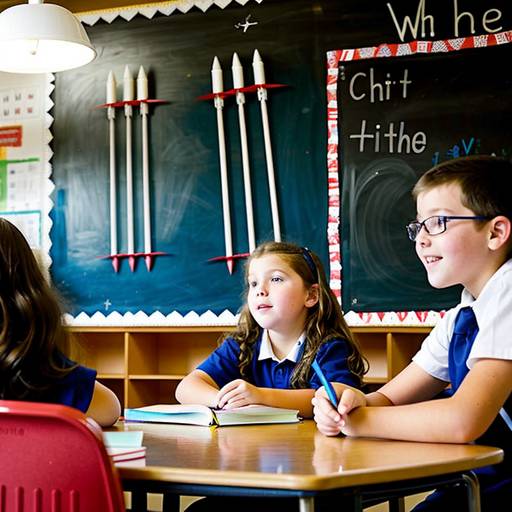
This 4th Grade Language Arts lesson focuses on enhancing students' reading fluency through engaging activities and strategies. The lesson begins with an introduction that highlights the importance of fluency, using a video of a professional reader to illustrate effective pacing and expression. Students are then taught various fluency strategies, including repeated reading, expressive reading, and paired reading.
During guided practice, students work in pairs to read assigned short passages, taking turns and providing feedback based on a Fluency Checklist. Following this, they engage in independent practice by recording themselves reading another passage and assessing their own fluency.
The lesson concludes with a group reflection where students share their experiences and set future fluency goals, reinforcing their understanding of the concepts learned. The teacher will assess participation, checklist completion, and exit tickets to gauge student learning outcomes. Adaptations are available for diverse learners, ensuring all students can engage effectively with the material. Opportunities for extension activities are also proposed, further promoting reading fluency development.

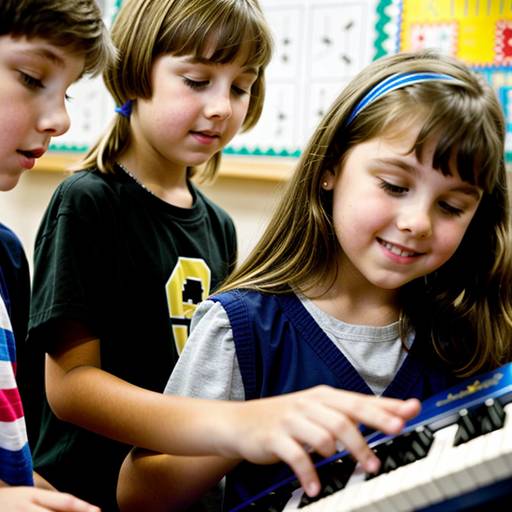
In this 4th-grade music lesson, students will explore rhythm through engaging activities that emphasize understanding and identifying basic rhythmic patterns, specifically focusing on quarter notes, eighth notes, and rests. The lesson begins with a warm-up clapping exercise to establish a foundational understanding of rhythmic notation and sound.
Following direct instruction that includes demonstrating rhythms with flashcards and writing patterns on the whiteboard, students will be divided into small groups. Each group will create their own rhythmic sequences on large sheets of paper, incorporating various note types. This collaborative effort promotes teamwork and creativity.
After the groups have developed their rhythms, they will take turns performing their compositions using claps and percussion instruments, while the rest of the class maintains a steady beat. Constructive feedback will be provided after each performance to encourage growth and confidence.
The lesson concludes with a class discussion reflecting on the challenges and successes of creating and performing rhythms. Overall, students will gain a deeper understanding of rhythm's crucial role in music, while enhancing their collaboration, performance skills, and critical thinking abilities. Assessment will be based on participation, creativity, and collaboration, with potential extension activities to further explore rhythmic concepts.
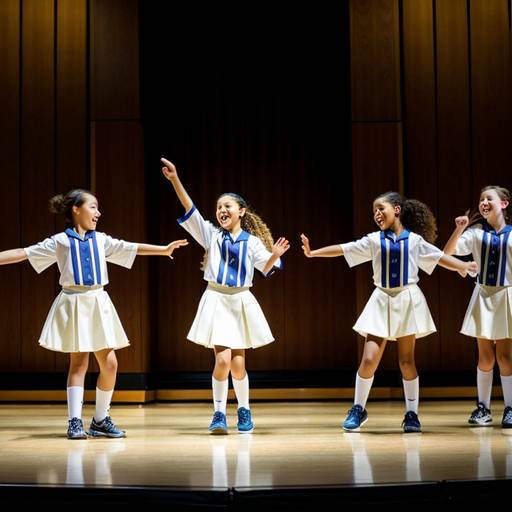
In this 60-minute music appreciation lesson for 4th graders, students will explore various musical genres from around the world. The session begins with a discussion about the importance of music in different cultures, encouraging students to share their experiences with global music. Students will listen to audio clips of diverse genres, identifying instruments, rhythms, and emotions evoked by each piece.
Following the listening activity, students will break into small groups to create simple body percussion rhythms inspired by their assigned genre, which they will present to the class. To enhance their creative expression, students will then draw scenes inspired by the music they heard or design an imaginary cultural festival that could feature the music.
The lesson concludes with a reflection on the day’s activities and an opportunity for students to share their artwork. Assessment focuses on participation, creativity, and the ability to articulate thoughts on the music. Extension ideas include inviting a local musician for a demonstration and organizing a "World Music Day" for students to share music from various cultures. This lesson fosters an appreciation for musical diversity and cultural significance through active engagement and creative expression.
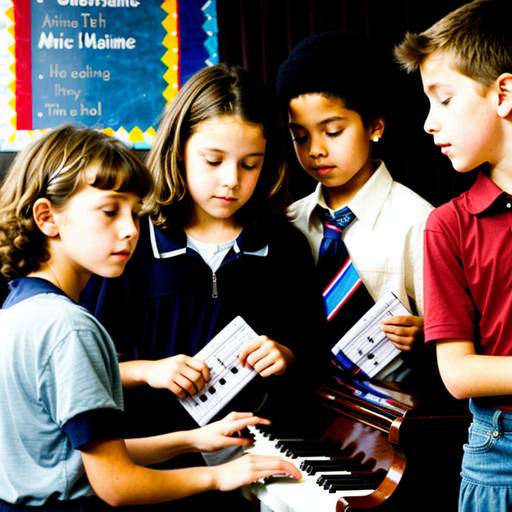
In this 4th-grade music lesson, students embark on an engaging exploration of various musical eras, specifically focusing on the Baroque, Classical, Romantic, and Contemporary periods. The objectives are to familiarize students with key characteristics and notable composers from each era, as well as to encourage them to create and perform rhythms inspired by these styles.
The lesson begins with a discussion on the role of music in reflecting culture and time. Students listen to selected audio clips representing each musical era, followed by a class discussion that highlights the emotions and characteristics evoked by the pieces.
Next, students are divided into small groups, where they compose simple rhythm patterns using rhythm instruments that reflect the essence of their assigned musical era. Each group then performs their rhythm for the class, encouraging participation and guessing about the era represented.
The lesson concludes with a creative expression activity, where students draw or write about their favorite musical era, reinforcing their learning through artistic means. Throughout, students are assessed on their participation, creativity, and completion of the worksheet, setting the stage for a deeper appreciation of music history and its ongoing influence on contemporary styles.
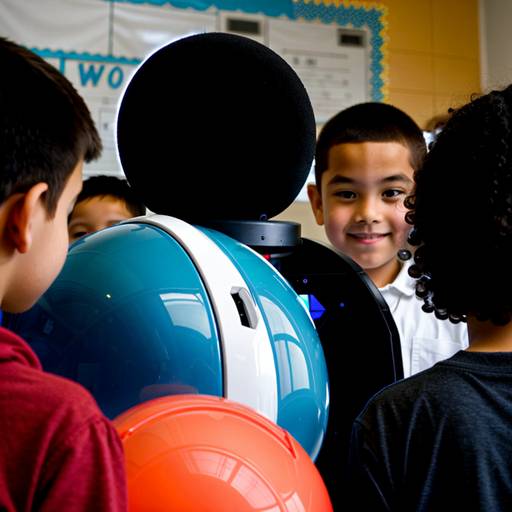
In this 4th-grade technology lesson, students will explore the fundamentals of robotics and programming by working with various types of robots. The lesson begins with an engaging discussion about robots in everyday life and progresses to an introduction of the components that make up a robot and the basics of block-based programming.
Students will be divided into small teams, where they will create an obstacle course and program their robots to navigate through it using the programming software. Through hands-on experimentation, they will test their programs, make observations, and iterate on their designs to overcome challenges.
At the end of the lesson, students will share their experiences and learnings, reflecting on what they found effective and what they would like to explore further. Assessment will involve observing group collaboration and participation, as well as having students write an exit ticket summarizing their insights and questions. The lesson encourages critical thinking, creativity, and teamwork, laying a solid foundation for future exploration in robotics and programming concepts.

In this 4th-grade technology lesson, students are introduced to robotics through engaging discussions and hands-on activities. The lesson begins with an interactive exploration of the role of robots in everyday life, followed by students working in small teams to build and program simple robots using basic robotics kits. After constructing their robots, teams plan their approach for a defined challenge that involves navigating the robots through an obstacle course. Students are encouraged to collaborate, strategize, and share ideas as they customize their robots and develop coding commands.
After a brief break, teams participate in the robot challenge, where they guide their robots through the course, reflecting on successes and areas for improvement. The lesson concludes with a wrap-up discussion that emphasizes teamwork, problem-solving, and the practical applications of robotics. Throughout the session, students enhance their understanding of robotics while honing key skills such as collaboration and critical thinking, with opportunities for extension tasks to further explore the field.