
Filters
Level
Grade
Subject
Subject Area
Subject Topic
Standard(s)
Audience
Keyword
DurationMinutes
4th Grade Lesson Plans


In this 4th-grade language arts lesson, students will learn the fundamentals of persuasive writing by exploring effective techniques to craft compelling arguments. The lesson begins with a discussion that encourages students to share personal experiences of trying to convince others, leading to the identification of key elements that make a strong argument.
Students will analyze sample persuasive letters to identify strategies such as emotional appeal, facts and statistics, testimonials, logical reasoning, and impactful word choice. Working in small groups, they will brainstorm topics relevant to their interests before selecting one to focus on for their own persuasive letters.
During the independent writing activity, students will compose letters structured with an introduction stating their opinion, supporting reasons, and a call to action in the conclusion. They will be encouraged to incorporate at least two persuasive techniques and will have the opportunity to share their letters with peers for feedback. The lesson concludes with reflections on the effectiveness of the techniques used and introduces potential extensions such as peer reviews and classroom debates to further engage students. Assessment will focus on clarity of opinion, the use of persuasive techniques, organization, creativity, and effort in their writing.
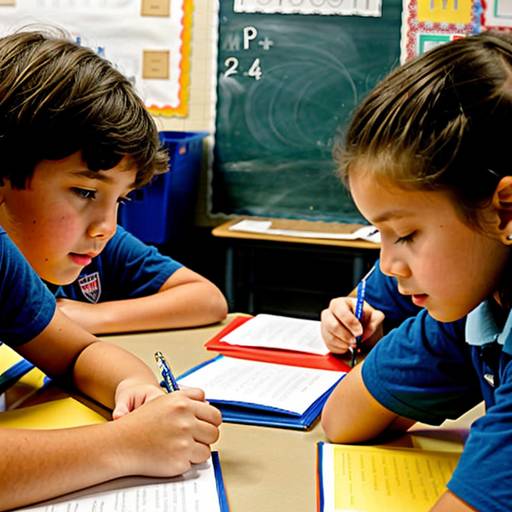
In this engaging 4th-grade Language Arts lesson, students will learn the fundamentals of persuasive writing by composing letters aimed at convincing a chosen audience. The lesson begins with a discussion on persuasion, encouraging students to think about their experiences with being persuaded. A mini-lesson follows, highlighting the key components of persuasive writing, including a clear opinion, supporting reasons, evidence, and a call to action.
Students will brainstorm topics they are passionate about, select an audience for their letters, and use a graphic organizer to plan their writing. After drafting their letters, students will have the opportunity to share their work with peers. The lesson concludes with a recap of the importance of persuasive skills in everyday life. Assessment will focus on the clarity and effectiveness of each letter, while extensions and adaptations are provided to cater to various student needs. Overall, this lesson fosters students' writing abilities and encourages them to express their opinions thoughtfully.

The first day begins with an introduction to multimedia components, followed by a demonstration of basic photo editing tools. Students are then given hands-on practice to edit sample images, promoting engagement and skill development.
On the second day, students apply their newly acquired skills to create a short visual story. They select and edit images, write accompanying text, and combine these elements into a multimedia presentation. The lesson concludes with students sharing their projects with the class, fostering collaboration and public speaking skills. Assessment is based on creativity, clarity, and effective use of multimedia elements, while extensions allow for further engagement through sharing projects with families and incorporating audio components. Overall, this lesson promotes creativity and digital literacy in an interactive learning environment.
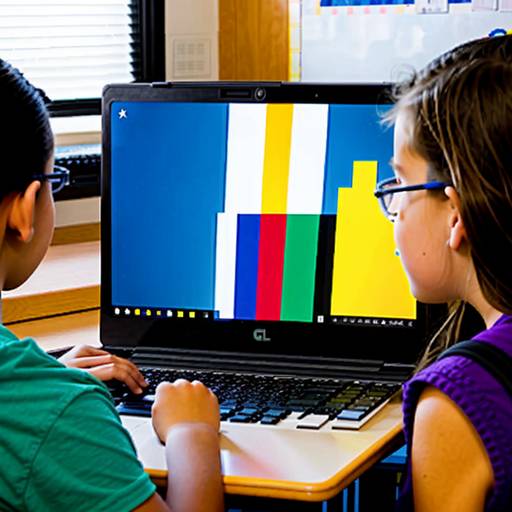
In this lesson, 4th-grade students will engage in multimedia creation and photo editing by developing a digital collage that narrates a story or conveys a message. The lesson spans two class periods, during which students will first explore basic functions of photo editing software through demonstrations and hands-on practice. They will brainstorm and plan their creative projects, selecting images and texts that reflect their ideas. In the second session, students will create their collages using the skills they've learned, followed by presentations to their classmates explaining their artistic choices and storytelling. This activity not only enhances their technical skills in digital editing but also promotes creativity, communication, and collaboration. Assessment will include observing student participation, evaluating planning worksheets, and using a rubric for the final projects to ensure a comprehensive understanding of the concepts.


In this 4th-grade physical education lesson, students will engage in a variety of fitness challenges designed to enhance their strength and overall fitness levels. The session begins with a dynamic warm-up to prepare their bodies for activity. Students will learn about different muscle groups and their importance before participating in five interactive stations that feature various fitness challenges, such as push-ups, squats, and medicine ball tosses. After completing the stations, students will cool down with static stretches and gather for a reflective discussion on their experiences and learnings from the challenges. The lesson emphasizes teamwork, communication, and the significance of maintaining an active lifestyle. Finally, students will complete a reflection exercise, identifying strength exercises they can practice at home. Throughout the lesson, the focus remains on fostering a fun, engaging, and safe environment for all participants.
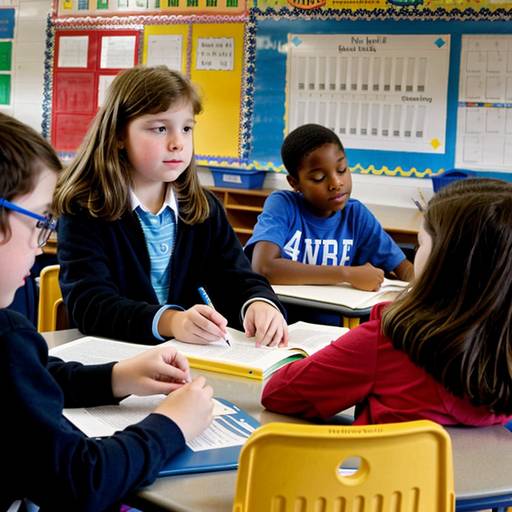
This 4th-grade Language Arts lesson focuses on persuasive writing, aiming to teach students the key components and techniques used to convince an audience. The lesson begins with a discussion on persuasion, followed by a mini-lesson that highlights essential elements such as stating a clear opinion, providing reasons, and considering the audience. Students engage in guided practice by brainstorming topics and outlining their thoughts using graphic organizers. They then independently write persuasive letters, incorporating at least three persuasive techniques learned earlier. The lesson concludes with students sharing their letters and receiving feedback, fostering a collaborative environment. Assessment is based on the completed letters with criteria focused on clarity, technique, structure, and creativity. Extensions include showcasing student work and organizing a presentation day to further enhance public speaking skills. Reflection on the lesson will inform future instruction.

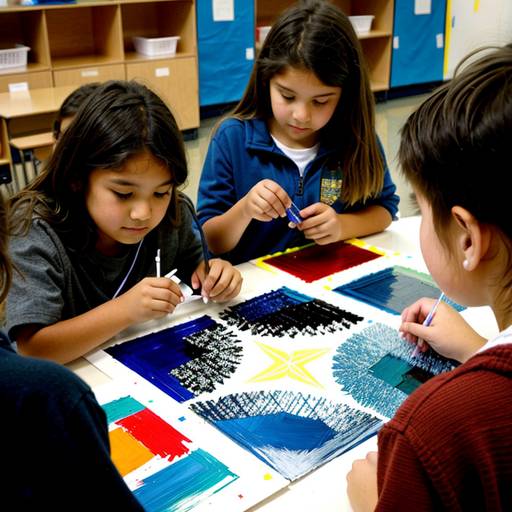
In this engaging art lesson for 4th-grade students, the focus is on exploring printmaking techniques through the use of natural materials. Over two sessions, students will learn about various printmaking methods, including relief printing, mono printing, and collagraph techniques. They will begin by experimenting with different textures and patterns created from natural items, producing multiple prints that display their understanding of these techniques.
The first session involves an introduction to printmaking, a demonstration of the techniques, and hands-on exploration where students create prints using their chosen materials. During the second session, students will build upon their initial creations by designing layered prints, emphasizing composition and color layering.
Throughout the lesson, students engage in discussion and reflection, sharing their experiences and learning outcomes. They will have the opportunity to display their finished prints, fostering a sense of community and appreciation for their artistic efforts. Assessment will focus on creativity, technique use, and individual reflections on the printmaking process. The lesson aims to deepen students' understanding of texture in art and enhance their overall creativity.
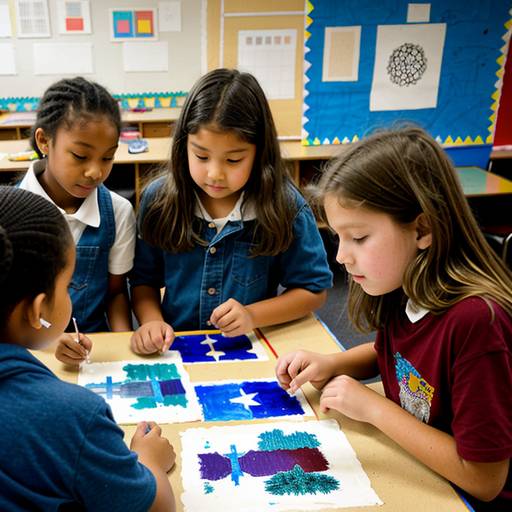
In this 4th-grade art lesson, students will explore the exciting world of printmaking through two primary techniques: relief printing and monoprinting. The lesson is designed over two class periods, beginning with a discussion that introduces the concept of printmaking and its various forms, followed by a demonstration of the relief printing process using Styrofoam trays. Students will have the opportunity to create their own relief prints, expressing their creativity through design and printing.
During the second class, the focus shifts to monoprinting, where students will learn to apply paint to smooth plates, experimenting with different textures and techniques to produce unique prints. Both activities emphasize hands-on learning and individual expression, culminating in a gallery display of the students' artworks.
Throughout the lesson, students will reflect on their artistic processes, sharing insights about their experiences and the techniques they used. The lesson aims to engage students in creative exploration, foster an appreciation for printmaking, and encourage them to consider how these techniques can be applied in various forms of art. Assessments will focus on participation and the creativity displayed in their printmaking projects, with opportunities for extension activities in future lessons.

This 4th-grade Language Arts lesson focuses on teaching students the importance and correct usage of basic punctuation marks, including periods, commas, question marks, and exclamation marks. Initially, the teacher engages students in a discussion about the role of punctuation in writing. Direct instruction follows, where each punctuation mark is introduced alongside examples. Guided practice involves small groups correcting sentences missing punctuation, fostering collaboration and communication. For independent practice, students complete a worksheet identifying missing punctuation and create their own short stories or sequences of sentences that utilize the discussions' highlighted punctuation marks. The lesson concludes with a recap of the key points and an exit ticket task where students compose an original sentence showing their understanding. Assessment is based on group participation, worksheet completion, and the accuracy of the exit ticket sentences. Extensions and modifications are suggested to accommodate diverse learning needs and encourage creativity.
In this 4th-grade language arts lesson, students will learn the importance of punctuation in writing by focusing on four key marks: periods, commas, question marks, and exclamation points. The lesson begins with a discussion to gauge students' prior knowledge, followed by direct instruction that provides clear examples of how each punctuation mark should be used.
Students will engage in guided practice through a worksheet that reinforces their understanding by requiring them to identify and apply correct punctuation in sentences. The lesson includes a collaborative activity where students work in small groups to correct sentences that lack proper punctuation, fostering teamwork and critical thinking.
As a creative writing exercise, students will compose a short paragraph about their favorite animal, ensuring the use of all four punctuation marks. The lesson concludes with a review and sharing session, allowing students to showcase their writing. Assessment will be based on observation during activities and the collection of worksheets and written paragraphs, enabling the teacher to evaluate each student’s grasp of the material. Finally, students will have a homework assignment that reinforces this learning by identifying punctuation in their favorite books. This lesson promotes both individual understanding and cooperative learning.