
Filters
Level
Grade
Subject
Subject Area
Subject Topic
Standard(s)
Audience
Keyword
DurationMinutes
4th Grade Lesson Plans

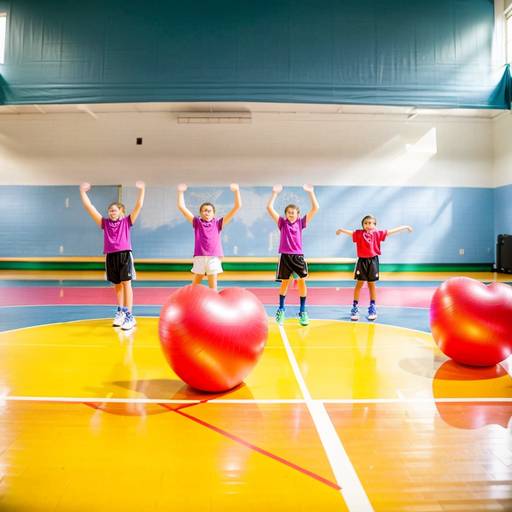
This physical education lesson for 4th-grade students focuses on enhancing cardiovascular fitness through engaging and fun activities. The lesson begins with a dynamic warm-up and a brief discussion about the importance of cardio exercises. Students then participate in four activity stations: jump rope challenges, hula hoop hustling, cone relay races, and a dance party. Each station promotes movement, teamwork, and self-challenge, ensuring students raise their heart rates while enjoying themselves. The lesson concludes with a cool-down session involving gentle stretches and a reflection period where students share their experiences and insights about fitness. Adaptations are included to accommodate various abilities, ensuring inclusiveness. Overall, this lesson emphasizes active living and the joy of physical activity.

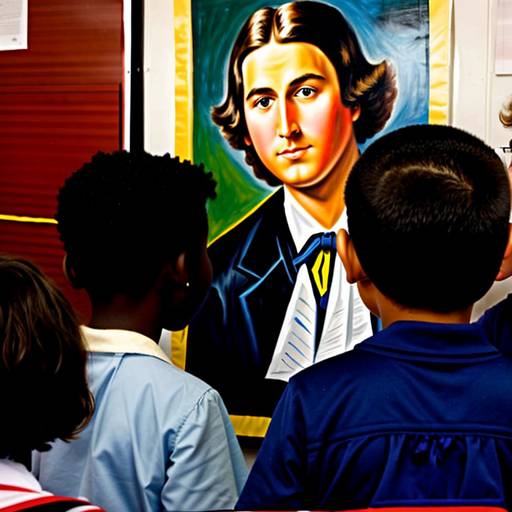
In this 4th-grade social studies lesson, students will explore the significance of historical figures who have made notable contributions to society. The lesson begins with an engaging story or video about an influential figure, followed by a discussion to help students recognize the qualities that make certain individuals historical heroes.
Students will then work in small groups to research assigned historical figures from a provided list, focusing on their early lives, major accomplishments, and lasting impact. Each group will create a poster to visually showcase their findings and prepare a brief presentation to share with the class.
As presentations occur, students will actively engage by asking questions to deepen their understanding. The lesson concludes with a class recap highlighting the importance of learning about history and its figures, along with an exit ticket activity where each student notes something they learned and a question they still have.
Assessment will be based on the creativity and accuracy of the posters and presentations, while students will have the opportunity for extension through a classroom "Wall of Fame" that allows for further exploration of additional historical figures. Overall, the lesson aims to foster collaboration, critical thinking, and an appreciation for the impact of historical figures on our world.
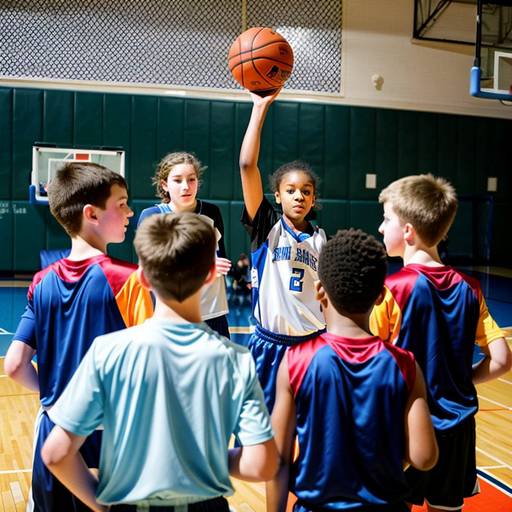
This lesson plan for 4th-grade physical education focuses on introducing students to fundamental basketball skills, including dribbling, passing, and shooting, while promoting teamwork and sportsmanship. The lesson begins with a warm-up activity to prepare students physically, followed by an explanation of key skills and concepts. Students then rotate through three skill stations—dribbling, passing, and shooting—where they practice specific techniques and improve their accuracy and control.
After skill development, students engage in a mini basketball game, allowing them to apply what they have learned in a team setting. The lesson concludes with a cool-down and a reflective discussion about the importance of communication and support among teammates. Throughout the session, students are observed for their participation and skill application, with feedback provided to enhance their learning experience. The plan emphasizes safety, hydration, and a positive learning environment, ensuring an enjoyable and effective introduction to basketball.

In this 4th-grade technology lesson plan, students will explore the art of storytelling through multimedia elements such as text, images, audio, and video. The lesson spans two sessions, beginning with a discussion on storytelling and an introduction to various multimedia components. In small groups, students will brainstorm ideas, develop characters and plotlines, and create storyboards for their narratives.
During the second session, students will use digital tools to create their multimedia stories, incorporating images, audio, and text as they work collaboratively. Each group will present their final projects to the class, fostering an environment of sharing and feedback. Assessment will focus on participation, collaboration, and the effective use of multimedia in their storytelling. This engaging lesson not only enhances students' creativity and critical thinking but also provides them with hands-on experience in digital storytelling.

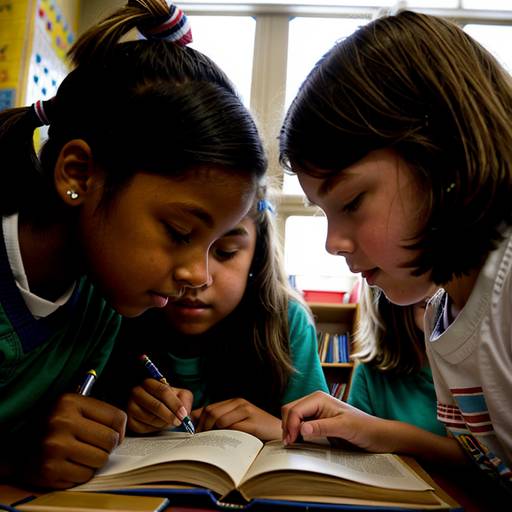
In this 4th-grade language arts lesson, students will explore the key components of narrative writing, including character, setting, plot, conflict, and resolution. The lesson begins with a class discussion about the elements that make their favorite stories enjoyable, followed by direct instruction on narrative components. Students will engage in guided practice by brainstorming a story as a class and using a graphic organizer to outline their ideas. They will then independently draft their own narratives, focusing on developing their stories based on the planned elements. The lesson concludes with sharing story ideas and providing a rubric for future reference. Assessment will be based on the completed graphic organizers and narratives, with opportunities for differentiation to support varying student needs. Overall, students will gain confidence in their storytelling abilities and creativity.
This lesson plan aims to engage 4th-grade students in the creative writing process by focusing on the essential elements of storytelling: characters, setting, and plot. The lesson begins with a warm-up discussion that encourages students to share their thoughts on what makes stories exciting. Following this, the teacher introduces and develops a collaborative graphic organizer to illustrate these story elements. A mini-lesson on descriptive language emphasizes the use of adjectives and vivid verbs to enhance storytelling.
Students then complete a worksheet to create their own unique characters, settings, and plots, providing guided support as needed. Afterward, they draft their short stories, integrating their ideas and utilizing descriptive language. The lesson concludes with a sharing session where students can present their stories to the class, fostering a sense of community and celebration of creativity. Assessment is based on participation, completion of the worksheet, and the quality of the drafted stories. Extensions and modifications are included to accommodate diverse learning needs and to enhance the creative experience.

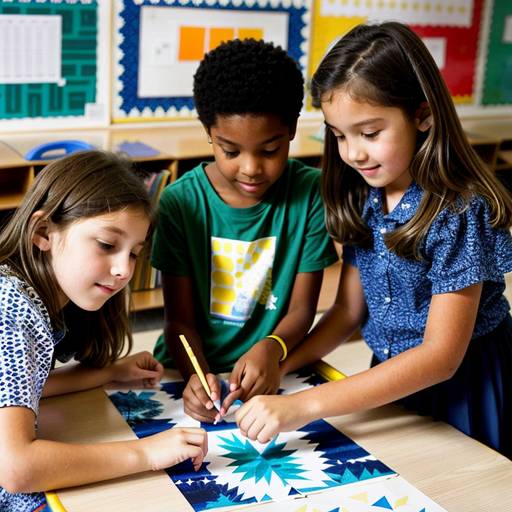
In this lesson plan designed for 4th-grade students, learners will delve into the world of printmaking by exploring texture and pattern inspired by nature. The lesson spans two class periods, beginning with an introduction to natural textures and the fundamentals of relief printing. Students will carve their own printing plates using soft foam or cardboard, applying various nature items to create unique designs. Following this, they will create prints using paint and explore color layering techniques.
In the second class, students will apply paint to their plates and make prints, culminating in a sharing session where they reflect on their creative processes and artistic choices. Assessment will focus on participation, creativity, and the techniques applied. Extensions include keeping a printmaking journal and gathering natural materials for additional projects. This engaging lesson combines hands-on art-making with an appreciation for the textures found in the environment.

In this 4th-grade social studies lesson, students will explore various types of landforms, including mountains, valleys, plains, plateaus, hills, and deserts. They will begin by reviewing vocabulary related to these landforms and discussing their characteristics and significance in the context of geography and human activities.
Through partner work, students will choose a landform to research and present interesting facts. The main activity involves creating a detailed map on chart paper that illustrates at least three different landforms, accompanied by descriptions. Additionally, students will have the option to create a collage showcasing images of various landforms, complete with labels.
The lesson includes a gallery walk to encourage peer feedback and sharing of insights. To conclude, students will reflect on the importance of landforms for the Earth and its inhabitants. Assessments will focus on participation, the creativity and accuracy of the maps and collages, and the depth of reflection. The lesson is designed to support various learning styles and align with geographical standards.
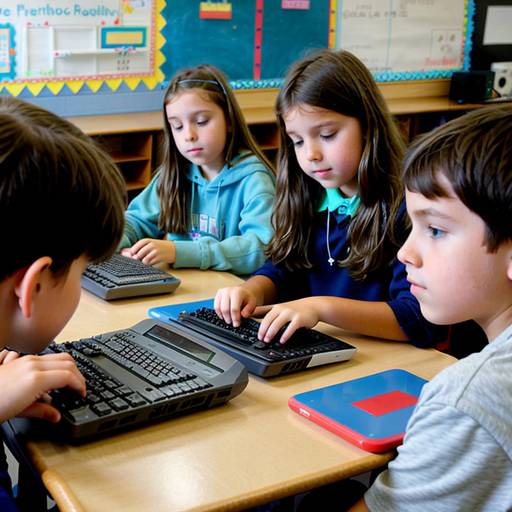
In this 4th-grade technology lesson, students will explore the fundamentals of coding and programming languages. The lesson begins with an engaging discussion about following algorithms through everyday tasks, followed by an introduction to key coding vocabulary and concepts. Students will then log into a block-based coding platform to create their own simple programs, such as animations or games, applying what they've learned about sequences and algorithms. Collaboration is encouraged as students share their projects with peers, providing feedback and support. The lesson concludes with presentations from selected students and a reflective discussion on their experiences. Assessment will focus on participation, creativity in coding, and contributions to discussions. Students will also receive resources for further exploration of coding outside the classroom.
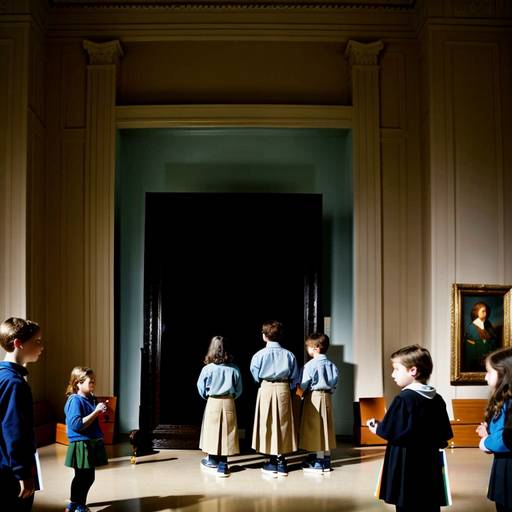
This 4th grade art lesson plan aims to introduce students to significant art periods throughout history, including the Renaissance, Impressionism, Cubism, and Modern Art. The lesson is divided into two class periods.
In the first session, students engage in discussions about art, followed by a presentation that highlights key artists and distinctive elements of each art period. They also participate in a class discussion regarding historical influences on art and are assigned to research an artist from the period they find most interesting for the next class.
During the second class, students reflect on their research, then create their own artwork inspired by their chosen art period using various mediums. The session culminates in a gallery walk, where students display their creations and receive feedback from their peers.
The lesson emphasizes participation, creative expression, and comprehension of art history, allowing students to connect with the material personally. Extensions include creating a bulletin board display of student artwork and organizing a field trip to an art museum. Additionally, a language arts connection encourages students to write biographies or fictional stories about their chosen artists, reinforcing their learning.