
Filters
Level
Grade
Subject
Subject Area
Subject Topic
Standard(s)
Audience
Keyword
DurationMinutes
4th Grade Lesson Plans


In this engaging 4th-grade art lesson, students embark on an exploration of various historical art movements, including Impressionism, Cubism, and Surrealism. The lesson begins with an introduction to the evolution of art and its significance. Students are then divided into small groups, each assigned a specific art movement to research and present to the class, highlighting key characteristics and notable artists.
Following the presentations, a class discussion encourages students to identify similarities and differences among the movements, aided by visual aids showcasing famous artworks. In the hands-on portion of the lesson, students select an art movement that inspires them and create their own artwork reflecting its style. This activity fosters creativity and allows students to experiment with colors and techniques associated with their chosen movement.
Finally, students reflect on their creative process in journals and have the opportunity to share their artwork with the class. The lesson is assessed through participation, creativity, and journal entries, culminating in plans for a classroom art exhibit that connects their work to the history of art. This approach helps students appreciate the impact of art movements while expressing themselves artistically.

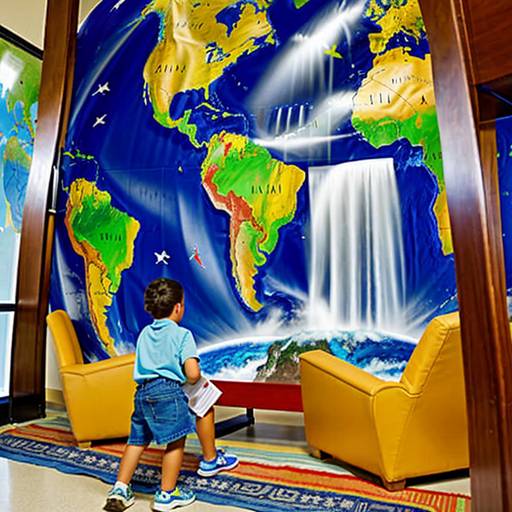
This lesson plan for 4th-grade students in social studies focuses on geography and countries, spanning two class periods. The objectives include identifying major countries on each continent, understanding significant geographical features, and appreciating cultural diversity.
The first class begins with a warm-up discussion and a presentation about the continents and selected countries. Students work in groups to create posters that showcase countries, geographical features, and cultural facts related to their assigned continent. The second class includes group presentations where students share their research, followed by an interactive mapping activity where they label countries and features on a blank world map.
The lesson concludes with a reflection discussion and a short homework assignment where students express their personal connections to what they learned. Assessment includes evaluating group projects, individual maps, and reflection papers. Differentiation strategies are provided for varying student needs, and follow-up activities such as a "Cultural Day" are suggested to deepen engagement with the material. Overall, this lesson promotes collaboration, creativity, and a greater understanding of global geography and cultures.

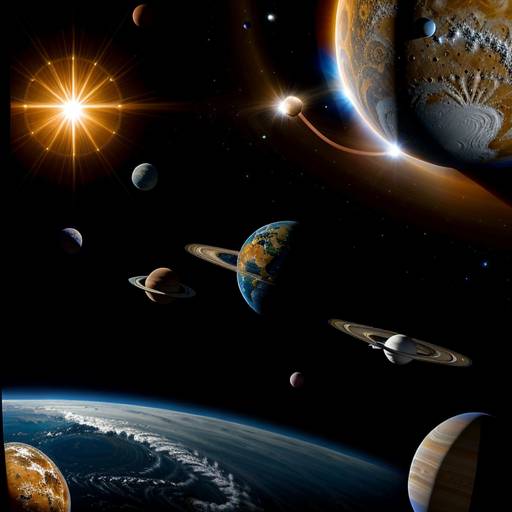
In this 4th-grade science lesson, students will explore the solar system and learn about the individual planets and space exploration. The lesson begins with an engaging discussion to assess prior knowledge and introduces key concepts about the solar system, including the order of the planets and their main characteristics.
Following direct instruction, students will work in small groups to research a specific planet using provided fact cards and model representations. Each group will prepare a short presentation to share interesting facts about their planet with the class. This collaborative activity encourages teamwork and enhances communication skills.
The lesson concludes with a reflective discussion where students can express what they learned. To reinforce their understanding, students will complete a "Planet Journal" worksheet to document information about the planets. Assessment will focus on group participation, presentation clarity, and the completion of the journal. Optional extensions include creating a model of a favorite planet or exploring space-related resources further, while modifications are provided to ensure all students can engage meaningfully with the content.

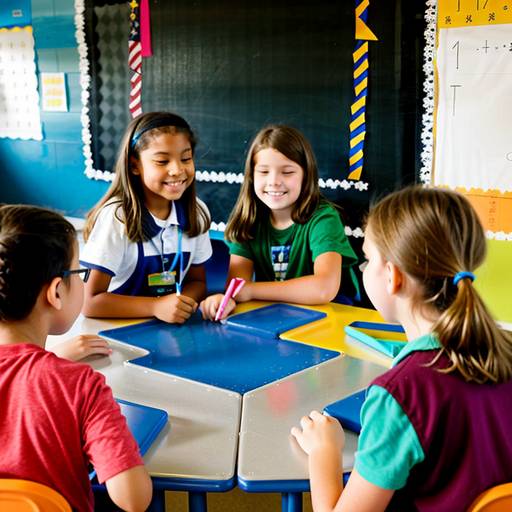
This 4th-grade math lesson focuses on geometry and the concept of perimeter. Students will begin by identifying and classifying various geometric shapes such as triangles, rectangles, squares, and circles. The instructor will introduce the concept of perimeter, explaining it as the total distance around a shape and demonstrating how to calculate it using specific formulas for each shape.
In a collaborative group activity, students will use cut-outs and rulers to measure the sides of different shapes and compute their perimeters, allowing them to apply what they've learned in a hands-on manner. Following this, learners will complete a worksheet that includes various shapes, requiring them to calculate the perimeter based on given dimensions or measurements.
The lesson will conclude with a class discussion to review the key concepts covered and an exit ticket exercise where students share their calculations and any lingering questions. Assessments will be conducted through observation during group work, evaluation of worksheets, and the exit tickets to determine student understanding and comfort with the material. Additionally, opportunities for extension activities will be provided to help students connect perimeter to real-world scenarios.

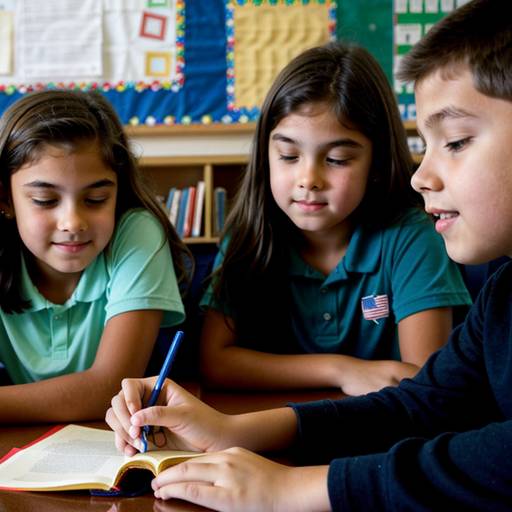
In this 4th Grade Language Arts lesson, students will enhance their reading comprehension skills by exploring characters and plots in a selected folktale or story. The lesson begins with a read-aloud session where students are encouraged to think critically about the key elements of the narrative. Following the reading, there will be a guided class discussion to delve into the main characters, setting, and conflict of the story. Students will then pair up to complete a Character and Plot Chart, identifying essential aspects of the text. To summarize their understanding creatively, students will create a comic strip or illustrated summary highlighting the main events and characters. The lesson concludes with a sharing session and a reflection on the importance of understanding narrative components to enhance the reading experience. Assessment will include participation in discussions, the completion of charts, and evaluation of the comic strip summaries. Adaptations will be made to support diverse learners in the classroom.
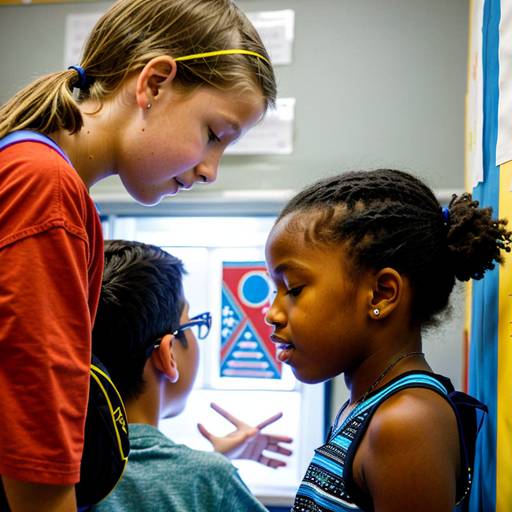
This 4th-grade lesson plan focuses on the exploration of major human body systems, including the circulatory, respiratory, digestive, skeletal, and muscular systems. Over two class periods, students will learn about the functions and components of each system through direct instruction, group activities, and interactive demonstrations. They will work in small groups to create informative posters detailing their assigned body systems, which they will present to the class. Additionally, they will participate in a hands-on relay game where they complete challenges related to each system. The lesson concludes with a class discussion on the importance of maintaining a healthy lifestyle. Assessments will include group presentations, participation in activities, and a homework assignment, with opportunities for extensions like inviting a healthcare professional to speak on health topics. Overall, the lesson aims to engage students and foster a deeper understanding of how the human body functions.
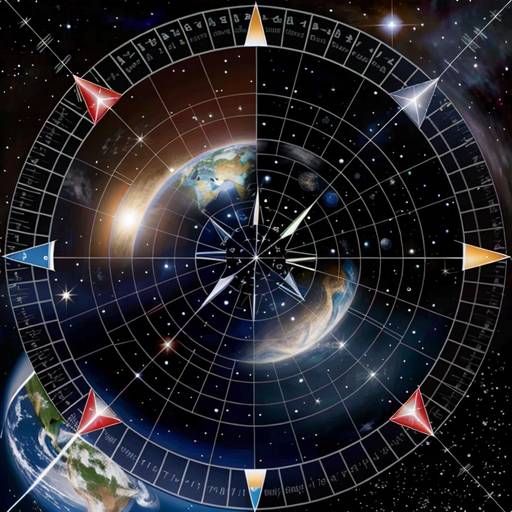
This 4th-grade science lesson focuses on astronomy, specifically exploring stars and constellations. Students will learn to identify and name various constellations while understanding their significance and the concept of star formation. The lesson begins with an engaging video presentation that sparks student interest, followed by a discussion that encourages students to share their prior knowledge.
Through direct instruction, students will be introduced to popular constellations and their historical importance. They will participate in a guided activity where they work in groups to create posters featuring a chosen constellation, including drawings and interesting facts. Following this collaborative effort, each student will independently design their own constellation on black construction paper and craft a short story that describes their creation.
In conclusion, students will share their constellations and stories with the class, reinforcing their learning and promoting creativity. Assessment will involve evaluating participation, the accuracy and creativity of the constellation posters, and the quality of individual stories. Extensions include potential night sky viewing events and the use of digital resources for further exploration. Overall, the lesson aims to make astronomy engaging and accessible while fostering creativity and teamwork among students.
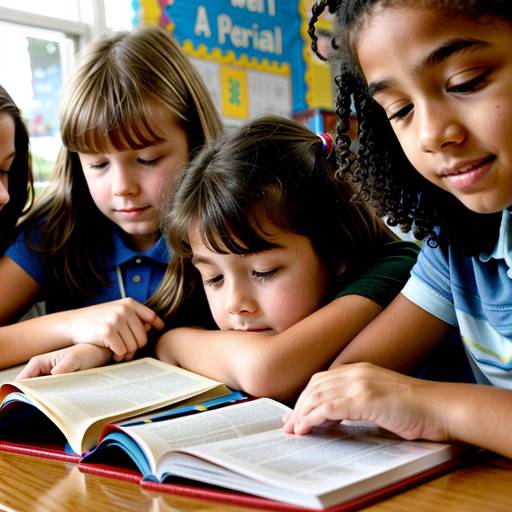
In this 4th-grade Language Arts lesson, students will explore different reading genres, including fiction, non-fiction, fantasy, mystery, and poetry. The lesson begins by engaging students with a fun sharing question about their favorite book characters and introduces the concept of genres. Through direct instruction, students learn the key characteristics of each genre and examine examples of books belonging to them.
In guided practice, students work in small groups to sort a selection of books into their appropriate genres using provided genre cards. Each group will then present their findings to the class. Afterward, students choose a book from a genre that interests them and complete a graphic organizer that captures important details about their chosen text.
The lesson concludes with students sharing what they’ve learned about their selected book and genre. They also reflect on their favorite genre by participating in a vote with stickers or stamps. Assessment is conducted through observation during group activities and by reviewing the completed graphic organizers. Extensions include creating a genre-themed bulletin board and organizing a reading fair. The lesson aims to foster curiosity and an understanding of reading genres, enhancing students’ literacy skills.
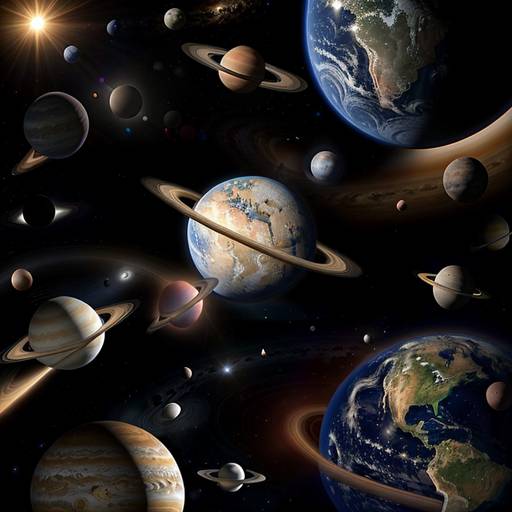
In this engaging science lesson for 4th graders, students will explore the solar system and its eight planets. The lesson begins with a short video introduction, followed by a class discussion encouraging students to share what they already know about space. A presentation will then highlight the key characteristics of each planet, including their orbits around the Sun and the vast distances in space.
Students will then participate in a hands-on activity where they will work in small groups to create models of their assigned planets using various craft materials. They will arrange these models in order from the Sun, visually demonstrating the solar system's layout. Each group will present their planet to the class, sharing interesting facts, fostering collaboration and public speaking skills.
The lesson will conclude with a recap of the day’s activities and an open discussion, allowing students to reflect on what they found most interesting. Assessment will be based on participation, presentations, and worksheet reviews, with opportunities for extension through research projects on additional celestial objects. This lesson effectively combines visual aids, teamwork, and creativity to foster a deeper understanding of astronomy.
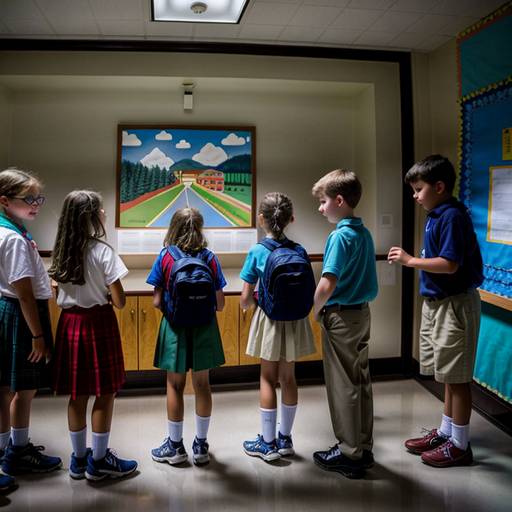
In this 4th-grade social studies lesson, students will explore significant historical events in their local community to understand the impact of these events on their present lives. The lesson begins with a discussion to activate prior knowledge about history and its importance. Students will then learn about key local events through visual aids, followed by small group research on assigned topics. Each group will present their findings to the class. For an independent activity, students will create a timeline highlighting three important local events, complete with illustrations and descriptions. The lesson concludes with student presentations and a reflection on how local history connects to broader historical narratives. Assessment will include observing participation, evaluating the timelines, and collecting exit tickets for further insight into student learning. Extensions such as field trips and guest speakers will provide additional engagement with local history.