
Filters
Level
Grade
Subject
Subject Area
Subject Topic
Standard(s)
Audience
Keyword
DurationMinutes
4th Grade Lesson Plans

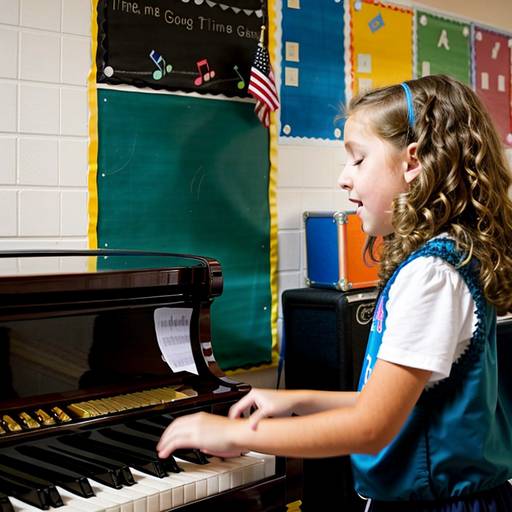
In this engaging lesson designed for 4th-grade students, learners will explore major music periods including Baroque, Classical, Romantic, and Modern. The class will begin with a discussion on the importance of music history, followed by listening activities featuring notable pieces from each era. Students will then work in small groups to create visual timelines that highlight key composers, significant works, and defining characteristics of their assigned music period. This interactive approach encourages creativity and collaboration as students present their timelines to the class. The lesson concludes with a reflection on the students' favorite pieces and the relevance of these historical periods to contemporary music. Assessment will focus on group presentations and participation, with optional extension activities for further exploration of composers and their influence on music.

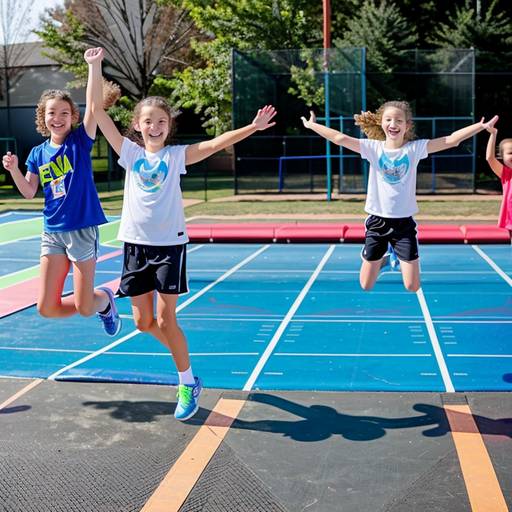
This lesson plan focuses on teaching 4th-grade students the importance of cardiovascular fitness through engaging activities designed to promote heart health. The session begins with a discussion about cardiovascular fitness, followed by a warm-up that includes jogging and dynamic stretches. Students then rotate through several activity stations, including a jump rope relay, a hula hoop challenge, a cardio dance party, and agility cone drills, all aimed at elevating their heart rates while having fun. The lesson concludes with a cool-down and reflection period, where students share their experiences and learn how to incorporate physical activity into their daily lives. The plan encourages participation and fosters a positive attitude toward fitness and health.
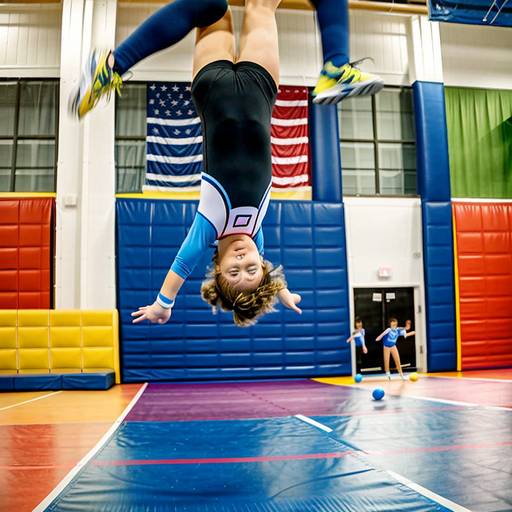
This lesson plan is designed for 4th-grade students in a physical education class, focusing on basic skills in gymnastics and sports. The objectives include developing physical skills such as jumping, rolling, and flipping safely, promoting good sportsmanship and teamwork, and building confidence in physical activities.
The lesson begins with an introduction that highlights the importance of gymnastics and sets safety rules. A dynamic warm-up follows, featuring fun movements to engage students. The class is then divided into small groups, rotating through three skill stations that emphasize tumbling, balance beam navigation, and hurdle jumping. Each station allows students to practice specific skills in a safe environment.
A relay race incorporates the skills learned at the stations, promoting teamwork and encouragement among students. The lesson concludes with a cool-down period that includes gentle stretching and a reflection session, where students can share their experiences and what they learned. Assessment is conducted through observation of participation, skill execution, and sportsmanship throughout the activities.
Adaptations are included to ensure all students can participate, with modifications for varying skill levels and physical abilities. The lesson emphasizes the enjoyment of movement and encourages students to practice their skills at home. Safety measures are prioritized, with close supervision during all activities to foster a positive and supportive learning environment.
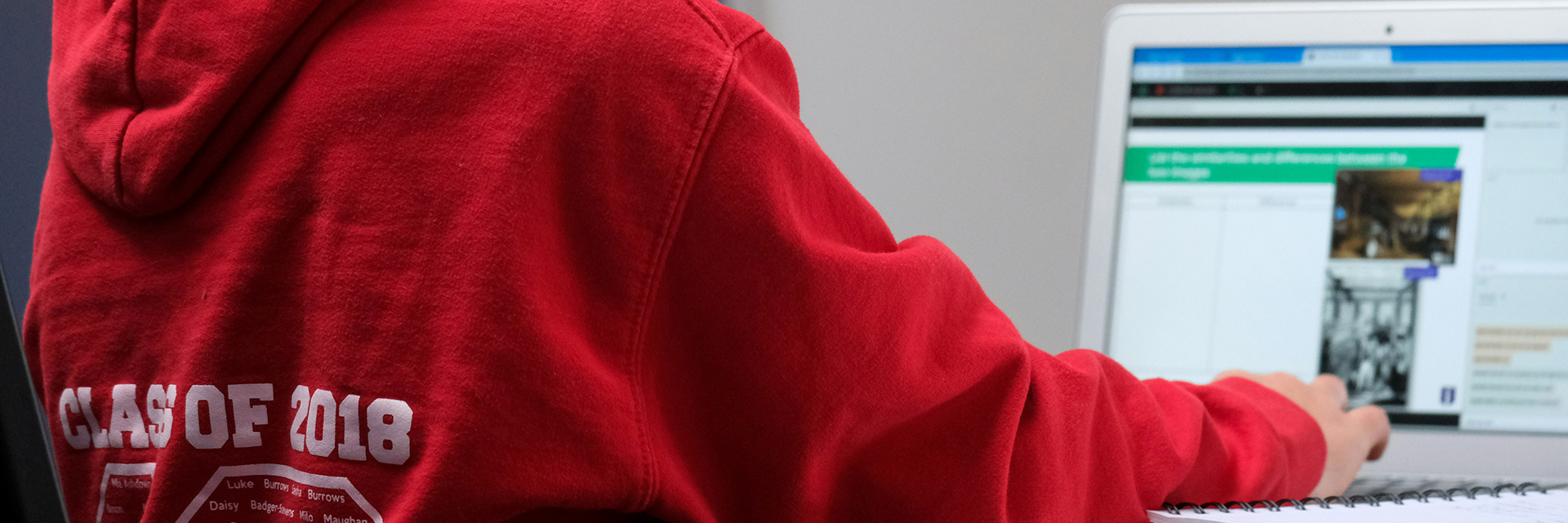
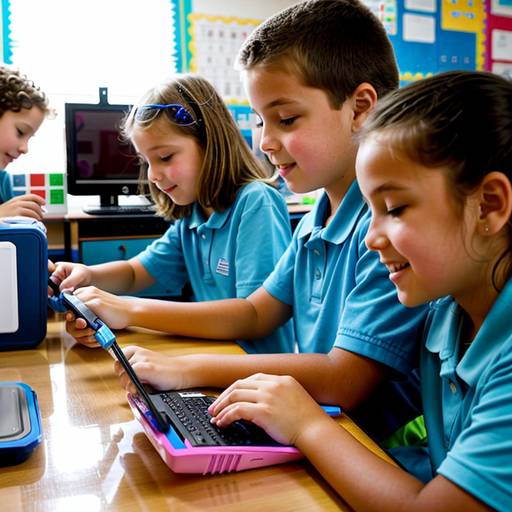
In this 4th-grade technology lesson, students will learn the importance of maintaining and cleaning their devices, such as tablets and laptops, for optimal performance and longevity. The lesson begins with a discussion on the types of devices they use and why maintenance is crucial, followed by a demonstration of proper cleaning techniques. Students will participate in hands-on activities at various cleaning stations, practicing proper cleaning methods with provided materials. The lesson concludes with a group reflection to reinforce their understanding of device care. Additionally, students will receive take-home handouts with cleaning tips, and there will be opportunities for further extension activities to promote ongoing responsibility for their devices. Assessment will include observation of student engagement and a quick exit ticket to gauge learning outcomes.
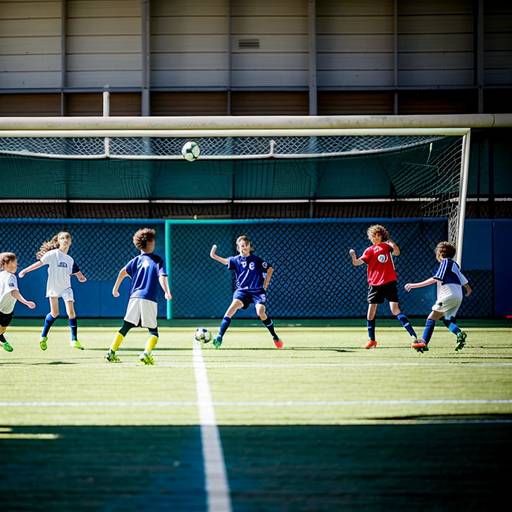
This 4th-grade physical education lesson focuses on teaching students the fundamental skills of soccer, emphasizing both individual technique and teamwork. The session begins with a dynamic warm-up and a discussion about the game of soccer, including its basic rules and objectives.
Students engage in two main skill development activities: dribbling and passing drills, where they practice controlling the ball and communicating with teammates. In the second half of the lesson, the students participate in a mini soccer game, allowing them to apply the skills they learned in a fun, competitive environment.
The lesson concludes with a discussion reflecting on the students' experiences, reinforcing the importance of teamwork and physical activity. Throughout the session, the teacher assesses students’ performance and provides feedback, ensuring a safe and engaging learning environment.

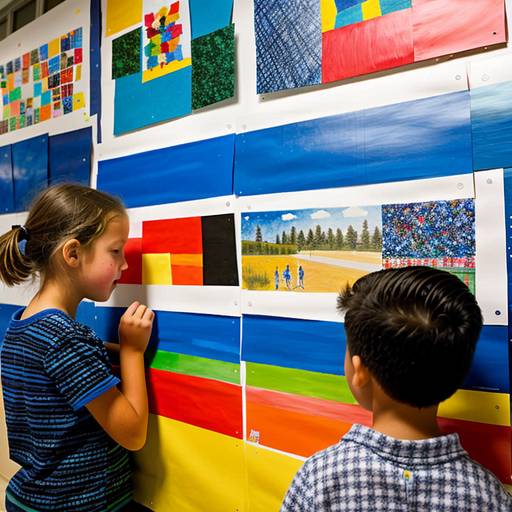
In this 4th-grade art lesson, students will explore the art technique of collage by creating their own layered masterpieces. The lesson begins with an introduction to the concept of collage and its historical significance, accompanied by examples from notable artists. Students will then brainstorm personal themes related to their hobbies, interests, or memories, which will serve as the foundation for their collages.
After a brief exploration of the available materials, including magazines, newspapers, and various decorative items, students will arrange their chosen pieces on a base before gluing them down. The focus will be on layering and creating visual interest through balance and contrast. Once completed, students will have the opportunity to share their collages with classmates, explaining their artistic choices and the meanings behind them.
Reflective discussions will emphasize the learning experience and the capabilities of collage as a medium for expression. Assessment will involve observing participation and creativity, as well as evaluating the final collages based on their artistic quality and the effectiveness of their thematic representation. Additionally, extensions of the lesson may include writing descriptions of the collages and organizing a gallery walk for peer appreciation. Adaptations will be made for students needing extra support or for those seeking to challenge themselves further with mixed media techniques.
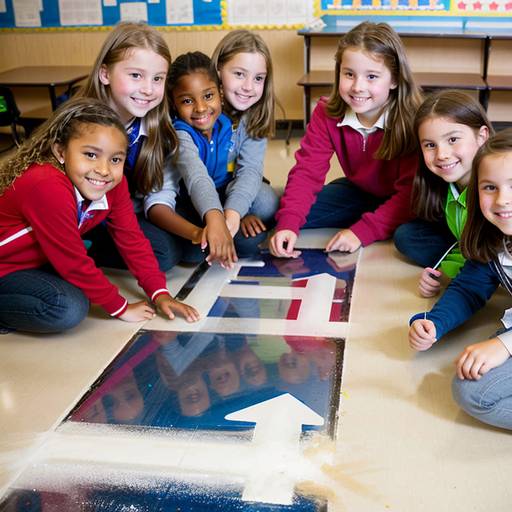
In this 4th grade technology lesson, students will learn about the concept of a digital footprint and the significance of maintaining a positive online presence. The lesson begins with an engaging introductory activity that compares physical footprints to digital ones, followed by a brief, age-appropriate video explaining the topic.
Students will explore the definition of a digital footprint, discussing its active and passive forms, as well as real-life examples of how online actions can impact individuals both positively and negatively. In small groups, learners will brainstorm ways they create digital footprints and present their findings to the class, highlighting both positive and negative aspects.
To reinforce understanding, the class will participate in an interactive quiz reviewing the concepts covered. Finally, students will reflect on their learning by sharing one commitment they will make to enhance their digital footprint. Through discussions and activities, the lesson emphasizes responsible digital citizenship and encourages students to be mindful of their online actions.
Assessment will include participation in group activities, quiz performance, and individual reflections to ensure comprehension and application of the concepts discussed. Adjustments will be made for differing learning needs, and an optional homework assignment will invite students to outline their future strategies for managing their digital presence.

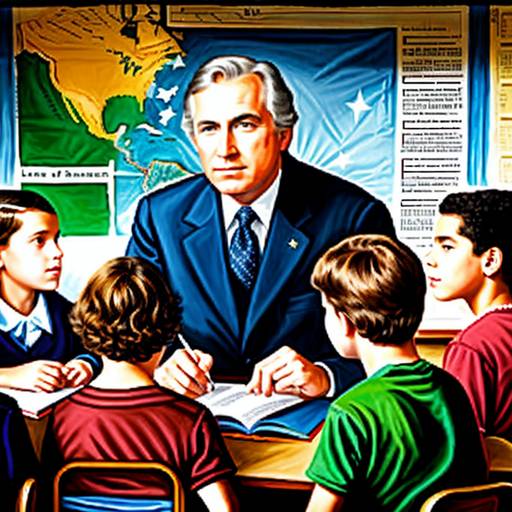
In this engaging 4th-grade social studies lesson, students will explore the lives and contributions of significant historical figures in American history. The lesson begins with a discussion to activate prior knowledge and introduce key concepts related to influential individuals who have shaped society. Students will then participate in a collaborative group activity where they will research specific historical figures using prepared biography cards. Each group will prepare a brief presentation detailing their figure's contributions and significance. The class will come together for presentations, fostering discussion and inquiry among students. Finally, a reflection session will encourage students to think critically about the impact of these figures and their relevance to contemporary society. Assessment will focus on group participation and the quality of presentations, with opportunities for deeper exploration through extension activities. Overall, this lesson aims to inspire students to appreciate the contributions of historical figures and recognize their influence on the world.

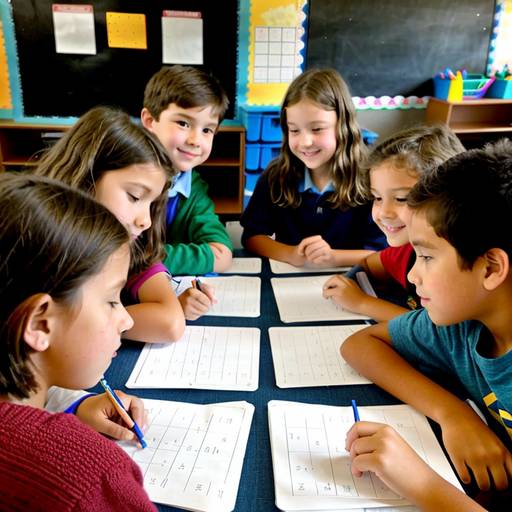
This 4th-grade math lesson focuses on the concepts of measurement and length, emphasizing the importance of these skills in everyday life. Students will learn to accurately measure various objects using standard units such as inches, feet, centimeters, and meters. The lesson begins with a discussion about the significance of measurement, followed by a demonstration of using rulers and measuring tapes.
Students will work in pairs to practice measuring classroom objects and recording their findings on worksheets, reinforcing correct measuring techniques and unit identification. After guided practice, they will independently measure specific items in the classroom and document their results, while creating a comparison chart.
The lesson concludes with a sharing session where students present their measurements, followed by a recap of the key concepts learned. To assess understanding, the teacher will observe participation, review the worksheets, and assign a homework task encouraging students to measure an item at home. Extensions for advanced learners and adaptations for students needing additional support are also included to enhance learning outcomes.
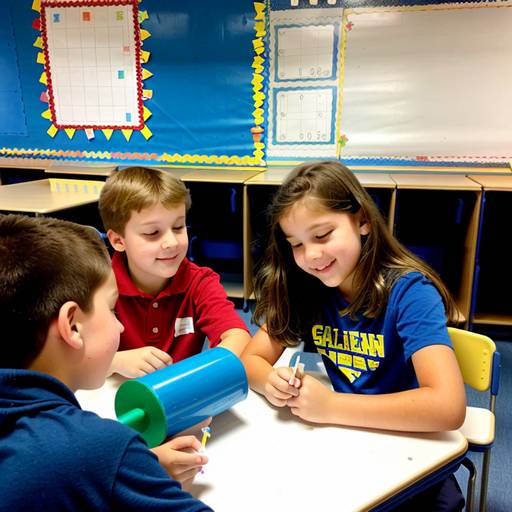
This 4th-grade math lesson focuses on measurement and length, enabling students to grasp the concepts of measuring using standard units such as inches, feet, centimeters, and meters. The lesson begins with a discussion about the importance of measurement in everyday life and introduces key vocabulary. Following direct instruction on using rulers and meter sticks, students engage in guided practice by measuring various classroom objects in pairs and recording their measurements.
In independent practice, students create a Length Comparison Chart to display their findings and write short comparisons about the lengths of the measured objects. The lesson concludes with a group discussion to reflect on their measurements and the significance of using different units. Assessment involves reviewing worksheets and participation, while differentiation strategies are provided to support all learners. Extensions include planning a measurement scavenger hunt and introducing unit conversions in future lessons. Overall, the lesson promotes hands-on engagement, collaboration, and practical application of measuring skills.