
Filters
Level
Grade
Subject
Subject Area
Subject Topic
Standard(s)
Audience
Keyword
DurationMinutes
4th Grade Lesson Plans

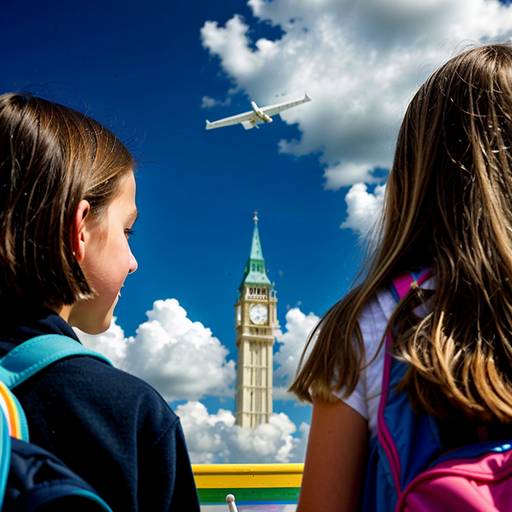
In this 4th-grade Language Arts lesson, students will embark on a journey to create their own imaginative stories, focusing on elements such as setting, characters, problems, and solutions. The session begins with a discussion of what makes stories engaging, followed by a read-aloud of a children’s book excerpt to illustrate the use of descriptive language. Students will then complete graphic organizers to brainstorm their story ideas, which will guide them in writing a short narrative. Throughout the writing process, they will focus on using sensory details to enhance their descriptions. At the end of the lesson, students will have the opportunity to share their stories with classmates, fostering a sense of community and encouraging feedback. The lesson will be assessed through the graphic organizers and the final stories, promoting creativity and clarity in writing. Extensions for this lesson may include developing sequels or comic strips to further explore their narratives.

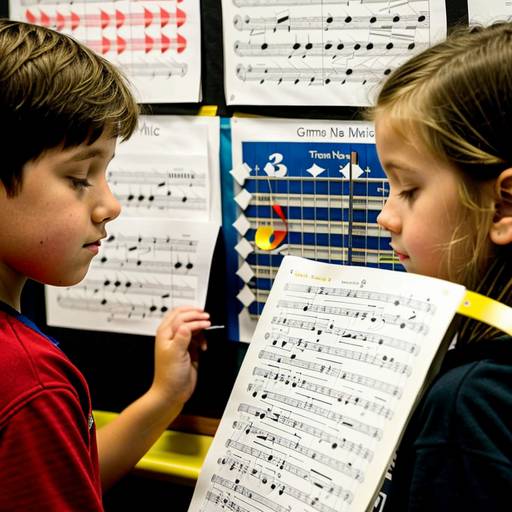
This music lesson for 4th-grade students focuses on introducing and reinforcing the identification of notes on the treble clef staff through engaging activities. The lesson begins with a warm-up game where students connect familiar songs to musical notes, prompting a discussion on the importance of notes in music.
Students are then introduced to the names of the notes in the treble clef and helpful mnemonics to memorize them. Visual aids, including a drawn treble clef on the whiteboard and possibly educational videos, further support this instruction.
The class engages in a guided practice where students complete worksheets identifying notes, followed by an interactive group game that encourages teamwork and quick thinking as they identify notes using flashcards. The lesson concludes with a review and an exit ticket activity to assess understanding. Optional extension activities are provided for students seeking additional practice, ensuring a comprehensive learning experience that fosters both individual and collaborative mastery of music theory concepts.

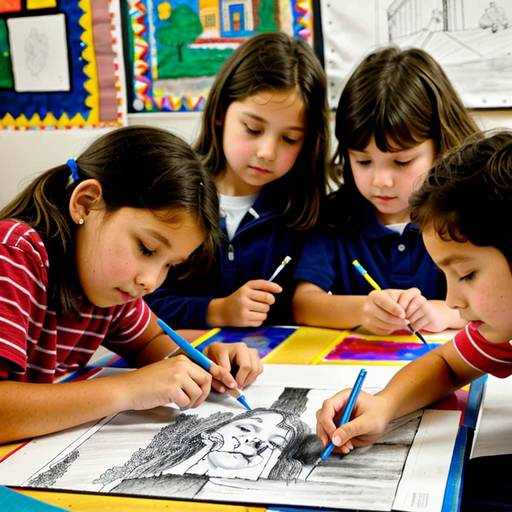
In this 4th-grade art lesson, students will explore the concepts of line types and layering techniques to create depth in their drawings. The lesson begins with a discussion on depth and how various lines can convey texture, followed by a demonstration showcasing different line types and layering in a drawing. Students then engage in guided practice by collaboratively drawing a layered landscape, applying the techniques discussed. Afterward, they will independently create their own artwork using their understanding of lines and layering to depict a chosen theme. The lesson concludes with a gallery walk, allowing students to share their work and reflect on the techniques used. Assessment will focus on students’ application of line and layering techniques in their artwork, and extensions may include artist statements and further exploration of color blending.

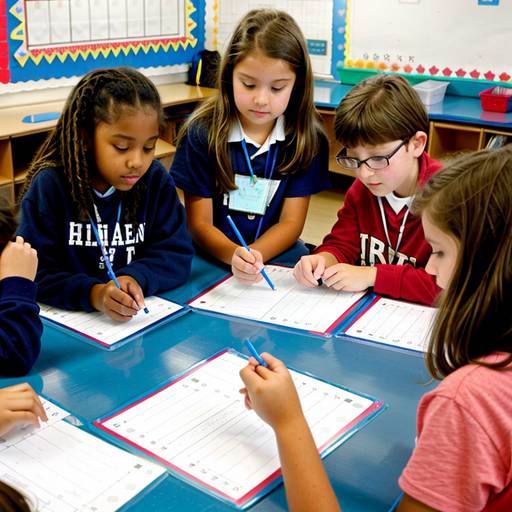
In this 4th-grade math lesson, students will engage with the concepts of reading analog and digital clocks, calculating elapsed time, and identifying time patterns. The lesson begins with a discussion on the importance of time, followed by direct instruction on how to read both types of clocks and calculate elapsed time through simple examples. Students will then participate in group activities where they will work collaboratively to match clock times, solve elapsed time problems, and explore patterns. After working independently on worksheets that reinforce these skills, the class will come together to share their discoveries and review key concepts. The lesson will culminate in a quick interactive game to reinforce learning and ensure understanding. Assessment will be informal, based on observations during group work and the evaluation of completed worksheets. Extension activities will provide additional challenges for students ready to advance their understanding further. Adjustments will be made to support diverse learners, ensuring all students grasp the fundamental concepts related to time.

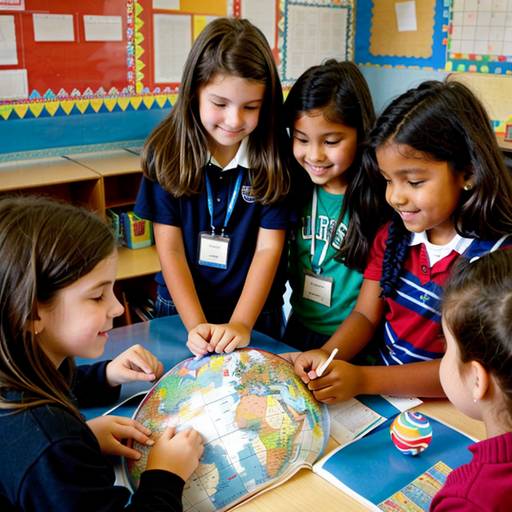
In this 4th-grade social studies lesson, students explore the importance of geography by learning about various countries and their cultural aspects. The lesson begins with an introduction to key geographic terms, followed by direct instruction on identifying continents, countries, and capital cities on a world map. Each student or small group is then assigned a specific country to research, helping them locate it on a blank outline map while illustrating cultural elements such as traditional food or landmarks.
Students create mini-posters that include essential information about their countries, allowing for creativity and personal expression. The lesson concludes with a sharing session where students present their posters, fostering a sense of community and appreciation for global diversity. Informal assessments occur throughout the lesson, with opportunities for further exploration through extension activities such as a cultural fair or pen-pal program. Adaptations are made to support diverse learners and challenge advanced students. Overall, the lesson aims to ignite curiosity about the world and its rich variety of cultures.
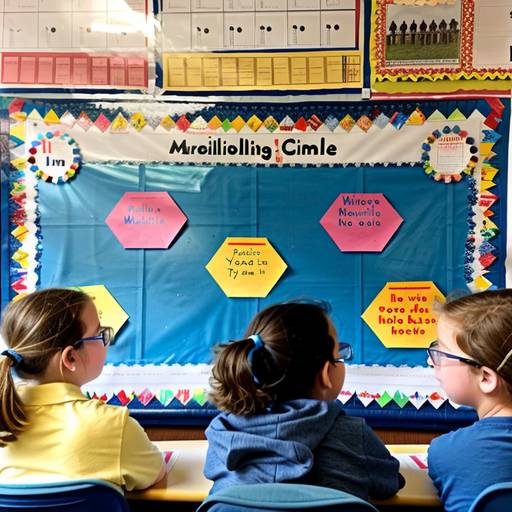
In this 4th-grade social studies lesson, students will explore the concept of timelines and their significance in understanding historical events. The lesson begins with an engaging introduction where students discuss important events from history and learn the basic structure and purpose of a timeline. After a demonstration of how to create a timeline, students will work in small groups using pre-printed event cards to arrange significant historical milestones in chronological order on blank timelines they will illustrate creatively.
Each group will then present their timelines to the class, discussing the events and their importance, which encourages collaboration and enhances public speaking skills. The lesson concludes with a reflection on the value of timelines in connecting events to help understand cause and effect in history. For homework, students will create a personal timeline highlighting important milestones in their own lives. Assessment will be based on group participation, the accuracy and creativity of the timelines created, and the completion of the personal timeline assignment. Extensions will be offered to enhance learning outcomes and provide opportunities for further research and digital engagement.
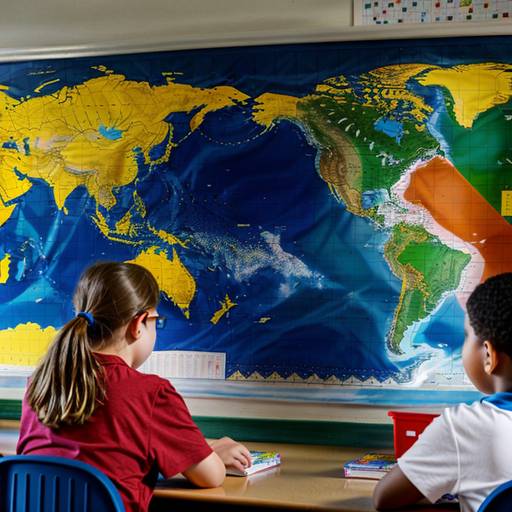
In this 4th-grade social studies lesson, students will explore the purpose and types of maps, gaining an understanding of key features such as legends, scales, and compass roses. The lesson begins with a discussion about maps and their uses, followed by an introduction to various types of maps, including political, physical, and thematic maps. Students will then learn about important components of maps through examples.
The heart of the lesson involves a hands-on mapping activity, where students will create their own maps of familiar places, incorporating at least three landmarks, a compass rose, and a simple legend. They will have the opportunity to share their creations with peers, fostering both creativity and collaboration. The lesson concludes with a reflection on the significance of maps in understanding geography. Assessment will be based on participation, the accuracy of maps, and the inclusion of required features. Optional extensions and adaptations are provided to enhance learning for all students.
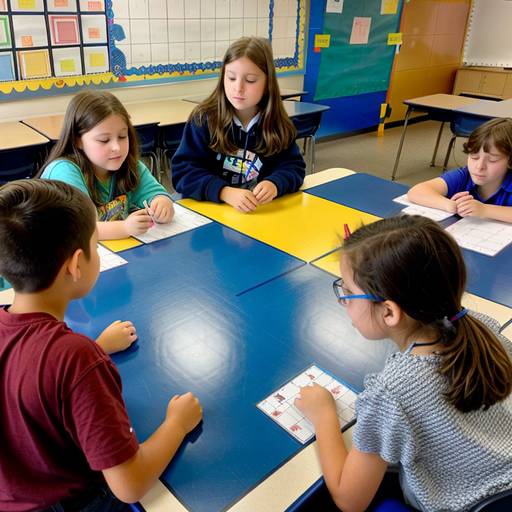
In this 60-minute math lesson designed for 4th graders, students will explore the concepts of measurement and area through hands-on activities involving objects in their classroom. The lesson begins with a discussion of area and its practical applications, followed by a demonstration of how to calculate area using the formula Area = Length x Width.
Students will then engage in guided group practice by measuring various classroom objects, recording their findings, and calculating their areas. After that, they will work independently to measure and draw another object of their choice, applying what they've learned to calculate its area on grid paper.
The lesson concludes with a class discussion where groups share their calculations and observations, reinforcing their understanding of area. Assessment will be informal, through observation and review of students’ completed work, ensuring they grasp the concept. Extensions and support strategies are included for diverse learners to enhance engagement and understanding.
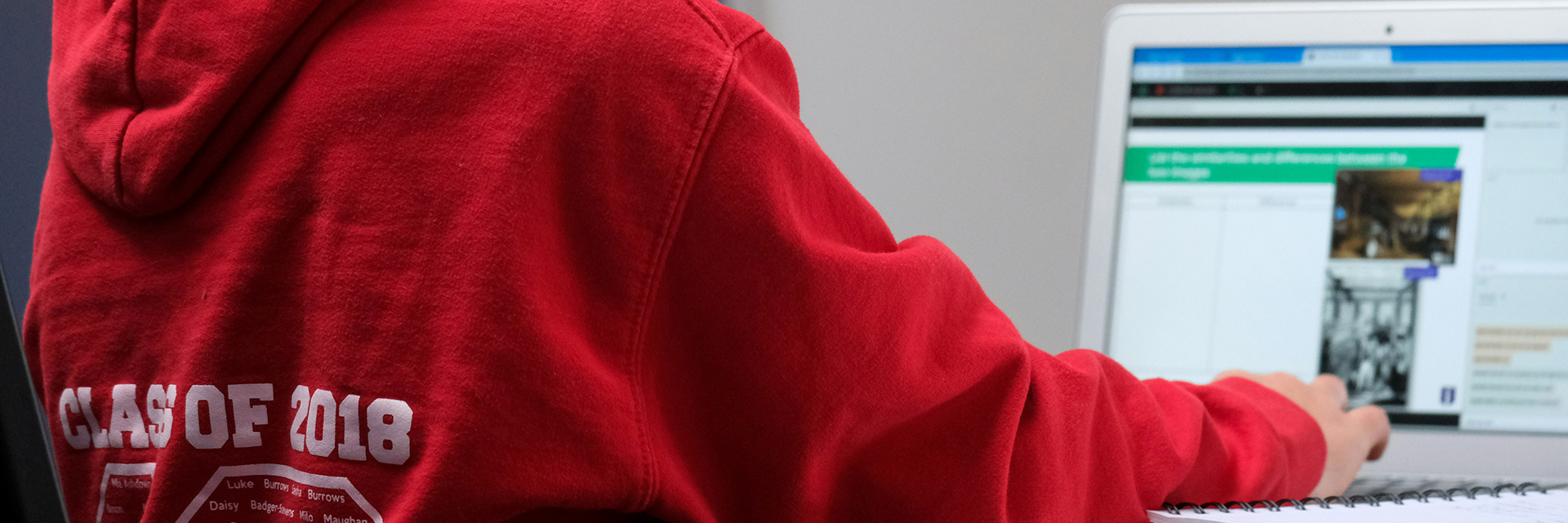

In this 4th-grade technology lesson, students will learn the fundamentals of email communication and appropriate online etiquette. The lesson will begin with a discussion to gauge prior knowledge and interest in emails, followed by a structured overview of the essential components of an email, such as the subject line, greeting, body, closing, and signature. The significance of polite and clear communication will be emphasized through an introduction to email etiquette.
During guided practice, students will draft an email based on a provided scenario, allowing them to apply what they have learned. They will then engage in a peer review to share their emails and offer constructive feedback to one another. The lesson will conclude with selected students sharing their drafts while reinforcing key takeaways about effective communication.
Assessment will be conducted through observation of student participation and evaluation of their email drafts. Optional extensions may include discussions about attachments and internet safety. By the end of the lesson, students will be better prepared to communicate effectively via email, cultivating essential skills for their digital interactions.
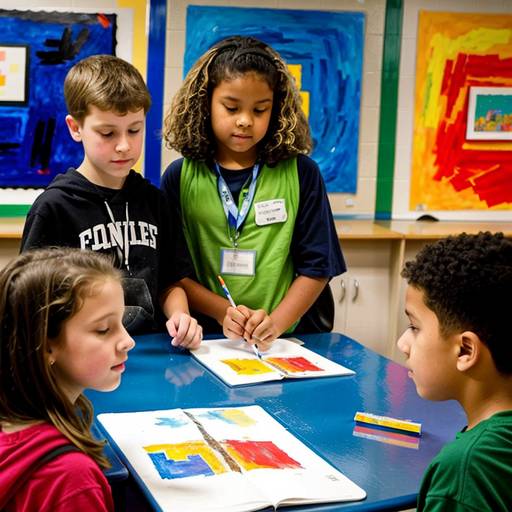
In this 4th-grade art lesson, students are introduced to the concept of Expressionism, an art movement focused on conveying emotions through color and form. The lesson begins with a discussion about various art movements, particularly how Expressionist artists like Edvard Munch and Wassily Kandinsky utilized vibrant colors and abstract shapes to express deep feelings.
Students engage in an interactive brainstorming session where they connect colors with emotions, creating a list of feelings associated with different shades. After learning about the artists and their works, students select an emotion they wish to express in their own artwork. They start by sketching their ideas and then use watercolor or tempera paints to create expressive pieces that reflect their chosen feelings.
The session concludes with a gallery walk, where students display and observe each other's artwork. They participate in reflections about their creative choices and the emotions they aimed to convey. This lesson not only enhances their understanding of a significant art movement but also encourages personal expression and emotional literacy through artistic creation.