
Filters
Level
Grade
Subject
Subject Area
Subject Topic
Standard(s)
Audience
Keyword
DurationMinutes
4th Grade Lesson Plans

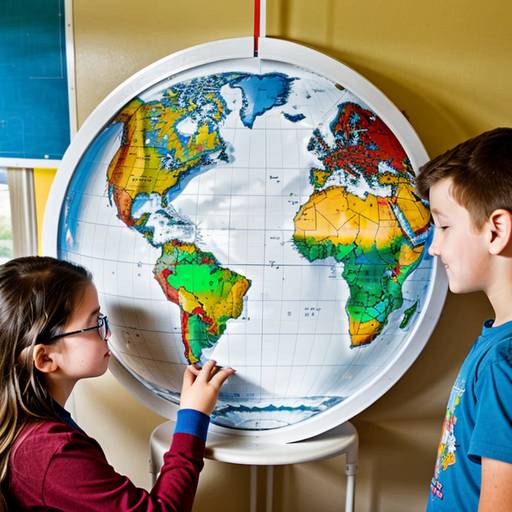
In this 4th-grade mathematics lesson, students will explore the concept of perimeter by learning how to measure the sides of various geometric shapes and calculate their perimeter using appropriate formulas. The lesson begins with an engaging introduction where students discuss their prior knowledge of perimeter. It continues with direct instruction on how to calculate the perimeter of rectangles and squares, followed by guided practice with worksheets that allow students to apply their understanding in pairs.
Students will then participate in a hands-on activity in small groups, creating their own shapes using string and measuring the sides to determine the perimeter. The lesson concludes with a review of key concepts and encourages students to think about real-life applications of perimeter. Assessment will be conducted through the collection of worksheets and observations during group presentations, ensuring that students grasp the importance of measurement and perimeter in both mathematical contexts and everyday situations. Extensions for advanced learners will be provided to deepen their understanding of perimeter in more complex shapes.

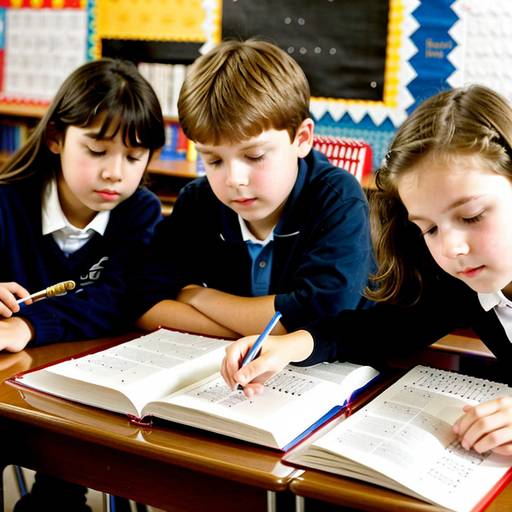
This lesson plan is designed for 4th-grade students and focuses on introducing them to significant composers in music history. Over the course of one hour, students will engage in discussions about composers, their contributions, and the historical contexts of their works. The lesson begins with an interactive conversation about the nature of music, followed by a group activity where students research specific composers and present their findings to the class.
Students will also participate in listening activities, where they will hear audio clips of various pieces, noting their emotional responses and observations about the music's characteristics. To further reinforce their understanding, students will create a poster for their assigned composer, incorporating key information and creative elements that reflect the composer's style. The class will conclude with a recap of the composers studied, fostering appreciation for their music and encouraging students to share their favorite discoveries. Throughout the lesson, students will develop research, teamwork, and presentation skills while enjoying an exploration of musical history.
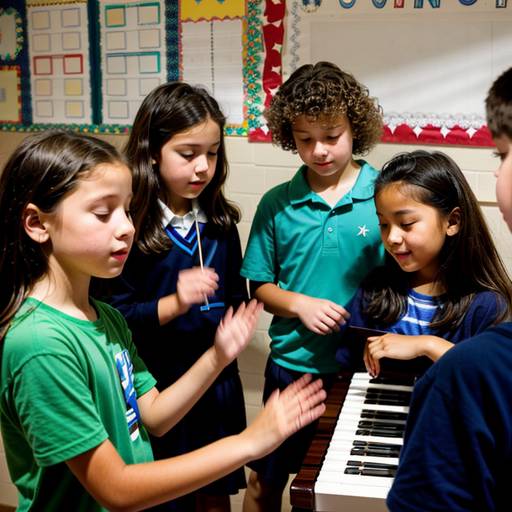
In this 4th-grade music lesson, students will explore the concept of dynamics in music, focusing on how loudness and softness can enhance expressiveness. The lesson begins with an introduction to dynamic terms, including forte, piano, mezzo forte, mezzo piano, crescendo, and decrescendo. Students will engage in active listening exercises, identifying changes in volume within a selected piece of music.
Following the listening activity, the class will study a familiar song, discussing sections where dynamic contrasts can be applied. Students will be divided into small groups to practice and perform their assigned sections, incorporating appropriate dynamic variations. The lesson concludes with a creative reflection activity where students will draw their own dynamic symbols and discuss their learning experience with a partner.
Assessment will focus on participation in group activities, performances, and the reflective creative task. The lesson is adaptable for diverse learners, ensuring that all students can engage with the material effectively. This approach not only builds understanding of music theory but also fosters teamwork and creativity among students.

In this 4th-grade music lesson, students will engage in singing and performance, focusing on vocal technique and expression. The lesson begins with warm-up exercises to prepare their voices, followed by an introduction to a selected age-appropriate song. Students will learn the song in sections, emphasizing pitch accuracy, rhythm, and dynamics. They will practice in small groups before coming together to perform as a class, encouraging collaboration and support. The lesson concludes with a reflection on their performance experience, fostering a sense of accomplishment and encouraging students to continue exploring singing at home. Assessment will be based on observation during practice and performance, with feedback provided to enhance their skills. Extension opportunities include forming a choir or creating original lyrics, promoting creativity and confidence in music.
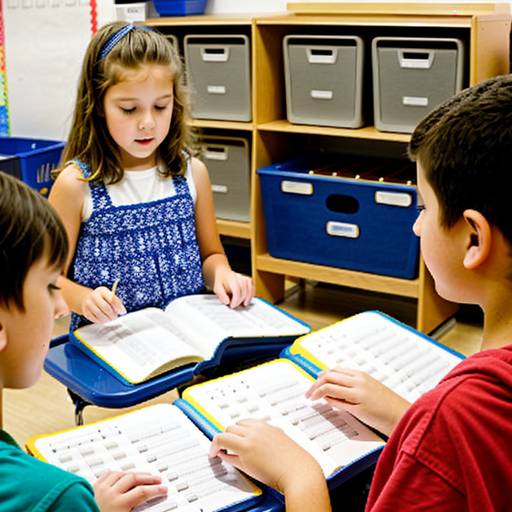
In this engaging fourth-grade music lesson, students will explore fundamental music theory concepts related to rhythm and note values. The lesson begins with a warm-up involving clapping patterns to familiarize students with rhythm. Through visual aids, students will learn about different note values, such as quarter notes, eighth notes, half notes, and whole notes, understanding how many beats each represents.
Students will then partake in body percussion activities, creating their own rhythmic patterns. Working in small groups, they will develop a 4-beat rhythmic composition that includes a mix of note values, which they will eventually present to the class. Constructive feedback will be provided to reinforce their learning.
The lesson concludes with a group reflection where students share their learnings and feelings about the activities. Lastly, they will perform a collective rhythmic piece together, solidifying their understanding of rhythm and the concept of maintaining a steady beat as a group. Assessment will focus on student participation, the quality of rhythmic patterns created, and adherence to the concepts taught throughout the lesson. Extension ideas encourage students to create their own rhythm compositions at home and explore melody in future music classes.
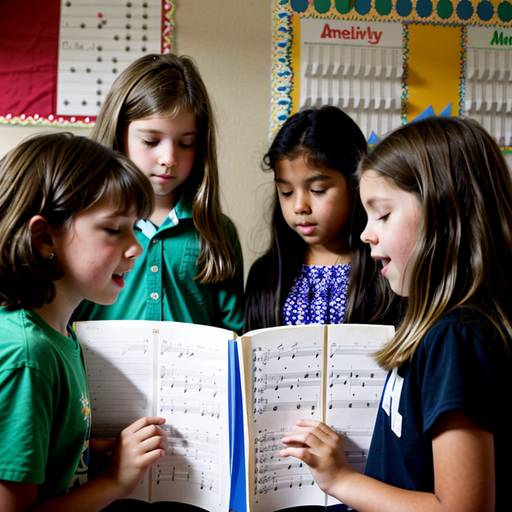
In this 4th-grade music lesson, students will explore the concepts of melody and harmony through engaging group activities and vocal exercises. The lesson begins with a discussion to introduce key terms, followed by vocal warm-ups to prepare their voices for singing. Students will be divided into three groups, each focusing on a different vocal part: melody or harmony. They will learn a simple song with these parts, practicing separately before coming together to perform as a cohesive unit. The class will reflect on their experiences to emphasize the importance of collaboration and listening in music. The lesson culminates in a shared performance, fostering teamwork and musical appreciation. Optional percussion instruments may be introduced to enhance the experience further. Observations during practice will serve as informal assessments of student engagement and harmony blending.
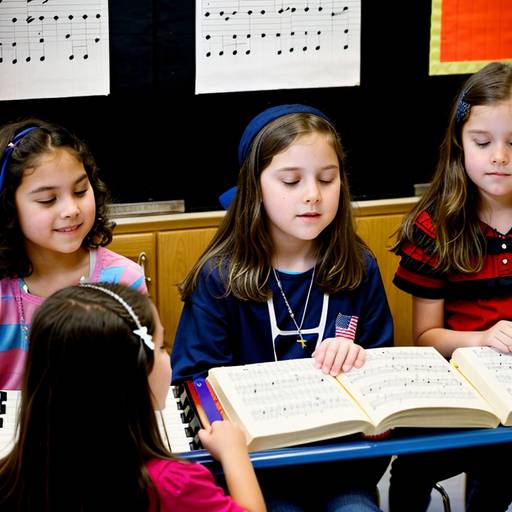
In this 4th-grade music appreciation lesson, students will explore a selection of iconic songs from various genres and time periods. The class begins with a warm-up discussion about music and its significance in their lives. Following this, students will listen to a curated list of famous songs, engaging in discussions that highlight their emotions and thoughts about each piece.
Afterward, students will be divided into small groups to research a specific song and create a visual presentation covering its background, artist, genre, and historical significance. Each group will share their findings with the class, fostering a collaborative learning environment. The lesson concludes with a reflection where students can express their favorite songs and the meanings behind them, further enhancing their understanding and appreciation of music.
Assessment will be based on participation, the quality of presentations, and the ability to articulate their thoughts. The lesson also includes extensions for students to create a class playlist and accommodations for diverse learning needs.
In this engaging music lesson for 4th graders, students will explore the history of music and various musical styles through listening and interactive activities. The lesson begins with a discussion about the role of music in society and personal experiences with different genres. Students will then listen to audio samples from five key musical styles—Baroque, Classical, Jazz, Rock, and Hip-Hop—while taking notes on the characteristics and emotions evoked by each style.
Afterward, students will work in small groups, each assigned a specific musical style, to create a simple composition using instruments or vocal sounds that reflect the elements of that genre. Each group will have the opportunity to present their compositions to the class, fostering collaboration and creativity.
The lesson concludes with a reflection on the significance of music throughout history and how different styles can influence each other, encouraging students to think about their own musical expressions. Assessments include participation, completed worksheets, and group presentations, with potential extensions for continued exploration of contemporary music and its roots.
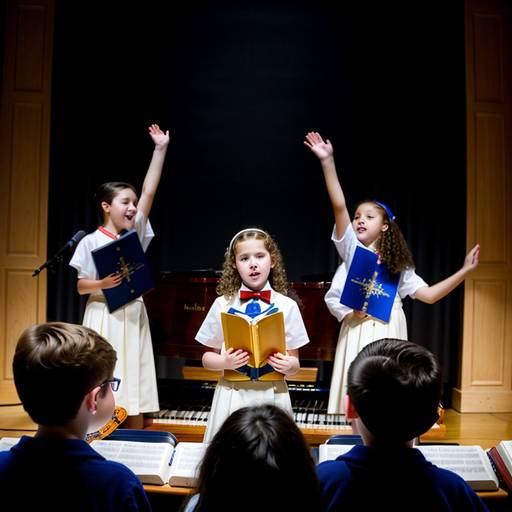
In this 4th-grade music lesson, students will explore the history of music by examining four significant music periods: Baroque, Classical, Romantic, and Contemporary. The lesson begins with an engaging discussion about what music might have sounded like in different historical eras. Students will listen to audio clips from each period, identifying key characteristics and expressing their feelings about the music.
After learning about each period and its notable composers, students will work in small groups to research specific facts about their assigned music period and share their findings with the class. Each student will then create a short musical composition inspired by the characteristics of a period they found most interesting, using staff paper for notation or instruments if available.
The lesson concludes with students presenting their compositions to the class, highlighting their inspiration and the emotions conveyed in their pieces. The activities are designed to foster creativity, collaboration, and a deeper understanding of how music evolves over time, along with the ability to reflect societal changes through musical expression. Accommodations will be provided to ensure all learners can engage meaningfully, and extensions encourage further exploration of music history at home.


In this 4th-grade art lesson, students will explore collage as an artistic technique by creating their own mixed media artworks that express personal themes or concepts. The lesson is structured over two sessions, beginning with an introduction to collage and its history, followed by an exploration of various materials such as construction paper, magazines, and natural elements. Students will brainstorm and prepare their ideas and materials before transitioning to the creation of their collages. They will implement concepts of composition and balance while focusing on creativity and self-expression. The lesson concludes with a sharing session, where students reflect on their process and artworks. Assessment will be based on participation and the creativity demonstrated in their final pieces. Optional extensions include collaborative projects and the introduction of additional art techniques.