
Filters
Level
Grade
Subject
Subject Area
Subject Topic
Standard(s)
Audience
Keyword
DurationMinutes
4th Grade Lesson Plans

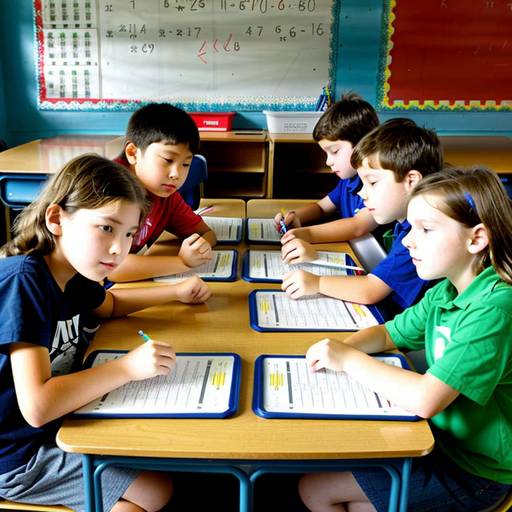
In this 4th-grade math lesson, students will learn about multiplication and times tables through a series of engaging activities aimed at enhancing their understanding and memorization of multiplication facts. The lesson begins with a warm-up that reviews addition, transitioning into an explanation of multiplication as repeated addition. Students will interactively explore the times tables, identifying patterns while practicing multiplication facts.
Following direct instruction, students will participate in timed drills using flashcards and collaborate with peers to check their work. They will then complete a worksheet featuring both multiplication problems and a word problem that requires multiplication for a real-world application.
To reinforce the concepts learned, students will play a fun game of Bingo, where they will match multiplication problems to answers on their cards. The lesson concludes with a review and encourages students to practice at home, with an assignment focused on mastering a specific times table. Overall, this lesson aims to create an engaging and interactive environment, fostering a solid foundation in multiplication for future mathematical concepts.

In this 4th-grade music lesson, students will explore the concept of dynamics—how music can vary in loudness and softness. The lesson begins with a discussion on their experiences with dynamic sounds in music, followed by an introduction to key terms like "piano," "forte," "crescendo," and "decrescendo." Students will engage in a listening activity, analyzing music clips that exemplify these dynamics and expressing their feelings about the changes in sound.
Next, the class will participate in a vocal exercise, actively demonstrating contrasts in volume through their voices and movements. In small groups, students will explore classroom instruments to create their own short musical pieces that incorporate at least two dynamic changes. Each group will present their composition to the class, reflecting on how they used dynamics to enhance their music.
The lesson concludes with a brief discussion and encourages students to observe dynamics in their favorite songs at home for further exploration. Performance and collaboration will be assessed throughout the session, fostering creativity and a deeper understanding of musical dynamics.
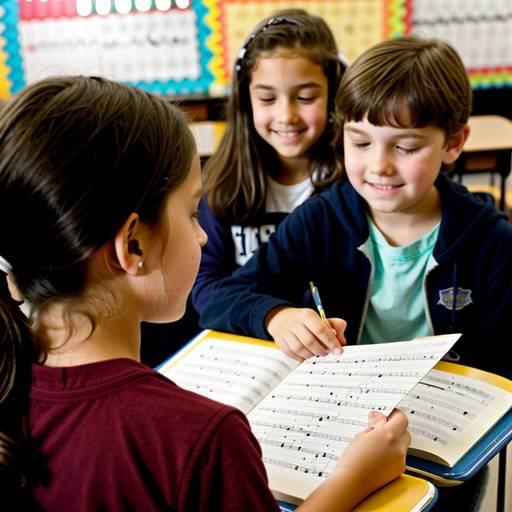
In this 4th-grade music lesson plan, students will focus on identifying and naming notes on the musical staff, specifically within the treble clef. The lesson begins with a warm-up singing activity to engage the class, followed by direct instruction where the teacher explains the staff lines and spaces. Students will learn the note names using memorization techniques and visual aids, such as flashcards.
After the instruction, the class will participate in a guided practice session, where they will label notes on printed staff paper with the correct names, working together as a group. The highlight of the lesson is a fun relay activity, where students compete in teams to match note name flashcards with their corresponding positions on the staff.
The session concludes with a brief review of key concepts, allowing students to share their newfound knowledge. Assessment is built into the lesson through observation of participation and accuracy in activities, along with a follow-up quiz in the next lesson to reinforce learning. Overall, the lesson promotes collaboration and interaction while laying a solid foundation in music theory.
In this 4th-grade music appreciation lesson, students will embark on a journey to explore various music genres, enhancing their understanding and appreciation of diverse musical styles from around the world. The session begins with a listening activity where students hear short clips from different genres and share their thoughts and emotions.
The teacher introduces several genres, including Classical, Jazz, Rock, Hip-Hop, Folk, and World Music, using audio examples to illustrate unique characteristics and cultural significance. Students will then work in small groups, engaging in a listening station activity where they analyze specific genres, identify instruments, and describe feelings evoked by the music.
Following group presentations, where students share their findings with their peers, they will create visual representations of their favorite genre, encouraging creativity and personal expression. The lesson concludes with a discussion on the importance of musical diversity and a homework assignment that encourages students to listen to and reflect on a new genre at home. Through this interactive approach, students will develop a deeper appreciation and understanding of the rich tapestry of music that spans the globe.
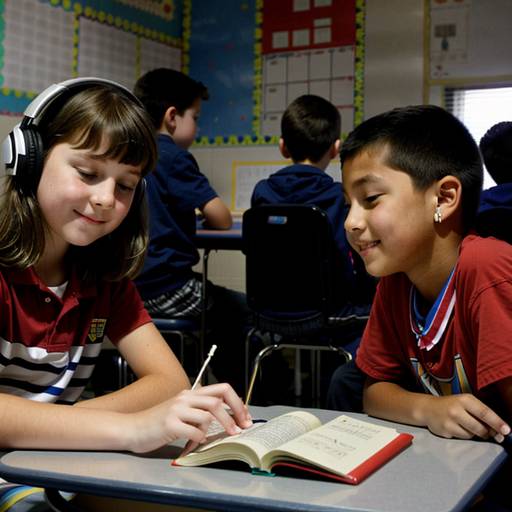
In this 4th-grade music appreciation lesson, students will immerse themselves in a variety of cultural sounds from around the world. The lesson begins with a warm-up discussion, encouraging students to share their favorite music and explore the connection between music and cultural identity. They will listen to audio clips featuring traditional music from distinct cultures, discussing the instruments used, the emotions conveyed, and the overall impact of each piece. By incorporating visual aids and interactive participation, students will engage in a dynamic learning environment.
Following the listening activity, students will create an artistic representation inspired by the last piece of music they heard, allowing them to express their understanding and emotions related to the music. The lesson concludes with a recap of key concepts learned and a reflection on newfound insights into global music culture. Assessment will be based on student participation, creativity in their artwork, and their ability to articulate their listening experiences. Extensions include planning a cultural music sharing day, fostering further interest and exploration in diverse musical traditions.
In this 4th-grade music lesson, students will embark on an engaging exploration of various musical genres and their historical contexts. Over the course of 60 minutes, they will first participate in a warm-up discussion about music's significance in their lives and share their favorite styles and artists. The teacher will introduce five major genres—Classical, Jazz, Rock, Folk, and Hip-Hop—highlighting each one's defining characteristics, influential musicians, and historical backgrounds, supported by audio clips for better understanding.
Students will then break into small groups, each assigned a specific genre, to conduct a listening activity. They will analyze audio samples, noting the unique features of their genre, and share their observations with the class. Following this, students will engage in a creative project, designing posters that illustrate the essence of their assigned genre, including key characteristics and visual representations.
The lesson will conclude with a class discussion about their experiences, encouraging students to reflect on what they found most interesting. Through participation and creativity, students will gain a foundational understanding of music history and develop an appreciation for different musical styles. Optional extensions may include exploring additional genres or inviting a local musician for live demonstrations.
In this 60-minute music history lesson for 4th-grade students, the class will explore key music periods: Baroque, Classical, Romantic, and 20th Century. Students will begin with a discussion about the nature of music and how it evolves over time. They will engage in a listening activity, where they work in groups to analyze audio clips from each period, focusing on characteristics such as tempo and instrumentation. Following group presentations, a collaborative timeline will be created to summarize the composers and significant works from each era.
As a creative extension, students will fill out worksheets with fun facts and questions, followed by an art activity where they create visual posters representing their chosen music period. The lesson will culminate in a sharing session where students showcase their artwork. Assessment will be based on participation, worksheet completion, and the creativity of the posters. Extensions like research projects on specific composers and a musical showcase will further enhance their learning experience. Overall, this lesson aims to foster an appreciation for the historical development of music through interactive and engaging activities.
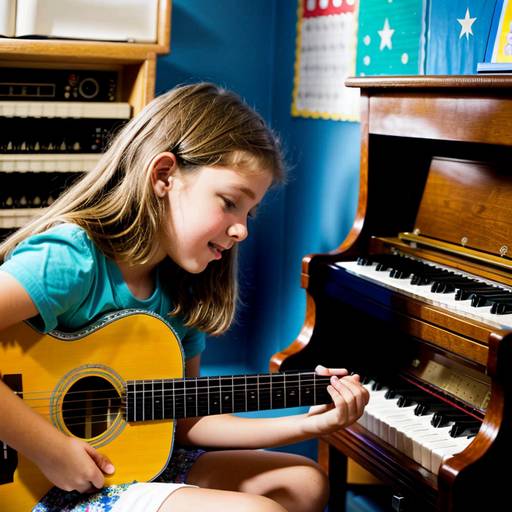
In this 4th-grade music appreciation lesson, students will explore famous songs and their cultural significance throughout history. The lesson begins with a discussion about what makes songs popular, followed by listening to audio clips of selected songs. After each clip, students will share their feelings and thoughts about the music.
Next, students will be divided into small groups, where they will either be assigned or choose a specific song to research. Each group will investigate the song’s background, its artist, and the impact it had on culture or society. They will then prepare a short presentation to share their findings, along with creating a visual representation, such as a poster, that reflects the themes and emotions of their song.
The lesson will conclude with group presentations, allowing students to showcase their work and insights. Overall, the objective is to enhance students' understanding of music's role in history, encourage creativity, and promote teamwork while deepening their appreciation for the art form. Assessment will focus on participation, presentation clarity, and the creativity of their posters. Extensions may include further exploration of artists or songs at home, fostering an enriched learning experience.


In this 4th-grade science lesson, students will explore the three states of matter: solids, liquids, and gases. They will engage in hands-on activities at various stations that allow them to observe and categorize different materials based on their properties. At the solid station, students will examine various objects to identify characteristics such as hardness and shape. At the liquid station, they will measure and pour liquids to observe how they take the shape of their containers. The gas station will include an activity with a balloon filled with air, helping students understand the concept of gas filling space.
The lesson will also include a demonstration where students observe water changing from a liquid to a gas when heated, facilitating a discussion on how states can change due to temperature. Through participation in group activities and class discussions, students will enhance their understanding of matter and its properties. They will conclude the lesson by writing an exit ticket that summarizes their learning and any remaining questions. Extensions, such as finding examples of each state of matter at home and engaging in interactive games, provide opportunities for further exploration and reinforcement of the concepts. Adaptations will be made to ensure all students can engage with the material effectively.

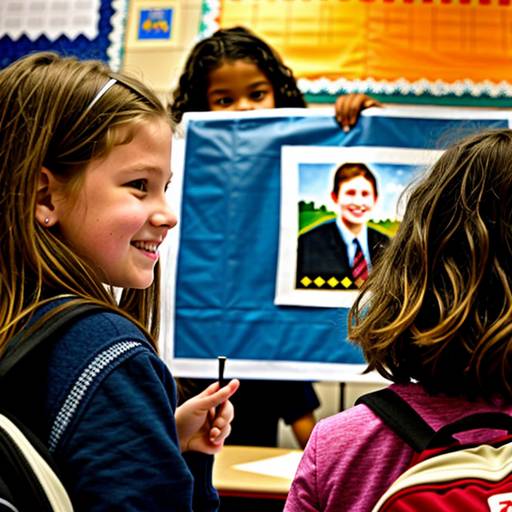
In this 4th-grade language arts lesson, students will learn about narrative writing by exploring its key elements, including characters, setting, plot, conflict, and resolution. The lesson begins with a read-aloud of a picture book or short story to engage students and highlight these components. Following a direct instruction segment, students work in pairs to brainstorm and outline their own story ideas using a graphic organizer. Each student then writes an independent narrative based on their outlines, focusing on descriptive language and clear sequence of events. The lesson concludes with selected students sharing their stories aloud, fostering a supportive environment for peer feedback and reflection on the writing process. Assessment includes observation of participation and review of written narratives to evaluate understanding of narrative elements. Differentiation strategies and extension activities are included to meet diverse student needs and encourage further creativity.