
Filters
Level
Grade
Subject
Subject Area
Subject Topic
Standard(s)
Audience
Keyword
DurationMinutes
3rd Grade Math Lesson Plans

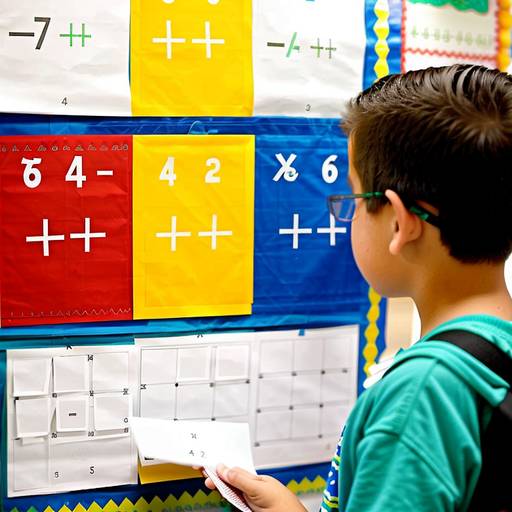
In this 3rd-grade math lesson, students will explore the concept of multiplication through the use of arrays. The session begins with a story highlighting themes of grouping and sharing, which serves as a foundation for understanding how arrays represent multiplication as repeated addition.
During direct instruction, the teacher will demonstrate creating arrays on the whiteboard, showing examples such as 2 x 4 and explaining the connection between arrays and their corresponding multiplication facts. Students will then participate in guided practice by creating their own arrays for specified multiplication problems on a worksheet, reinforcing their understanding of organizing objects in rows and columns.
Once they have had the opportunity to practice, students will independently draw arrays for selected multiplication facts and write the related equations. The lesson closes with students sharing their work with partners and presenting to the class, allowing for discussion and reinforcement of the concepts learned.
Assessment will be based on the accuracy of their worksheets and their engagement in discussions. Additional activities may include solving word problems that involve arrays, offering depth for advanced learners. This engaging lesson reinforces the foundational understanding of multiplication through visual and hands-on learning experiences.
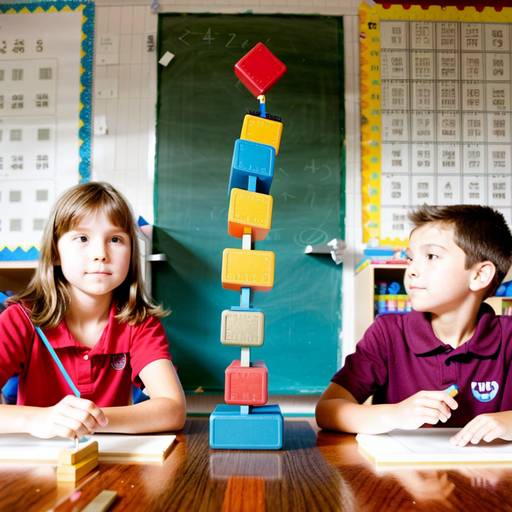
In this 3rd-grade math lesson, students will explore the concepts of measurement and weight through engaging activities. They will begin by discussing the importance of these concepts in everyday life and learn to use standard units for measuring length (inches, feet) and weight (ounces, pounds). Through guided practice, small groups will measure and weigh various classroom items using rulers and scales, recording their findings on chart paper. Additionally, they will estimate and measure fruits or vegetables, comparing their estimates to the actual measurements. The lesson will conclude with a class discussion on their discoveries. Assessment will involve observation during group activities and review of worksheets, allowing for differentiation and extensions like bringing personal items for added engagement. Overall, the lesson aims to provide hands-on learning opportunities, promoting collaboration and a deeper understanding of measurement and weight.
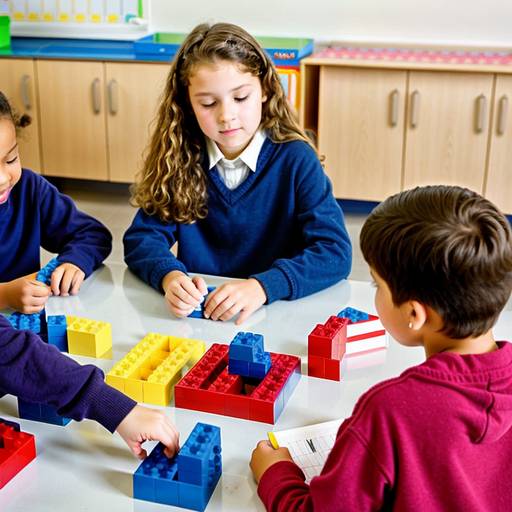
In this 3rd-grade math lesson, students will explore multiplication concepts and patterns through interactive and hands-on activities. The lesson begins by engaging students with skip counting to encourage them to identify patterns related to multiplication. Direct instruction will introduce multiplication as repeated addition, using practical examples to highlight the relationship between multiplication facts and patterns, particularly in the 5s and 10s tables.
Students will then participate in a hands-on activity where they create arrays using manipulatives to visually represent multiplication facts. Small group discussions will follow, allowing students to share their observations about patterns in their products. They will also complete worksheets that challenge them to identify and extend multiplication patterns.
To conclude, the lesson reinforces key takeaways through a brief review and encourages students to share their insights. Assessment will occur through monitoring group activities, evaluating worksheet completion, and reviewing independent practice to ensure understanding. Differentiation strategies will be implemented to support varying learning levels, ensuring all students can engage with the material effectively. By the end of the session, students should demonstrate confidence in recognizing and working with multiplication patterns.
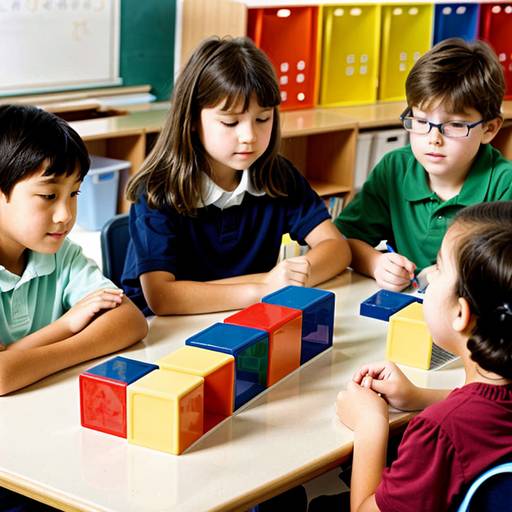
This lesson plan focuses on teaching 3rd-grade students the concept of multiplication through the use of arrays. It begins with an interactive discussion to connect multiplication with repeated addition. The instructor introduces arrays as a visual tool for organizing numbers, demonstrating how to represent multiplication problems using rows and columns. Students then engage in guided practice by creating various arrays with counters, promoting collaboration and understanding through peer discussions. Afterward, they work independently on a worksheet that requires them to draw arrays corresponding to specific multiplication problems. The lesson concludes with students sharing their arrays and the multiplication sentences they represent, reinforcing their understanding of the concept. Assessment is conducted through the review of worksheets and participation, with extensions for advanced learners and modifications for those who need additional support. The approach allows students to visualize multiplication and enhances their problem-solving skills in a hands-on manner.
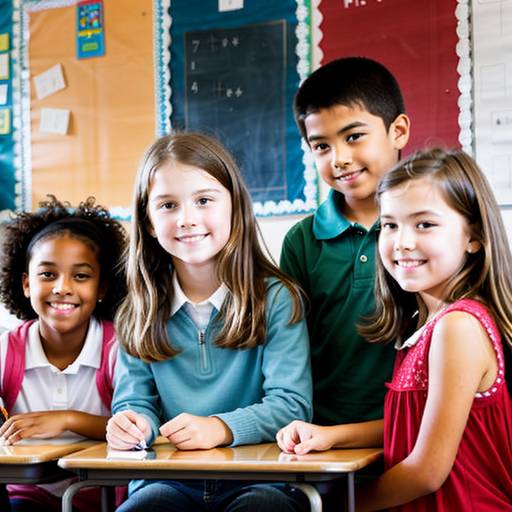
In this 3rd-grade math lesson, students will explore the concepts of multiplication and factors through interactive activities and visual aids. The lesson begins with a review of addition to establish a connection to multiplication as repeated addition. Students will engage in group discussions to identify real-life applications of multiplication. The teacher will model the use of arrays to visualize multiplication problems, further explaining factors as numbers that can be multiplied to reach a given product.
During guided practice, students will participate in an activity involving a Factor Wheel to determine the factors of chosen numbers. Following this, each student will create their own multiplication arrays on grid paper, identifying corresponding factors. The lesson wraps up with student sharing and reflections, reinforcing their understanding of multiplication facts and factors. Assessment will be conducted through observation and review of students' work, along with an exit ticket to gauge individual comprehension. Differentiation strategies will be employed to support varied learning needs.
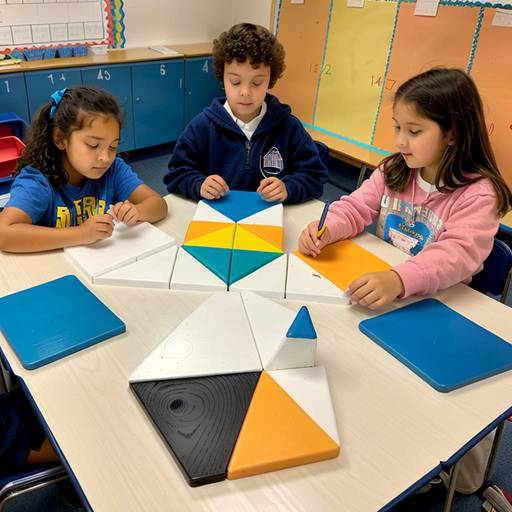
In this 3rd-grade math lesson, students will explore the concept of area through measurement and calculation involving squares and rectangles. The lesson begins with an introduction to area as the amount of space inside a shape, distinguishing it from perimeter. The instructor will demonstrate how to measure the sides of shapes using rulers and explain the area formula: Area = Length × Width. Students will engage in guided practice by measuring pre-prepared shape templates, calculating their areas, and representing them visually on graph paper. Following this, they will complete independent worksheets that reinforce the area calculation skills learned. The lesson concludes with a review of key concepts and their real-world applications, along with an assessment of students' understanding through worksheet evaluation. Optional extensions are provided for advanced learners to explore more complex shapes and applications. Overall, the lesson aims to provide hands-on learning experiences that foster a strong grasp of measurement and area principles.
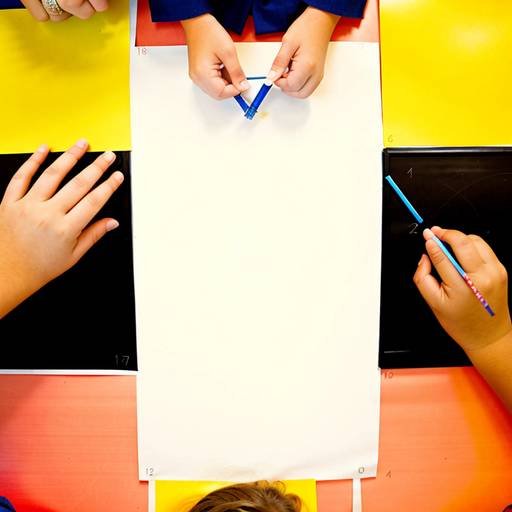
This lesson plan is designed for 3rd-grade students to explore the concepts of measurement in length and temperature. Over the course of 60 minutes, students will engage in hands-on activities to measure various objects using rulers and take temperature readings with thermometers. The lesson begins with an introduction to the importance of measurement in everyday life, followed by direct instruction on using rulers and thermometers effectively.
Students will then participate in guided group practice, measuring the length of different objects and recording the classroom temperature. Afterward, they will complete a worksheet independently, where they analyze and answer questions about the measurements they took. The class will reconvene for a discussion, where groups will share their findings, and a collective temperature chart will be created for visual representation.
Assessment will be based on the completed worksheets and group participation. Extensions are offered for advanced learners, including unit conversion and investigating the effects of temperature on different materials. Modifications are also provided to support students needing additional assistance, ensuring all learners can engage meaningfully with the concepts presented.
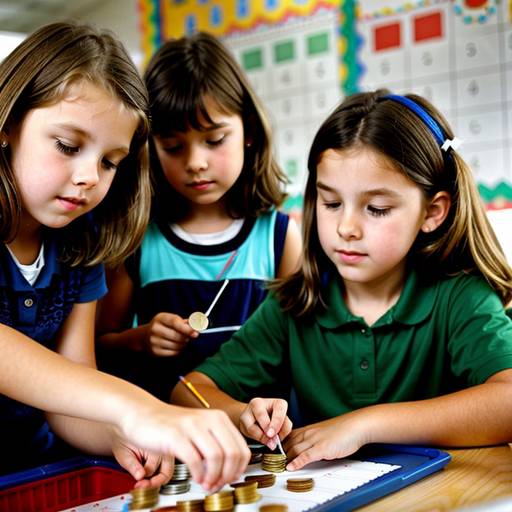
This 3rd-grade math lesson focuses on teaching students about money and budgeting through hands-on activities and real-life scenarios. The lesson begins with a discussion about the importance of money, followed by an introduction to different coins and their values. Students engage in guided practice to identify and count money using play coins.
Afterward, they work independently on budgeting templates, planning purchases within a given budget. In a group activity, students participate in a shopping fair simulation where they make decisions about what items to buy while adhering to their budget. The lesson concludes with a reflective discussion, allowing students to share their experiences and thoughts on making money choices. Assessment includes observation during activities and reviewing budgeting worksheets. Extensions and modifications are suggested to accommodate different learning needs, ensuring an inclusive and engaging experience for all students.
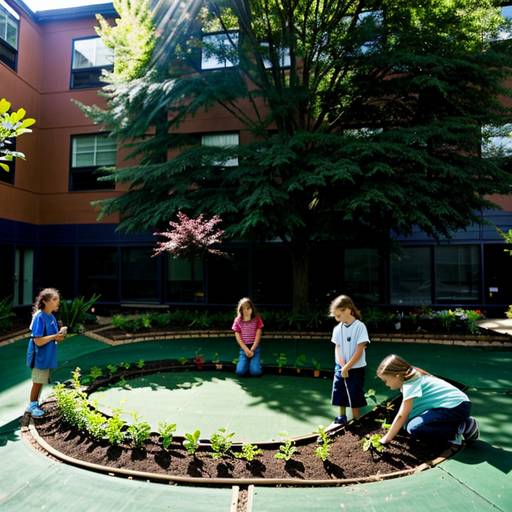
In this 3rd-grade math lesson, students will explore the concept of division through hands-on activities that relate to dividing plants among pots. The objective is for students to understand and perform basic division by visualizing and physically engaging with the material. The lesson begins with an engaging introduction discussing gardens and equal sharing, followed by direct instruction that models division using a simple problem on the whiteboard.
Students will then participate in a group activity where they divide a set number of plant cutouts into designated pots, fostering collaboration and discussion about the division process. This is followed by independent practice, where students solve division problems on worksheets and tackle word problems that apply division to real-life scenarios. The lesson concludes with a review of key concepts and an exit ticket where students express their learning.
Throughout the lesson, assessments will be made based on participation, worksheet completion, and exit responses. Differentiation strategies will be employed to support both advanced students and those who may need additional help, ensuring that each student grasps the concept of division effectively. After the lesson, the teacher will reflect on the activities to evaluate student understanding and future improvements.
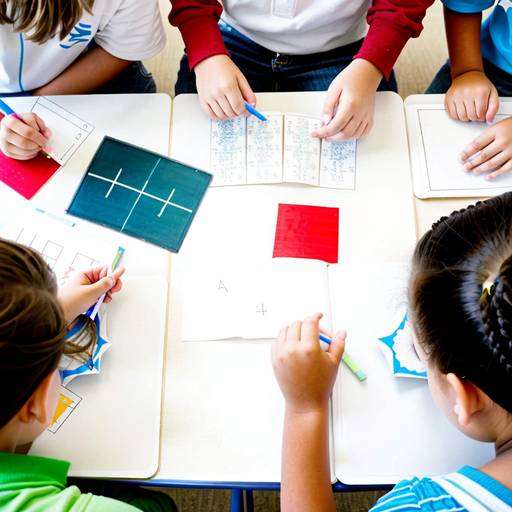
This 3rd-grade math lesson focuses on introducing students to the concept of division through sharing and grouping. It begins with a discussion about everyday experiences related to sharing, leading to the introduction of key vocabulary: dividend, divisor, and quotient. Students engage in direct instruction where they learn to visualize division by grouping objects. They then participate in guided practice using manipulatives to solve simple division problems, followed by independent practice with worksheets that reinforce their understanding. The lesson concludes with a review of the core concepts and an optional extension activity that incorporates teamwork and competition. Throughout the lesson, various assessment methods are utilized to monitor student comprehension and encourage engagement with the subject matter.