
Filters
Level
Grade
Subject
Subject Area
Subject Topic
Standard(s)
Audience
Keyword
DurationMinutes
2nd Grade Math Lesson Plans

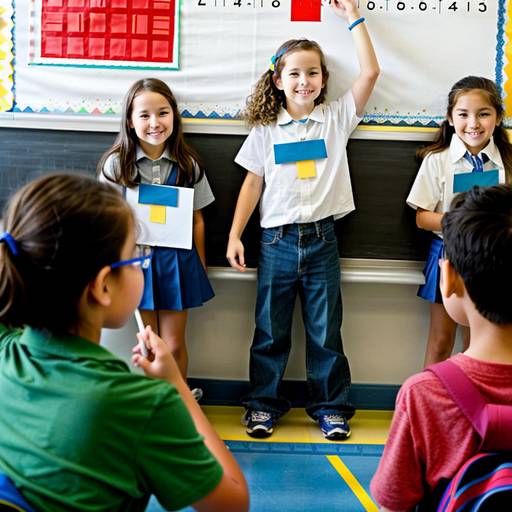
This lesson plan focuses on teaching second-grade students how to understand and apply addition using a number line. The lesson begins with an engaging introduction that encourages students to share real-life examples of addition. The teacher then demonstrates how to use the number line, starting from a given number and making jumps forward to find the sum of addition problems.
Students participate in guided practice through small group activities, where they use flashcards to solve addition problems together, explaining their thought processes as they work. For independent practice, each student completes a worksheet that includes addition problems and a blank number line to demonstrate their understanding.
The lesson concludes with a review and reflection, allowing students to share what they learned. Assessment involves monitoring student participation during activities and reviewing worksheets for accuracy. The plan also includes modifications for students who need extra support, ensuring all learners can engage with the concept of addition on the number line effectively.
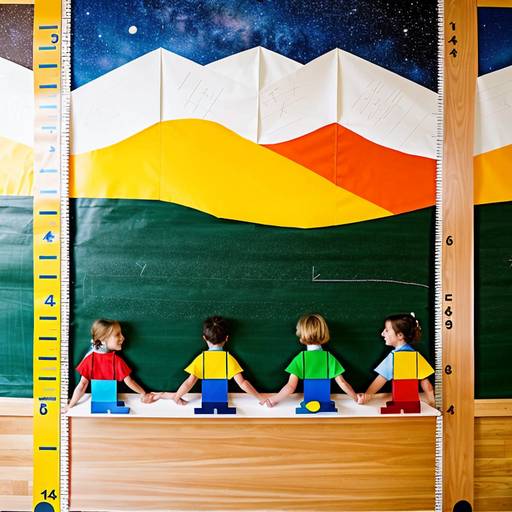
In this 2nd-grade math lesson, students will explore the concept of measurement and learn how to measure lengths using both standard and non-standard units, such as inches, centimeters, paper clips, and blocks. The lesson begins with a discussion to familiarize students with measurement vocabulary, followed by a demonstration of measuring classroom objects with a ruler. Students will then engage in guided practice in small groups, measuring different objects and recording their lengths. After presenting their findings to the class, students will complete a worksheet where they estimate and then measure various items. The lesson concludes with a review of key concepts and an assessment through collected worksheets and observation of group activities. Adaptations are provided to support different learner needs. This interactive approach encourages hands-on exploration and real-world connections to measurement.
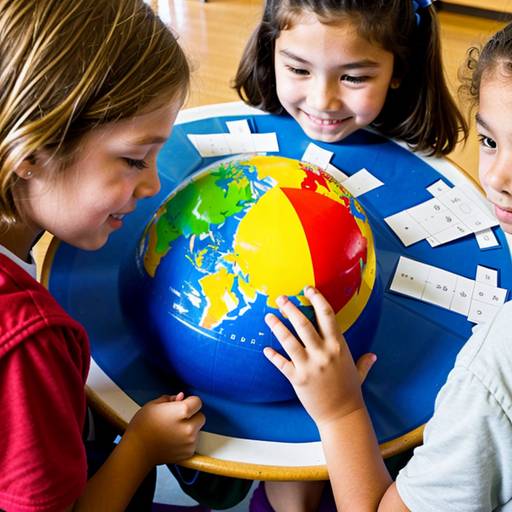
In this 2nd grade math lesson focused on measurement and length, students will explore the concepts of measuring objects using both standard and non-standard units. The lesson begins with a discussion to engage students and elicit their previous experiences with measurement. Key terms such as length, measure, and units will be introduced.
Through direct instruction, students will learn how to use rulers and measuring tapes correctly, and will understand the significance of measuring accurately. They will observe demonstrations of measuring various classroom objects and see visual examples of both standard and non-standard measurements.
Students will then engage in partner work to measure designated objects in the classroom, recording their results on worksheets and comparing the two types of measurement. Following this, they will participate in a scavenger hunt where they will measure specific items around the classroom or school, documenting their measurements and presenting their findings on a chart.
The lesson concludes with students sharing their discoveries and reflecting on the importance of accurate measurement in real-life situations. Assessment will be based on observation during activities and evaluation of their measurement worksheets, with opportunities for extension and modifications tailored to individual learning needs.
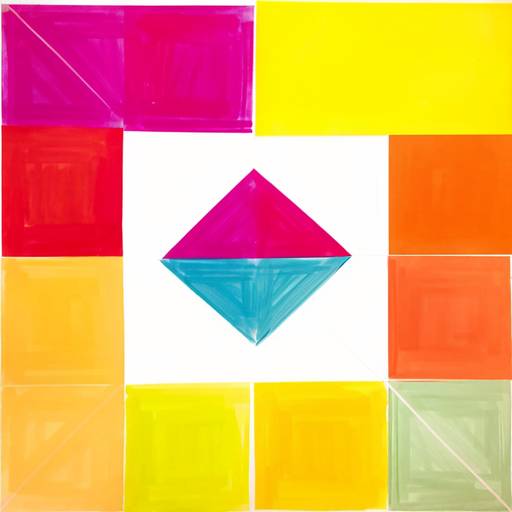
In this 2nd-grade math lesson, students will explore the concepts of geometry, specifically focusing on different types of lines and shapes. The lesson begins with a discussion about geometry and its presence in everyday life, followed by a review of straight, curved, and zigzag lines alongside basic shapes such as triangles, squares, rectangles, and circles.
Students will engage in guided practice by creating their own lines and transforming them into shapes, allowing for peer interaction and discussion. In an independent practice activity, they will cut out various shapes from colored paper and arrange them into a collage, reinforcing their understanding of the topic.
The lesson culminates in a fun game of Shape Bingo, promoting engagement and reinforcing knowledge through a playful format. Throughout the lesson, students’ understanding will be assessed through observation and evaluation of their collages and participation in the bingo game. Optional extension activities include a nature walk to identify real-world examples of lines and shapes and an introduction to symmetry, further enhancing their geometry skills.
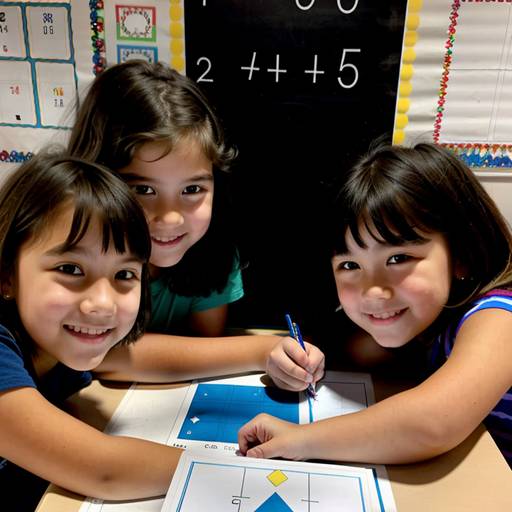
This 2nd-grade math lesson focuses on teaching students addition and regrouping using engaging, hands-on activities. Students will learn to add two-digit numbers both with and without regrouping, enhancing their understanding of place value. The lesson begins by capturing students' interest through a treasure hunt theme, followed by an introduction to regrouping with a visual example.
In direct instruction, students work with base ten blocks to concretely represent numbers and solve addition problems. Guided practice involves collaborative problem-solving as pairs tackle a new addition problem together, promoting communication and critical thinking. Following this, students complete a worksheet featuring a variety of addition problems to demonstrate their understanding independently.
The lesson concludes with a review of answers, encouraging students to share their methods, followed by a fun math game that reinforces their skills in a collaborative setting. Throughout the lesson, assessment is conducted through observation and worksheet evaluation, with differentiation strategies provided to support diverse learners. Extensions incorporate creative writing, allowing students to design their own addition story problems. Overall, the lesson aims to improve addition skills while maintaining an exciting and interactive learning environment.
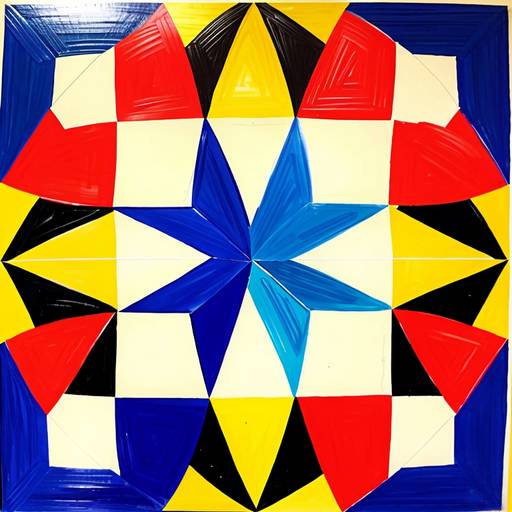
This 2nd-grade math lesson focuses on introducing students to basic geometric shapes and the concept of symmetry. The lesson begins with an engaging discussion about shapes and symmetry in the classroom, followed by a review of common geometric shapes and their attributes. Students will learn about lines of symmetry through direct instruction and visual examples.
During guided practice, they will create their own symmetrical shapes using colored paper and scissors, and explore their creations using mirrors to understand reflection. The lesson also includes an independent art project where students design symmetrical patterns, which they will display in class.
Throughout the lesson, students will be assessed through observation and an exit ticket, where they will draw both symmetrical and asymmetrical shapes to demonstrate their understanding. The lesson incorporates various activities to ensure engagement, differentiation for diverse learners, and extensions to connect geometry with other subjects. Overall, this lesson aims to make learning about geometry and symmetry interactive and enjoyable for the students.
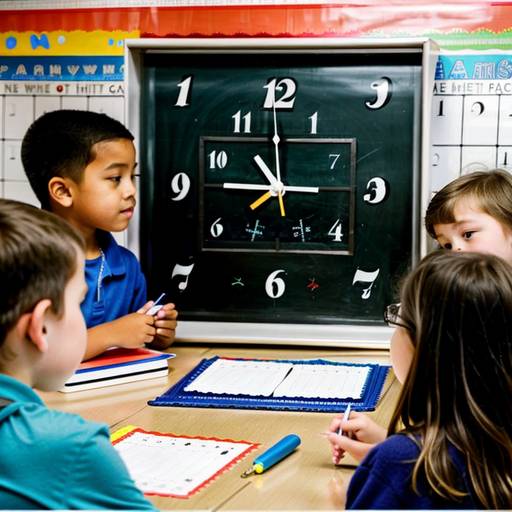
In this 1-hour math lesson for 2nd graders, students will learn to tell time using an analog clock. The lesson begins with an introduction to the components of the clock, including the hour and minute hands and the concepts of AM and PM. Following a demonstration on how to read time to the nearest hour and half-hour, students will practice using paper clocks to set the time as called out by the teacher. They will then work in pairs to quiz each other, reinforcing their understanding. Afterward, students will complete worksheets that include various time-telling exercises to assess their grasp of the material. The lesson concludes with a review of key concepts and a group discussion. Optional storytelling may be included to further illustrate the importance of time in daily life. Extensions such as creating personal paper clocks will allow for continued practice at home. Accommodations will be made for students who need additional support, ensuring an inclusive learning environment.
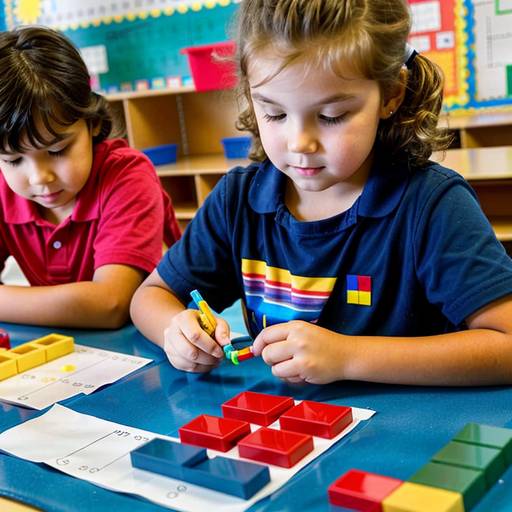
In this 1-hour math lesson for 2nd-grade students, the focus is on teaching addition through hands-on manipulatives. The session begins with an introduction to addition, emphasizing the benefits of using physical objects to visualize mathematical concepts. The teacher demonstrates a simple addition problem using counting cubes, allowing students to see how the numbers come together.
Students are then divided into small groups and given number cards featuring various addition problems. They work collaboratively to solve these problems by representing them with their manipulatives, counting the cubes, and recording their findings in their journals. Following this guided practice, students tackle an independent worksheet that includes visual aids and different addition problems, applying what they've learned.
The lesson concludes with a class discussion where students share their problem-solving experiences and reflect on the advantages of using manipulatives to understand addition better. Throughout the lesson, the teacher assesses student understanding through observations and reviews of completed worksheets and journal entries. Differentiation strategies are incorporated to ensure that all learners have the support they need to succeed.
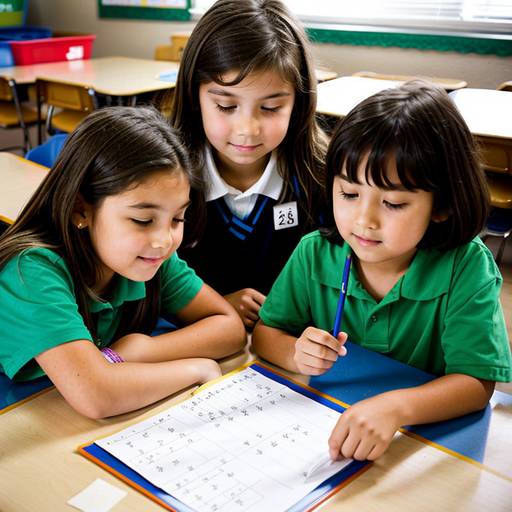
In this 2nd grade math lesson, students will explore multiplication through the context of word problems. The objective is to help students develop the ability to solve multiplication problems by understanding their real-life applications. The lesson begins with a brief review of multiplication basics, using flashcards to engage students and encourage them to work with partners.
The teacher will model how to approach word problems by breaking down a sample scenario, guiding students to identify key numbers, operations, and the steps needed to find the solution. This direct instruction phase includes several examples that students will solve together.
Next, students will participate in a team activity where they work in small groups to solve multiplication word problems presented in "Math Mystery" envelopes. They will document their answers and processes, fostering collaboration and communication.
For independent practice, students will complete a worksheet containing various multiplication word problems, applying the strategies discussed during the lesson. The class will conclude with a sharing session, allowing students to present their solutions and problem-solving methods, reinforcing the importance of understanding context in mathematics.
Assessment will be based on observational feedback during group activities and a review of the individual worksheets. The lesson will include extensions for advanced learners and modifications for those needing additional support, ensuring all students can engage meaningfully with the content. Reflection on the lesson's effectiveness will help guide future instruction.
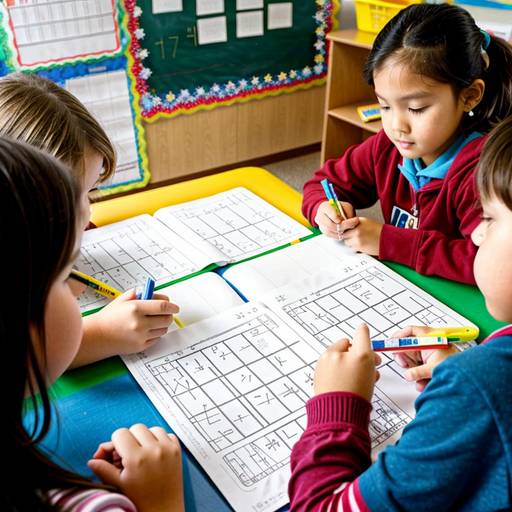
This lesson plan focuses on promoting understanding of multiplication through word problems for 2nd-grade students. The session begins with a review of addition and introduces multiplication as repeated addition, emphasizing its notation and meaning. Students engage in guided practice by solving a sample word problem collectively, followed by group activities where they work together to act out, draw, or use counters to solve different multiplication word problems. Independent practice is then provided through worksheets featuring various word problems, allowing students to demonstrate their understanding individually. The lesson concludes with a review of key concepts, encouraging students to share their strategies and solutions, while assessing their comprehension through observations and worksheet evaluations. Differentiation strategies are included to support varying levels of student understanding.