
Filters
Level
Grade
Subject
Subject Area
Subject Topic
Standard(s)
Audience
Keyword
DurationMinutes
2nd Grade Math Lesson Plans

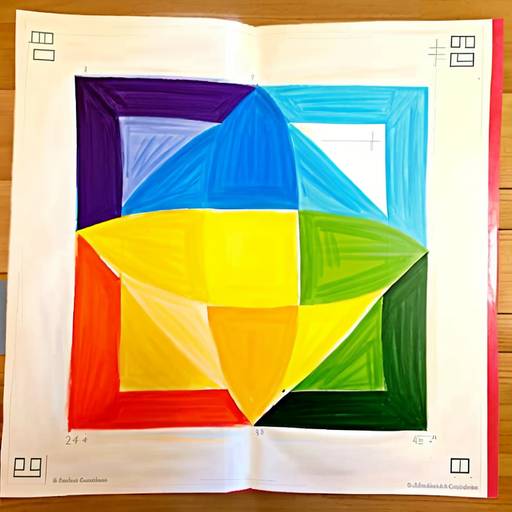
This 2nd-grade math lesson plan focuses on introducing students to basic geometric shapes, including circles, squares, triangles, rectangles, ovals, and pentagons. The objectives include helping students to identify and name these shapes, understand their properties (such as the number of sides and angles), and explore their presence in everyday life.
The lesson begins with a discussion about shapes found in the classroom, followed by direct instruction that features visual aids and real-world examples for each shape. Students then engage in guided practice by working in small groups to measure different shapes and classify them based on their attributes.
For the independent activity, students embark on a shape hunt around the classroom, recording their findings on a worksheet that encourages them to draw or identify items that match the shapes discussed. The lesson concludes with a sharing session and a brief reflection on the shapes observed.
Assessment is conducted through observation, group work participation, and reviewing worksheets. Extensions and adaptations are offered to ensure all students can engage effectively, such as creating collages from magazines or using technology for interactive learning. Overall, this lesson promotes hands-on exploration and collaborative learning in geometry.
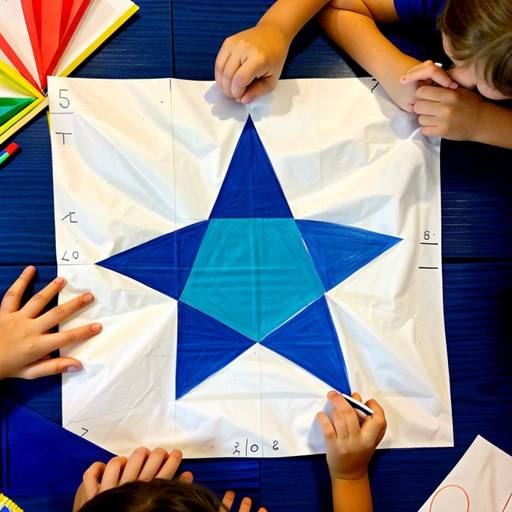
In this 2nd-grade math lesson focused on geometry and patterns, students will explore basic geometric shapes, such as circles, squares, triangles, and rectangles, and their properties. The lesson begins with an engaging discussion about shapes in the classroom and real life, followed by a demonstration of creating simple and complex patterns using those shapes.
Through a "Shape and Pattern Scavenger Hunt," students will work in pairs to identify shapes around their environment, reinforcing their recognition skills. Once they regroup, they will create their own patterns using shape cut-outs on construction paper and describe these patterns to their classmates.
The lesson incorporates hands-on activities to enhance understanding, encourage creativity, and build spatial awareness. Assessment will be based on observation during the scavenger hunt, evaluation of the pattern creations, and a group discussion that allows students to share their learning experiences. Extensions may include introducing advanced concepts of area and perimeter for those who progress quickly. Overall, the lesson promotes an interactive and enjoyable exploration of geometry and patterns within students' surroundings.
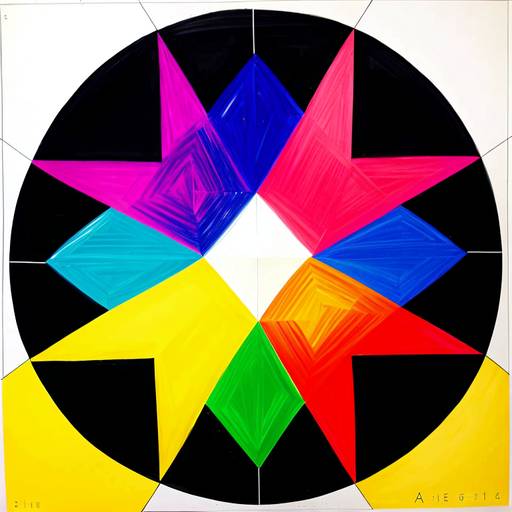
In this 60-minute math lesson for 2nd graders, students will explore fundamental concepts in geometry, focusing on identifying and classifying basic 2D and 3D shapes such as circles, triangles, squares, rectangles, cubes, spheres, cylinders, and pyramids.
The lesson begins with an engaging discussion where students share the shapes they see around them, followed by an introduction to the properties of different shapes. An interactive activity encourages students to physically form shapes with their bodies, reinforcing their understanding through movement.
Following this, students participate in a shape scavenger hunt, searching for items in their environment that match specific shapes, and then share their findings with the class. After the scavenger hunt, students create a shape collage by sorting and labeling shapes cut from construction paper, allowing for both creativity and practical application of their learning.
The lesson concludes with a review discussion, where students reflect on what they've learned. Assessments include observation during activities, evaluation of the shape collages, and responses during the discussion to ensure understanding. Adaptations are provided for both students needing additional support and those seeking more advanced challenges. Overall, the lesson promotes active engagement and reinforces geometric concepts in a fun and collaborative manner.
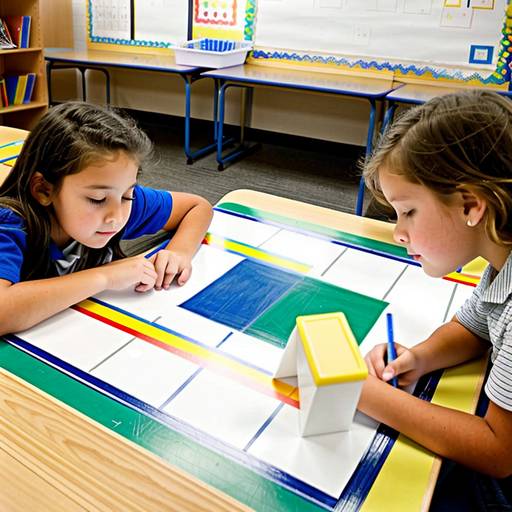
In this 2nd-grade math lesson, students will explore the concepts of geometry and lines through engaging activities. The lesson begins with a discussion on geometry and a brief introduction to different types of lines, including straight, curved, and zig-zag lines. Students will examine various geometric shapes, identifying their properties, and learning how lines form these shapes.
During guided practice, students will create geometric collages using construction paper, drawing multiple shapes and incorporating different lines to convey motion. Following this, a "Shape Scavenger Hunt" will involve students working in pairs to find and sketch geometric shapes and lines within the classroom environment.
The lesson concludes with a sharing session, allowing students to present their findings and collages. Assessment will include observations during activities and the collection of collages and scavenger hunts to evaluate understanding. Extensions are provided for students who finish early, encouraging further exploration of geometry through 3D shapes. Accommodations are also in place to support learners who may need additional assistance. Overall, this lesson promotes hands-on learning, teamwork, and creativity in understanding geometric concepts.
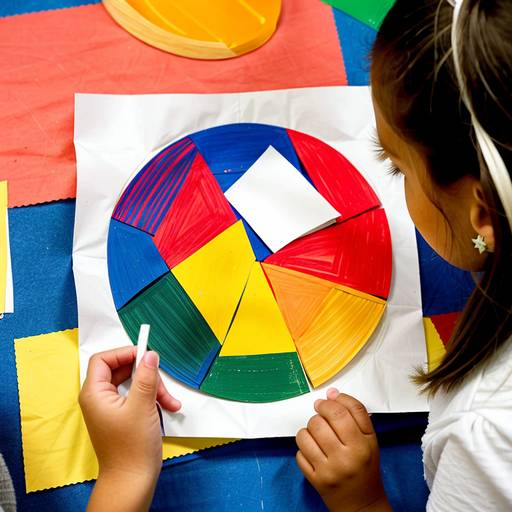
In this 2nd-grade math lesson, students will explore geometric shapes and patterns through interactive activities. The lesson begins with a review of basic shapes, where students identify and name various geometric figures using flashcards and real-life examples. Following this, the concept of patterns is introduced, showcasing different sequences through visuals and claps.
Students then engage in a guided practice by working in pairs to create and share their unique shape patterns using colorful construction paper. This collaborative effort leads into a hands-on activity where small groups cut out shapes to build a "shape city" on a poster board, incorporating patterns in their designs.
The lesson concludes with group presentations, allowing students to showcase their creations and discuss the patterns they implemented. Assessment occurs through observation during the activities and an exit ticket task, ensuring students reflect on their understanding of shapes and patterns. Extensions are provided for advanced learners to deepen their engagement with the material. Overall, this lesson combines hands-on learning with creativity and teamwork to reinforce essential geometry concepts.
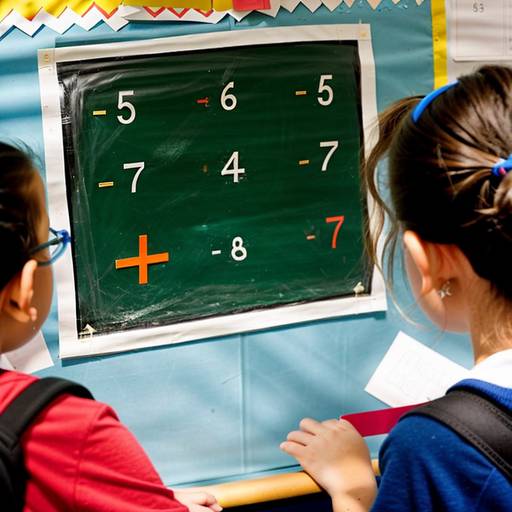
This 2nd-grade math lesson focuses on introducing and practicing the concept of subtraction. The lesson starts with a review of addition and transitions into subtraction, emphasizing it as taking away. Students will engage with manipulatives to visualize and solve simple subtraction problems involving numbers up to 20.
The lesson includes guided practice where students use manipulatives to work through subtraction problems together, followed by an independent practice session with worksheets that incorporate both visual aids and numeric problems.
To make the learning fun and interactive, students will participate in a treasure hunt where they find hidden treasures and solve subtraction problems written on each bag of treasure. This hands-on activity reinforces their understanding of subtraction in a real-world context.
The session concludes with a group discussion to reflect on what they learned, allowing them to share their experiences and strategies. Assessment will be conducted through observations during activities and the accuracy of their worksheet completion, with accommodations provided to meet diverse student needs and extensions suggested for further enrichment.
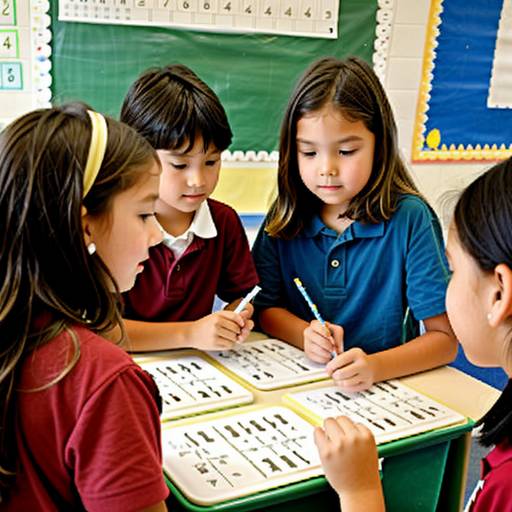
In this 2nd-grade math lesson, students will explore the concept of subtraction through engaging discussions, visual aids, and hands-on activities. The objective is for students to understand and perform basic subtraction problems confidently. The lesson begins with an introduction to subtraction using animal imagery on the whiteboard, followed by guided practice using flashcards that encourage students to solve subtraction problems collaboratively.
Next, in pairs, students participate in a game using counting bears or plastic animal figures, where they verbalize and work through subtraction problems by removing figures and counting how many remain. This interactive segment promotes teamwork and reinforces their understanding of taking away.
Afterward, students will complete themed worksheets that have various subtraction problems related to animals, allowing them to practice individually while coloring the animals for added engagement. The lesson concludes with a group discussion where students share their learning experiences and reflect on the importance of subtraction in everyday life.
Throughout the lesson, teachers will assess student participation and understanding through observation and by reviewing completed worksheets. Extensions are provided for students who master the material quickly, as well as additional support for those requiring help. Overall, the lesson effectively combines learning with play to reinforce the fundamental concept of subtraction.
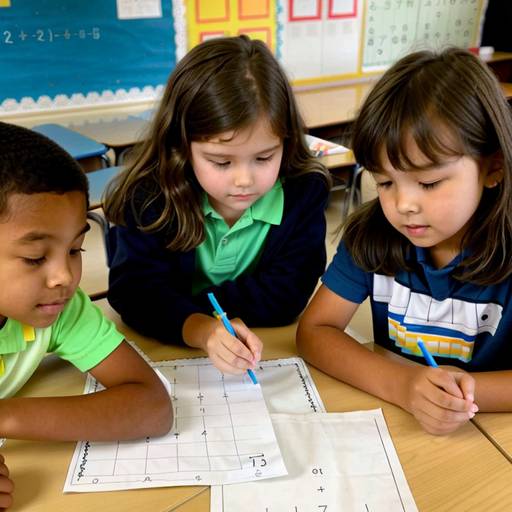
In this 2nd grade math lesson, students will focus on the concept of subtraction through a variety of engaging activities. The session begins with a warm-up review of subtraction using real-life examples, followed by the introduction of the day's objectives. Students will participate in a flashcard challenge in pairs, solving and verifying subtraction problems, and utilize manipulatives to visualize the subtraction process.
After guided practice, students will complete a subtraction worksheet independently to reinforce their skills. The lesson also includes a fun group activity where students play a bingo game, solving subtraction problems called out by the teacher, which encourages quick thinking and engagement.
The lesson concludes with a review of the bingo problems and a reflection on new concepts learned. Throughout the lesson, the teacher will monitor student understanding and provide support where needed, ensuring that all students grasp the essentials of subtraction. Opportunities for extension and additional support will also be highlighted to accommodate varying levels of understanding within the classroom.
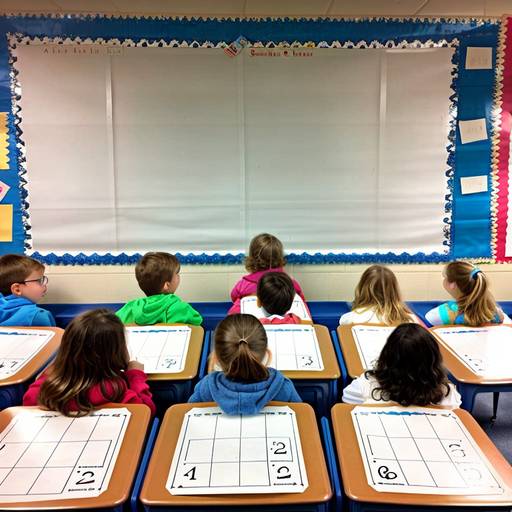
This 2nd-grade math lesson focuses on teaching students the concept of subtraction through engaging activities and hands-on experiences. The lesson begins with a warm-up discussion that relates subtraction to real-life situations, followed by a demonstration using manipulatives. Students participate in group activities to solve subtraction problems collaboratively, fostering teamwork and communication. Flashcards are employed for quick recall practice, adding an element of fun through competition.
For independent practice, students complete worksheets featuring a variety of subtraction problems, including word problems and visual aids like number lines. The lesson concludes with a review where students share their learning experiences, and those who actively participated are awarded stickers, reinforcing positive behavior. Assessment is conducted through observation and worksheet evaluation, ensuring students grasp the subtraction concept. Adaptations are included to support both advanced learners and those struggling, with additional resources and extensions for further practice at home. Overall, this lesson aims to build a strong foundation in subtraction while creating an enjoyable learning environment.
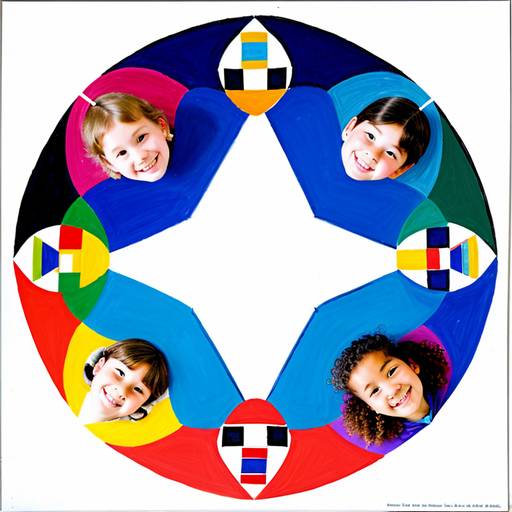
In this 60-minute lesson plan designed for 2nd-grade students, the focus is on introducing and exploring the concepts of symmetry and geometric shapes. The lesson begins with an engaging discussion to assess prior knowledge, followed by a clear explanation of symmetry and its applications in various shapes. Students will participate in guided activities, where they will identify and draw lines of symmetry on provided cut-outs, encouraging teamwork and collaboration.
As part of the independent practice, each student will create their own symmetrical design on paper, showcasing their creativity while applying their understanding of symmetry. The lesson concludes with a review of key concepts and an exit ticket activity that assesses individual comprehension through a drawing exercise.
Throughout the lesson, opportunities for differentiation and extensions are included to cater to varying student needs and abilities. The integration of art with math makes the learning experience engaging and interactive, helping students grasp the concept of symmetry in a meaningful way.