
Filters
Level
Grade
Subject
Subject Area
Subject Topic
Standard(s)
Audience
Keyword
DurationMinutes
2nd Grade Math Lesson Plans

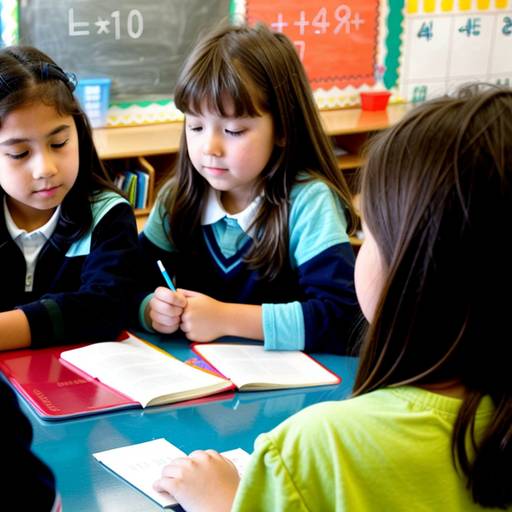
This lesson plan focuses on teaching 2nd-grade students the concept of multiplication through engaging activities and real-life applications. The lesson begins with a warm-up review of addition, introducing multiplication as repeated addition. Students participate in a discussion about where they encounter multiplication in everyday life.
During direct instruction, the teacher models multiplication using manipulatives and illustrates how to solve word problems with multiplication. Students engage in a guided group activity to collaboratively solve multiplication and word problems using manipulatives, fostering discussion and problem-solving strategies.
Afterward, students complete an independent worksheet that includes various multiplication word problems, allowing them to apply their understanding. The lesson concludes with a review where a few students share their answers and reasoning. Throughout the lesson, the teacher assesses understanding through observation and worksheet completion, planning for differentiated support as necessary. The overall goal is to enhance students' comprehension of multiplication while connecting it to real-world scenarios.
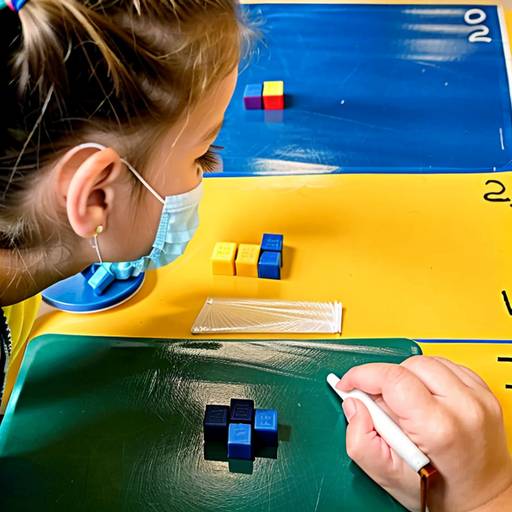
This lesson plan focuses on teaching 2nd-grade students the concept of multiplication through the use of arrays. The lesson begins with a hands-on activity involving counting and grouping objects to illustrate how multiplication relates to repeated addition. Students are introduced to arrays as a way to visually represent multiplication problems, demonstrating how rows and columns correlate with the factors involved.
During direct instruction, the teacher explains multiplication with a specific example, encouraging students to visualize the relationship between numbers. Guided practice allows students to draw arrays on grid paper based on verbal multiplication problems, reinforcing their understanding of the concept. Independent practice follows, where students complete worksheets that require them to solve multiplication problems and represent them with arrays.
The lesson concludes with a closure session where students share their work and reflect on what they have learned, solidifying their understanding of how arrays help visualize multiplication. Assessment includes reviewing the completed worksheets for comprehension and monitoring student engagement throughout the lesson. Extensions are suggested for advanced learners to explore area concepts using arrays.
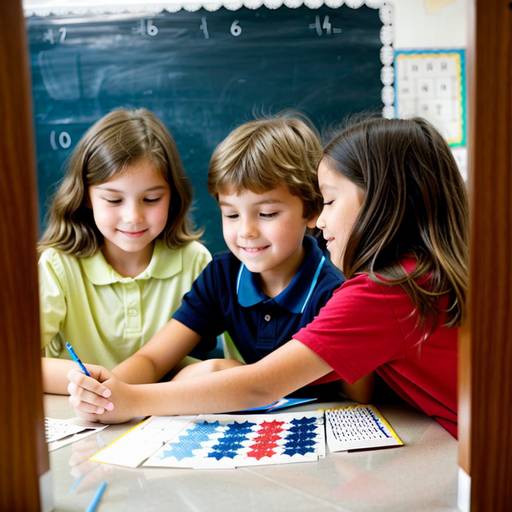
In this 1-hour math lesson designed for 2nd-grade students, the focus is on understanding multiplication through the lens of repeated addition and recognizing patterns formed by multiplication facts. The lesson begins with a review of addition and an introduction to basic multiplication facts (up to 5) using visual aids such as drawings of groups of objects.
Students participate in guided practice by working in small groups to create patterns using blocks based on assigned multiplication facts. They then share their creations with the class, fostering understanding through collaboration. Independent practice involves completing a worksheet that includes multiplication problems and pattern identification.
In the closure, students reflect on their learning and share insights about multiplication and patterns. The lesson includes differentiated strategies to support varying skill levels and offers a homework assignment that encourages further exploration of multiplication patterns using everyday objects. Overall, this engaging and interactive approach aims to reinforce students' understanding of multiplication and the patterns it creates.
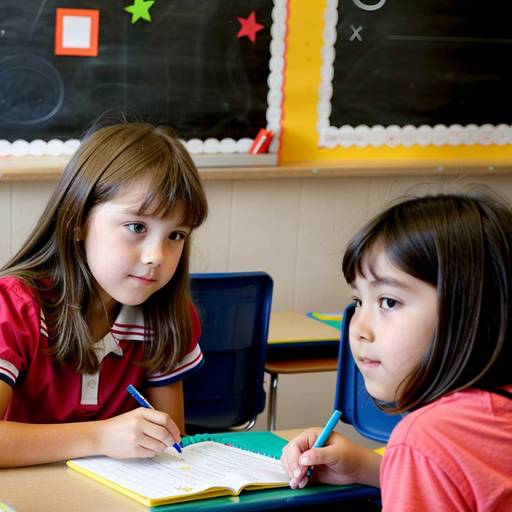
This 60-minute math lesson for 2nd graders focuses on teaching multiplication through the exploration of patterns. Students will begin by reviewing multiplication as repeated addition and will identify patterns in multiplication tables. The lesson will include hands-on activities, where students will work in groups to create and present their own multiplication patterns using manipulatives like pattern blocks or colored paper shapes. Guided practice will reinforce their understanding through worksheets that combine multiplication problems with pattern recognition tasks. The lesson concludes with a review of key concepts and encourages students to share their discoveries. Assessment will include observing student participation and evaluating their worksheets and presentations. Accommodations and extensions will be available to support diverse learners and deepen understanding of the topic.
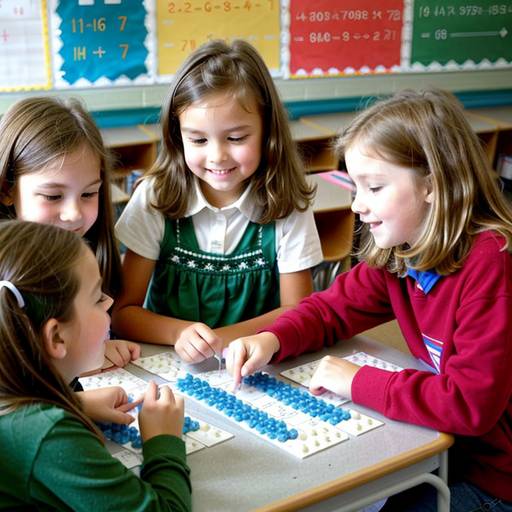
In this 2nd-grade math lesson, students will explore the concept of multiplication as repeated addition while also identifying and creating patterns. The lesson begins with a discussion on what multiplication means, using real-life examples to connect with students. Visual representations of groups will illustrate the idea of repeated addition.
Next, the teacher will introduce the multiplication symbol and demonstrate simple multiplication patterns, such as the 2s or 5s, using skip counting. Students will then participate in small group activities using pattern blocks or counters to create their own multiplication patterns, sharing their work with the class.
For independent practice, students will complete worksheets featuring various multiplication problems and a section for creating multiplication patterns. The teacher will monitor progress and provide support as needed. The lesson wraps up with a recap of key concepts, allowing a few students to share their insights and rewarding participation with stickers.
Assessment will involve observing student engagement and reviewing completed worksheets to gauge understanding. Differentiation strategies will be implemented to support both advanced learners and those who may struggle with the material. As a homework assignment, students will be encouraged to create a multiplication pattern at home using everyday objects to further reinforce their learning.
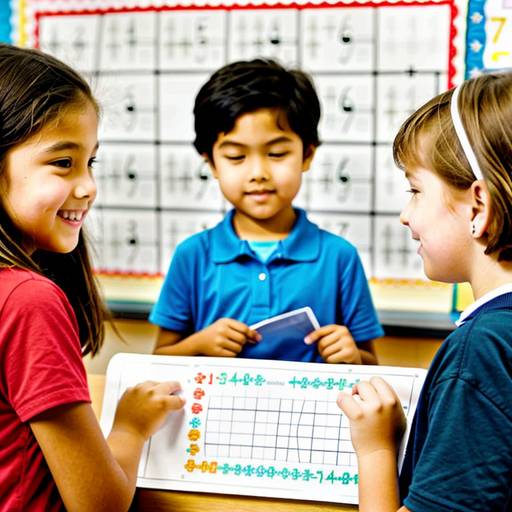
In this 2nd-grade math lesson, students will explore addition using a number line as a visual and practical tool. The lesson begins with a brief review of addition concepts, followed by a demonstration of how to use a number line to solve an addition problem. Students will participate in guided practice by solving example problems together, utilizing their own individual number lines. After that, they will engage in independent practice by completing worksheets that involve various addition problems, reinforcing their understanding of the concept. To conclude the lesson, students will share their answers and methods with the class, allowing for discussion and reinforcement of the importance of the number line in addition. Continuous assessment will be conducted through observation and worksheet evaluation, with accommodations provided for differing learning needs. Extensions include introducing two-digit addition or using technology to further enhance understanding.
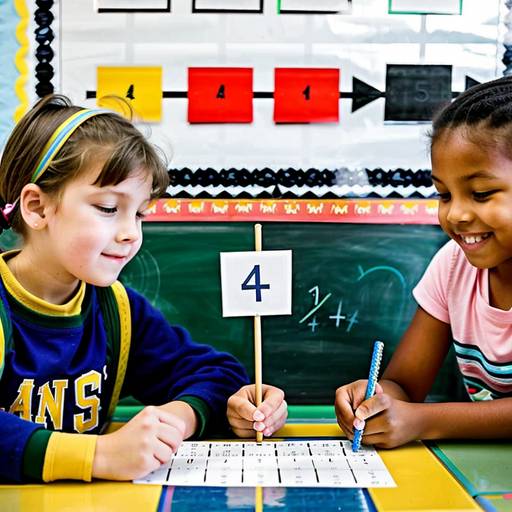
In this 2nd-grade math lesson, students will explore the concept of addition using a number line. The lesson begins with a review of addition basics, followed by a demonstration illustrating how to use the number line to add numbers by hopping forward. Students will then participate in guided practice, where they work in pairs to solve addition problems on the number line, allowing them to actively engage with the material. Afterward, they will complete independent worksheets featuring several addition problems that encourage them to use the number line for finding sums. The lesson concludes with students sharing their favorite problems and discussing how the number line helped them understand addition better. Assessment will be conducted through observation and collection of worksheets, and adaptations will be made to support varied learning needs, including extensions for advanced students. Overall, the lesson aims to make addition interactive, fostering both understanding and enjoyment among the students.
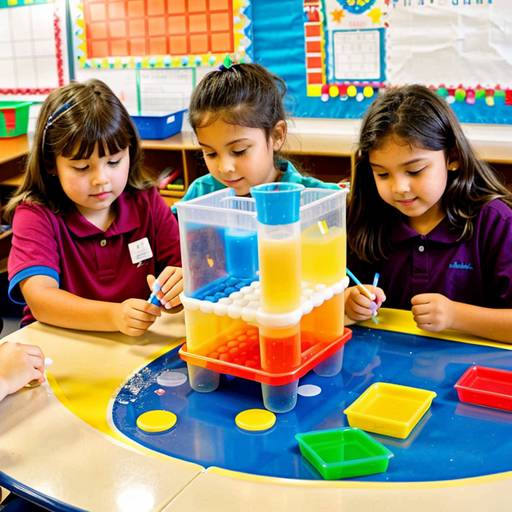
In this engaging 2nd-grade math lesson focused on measurement and volume, students will explore the concept of volume through hands-on activities and discussions. The lesson begins with an introduction to key vocabulary, such as volume and capacity, prompting students to share their understanding and examples.
Students will work in small groups, using a variety of containers to measure their capacity with standard units like measuring cups, estimating first before measuring the actual volume of each container. They will record their findings on worksheets to compare their estimates with their measurements.
Following the measurement activity, the class will regroup to share their results, facilitating a discussion about their discoveries. A fun "Pouring Race" activity will challenge students to transfer liquid between containers to see if one fits within another, reinforcing their understanding of volume through practical application and teamwork.
The lesson concludes with a reflection on what they learned, encouraging students to think about real-life applications of volume. Assessment will be based on observation, group participation, and the worksheets completed during the activities. Opportunities for extension and adaptations will be provided to accommodate different learning needs, ensuring an inclusive and comprehensive exploration of measurement and volume concepts.
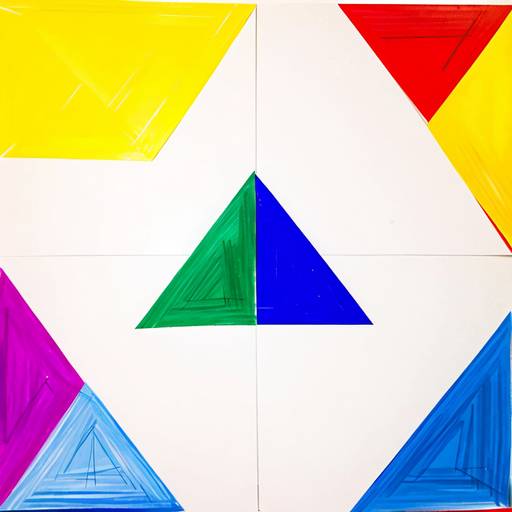
In this engaging math lesson for 2nd graders, students will explore the world of geometry and symmetry through hands-on activities and creative tasks. The lesson begins with a discussion about various 2D shapes, including circles, squares, triangles, and rectangles, and introduces the concept of symmetry. Students will learn to identify symmetrical shapes using mirrors or by folding templates.
During guided practice, they will work in pairs to explore and discuss which shapes exhibit symmetry. Following this, students will have the opportunity to create their own symmetrical designs on graph paper using colored pencils. They will share their designs with the class, reinforcing their understanding of symmetry and the properties of shapes.
The lesson includes both independent and collaborative activities, catering to diverse learning needs and encouraging creativity while solidifying foundational geometry concepts. Assessment will be conducted through observation of participation, review of worksheets, and evaluation of the students' designs. Extensions and modifications are also provided to support differentiated learning.
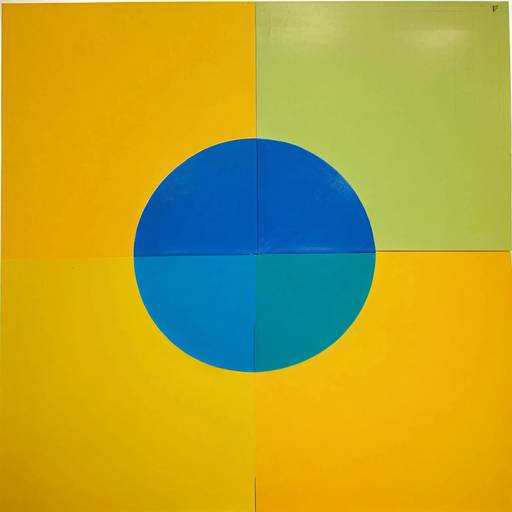
In this 2nd grade math lesson, students will explore geometry by identifying and describing various 2D and 3D shapes. The lesson begins with an engaging discussion about shapes found in their environment, followed by a shape scavenger hunt around the classroom or school to help reinforce their understanding. After sharing their findings, students will create a collage using shape cutouts, labeling each shape in their artwork. The class will conclude with presentations of their collages, allowing for a review of the shapes learned. Assessment will include observations during activities and a short quiz on shapes in a subsequent lesson, while extensions may involve advanced concepts or the integration of technology and literature. Overall, this lesson focuses on hands-on learning, creativity, and collaboration to enhance students’ knowledge of geometry.