
Filters
Level
Grade
Subject
Subject Area
Subject Topic
Standard(s)
Audience
Keyword
DurationMinutes
2nd Grade Math Lesson Plans

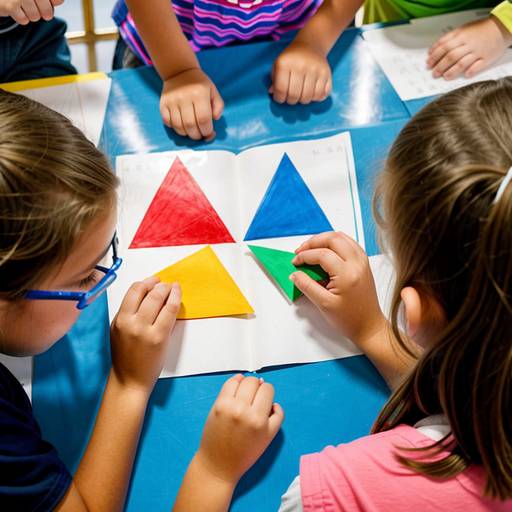
In this 1-hour math lesson for 2nd graders, students will explore geometric shapes and patterns through interactive activities. The session begins with a discussion about common shapes, where students identify and describe characteristics of circles, squares, triangles, and rectangles. They will then work in small groups to sort shapes by different attributes, encouraging collaboration and communication.
Following the sorting activity, students will create their own patterns using pattern blocks or shape tiles, allowing them to experiment with colors and combinations. The lesson will introduce symmetry through a hands-on folding and cutting activity, where students will create symmetrical designs using colored paper.
To conclude, students will share their patterns and symmetry projects, reinforcing their understanding of shapes and real-world applications. Assessment will be based on participation, the creativity of patterns, and the accuracy of symmetrical designs. Extensions will be available for advanced learners, while modifications will support those needing additional assistance, ensuring inclusivity and engagement for all students.
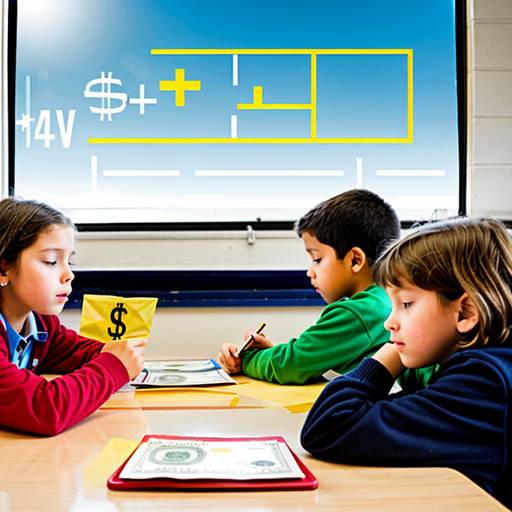
In this engaging 60-minute math lesson for 2nd graders, students will explore the fundamentals of money, specifically focusing on identifying and valuing different coins. The lesson begins with a discussion about the role of money in everyday life and an introduction to the various types of coins—pennies, nickels, dimes, and quarters. Through interactive activities, students will categorize and total real or play coins in small groups, reinforcing their understanding of coin values.
Following this, they will complete worksheets featuring simple addition problems involving coins, allowing them to apply their knowledge in a structured format. The hands-on component of the lesson will involve a classroom store setup where students can use play money to "purchase" items, further practicing counting and making financial transactions.
The lesson concludes with a reflection session that provides students an opportunity to share what they learned, along with an exit ticket task that reinforces their understanding. Throughout the lesson, the teacher will assess student engagement and comprehension, providing support as needed and offering differentiated activities for varying skill levels. This comprehensive approach ensures that students not only grasp the concept of money but also gain practical skills in handling it.
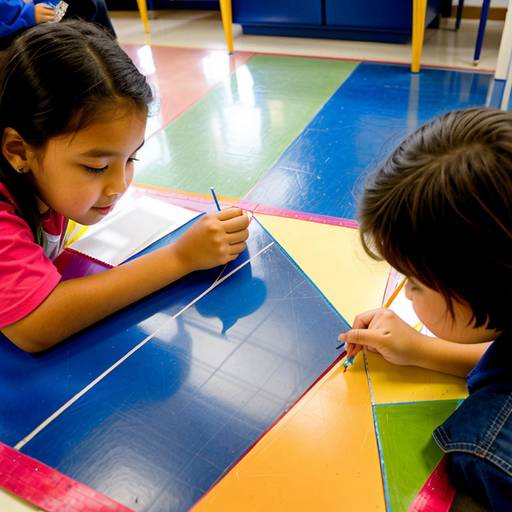
In this 2nd-grade math lesson, students will explore the concepts of geometry and lines through interactive activities and creative expression. The lesson begins with a discussion on various types of lines, including straight, curved, horizontal, vertical, and diagonal, accompanied by visual examples. Students will then engage in a fun game to identify geometric shapes, such as squares, rectangles, triangles, and circles, by observing their characteristics.
Following this, the class will participate in a scavenger hunt, during which students will search for and document different types of lines and shapes found in their environment. The lesson culminates in an art activity where students create their own artwork using the lines and shapes they have learned about, encouraging creativity and application of their understanding.
Students will share their artwork with the class and reflect on their learning, discussing the importance of lines and shapes in everyday life. Assessment will take place through observation during activities, review of the completed artwork, and a quick exit ticket to reinforce the concepts covered. The lesson is designed to be engaging, allowing for differentiation to support varying levels of student understanding.
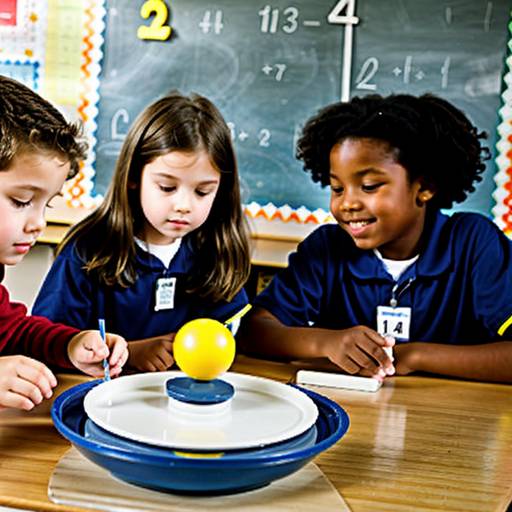
In this 2nd-grade math lesson, students will explore the concepts of measurement and weight using balance scales. The lesson begins with a discussion about weight, followed by an introduction to balance scales and how they work. Students will then engage in group activities where they estimate the weight of various classroom objects and record their predictions. Afterward, they will use the balance scale to measure the actual weight of these objects, noting the results on worksheets. The lesson culminates in a group discussion where students share their findings, reflect on their estimations, and learn about the importance of weight in everyday life. The lesson promotes hands-on learning, teamwork, and critical thinking as students compare and analyze the weights of different items. Assessment will focus on the accuracy of their measurements and participation during activities, with extensions available for students who grasp the content quickly.
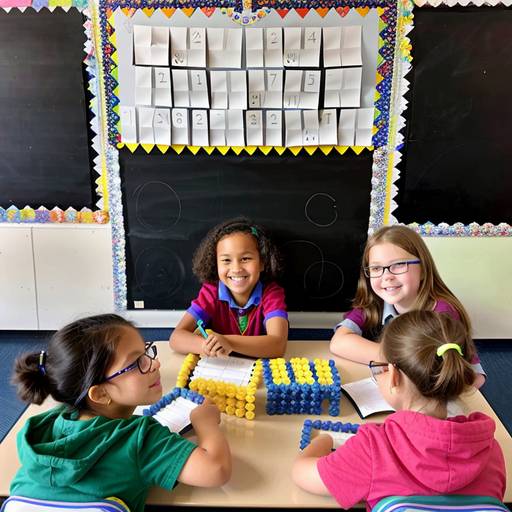
This 2nd-grade math lesson plan focuses on introducing students to the concept of fractions, specifically halves and quarters. The lesson begins with a discussion about fractions in real-life contexts, such as sharing food. Students are guided through direct instruction where they learn to identify and visualize fractions using drawings and examples. They then engage in hands-on activities, cutting paper plates to create and color representations of halves and quarters. Independent practice involves completing a worksheet that reinforces their understanding of the concepts taught. The lesson concludes with a class discussion where students share their learnings, ensuring that the material is both understood and relatable. Assessment is done through observation during activities and reviewing worksheets, and follow-up activities encourage students to explore fractions in their everyday lives. The entire lesson aims to make learning about fractions engaging and applicable.
In this 2nd-grade math lesson, students will explore the concepts of fractions, focusing on understanding halves (1/2) and quarters (1/4). The lesson begins with a discussion about fractions and includes engaging elements, such as a catchy song to capture students' interest. Using visual aids, students will learn how to divide shapes and objects into equal parts.
Hands-on activities will involve students cutting paper plates into halves and quarters, allowing them to see and label these fractions visually. Following this, they will complete worksheets that require them to color specific fractions of images, reinforcing their understanding through independent practice.
The lesson concludes with a class discussion to review key concepts and encourage students to share their creations. Assessment will be conducted through observation during activities, evaluation of worksheet completion, and an exit ticket to gauge comprehension of the material. Extensions and supports will be provided to cater to diverse learning needs within the classroom.
This 60-minute math lesson for 2nd-grade students focuses on introducing the concept of fractions as parts of a whole. The lesson begins with a discussion on fractions and their relevance in everyday life, followed by a demonstration using paper plates to visually represent fractions like 1/2, 1/3, and 1/4. Students engage in a hands-on activity where they cut their own plates into different fractions and decorate them, which they then share with a partner, explaining their creations.
During the independent practice segment, students complete worksheets that reinforce their understanding of identifying and creating fractions. The lesson concludes with a review, where students share what they learned. Assessment is conducted through observation of participation and collection of worksheets. Extensions and modifications are included to accommodate different skill levels, ensuring an inclusive learning environment. Overall, this lesson is designed to make fractions accessible and engaging for young learners.
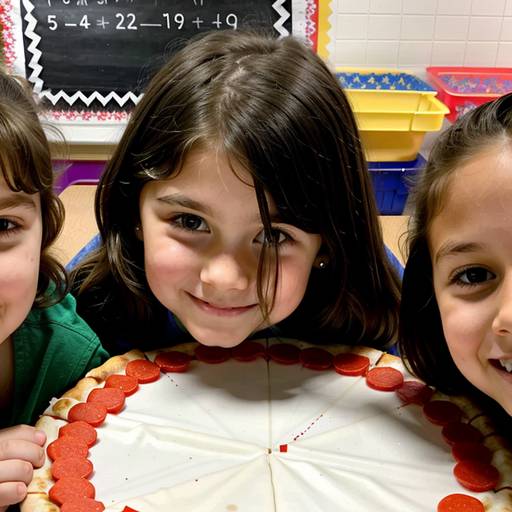
This lesson plan focuses on introducing 2nd-grade students to the concept of fractions as parts of a whole through an engaging, hands-on activity. The lesson begins with a discussion about sharing pizza, which serves as a relatable context for understanding fractions. Students learn vocabulary related to fractions, such as whole, half, quarter, and eighth, and practice dividing paper plates into these fractions.
During guided practice, students cut and label their plates to visually represent different fractions, reinforcing their understanding. Independent practice involves worksheets where students further explore fractions by dividing shapes and identifying shaded areas. The lesson concludes with a group discussion, allowing students to share their creations and apply their knowledge to real-life situations. Assessment is based on observation during activities and the accuracy of completed worksheets, with opportunities for differentiation provided for those who progress quickly. Overall, the plan fosters a practical understanding of fractions while encouraging creativity and collaboration among students.
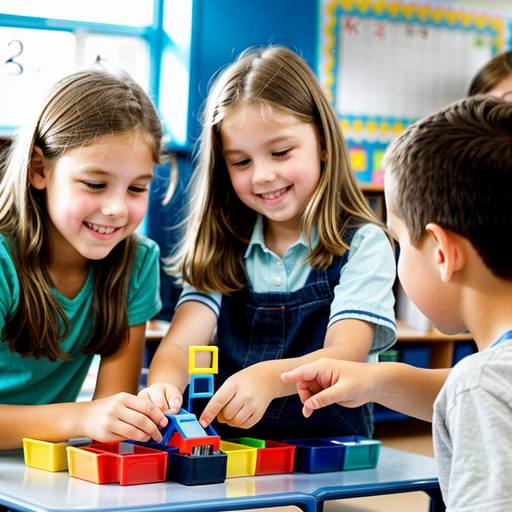
This 2nd-grade math lesson focuses on measurement and weight, aiming to provide students with a hands-on understanding of these concepts. Throughout the lesson, students will explore measuring lengths using both standard (rulers) and non-standard units, as well as weighing different objects with a balance scale. Initially, the teacher will introduce the topics and demonstrate techniques for measuring and weighing. Students will then engage in guided practice, working in small groups to measure and record the lengths and weights of various classroom objects. Following this, they will complete an independent practice activity, selecting their own items to measure and weigh. The lesson concludes with students sharing their findings, reinforcing the real-world applications of measurement and weight. Assessment will focus on students' recorded worksheets and their participation in group activities, allowing for differentiation based on individual learning needs. Extension activities encourage further exploration and collaboration, solidifying the skills learned in the lesson.
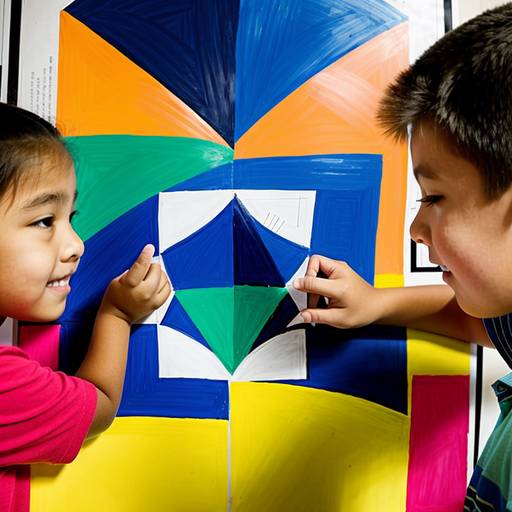
In this engaging 1-hour math lesson for 2nd graders, students will explore the world of basic geometric shapes and patterns. The lesson begins with a discussion about shapes, where students will identify and describe various 2D shapes such as circles, squares, triangles, and rectangles. They will work in small groups to sort these shapes based on characteristics like the number of sides and colors, enhancing their understanding of geometric properties.
Next, students will learn about patterns and how shapes can create them. They will have the opportunity to create their own shape patterns using cut-outs, allowing for creativity in color and arrangement. To reinforce their learning, students will participate in a shape scavenger hunt around the classroom or school, looking for real-life examples of the shapes discussed.
The lesson concludes with a recap of the shapes and patterns learned, along with reflective questions to encourage students to think about their surroundings. Assessment will occur through observation during group activities and by reviewing the completed scavenger hunt worksheets. Extensions are provided for students who need additional challenges, allowing for exploration of 3D shapes and more complex patterns. Overall, the lesson fosters collaboration and critical thinking while encouraging students to connect geometry and patterns to their daily lives.