
Filters
Level
Grade
Subject
Subject Area
Subject Topic
Standard(s)
Audience
Keyword
DurationMinutes
2nd Grade Lesson Plans
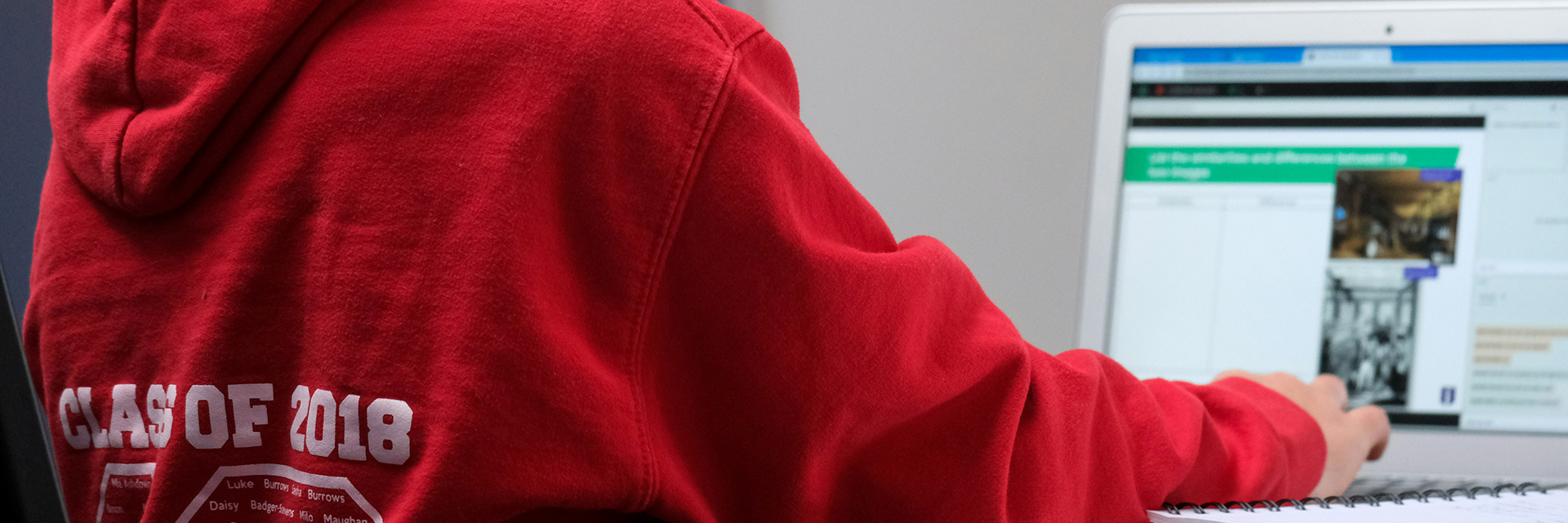

This second-grade technology lesson focuses on teaching students essential internet skills and safety. Over the course of one hour, students will explore what the internet is, learn to identify safe and unsafe online behaviors, and understand the significance of protecting personal information. The lesson includes a mix of direct instruction, engaging multimedia resources, and group activities where students create skits to demonstrate their understanding of online safety rules. Students will actively participate in discussions and collaborate with peers to reinforce their learning. The lesson concludes with a recap of key concepts and a brief assessment to gauge understanding, along with encouragement for students to share their newfound knowledge with their families. Adaptations are included to support diverse learning needs, ensuring an inclusive environment for all students.

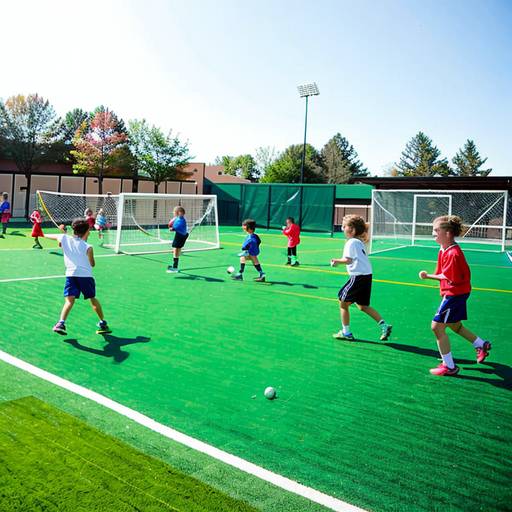
This 2nd Grade Physical Education lesson plan focuses on introducing students to the fundamentals of soccer through engaging activities. The class begins with a warm-up that includes dynamic stretching and a dribbling exercise around cones to develop ball control. Students will practice essential skills, such as passing and shooting, in small groups, allowing them to work on accuracy and technique. The lesson then transitions into a mini soccer match, where students can apply what they've learned while participating in a cooperative team environment. To conclude, a cool-down period with gentle stretches helps students recover, followed by a reflection session that encourages them to share their favorite aspects of the lesson and identify skills they wish to improve. Overall, the lesson aims to foster teamwork, physical fitness, and a foundational understanding of soccer.

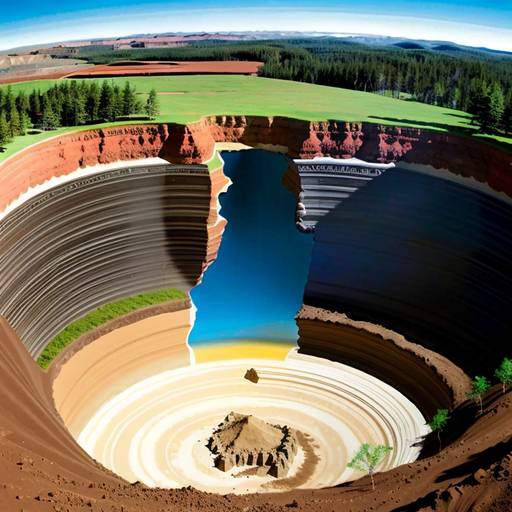
In this 2nd-grade Earth Science lesson focused on soil, students will explore the layers and composition of soil while understanding its importance in the ecosystem. The lesson begins with an engaging discussion to spark curiosity about soil, followed by a presentation explaining the different soil layers: topsoil, subsoil, and bedrock.
Students will work in small groups to examine soil samples using magnifying glasses and recreate the soil layers in clear containers. They will observe textures, colors, and various particles within the soil. After the hands-on activity, students will express their findings creatively by drawing and labeling what they discovered, along with writing a sentence about soil’s significance.
The session concludes with a class discussion where students share their observations and reflections. Assessment will be based on participation in group activities and the quality of their drawings and written work. Extensions and safety considerations are incorporated to enhance the learning experience. This interactive lesson aims to foster an appreciation for soil and its essential role in supporting life on Earth.

This 2nd-grade Earth Science lesson focuses on exploring the fascinating world of soil. Students will learn about the different types of soil, their characteristics, and the vital role soil plays in our environment. The lesson begins with a discussion to activate prior knowledge and introduce the topic.
Following this, students will observe and analyze various soil samples using magnifying glasses, noting the textures and any small organisms they find. They will also learn about the layers of soil, including topsoil and subsoil, as well as the various organisms that live within them, such as earthworms and insects.
The hands-on activity allows students to engage directly with soil, fostering curiosity and encouraging them to document their findings through drawings and notes. After sharing their discoveries, the class will discuss the importance of soil conservation and ways to protect soil health.
To conclude, students will recap the key concepts learned and how they can contribute to soil health in their own lives. Assessment will involve participation in discussions and the completion of their observation worksheets, ensuring understanding of the material. Extension activities may include a field trip to observe soil in its natural setting or starting a class garden to apply their learning.

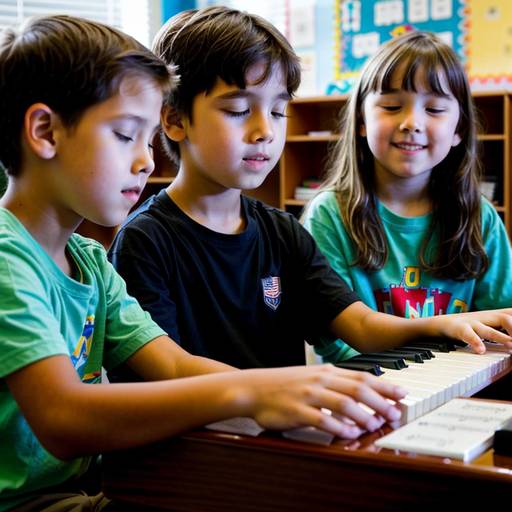
In this 2nd-grade music appreciation lesson, students will explore the world of music by enhancing their listening skills and developing an appreciation for various genres and instruments. The lesson begins with a discussion on music's significance in everyday life, allowing students to share their favorite songs. They will listen to short excerpts of different music styles, during which they will identify sounds, instruments, and emotions evoked by the music.
As part of the activity, students may use listening cones or blindfolds to focus on the auditory experience. Following the listening exercise, they will learn about various instruments through picture cards and discuss how these instruments contribute to different genres. To encourage creativity, students will complete a worksheet where they either draw their favorite instrument or write about their preferred music genre, focusing on their feelings and thoughts.
The lesson concludes with an invitation for students to share their creative responses with the class, promoting reflection on music's impact on emotions and connections. To wrap up, a lively song will be played to encourage movement and joy, reinforcing the idea that music is a source of happiness and unity. Additionally, options for extending the lesson through classroom playlists or a "Show and Tell" day are provided to keep the music engagement ongoing.
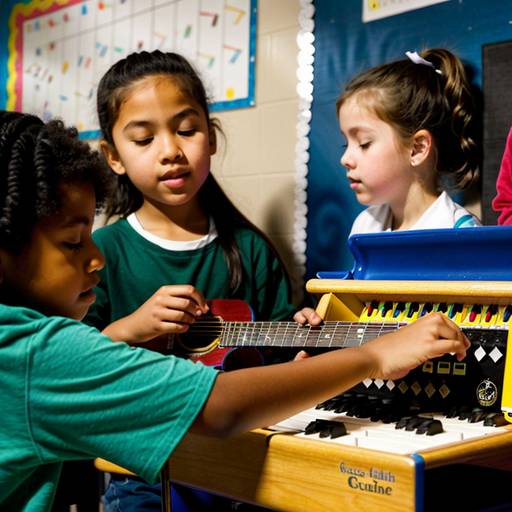
In this second-grade music appreciation lesson, students will explore the diverse world of music and sound. The class begins with a discussion about music's role in their lives, followed by an engaging listening activity where they hear short clips from various genres. After each clip, students will share their thoughts on the instruments, emotions evoked, and visual imagery inspired by the music. They will also learn about different cultural instruments related to the pieces they heard.
To encourage creative expression, students will create artwork inspired by the music, focusing on colors and shapes that represent their interpretations. The lesson concludes with a final listening activity, prompting students to reflect quietly on the music. Assessment will be based on participation, completed artwork, and students' ability to articulate their responses and feelings about the music. Extensions include listening to additional music at home to share in future classes and contributing to a classroom “listening wall” to celebrate their favorite songs. This lesson aims to enhance listening skills, foster cultural appreciation, and encourage personal expression through music.
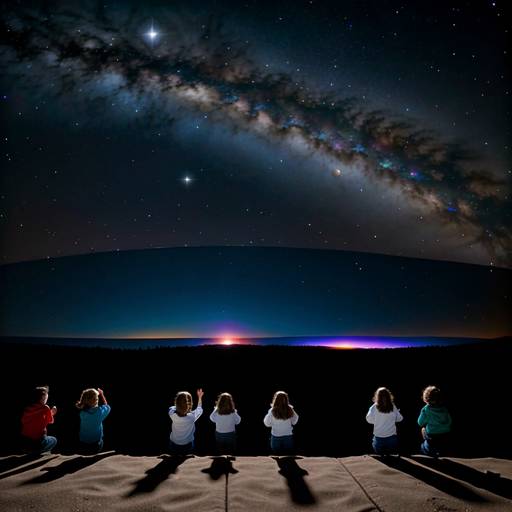
This 2nd Grade science lesson focuses on introducing students to the fascinating world of stars and constellations. It begins with a discussion that encourages students to share their prior knowledge about stars, followed by an explanation of their characteristics and the concept of the Milky Way galaxy.
Students will then engage in a creative activity where they design their own constellations on black construction paper using star stickers or crayons and write a short story about what their constellation represents. The lesson includes a sharing segment, allowing students to present their creations and reflect on the significance of stars.
In closing, the teacher will recap key concepts learned and encourage students to explore the night sky at home. Assessment will occur through monitoring participation in activities and presentations, with optional extension resources available for further learning in astronomy. Safety considerations for material use will also be addressed throughout the lesson.
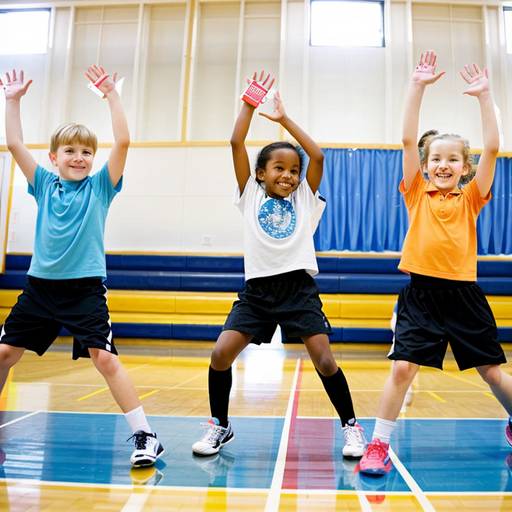
This lesson plan focuses on enhancing coordination and balance for 2nd-grade students through engaging physical activities. The session begins with a brief introduction to the importance of these skills, followed by a warm-up to prepare their bodies.
Students participate in a series of activities designed to promote balance and coordination, including stepping in and out of hula hoops, walking across balance beams, and navigating an obstacle course that combines various movements. Each activity encourages teamwork and provides opportunities for students to support one another.
The lesson concludes with a cool-down session where students reflect on their experiences and engage in gentle stretching. Throughout the activities, instructors assess student progress by observing their ability to maintain balance and safely navigate challenges, providing positive feedback and encouragement.
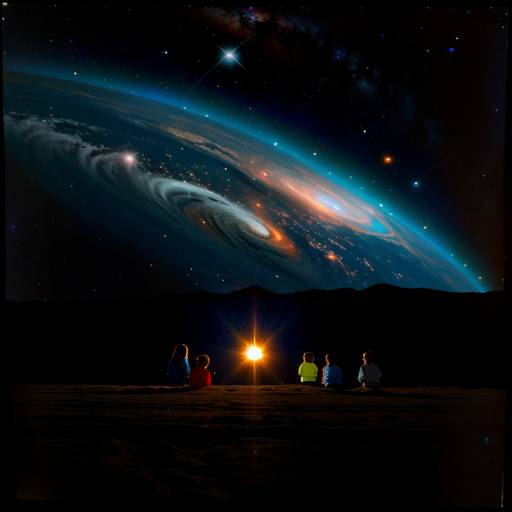
In this 2nd-grade science lesson, students will explore the solar system and its planets. The lesson begins with an engaging discussion about space, followed by a video or slideshow to introduce the solar system's components. Students will learn to identify each of the eight planets and remember their order from the sun using a mnemonic device.
After gathering information about the planets through fact cards, students will participate in a hands-on activity where they will create model planets using Styrofoam balls and decorate them based on their unique characteristics. They will then work as a team to arrange their models on a large poster board in the correct order.
To reinforce their learning, students will complete a "Planet Hunt" worksheet where they fill in the blanks based on clues about each planet. The lesson concludes with a review, encouraging students to share interesting facts they learned and to observe the night sky at home.
Assessment will be based on participation, the quality of their planet models, and the completion of the worksheet, while extension activities will be provided for those finishing early. Overall, the lesson aims to foster curiosity about astronomy and enhance students’ understanding of the solar system in an interactive way.

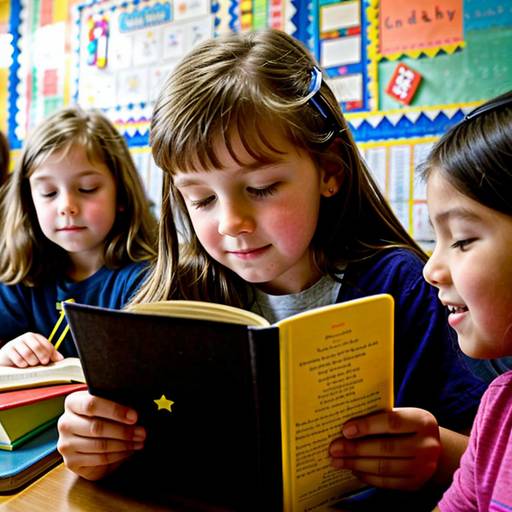
In this 2nd-grade language arts lesson, students will explore narrative writing by learning about the key elements of storytelling, including characters, setting, plot, and conflict. The lesson begins with a discussion about favorite stories, allowing students to articulate the components of narratives. After a mini-lesson where a familiar tale is analyzed, students will complete story map worksheets in pairs, brainstorming their own characters, settings, problems, and resolutions. They will then individually draft their own narratives based on their story maps, incorporating illustrations. The lesson concludes with opportunities for students to share their stories with classmates. Assessment will involve reviewing both the story maps and drafts to gauge understanding of narrative structure, and an extension activity will involve compiling a class storybook featuring student contributions. This lesson promotes creativity and engagement with writing while developing essential narrative skills.