
Filters
Level
Grade
Subject
Subject Area
Subject Topic
Standard(s)
Audience
Keyword
DurationMinutes
2nd Grade Lesson Plans

In this 2nd grade math lesson, students will explore geometry by identifying and describing various 2D and 3D shapes. The lesson begins with an engaging discussion about shapes found in their environment, followed by a shape scavenger hunt around the classroom or school to help reinforce their understanding. After sharing their findings, students will create a collage using shape cutouts, labeling each shape in their artwork. The class will conclude with presentations of their collages, allowing for a review of the shapes learned. Assessment will include observations during activities and a short quiz on shapes in a subsequent lesson, while extensions may involve advanced concepts or the integration of technology and literature. Overall, this lesson focuses on hands-on learning, creativity, and collaboration to enhance students’ knowledge of geometry.
This 2nd-grade math lesson plan focuses on introducing students to basic geometric shapes, including circles, squares, triangles, rectangles, ovals, and pentagons. The objectives include helping students to identify and name these shapes, understand their properties (such as the number of sides and angles), and explore their presence in everyday life.
The lesson begins with a discussion about shapes found in the classroom, followed by direct instruction that features visual aids and real-world examples for each shape. Students then engage in guided practice by working in small groups to measure different shapes and classify them based on their attributes.
For the independent activity, students embark on a shape hunt around the classroom, recording their findings on a worksheet that encourages them to draw or identify items that match the shapes discussed. The lesson concludes with a sharing session and a brief reflection on the shapes observed.
Assessment is conducted through observation, group work participation, and reviewing worksheets. Extensions and adaptations are offered to ensure all students can engage effectively, such as creating collages from magazines or using technology for interactive learning. Overall, this lesson promotes hands-on exploration and collaborative learning in geometry.
In this 2nd-grade math lesson focused on geometry and patterns, students will explore basic geometric shapes, such as circles, squares, triangles, and rectangles, and their properties. The lesson begins with an engaging discussion about shapes in the classroom and real life, followed by a demonstration of creating simple and complex patterns using those shapes.
Through a "Shape and Pattern Scavenger Hunt," students will work in pairs to identify shapes around their environment, reinforcing their recognition skills. Once they regroup, they will create their own patterns using shape cut-outs on construction paper and describe these patterns to their classmates.
The lesson incorporates hands-on activities to enhance understanding, encourage creativity, and build spatial awareness. Assessment will be based on observation during the scavenger hunt, evaluation of the pattern creations, and a group discussion that allows students to share their learning experiences. Extensions may include introducing advanced concepts of area and perimeter for those who progress quickly. Overall, the lesson promotes an interactive and enjoyable exploration of geometry and patterns within students' surroundings.
In this 60-minute math lesson for 2nd graders, students will explore fundamental concepts in geometry, focusing on identifying and classifying basic 2D and 3D shapes such as circles, triangles, squares, rectangles, cubes, spheres, cylinders, and pyramids.
The lesson begins with an engaging discussion where students share the shapes they see around them, followed by an introduction to the properties of different shapes. An interactive activity encourages students to physically form shapes with their bodies, reinforcing their understanding through movement.
Following this, students participate in a shape scavenger hunt, searching for items in their environment that match specific shapes, and then share their findings with the class. After the scavenger hunt, students create a shape collage by sorting and labeling shapes cut from construction paper, allowing for both creativity and practical application of their learning.
The lesson concludes with a review discussion, where students reflect on what they've learned. Assessments include observation during activities, evaluation of the shape collages, and responses during the discussion to ensure understanding. Adaptations are provided for both students needing additional support and those seeking more advanced challenges. Overall, the lesson promotes active engagement and reinforces geometric concepts in a fun and collaborative manner.
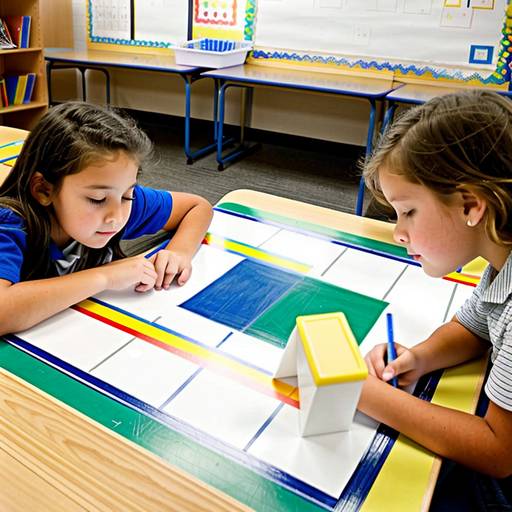
In this 2nd-grade math lesson, students will explore the concepts of geometry and lines through engaging activities. The lesson begins with a discussion on geometry and a brief introduction to different types of lines, including straight, curved, and zig-zag lines. Students will examine various geometric shapes, identifying their properties, and learning how lines form these shapes.
During guided practice, students will create geometric collages using construction paper, drawing multiple shapes and incorporating different lines to convey motion. Following this, a "Shape Scavenger Hunt" will involve students working in pairs to find and sketch geometric shapes and lines within the classroom environment.
The lesson concludes with a sharing session, allowing students to present their findings and collages. Assessment will include observations during activities and the collection of collages and scavenger hunts to evaluate understanding. Extensions are provided for students who finish early, encouraging further exploration of geometry through 3D shapes. Accommodations are also in place to support learners who may need additional assistance. Overall, this lesson promotes hands-on learning, teamwork, and creativity in understanding geometric concepts.
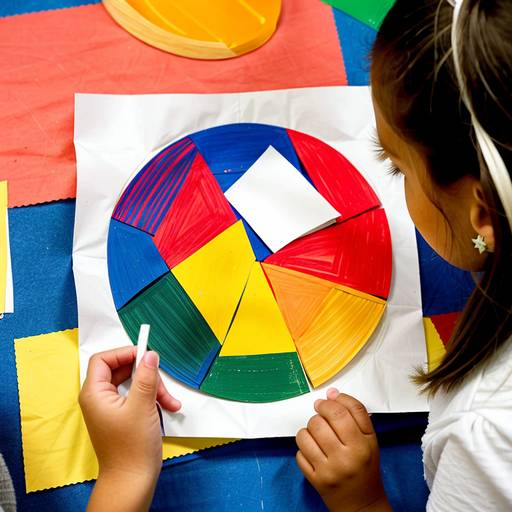
In this 2nd-grade math lesson, students will explore geometric shapes and patterns through interactive activities. The lesson begins with a review of basic shapes, where students identify and name various geometric figures using flashcards and real-life examples. Following this, the concept of patterns is introduced, showcasing different sequences through visuals and claps.
Students then engage in a guided practice by working in pairs to create and share their unique shape patterns using colorful construction paper. This collaborative effort leads into a hands-on activity where small groups cut out shapes to build a "shape city" on a poster board, incorporating patterns in their designs.
The lesson concludes with group presentations, allowing students to showcase their creations and discuss the patterns they implemented. Assessment occurs through observation during the activities and an exit ticket task, ensuring students reflect on their understanding of shapes and patterns. Extensions are provided for advanced learners to deepen their engagement with the material. Overall, this lesson combines hands-on learning with creativity and teamwork to reinforce essential geometry concepts.
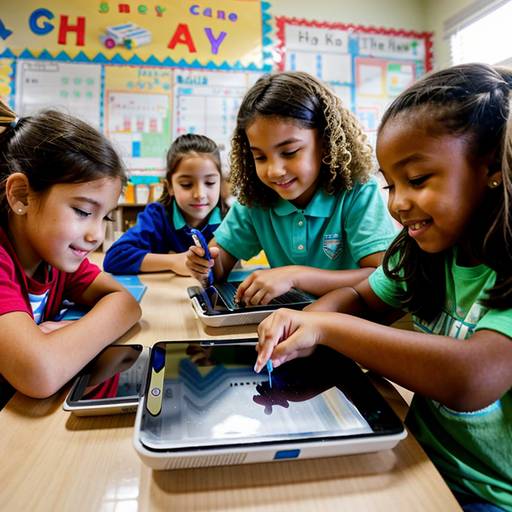
In this 2nd-grade technology lesson, students will explore the importance of maintaining and cleaning their devices to ensure optimal performance and hygiene. The lesson begins with an engaging discussion about the inner workings of devices and the consequences of neglecting their care. A demonstration highlights proper cleaning techniques using appropriate materials, stressing the importance of using safe products. Students will then participate in a hands-on activity in small groups, discussing care strategies and applying their knowledge to a sample device scenario.
Next, they will create a maintenance checklist, brainstorming necessary steps for device care and designing it creatively. The lesson concludes with group presentations of their checklists and a reflection on their responsibility for technology. Throughout the session, students will learn essential maintenance practices while encouraging teamwork and creativity, fostering a sense of ownership over their technological tools.

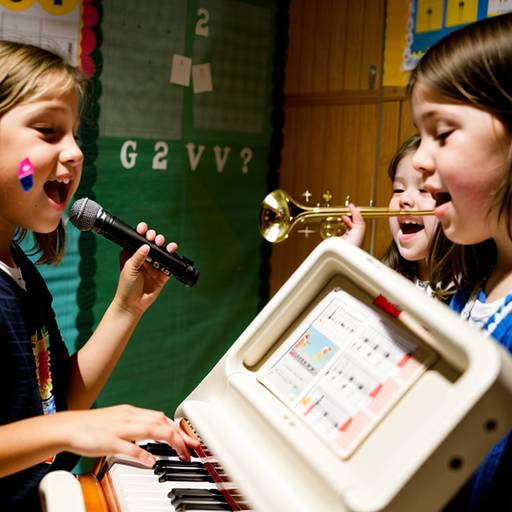
This 2nd-grade music lesson focuses on helping students understand the concept of pitch and differentiate between high and low sounds. The session begins with an introduction to pitch, using a piano or keyboard to illustrate examples. Students participate in vocal warm-ups to match high and low pitches, followed by singing simple songs that contain varying pitch elements.
In an engaging movement activity, students use scarves or ribbons to visually express the difference between high and low pitches through their movements. The lesson concludes with a reflection discussion, encouraging students to share their observations about high and low sounds and how movement aided their understanding. Ongoing assessments are made by observing participation and engagement, and optional extensions allow for further exploration of pitch using instruments. This structured yet interactive approach ensures that students grasp fundamental music concepts effectively while enjoying the learning process.

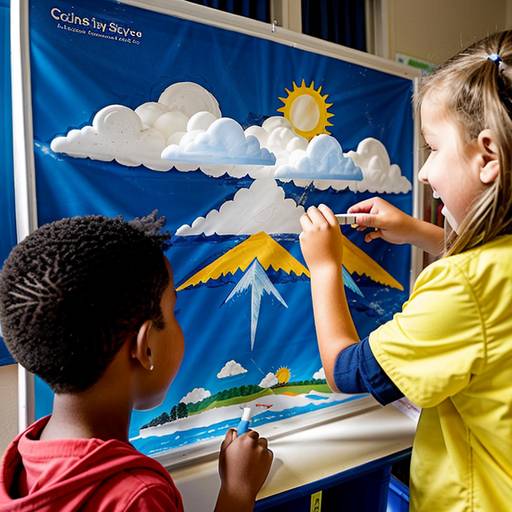
In this 1-hour Earth Science lesson for 2nd graders, students will explore different types of weather and learn about weather patterns. The lesson begins with a short video showcasing various weather conditions, which sparks a discussion about students' personal experiences with weather. Next, students will engage in an interactive activity where they identify weather types using picture cards and contribute to a collective weather chart.
Through a game where they act out different weather types, students gain a deeper understanding of each condition. The lesson then shifts focus to tracking weather patterns using a Weather Diary, which students will maintain at home over the week. To reinforce their learning, students will create their own artistic interpretations of different weather scenes, sharing them with their classmates. The lesson culminates with a recap of key concepts, preparing students to observe and document weather in their daily lives. Assessment will be based on student participation and the accuracy of their Weather Diary entries. Additionally, opportunities for extensions, such as studying local climate patterns or inviting a meteorologist to speak, are included to enhance learning.

This 2nd-grade technology lesson focuses on digital citizenship and online safety. Students will explore the importance of responsible online behavior through interactive discussions, group activities, and scenario analysis. They will learn to identify safe and unsafe online practices, the significance of keeping personal information private, and how to create strong passwords. The lesson will include a KWL chart to assess prior knowledge and curiosity, allowing students to reflect on their learning at the end. By participating in group discussions and completing worksheets based on digital safety scenarios, students will develop skills to navigate the online world safely. Additionally, they will share their newfound knowledge with family members as part of their homework. The lesson aims to empower students with the tools they need to be responsible digital citizens.