
Filters
Level
Grade
Subject
Subject Area
Subject Topic
Standard(s)
Audience
Keyword
DurationMinutes
2nd Grade Lesson Plans
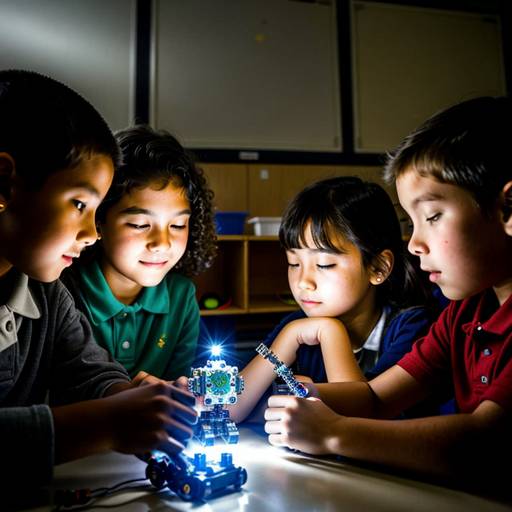
In this 60-minute technology lesson for 2nd-grade students, learners will explore robotics by working in small teams to design and build simple robotic models using provided materials. The lesson begins with an engaging discussion about robots, followed by an introduction to key vocabulary relevant to robotics.
Students will then form groups and receive building kits, allowing them to brainstorm, sketch, and create their own robot designs. During the construction phase, they will test and refine their robots, encouraging critical thinking and collaboration.
The lesson concludes with group presentations where students describe their design process and the challenges they encountered. A reflective discussion will help solidify their understanding of the concepts covered. Assessment will be based on participation and presentation quality. Extensions can include introducing basic programming tasks with block-based tools, allowing for further engagement with technology. Overall, this activity fosters teamwork, creativity, and foundational skills in engineering and robotics.
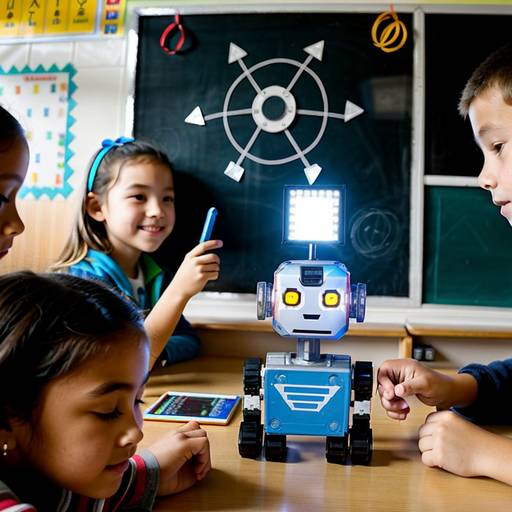
In this 2nd-grade technology lesson, students will explore the world of robotics by learning about the basic components of robots and their functions. The lesson begins with an engaging discussion and a short video to introduce the concept of robots and their presence in everyday life. Following this, students will work in small groups to design and build their own robots using LEGO sets or craft materials. They will first sketch their designs and then construct their creations, fostering collaboration and creativity. Each group will present their robot to the class, explaining its features and potential tasks, which encourages communication skills. The lesson concludes with a recap of key concepts learned, emphasizing teamwork and the importance of creativity in engineering. Assessment will be based on group participation, the completeness of the design process, and presentation content. Optional follow-up activities may further enhance students’ understanding of robotics and programming.
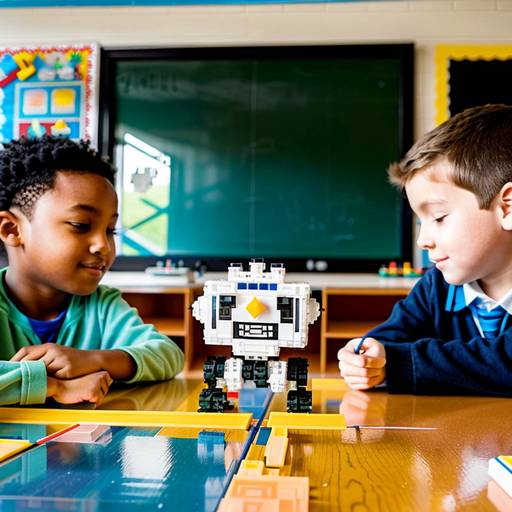
In this 60-minute technology lesson for 2nd graders, students will explore the basics of robotics and engage in hands-on robot building activities. The lesson begins with a discussion on what robots are and their functions in everyday life, enhanced by a short video showcasing various robots. Students are then divided into small groups where they will brainstorm and design their own robots using provided materials and design worksheets. After the design phase, they will construct their robots, collaborating and problem-solving as they work together. Each group will present their creations to the class, explaining their design choices and the purpose of their robots. The lesson concludes with a reflection discussion on what was learned about robotics and teamwork, along with optional resources for further exploration of coding and robot enhancements. Assessment will focus on participation, creativity, and understanding demonstrated during presentations and design worksheets. This engaging lesson promotes collaboration, creativity, and critical thinking while introducing young learners to the fun world of robotics.

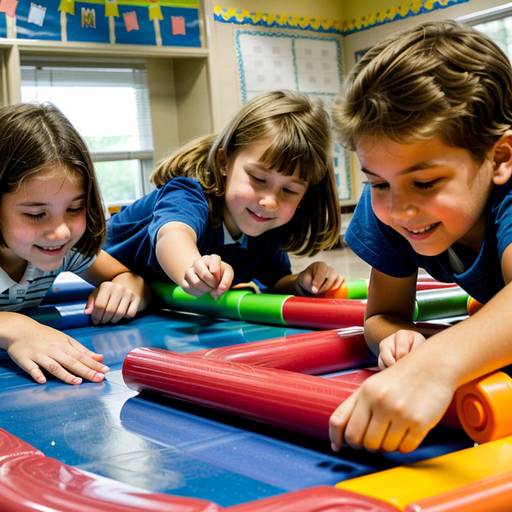
In this 2nd-grade science lesson focused on physical science and motion, students will explore basic concepts of movement, including rolling, sliding, and spinning. The lesson begins with an engaging discussion that prompts students to think about how different objects move. Next, the teacher explains motion and demonstrates how various objects behave on a ramp, emphasizing the influence of forces.
Students are then divided into small groups to participate in hands-on activities. Each group tests different objects by rolling them down a ramp, sliding them on a flat surface, and spinning them to observe and measure their motions. They will record their findings on worksheets, encouraging collaboration and discussion within their groups.
The lesson concludes with a group discussion where each team shares their observations, allowing students to compare results and reinforce their understanding of the types of motion studied. Assessment will be based on participation, engagement during activities, and the quality of observations recorded. Opportunities for extension activities will be provided for students who finish early, fostering further exploration and creativity in understanding motion. Throughout the lesson, safety practices will be emphasized.

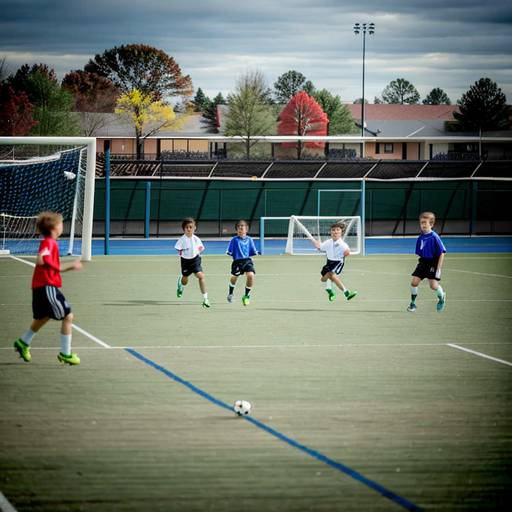
This 2nd-grade physical education lesson focuses on introducing students to the fundamental skills of soccer, including dribbling, passing, and shooting, while emphasizing teamwork and sportsmanship. The lesson starts with a brief discussion about soccer and its basic rules, followed by a warm-up consisting of light jogging and dynamic stretches.
Students will engage in a series of drills where they will navigate a dribbling course, practice passing with a partner, and take turns shooting at small goals. After skill development, the class will be divided into two teams for a short mini soccer game, allowing students to apply their skills in a fun, game-like setting.
To conclude, a cool-down session will incorporate slow walking and static stretching to help lower heart rates and relax muscles. Students will reflect on what they enjoyed during the lesson, fostering a positive and inclusive environment. The lesson encourages active participation, skill development, and collaboration among students.

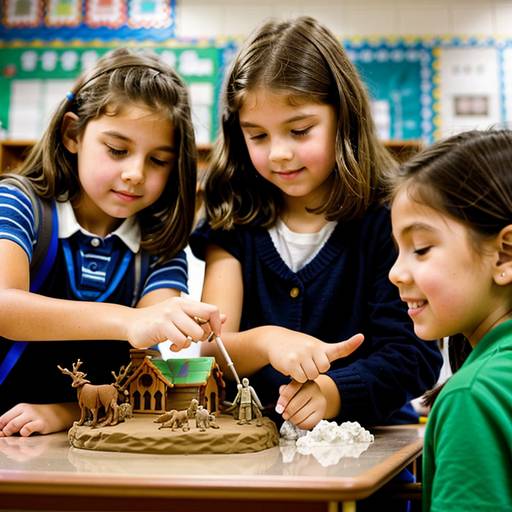
In this 2nd-grade art lesson, students will explore the art form of ceramics by creating small sculptures that represent characters or scenes from their favorite books. The session begins with a discussion about the history and cultural significance of ceramics, followed by a demonstration on sculpting techniques using air-dry clay. Students will first sketch their ideas, focusing on story elements, before shaping their clay creations. The activity encourages creativity and self-expression, while the closure allows students to share their sculptures and discuss the artistic techniques used. Assessment will focus on participation, planning, and the ability to convey a narrative through their artwork. Extensions include opportunities for advanced students to embellish their pieces further, and accommodations are made for diverse learners to ensure a supportive environment.

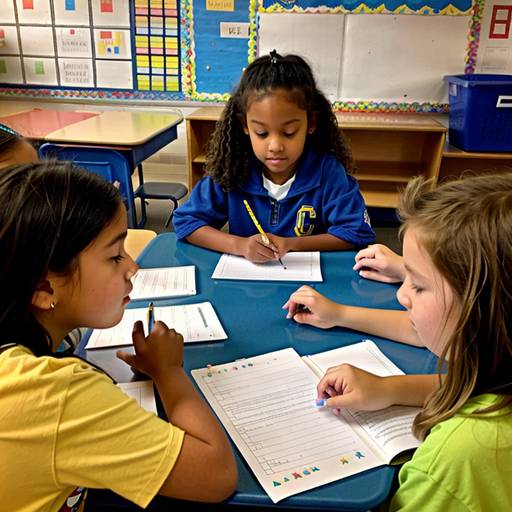
This lesson plan is designed for 2nd-grade students to enhance their understanding of grammar and sentence structure through an engaging and interactive approach. The lesson begins with a read-aloud of "The Cat in the Hat," prompting students to recognize sentence components. Direct instruction follows, focusing on identifying subjects and predicates in simple sentences. Guided practice allows students to collaborate in pairs to create their own sentences using a mix of nouns, verbs, and adjectives, while also learning to identify the parts of their sentences. Independent practice involves completing a worksheet where students draw a picture representing their sentence, write it out, and underline the subject and predicate. The lesson concludes with a sharing session to reinforce learning and encourage expression. Assessment is conducted through observation and collection of the worksheets to gauge comprehension. Extensions for homework are suggested, along with opportunities to introduce more complex structures in future lessons.
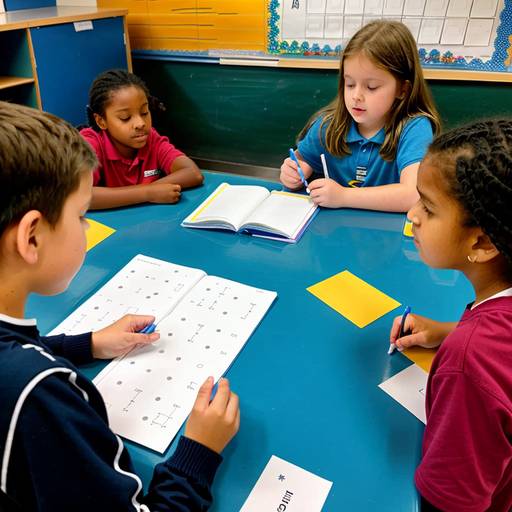
In this 2nd-grade language arts lesson, students will explore the basic components of sentence structure, focusing on subjects and predicates. The lesson begins with an engaging discussion about what constitutes a complete sentence, followed by direct instruction where the teacher models sentence construction on the whiteboard. Students will learn to differentiate between complete and incomplete sentences and the concept of declarative sentences.
During guided practice, students will work in pairs to rearrange words on sentence strips or index cards to create complete sentences, which they will illustrate and present to the class. For independent practice, they will complete worksheets where they cut out words to form sentences and decorate their creations.
The lesson concludes with a group discussion where students share their favorite sentences and identify subjects and predicates. An exit ticket will assess their understanding by asking them to write a sentence and underline its components. Throughout the lesson, the teacher will monitor participation and comprehension, providing support as needed to ensure all students grasp the concept of sentence structure.
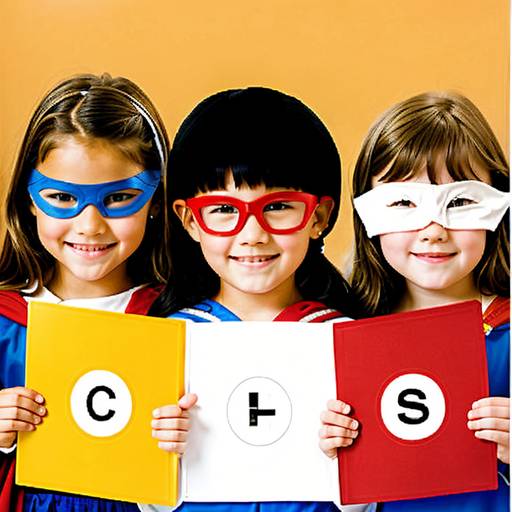
In this 2nd-grade Language Arts lesson, students will learn about grammar and sentence structure by engaging in a variety of activities centered around building complete sentences. The lesson begins with a discussion on the components of sentences, emphasizing the subject and verb, and includes a modeling segment where a simple sentence is analyzed. Students will then work in small groups to create their own sentences using provided prompts and share their creations with the class.
Following this collaborative activity, learners will complete individual worksheets that allow them to fill in the blanks and craft their own sentences, incorporating creativity and self-expression. The lesson concludes with a review of key concepts regarding sentence construction and punctuation, and students will write an exit ticket to summarize their learning. Throughout the lesson, assessment will occur through observation during group tasks and analysis of completed worksheets. Optional extension activities include a crafting project to further engage students’ creativity. This lesson aims to strengthen students’ understanding of sentence structure while making the learning process enjoyable.

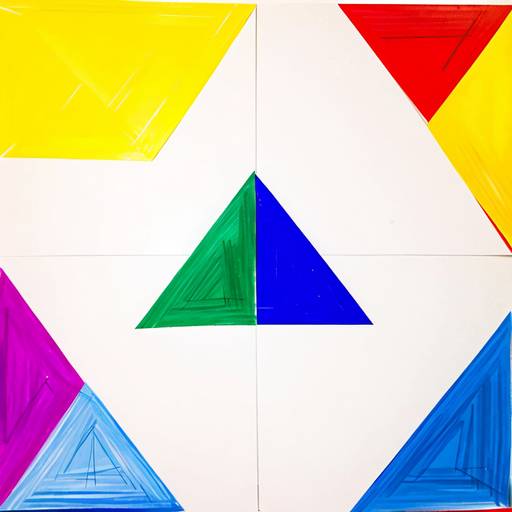
In this engaging math lesson for 2nd graders, students will explore the world of geometry and symmetry through hands-on activities and creative tasks. The lesson begins with a discussion about various 2D shapes, including circles, squares, triangles, and rectangles, and introduces the concept of symmetry. Students will learn to identify symmetrical shapes using mirrors or by folding templates.
During guided practice, they will work in pairs to explore and discuss which shapes exhibit symmetry. Following this, students will have the opportunity to create their own symmetrical designs on graph paper using colored pencils. They will share their designs with the class, reinforcing their understanding of symmetry and the properties of shapes.
The lesson includes both independent and collaborative activities, catering to diverse learning needs and encouraging creativity while solidifying foundational geometry concepts. Assessment will be conducted through observation of participation, review of worksheets, and evaluation of the students' designs. Extensions and modifications are also provided to support differentiated learning.