
Filters
Level
Grade
Subject
Subject Area
Subject Topic
Standard(s)
Audience
Keyword
DurationMinutes
2nd Grade Lesson Plans

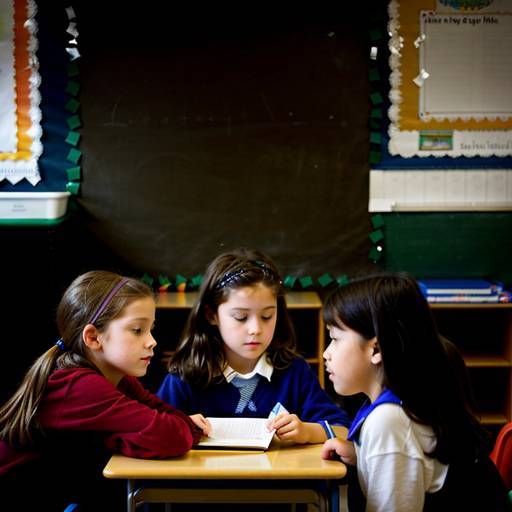
In this 2nd Grade Language Arts lesson plan, students will enhance their reading comprehension skills by employing specific strategies to investigate a text. The lesson begins with a discussion on the importance of understanding stories, followed by a read-aloud of a chosen picture book. During the reading, students will be encouraged to make predictions and identify key story elements such as characters, setting, and plot.
Following the read-aloud, students will engage in guided practice using story maps to collaborate with a partner in identifying story elements. They will also participate in a prediction activity by writing alternative endings based on clues from the text. As part of the lesson, students will formulate questions about the story using guided prompts, which they will share with the class.
Assessment will involve monitoring student participation, and collecting story maps and predictions to evaluate comprehension and engagement. The lesson promotes differentiation by offering support for struggling students while challenging advanced learners with creative tasks. The closing reinforces the importance of active reading strategies to deepen understanding and enjoyment of literature.
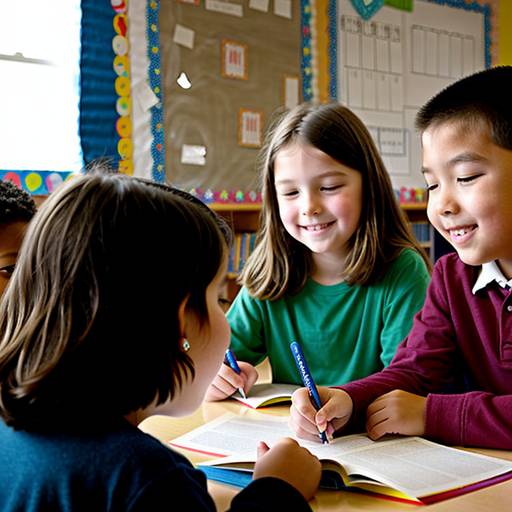
In this 2nd Grade Language Arts lesson, students will explore the elements of storytelling, including characters, setting, problem, and solution. The lesson begins with a discussion about what makes a good story, followed by an introduction to story starters that prompt creative thinking. Students will first brainstorm ideas based on their assigned story starter in pairs, then independently write their own short stories that incorporate all four story elements. Peer sharing and feedback are integral to the lesson, allowing students to learn from each other and practice their oral communication skills. The lesson concludes with a reflection on the writing experience and the uniqueness of each story. To enhance learning, differentiation strategies are provided for students who may need additional support, and a follow-up activity involves creating a class display of students’ work.

In this 2nd-grade physical education lesson, students will explore the importance of fitness and flexibility through engaging activities and stretches. The lesson begins with a group circle discussion to introduce the concepts, followed by a dynamic warm-up to prepare their bodies. Students then rotate through three activity stations: a stretching station where they learn static stretches, a fitness challenge station with a mini obstacle course that incorporates various movements, and a cool-down and breathing station focused on relaxation techniques.
After completing the activities, the class reconvenes to discuss their experiences and reflect on what they learned. The lesson concludes with a calming stretching routine to relax their muscles. Assessment involves observing student participation and understanding through discussion, and students are encouraged to continue practicing stretching at home. The overall goal is to foster an appreciation for active living and the benefits of flexibility, promoting lifelong healthy habits.
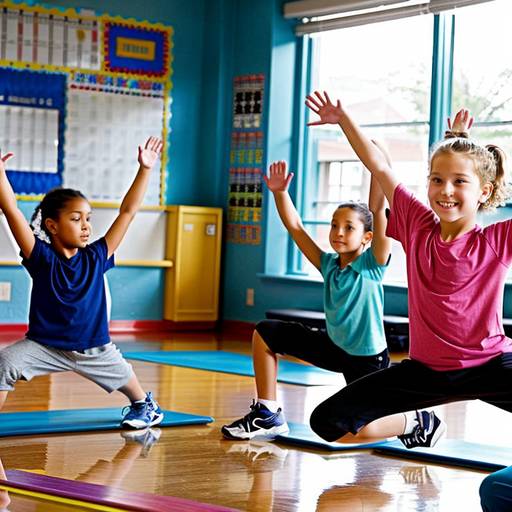
This lesson plan for 2nd-grade physical education focuses on promoting fitness and flexibility among students through engaging activities and discussions. The session begins with a brief introduction about the importance of fitness and flexibility, followed by dynamic warm-up exercises that prepare students for movement.
Students participate in four activity stations, each designed to enhance their flexibility and physical fitness. The stations include stretching exercises, hula hoop challenges to improve balance and core strength, jump rope practices for coordination, and an obstacle course featuring rolling and weaving elements. After the activities, students cool down with gentle static stretches while practicing deep breathing.
To conclude the lesson, students reflect on their experiences, sharing what they enjoyed and lessons learned about staying active and practicing flexibility. Assessment is based on observation during activities and student participation, and modifications are available for those with mobility challenges. Additionally, an extension activity encourages students to engage in flexibility practices at home and share their experiences with the class. Overall, the lesson aims to foster a joyful and understanding approach to fitness and flexibility in young learners.

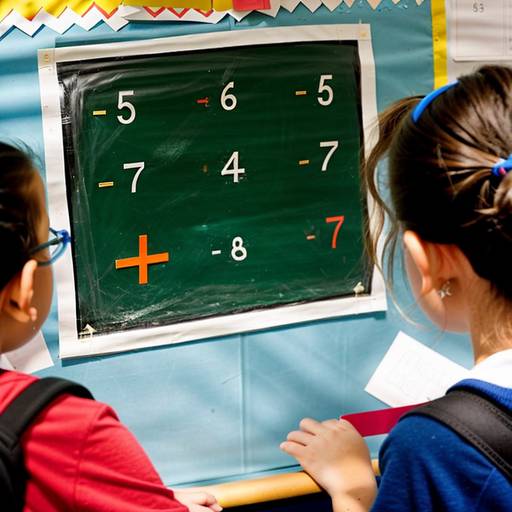
This 2nd-grade math lesson focuses on introducing and practicing the concept of subtraction. The lesson starts with a review of addition and transitions into subtraction, emphasizing it as taking away. Students will engage with manipulatives to visualize and solve simple subtraction problems involving numbers up to 20.
The lesson includes guided practice where students use manipulatives to work through subtraction problems together, followed by an independent practice session with worksheets that incorporate both visual aids and numeric problems.
To make the learning fun and interactive, students will participate in a treasure hunt where they find hidden treasures and solve subtraction problems written on each bag of treasure. This hands-on activity reinforces their understanding of subtraction in a real-world context.
The session concludes with a group discussion to reflect on what they learned, allowing them to share their experiences and strategies. Assessment will be conducted through observations during activities and the accuracy of their worksheet completion, with accommodations provided to meet diverse student needs and extensions suggested for further enrichment.
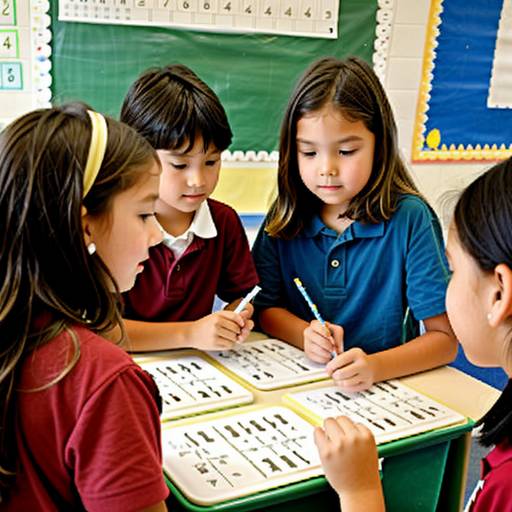
In this 2nd-grade math lesson, students will explore the concept of subtraction through engaging discussions, visual aids, and hands-on activities. The objective is for students to understand and perform basic subtraction problems confidently. The lesson begins with an introduction to subtraction using animal imagery on the whiteboard, followed by guided practice using flashcards that encourage students to solve subtraction problems collaboratively.
Next, in pairs, students participate in a game using counting bears or plastic animal figures, where they verbalize and work through subtraction problems by removing figures and counting how many remain. This interactive segment promotes teamwork and reinforces their understanding of taking away.
Afterward, students will complete themed worksheets that have various subtraction problems related to animals, allowing them to practice individually while coloring the animals for added engagement. The lesson concludes with a group discussion where students share their learning experiences and reflect on the importance of subtraction in everyday life.
Throughout the lesson, teachers will assess student participation and understanding through observation and by reviewing completed worksheets. Extensions are provided for students who master the material quickly, as well as additional support for those requiring help. Overall, the lesson effectively combines learning with play to reinforce the fundamental concept of subtraction.
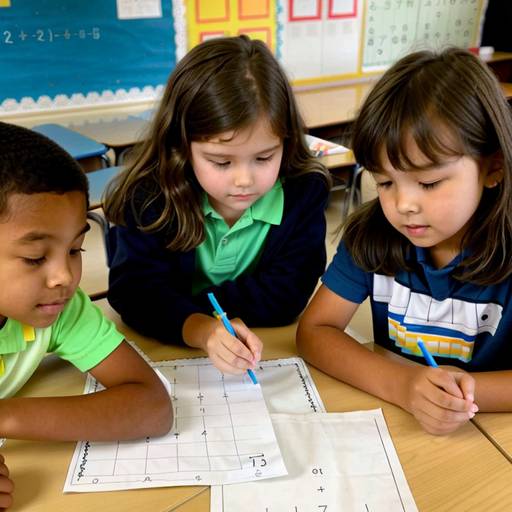
In this 2nd grade math lesson, students will focus on the concept of subtraction through a variety of engaging activities. The session begins with a warm-up review of subtraction using real-life examples, followed by the introduction of the day's objectives. Students will participate in a flashcard challenge in pairs, solving and verifying subtraction problems, and utilize manipulatives to visualize the subtraction process.
After guided practice, students will complete a subtraction worksheet independently to reinforce their skills. The lesson also includes a fun group activity where students play a bingo game, solving subtraction problems called out by the teacher, which encourages quick thinking and engagement.
The lesson concludes with a review of the bingo problems and a reflection on new concepts learned. Throughout the lesson, the teacher will monitor student understanding and provide support where needed, ensuring that all students grasp the essentials of subtraction. Opportunities for extension and additional support will also be highlighted to accommodate varying levels of understanding within the classroom.
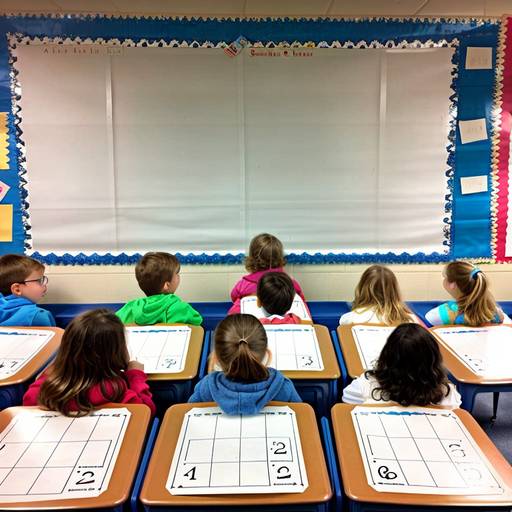
This 2nd-grade math lesson focuses on teaching students the concept of subtraction through engaging activities and hands-on experiences. The lesson begins with a warm-up discussion that relates subtraction to real-life situations, followed by a demonstration using manipulatives. Students participate in group activities to solve subtraction problems collaboratively, fostering teamwork and communication. Flashcards are employed for quick recall practice, adding an element of fun through competition.
For independent practice, students complete worksheets featuring a variety of subtraction problems, including word problems and visual aids like number lines. The lesson concludes with a review where students share their learning experiences, and those who actively participated are awarded stickers, reinforcing positive behavior. Assessment is conducted through observation and worksheet evaluation, ensuring students grasp the subtraction concept. Adaptations are included to support both advanced learners and those struggling, with additional resources and extensions for further practice at home. Overall, this lesson aims to build a strong foundation in subtraction while creating an enjoyable learning environment.
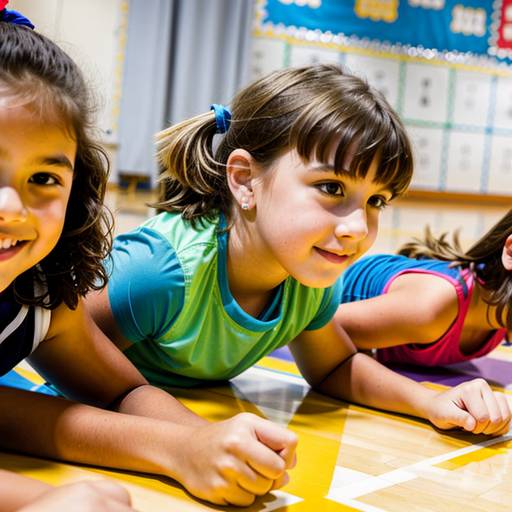
In this 45-minute physical education lesson designed for 2nd graders, students will explore concepts of fitness and strength through a series of engaging activities. The lesson begins with a dynamic warm-up that includes jumping jacks, arm circles, high knees, and stretching exercises to prepare their bodies for movement.
Following the warm-up, the instructor will introduce students to the importance of strength and its benefits for everyday activities. Students will then be divided into small groups and rotate through five distinct activity stations, each focusing on different strength-building exercises: push-ups, squats, plank holds, ball tosses, and jump rope activities. Each station will allow students to practice for a set time before transitioning to the next.
After completing the circuit, the class will reconvene for a cool-down period that includes gentle stretches and deep breathing exercises to relax their muscles. The lesson will conclude with a reflection discussion, encouraging students to share their experiences and thoughts about the activities they completed and how they can incorporate strength exercises into their daily lives. Throughout the lesson, students will learn valuable physical skills while fostering teamwork and promoting a positive attitude toward fitness. The instructor will assess participation and proper form during activities to ensure understanding and engagement. Adaptations will be provided for students with varying physical abilities, promoting inclusivity and support among peers.

This lesson plan focuses on teaching 2nd-grade students essential internet skills and the importance of online safety. Students will engage in discussions about their experiences with the internet and learn fundamental safety rules, such as protecting personal information and interacting respectfully online. Through guided activities, including role-playing scenarios, students will apply these safety principles in practical situations. They will then create colorful posters to illustrate a specific internet safety rule, reinforcing what they have learned. The lesson concludes with a review and distribution of handouts that students can share with their families, ensuring the continued importance of discussing online safety at home. The overall goal is to empower young learners to navigate the digital space confidently and responsibly.