
Filters
Level
Grade
Subject
Subject Area
Subject Topic
Standard(s)
Audience
Keyword
DurationMinutes
2nd Grade Lesson Plans

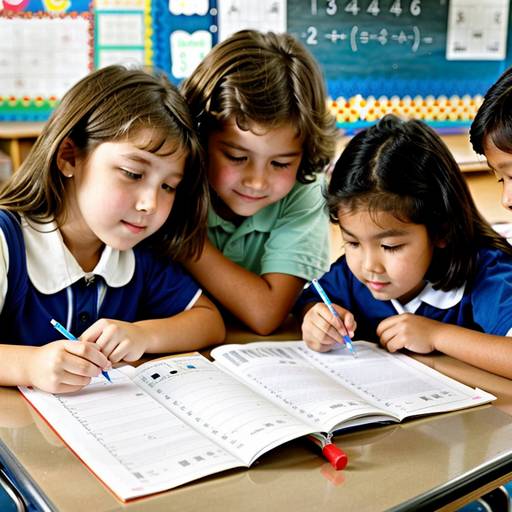
In this 2nd-grade math lesson, students will explore the concepts of measurement and temperature through hands-on activities and collaborative learning. The session begins with an introduction to measurement, where students discuss their experiences and tools used for measuring objects. They will learn how to read a thermometer, understanding the significance of temperature readings.
Students will engage in guided practice by working in small groups to measure various classroom items using rulers or non-standard units and record temperatures with thermometers. Each student will independently measure and document one object while comparing temperature readings with a peer.
The lesson concludes with a class discussion, allowing students to share their findings and insights on the relationships between measurement and temperature. Assessment will be conducted through observation during group activities and by reviewing their completed worksheets for accuracy. Extensions may include exploring weather forecasts and conducting measurement scavenger hunts. This comprehensive lesson aims to enhance students’ understanding of measurement and temperature while promoting teamwork and critical thinking.
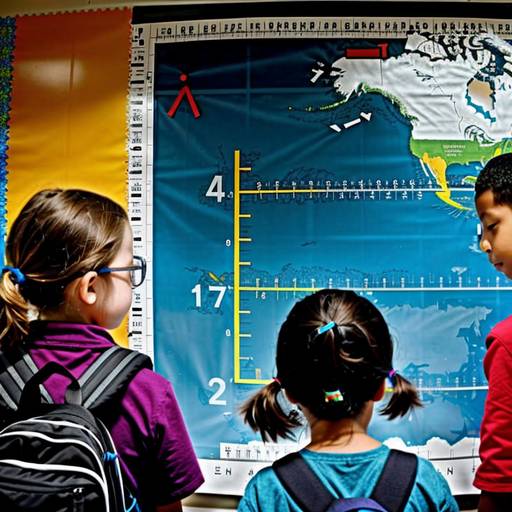
In this 60-minute math lesson for 2nd graders, students will explore the concepts of measurement and temperature through interactive activities. The lesson begins with a discussion about the importance of measurement in everyday life, introducing units such as inches, feet, and centimeters.
Students will then work in pairs to measure three different classroom objects using rulers or measuring tapes, recording their findings in both inches and centimeters. This hands-on activity encourages collaboration and reinforces their understanding of length measurement.
Next, students will learn to read a thermometer and observe outdoor or window-side temperatures, recording their findings. This segment emphasizes the concepts of hot, warm, and cold while fostering discussions about how temperature affects daily life.
Finally, students will participate in a group discussion to reflect on their learning experiences regarding measurement and temperature, sharing insights and observations. Assessment will involve reviewing students' worksheets and observational assessments during activities, while opportunities for extension involve tracking daily temperatures in class and relating temperature to weather and activities.

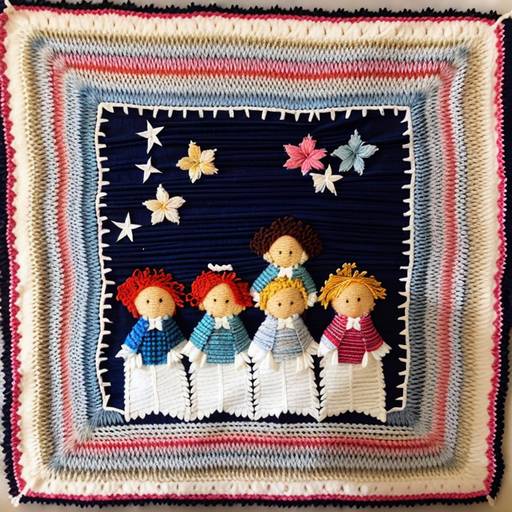
In this 2nd-grade art lesson, students will explore the world of fiber arts through a hands-on weaving activity. The lesson begins with a discussion about fiber arts, encouraging students to share their experiences with fabric and yarn. They will learn key vocabulary related to the topic and view examples of different fiber art forms. After demonstrating a basic weaving technique using cardboard looms, students will create their own woven pieces using colorful yarn. The activity allows them to experiment with patterns and colors while practicing fine motor skills. Students will then share their creations, reflecting on their experiences and the artistic process. The lesson concludes with a clean-up session and provides opportunities for extension activities for those who finish early. Adaptations are also included to support students with varying skill levels. Overall, this lesson fosters creativity and appreciation for fiber arts.
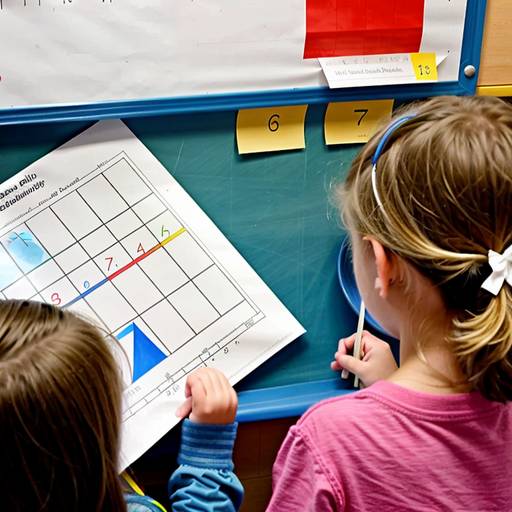
In this 60-minute math lesson for 2nd graders, students will explore measurement and time through engaging hands-on activities. The lesson begins with a discussion to gauge prior knowledge before moving into direct instruction on measuring objects with rulers and telling time using a large wall clock.
Students will participate in measurement stations where they measure various classroom objects in both inches and centimeters, recording their findings on sticky notes. Afterward, they will work in pairs on a time-related worksheet, practicing their skills in reading clocks and identifying times.
The lesson concludes with a reflection circle, allowing students to share their learning experiences. Assessment will be conducted through observation during activities and by reviewing worksheets and recorded measurements. Extensions and differentiation strategies are included to meet diverse learning needs, ensuring all students have the opportunity to enhance their skills in measurement and time.
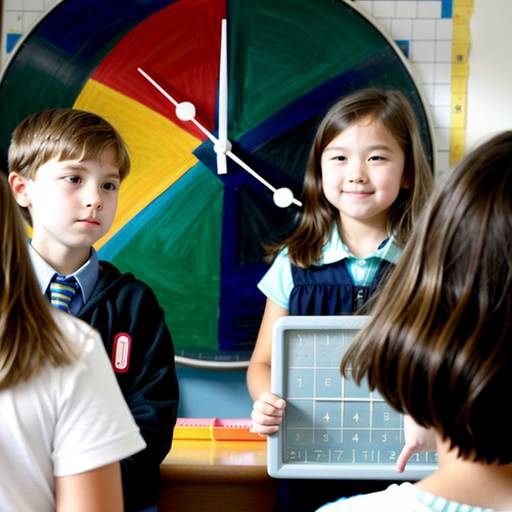
In this 2nd Grade math lesson, students will explore the concepts of time and time patterns through engaging activities that enhance their ability to read both analog and digital clocks. The lesson begins with a warm-up discussion highlighting the importance of time in daily routines. Following this, students will receive direct instruction on how to read analog and digital clocks, complemented by an introduction to simple time patterns.
During guided practice, students will participate in a collaborative group activity, solving time-related questions and presenting their findings. This will be followed by independent practice using worksheets where they will fill in missing times, match analog and digital formats, and tackle word problems related to time. The lesson concludes with a review of key concepts and an exit ticket activity for students to reflect on their learning.
Throughout the lesson, assessment will be ongoing, focusing on participation, completed worksheets, and individual exit tickets, ensuring that all students grasp the essential skills of telling time and recognizing patterns. Extensions and adaptations are included to cater to diverse learning needs and to encourage deeper understanding for advanced students.

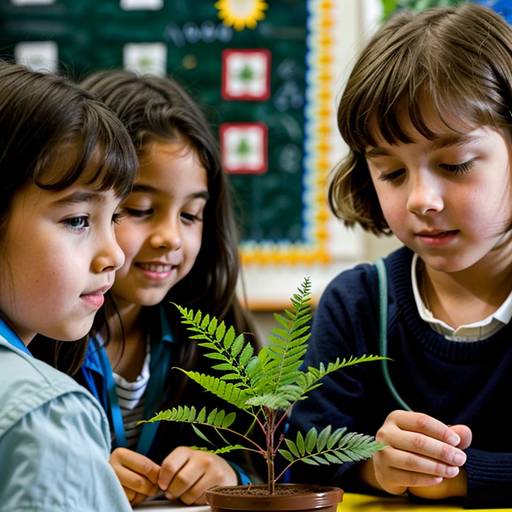
In this 2nd-grade life science lesson, students will investigate the essential needs of plants through hands-on activities and observation. The lesson begins with a multimedia introduction to various plants, prompting a discussion about what plants require to thrive.
Students will engage in a group experiment where they plant seeds in clear cups, placing one in sunlight and another in a darker environment, while recording their predictions and observations in journals. They will also examine different potted plants to learn about their characteristics and discuss the factors that contribute to plant growth.
The lesson concludes with a review of key concepts through a KWL chart, allowing students to reflect on what they have learned and share their remaining questions. Assessment is conducted through an exit ticket where students express one new insight about plants. Extensions encourage ongoing care for their plants and potential field trips to botanical gardens. Overall, the lesson promotes a sense of curiosity and understanding of the important role plants play in the ecosystem.
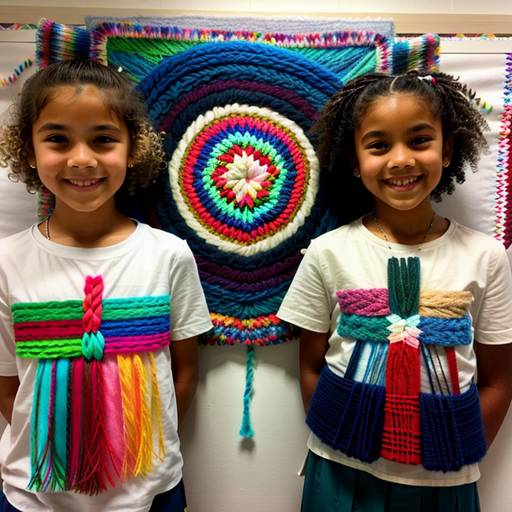
In this 2nd-grade art lesson, students will explore the world of fiber arts by learning basic weaving techniques using cardboard looms. The session begins with a discussion about various forms of fiber art and visual examples to inspire creativity. The teacher will then demonstrate how to set up the loom and weave with yarn and natural fibers. Students will have hands-on time to create their woven pieces, allowing them to experiment with different colors and textures. As they work, the teacher will circulate to provide support and encouragement. The lesson concludes with a sharing session where students present their artwork, reflect on their creative choices, and discuss the importance of texture and design in fiber arts. This engaging lesson aims to ignite students' imagination and introduce them to the possibilities within textile art.
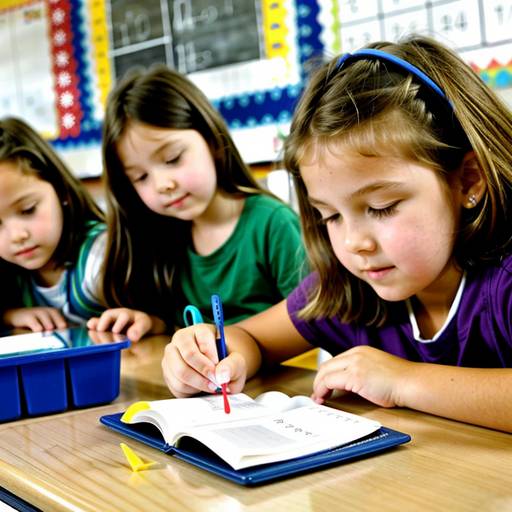
In this second-grade math lesson, students explore the concepts of time measurement and object measurement. The lesson begins with an introduction to telling time using both analog and digital clocks, where students learn to read and set the time to the nearest hour and half-hour. Following this, students engage in a hands-on activity where they measure various classroom objects using non-standard units, specifically paper clips, encouraging them to record their findings.
Students then participate in a group discussion to compare their measurements and share observations about the lengths of the objects they measured. The lesson concludes with a summary of the key concepts learned and assigns a simple homework task for students to measure an object at home using a non-standard unit. Throughout the lesson, assessments are made through observation, worksheet collection, and homework to ensure understanding of the material covered. Extension activities are available for advanced learners, such as introducing rulers and a fun clock-themed game or song.
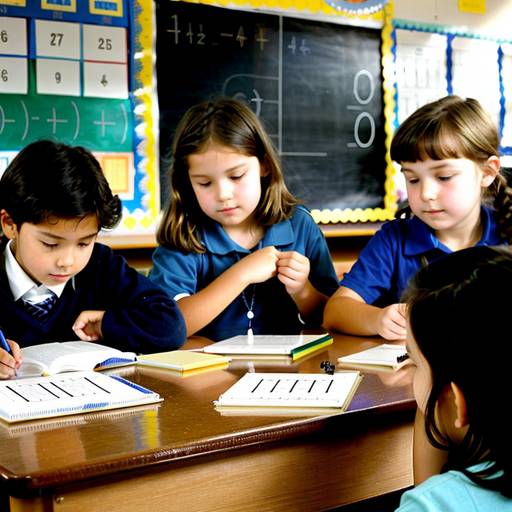
This lesson plan for 2nd-grade students focuses on teaching the concept of time and how to read an analog clock. It aims to help students identify the parts of a clock, including the hour and minute hands, and to read time to the nearest hour and half-hour. The lesson begins with an engaging introduction that utilizes a large wall clock and a catchy song to capture students' attention.
After a demonstration, students participate in guided practice by matching clock faces to written times on worksheets. They then engage in a hands-on activity where they create their own clocks using templates, allowing them to practice setting different times. The lesson concludes with a recap and opportunities for students to share their creations, while assessment is conducted through observation and completed worksheets.
The plan includes adaptations for diverse learning needs and suggestions for extensions to enhance understanding, such as exploring digital clocks and incorporating timed activities in daily routines. Overall, this lesson lays a solid foundation for students to understand and engage with the concept of time in their lives.
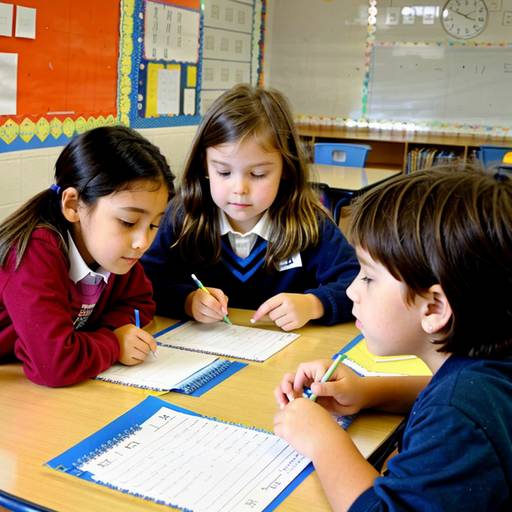
In this 60-minute math lesson for 2nd graders, students will explore the concept of time by learning to read both analog and digital clocks while recognizing time patterns such as quarter-hour and half-hour intervals. The lesson begins with a discussion about the importance of time in daily routines, followed by direct instruction on how to tell time using both types of clocks.
During guided practice, students will work in small groups to match analog times with their digital counterparts, facilitating collaborative learning. Each group will then create a visual timeline representing their daily activities at specific times, allowing them to apply their understanding creatively. The lesson concludes with group presentations of their timelines, reinforcing comprehension of time and patterns.
Assessment will be through worksheets and observation of group work, with extensions and differentiation strategies available to cater to the varying needs of students. Overall, this interactive lesson aims to engage students in understanding the role of time in their lives.