
Filters
Level
Grade
Subject
Subject Area
Subject Topic
Standard(s)
Audience
Keyword
DurationMinutes
2nd Grade Lesson Plans
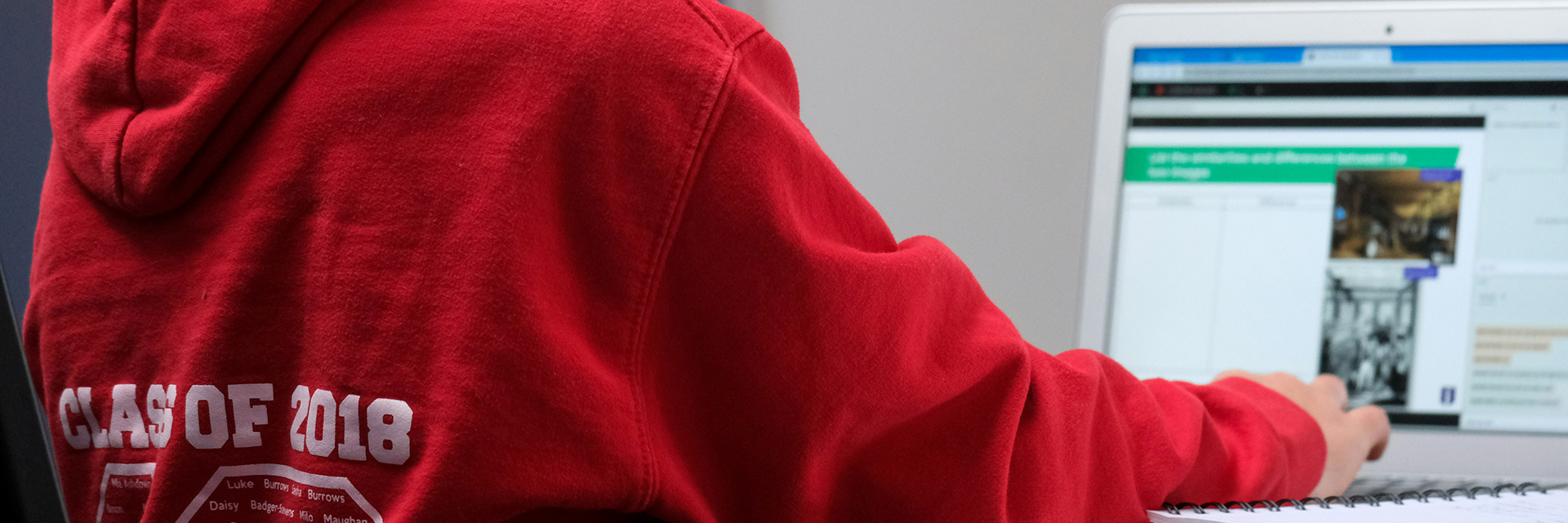
This lesson plan introduces 2nd-grade students to the world of technology and various tools they encounter in everyday life. The objectives focus on helping students identify different technology tools, understand their purposes, and demonstrate basic usage of simple devices, such as tablets and computers.
The lesson begins with an engaging discussion about technology, followed by a hands-on exploration of various tools displayed in the classroom. Students then participate in a scavenger hunt activity, working in groups to find and observe technology items around the school. After the exploration, they regroup to share their findings and discuss what they've learned about the tools and their functions.
The lesson concludes with a recap of key concepts and encourages students to express their preferences for technology tools. Assessment includes observing participation and reviewing completed scavenger hunt worksheets, with additional follow-up activities reinforcing their understanding through creative expression. The plan also accommodates diverse learning needs, promoting an inclusive classroom environment. Overall, this lesson provides an interactive and informative introduction to technology for young learners.

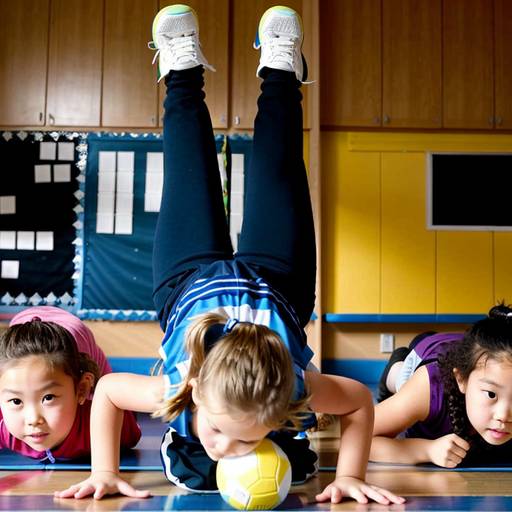
In this engaging 45-minute physical education lesson for 2nd graders, students will develop foundational gymnastics and sports skills through a variety of interactive activities. The session begins with a dynamic warm-up that incorporates movement and stretches to get students energized. Following this, students rotate through three gymnastics stations, focusing on forward and backward rolls, balance exercises, and agility drills involving jumping jacks and hula hoops.
Next, they participate in a relay race that combines dribbling a ball and demonstrating a gymnastics move, encouraging teamwork and coordination. The lesson concludes with a cooldown featuring gentle stretches and a reflective discussion where students share their favorite activities and skills they’ve improved. Throughout the lesson, instructors will assess participation and skill development, providing feedback and adapting activities as necessary to meet the needs of all students, ultimately fostering a fun and inclusive environment for physical fitness.

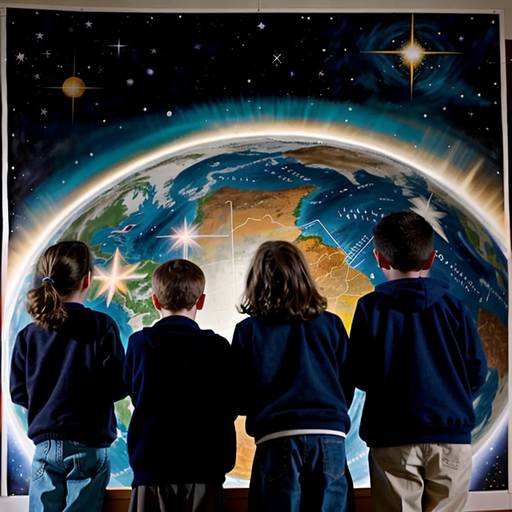
In this 2nd grade science lesson focused on astronomy, students will explore the fascinating world of stars and constellations. The lesson begins with an engaging video that showcases stunning images of celestial bodies, stimulating discussion about students' prior knowledge of stars. Direct instruction will introduce the characteristics of stars and highlight popular constellations, sharing their associated myths and stories.
Following the instructional component, students will participate in a hands-on activity where they create their own constellations using black construction paper, chalk or crayons, and star stickers. They will design a constellation and compose a short story about it, drawing inspiration from provided story cards. After completing their artwork and narratives, students will have the opportunity to share their creations with the class.
To conclude, the lesson will recap key concepts and encourage students to observe the night sky with their families. Assessment will focus on participation, creativity, and the clarity of each student's story. Extensions may include inviting a guest speaker to discuss astronomy or launching a "Star of the Week" program to foster further exploration of celestial topics.

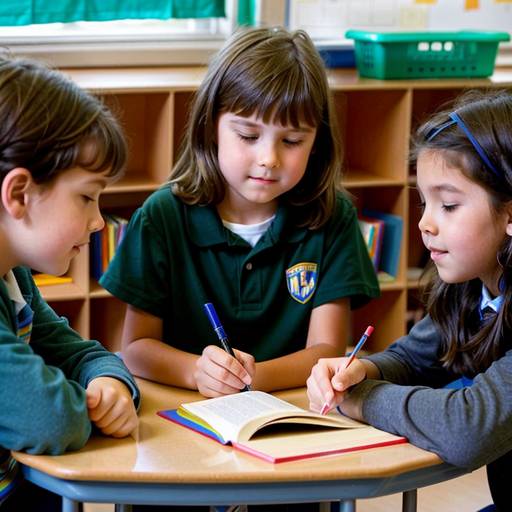
In this 2nd-grade Language Arts lesson, students will focus on enhancing their reading comprehension skills through interactive exploration of a selected picture book. The lesson begins with a class discussion about what makes stories interesting, followed by a read-aloud session where students are encouraged to make predictions and express their thoughts on the characters and plot. After reading, the class engages in a discussion to identify the main idea and supporting details, using graphic organizers to summarize their understanding.
Students will then write personal connections or lessons learned from the story on sticky notes, which will be displayed on the whiteboard. For an optional extension, they can illustrate their favorite scene or create a new ending. The lesson culminates with a recap of the key concepts learned, reinforcing the significance of main ideas and details in understanding narratives. Assessment will involve monitoring student participation in discussions and reviewing their written reflections to gauge comprehension and personal engagement with the text.

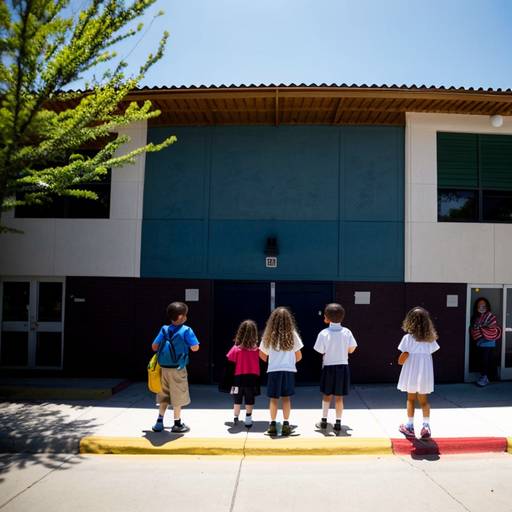
In this 2nd Grade Social Studies lesson, students will explore the concept of community and the diversity present within it. The lesson begins with a discussion about the different members of their community and the roles they play. Students will then engage in a hands-on activity where they choose a community helper to depict through drawings and sentences.
The lesson continues with an interactive Diversity Bingo game, allowing students to learn about their classmates' cultural backgrounds and traditions. After sharing findings in a group circle, students will collectively reflect on what makes their neighborhood unique. The lesson concludes with a gallery walk to showcase their community helper artwork, encouraging appreciation for the diverse contributions of individuals in their community.
Assessment will be based on participation and engagement during discussions and activities, as well as the completion of drawings. Extensions may include inviting a local community member to share their experiences and creating a “Community Culture Wall” to celebrate the various cultures represented in the classroom. Differentiation will be available to support all learners in articulating their thoughts and expanding their research. Overall, the objective is to foster a sense of belonging and respect among students for the diversity that enriches their community.
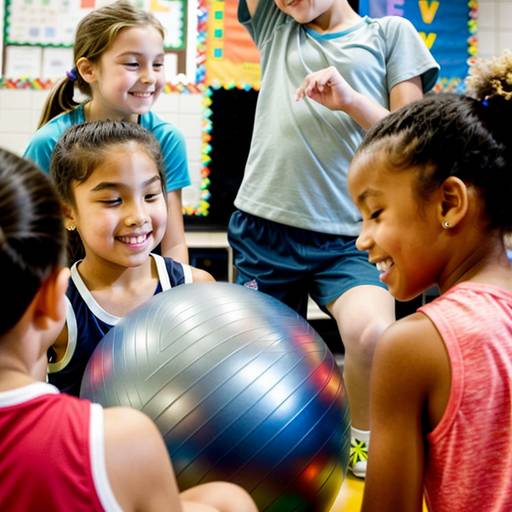
This 2nd Grade Physical Education lesson focuses on developing coordination skills and promoting teamwork among students through engaging activities. The session begins with a warm-up that includes dynamic stretches and a fun game to enhance coordination. Students are then divided into small groups and rotate through three main activities: passing a hula hoop while holding hands, tossing bean bags to each other, and completing a relay race while balancing a soft ball. Each activity encourages communication and collaboration within teams, fostering a spirit of cooperation. The lesson concludes with a group discussion where students reflect on their experiences and feelings about teamwork, followed by a calming cool-down stretch. Throughout the activities, teachers assess students’ abilities to work together and coordinate effectively, ensuring an inclusive environment for all participants. Optional extensions include introducing mini team sports to further practice these skills.
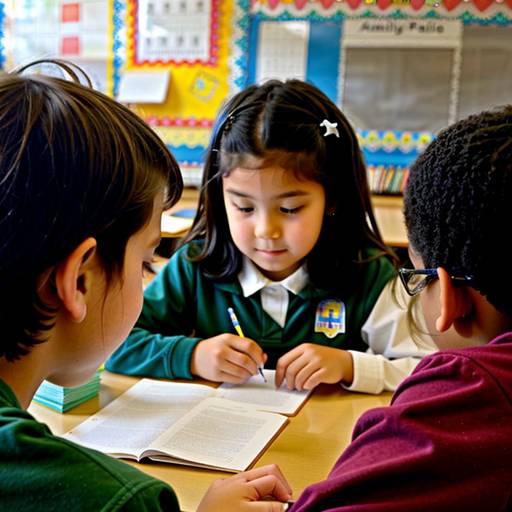
In this 2nd-grade Language Arts lesson, students will explore the concept of antonyms and their importance in vocabulary development. The lesson begins with a discussion to activate prior knowledge about antonyms, followed by a direct instruction segment where key vocabulary is introduced and examples are provided. Students will work on worksheets to practice identifying and using antonyms in context, followed by a collaborative group activity where they match antonym pairs and create sentences. The lesson concludes with a recap of what antonyms are, encouraging students to find examples in their everyday lives. Assessment will be based on participation, worksheet completion, and the quality of sentences generated in group activities. Additionally, an extension activity will be introduced, allowing students to further engage with the topic throughout the week. Reflection on the lesson's effectiveness will inform future instruction.

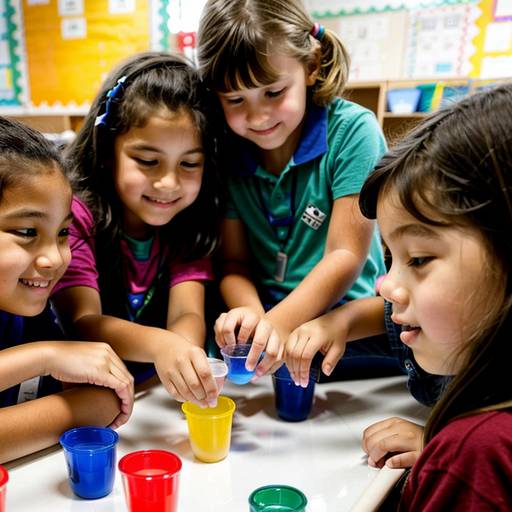
In this 2nd-grade math lesson, students will explore the concept of volume through hands-on activities and group collaboration. The lesson begins with a discussion about volume and its significance in measuring liquids. Following a demonstration using various containers, students break into small groups to measure and compare the volume of different containers using water or rice. They will record their findings and engage in a class discussion to share their observations. The lesson concludes with a volume worksheet that reinforces the concepts covered. To accommodate diverse learning needs, differentiation strategies are included for both advanced and struggling students. A follow-up activity encourages students to apply their knowledge at home by measuring liquids in various containers.
In this 2nd-grade science lesson, students explore the concept of energy, specifically focusing on sound energy and how it is produced through vibrations. The lesson begins with a discussion to define energy, followed by an introduction to sound waves and their characteristics.
Students participate in hands-on activities where they experiment with rubber bands and containers to observe how vibrations create sound. They further explore sound production with various musical instruments and balloons, engaging with the concept of sound waves in a tangible way.
The lesson includes group discussions and individual drawings to reinforce their understanding of sound energy. To assess their learning, students share their observations and create artworks illustrating what they learned. Additionally, they are encouraged to explore sound concepts further at home. Overall, the lesson emphasizes inquiry-based learning and interaction with physical science principles through engaging activities.
In this 2nd-grade Earth Science lesson, students will explore various types of weather, including sunny, rainy, cloudy, and snowy. The lesson begins with engaging discussions about each weather type, allowing students to share their feelings and experiences related to them. Students will be introduced to basic weather instruments such as thermometers, rain gauges, and wind vanes, understanding their functions and importance.
During the activity, students will create weather journals, where they will draw their favorite type of weather and write a few sentences about how it makes them feel. The lesson concludes with a sharing session, allowing students to present their journal entries to the class, fostering a sense of community and reinforcing their understanding. Exit tickets will be collected to assess individual comprehension of the day's topics. Overall, this lesson aims to deepen students' understanding of weather and its impact on their daily lives while integrating art and writing skills.